

Getting your plans approved is a huge milestone — but it’s really just the beginning. Once approvals are in place and construction is ready to commence, many homeowners start wondering: What actually happens next?
At DMR Designs, we believe informed clients feel more confident throughout the build. Here’s a clear, step-by-step breakdown of what typically happens on a building site — from preparation through to handover.
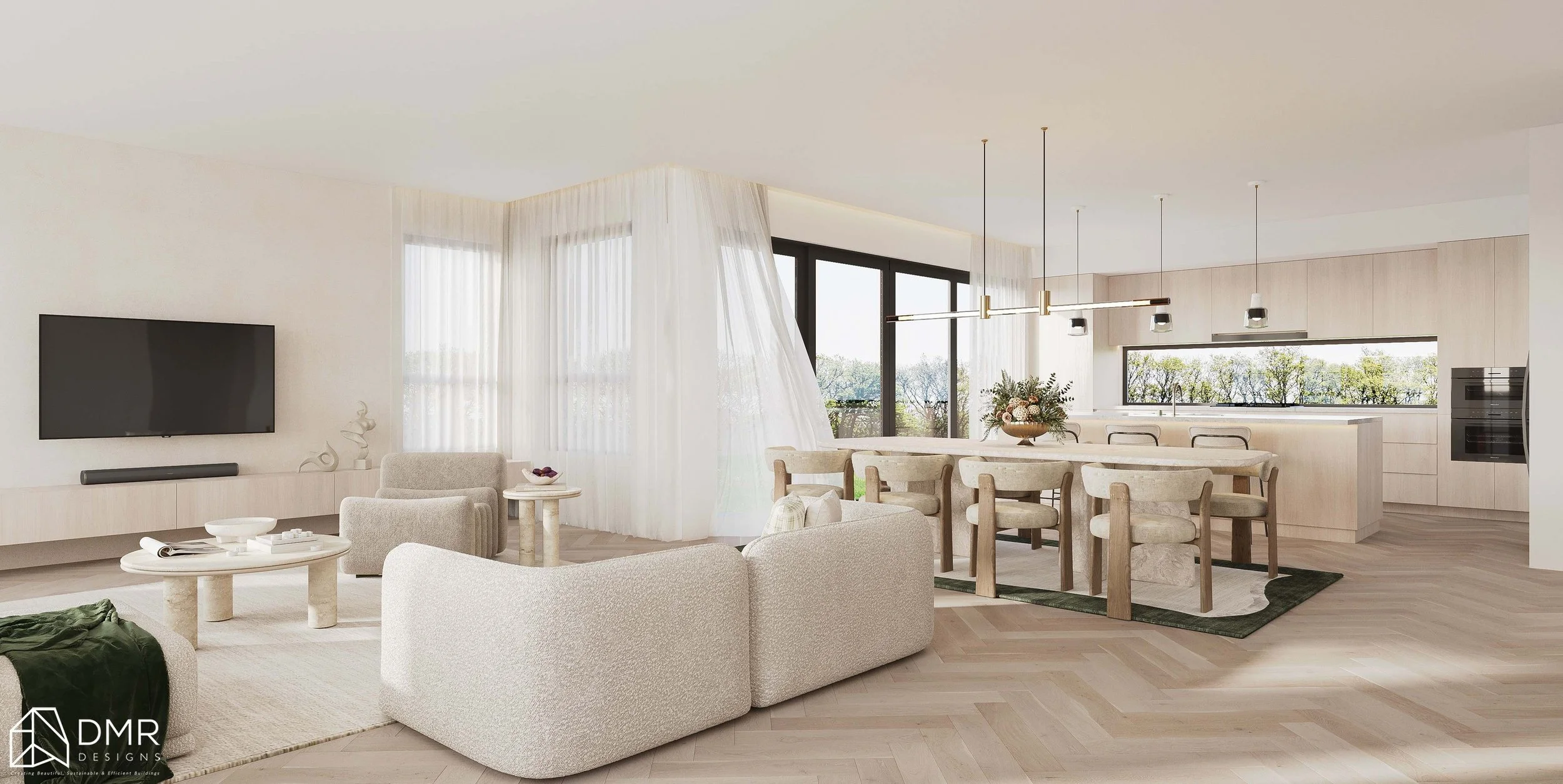
Pre-Construction & Site Preparation
Before any major work begins, there’s groundwork happening behind the scenes.
What this includes:
Finalising construction documentation
Engineering confirmations
Site survey and set-out
Erosion and sediment control installation
Temporary fencing and site access setup
If required, demolition of existing structures happens at this stage. The site is cleared and prepared for excavation.
This stage ensures everything is aligned before physical construction begins — minimising delays later.
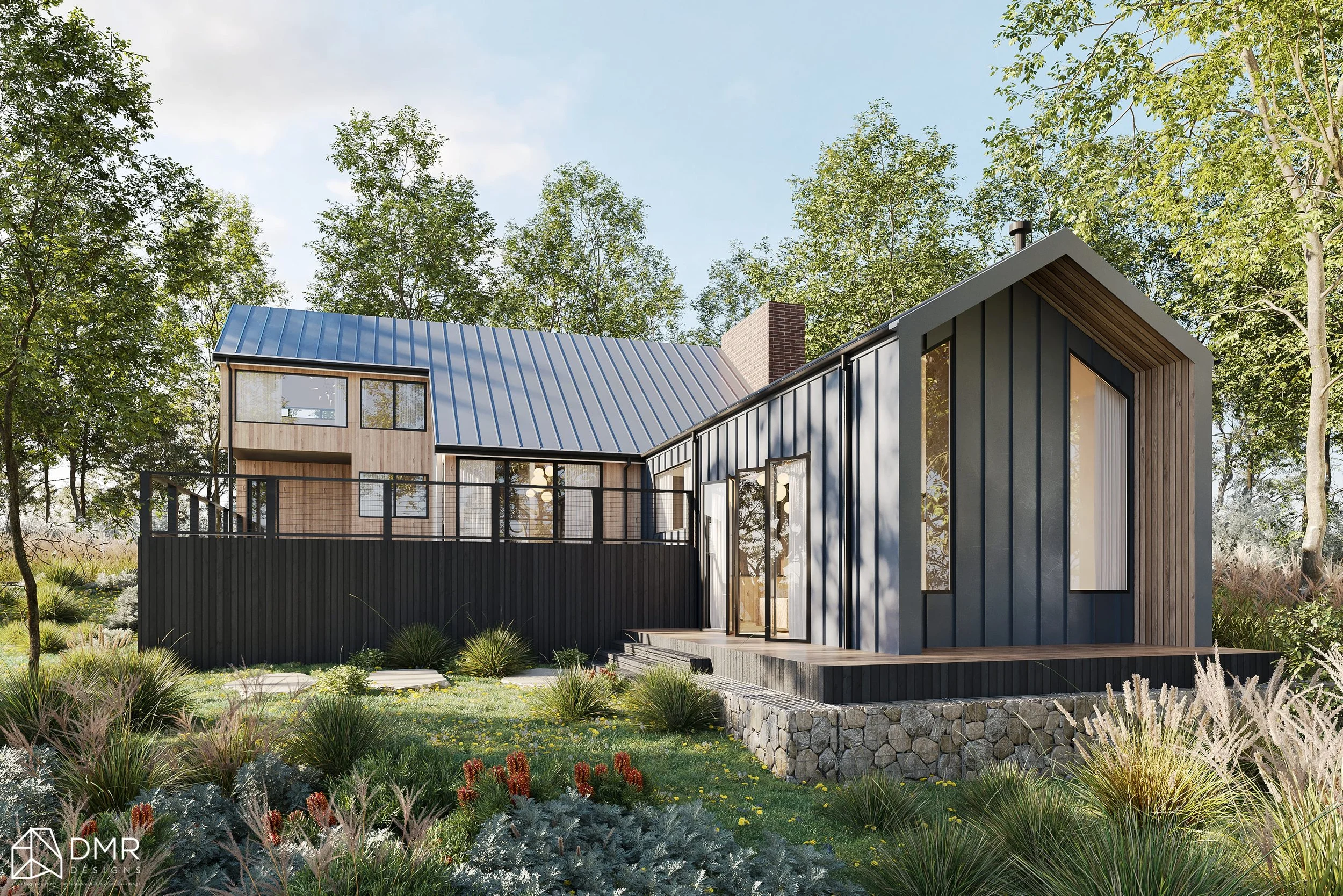
Excavation & Foundations
Now the visible transformation begins.
This stage includes:
Excavation for footings
Piering (if required)
Installation of reinforcement
Concrete pour for footings and slab
Before concrete is poured, inspections are carried out to ensure compliance with structural and building standards. Once approved, the slab is poured and cured.
This forms the structural base of your home.
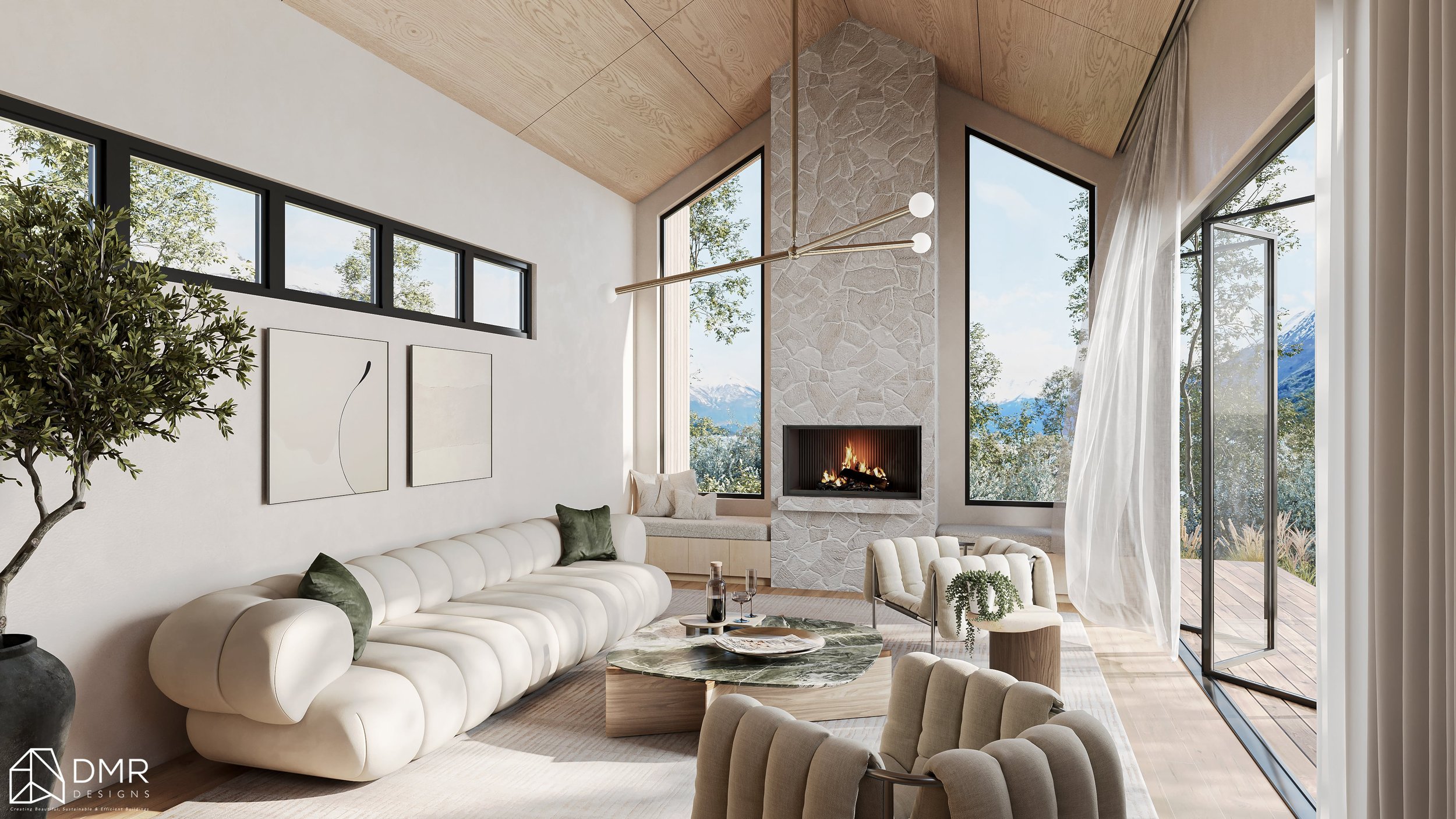
Framing Stage
Once the slab has cured, the skeleton of the home goes up.
You’ll see:
Timber or steel wall frames installed
Roof trusses placed
Structural beams secured
Windows and external doors positioned (depending on build sequence)
At this stage, your home’s layout becomes physically visible. Rooms, ceiling heights, and overall proportions take shape.
A frame inspection is conducted before the build progresses.
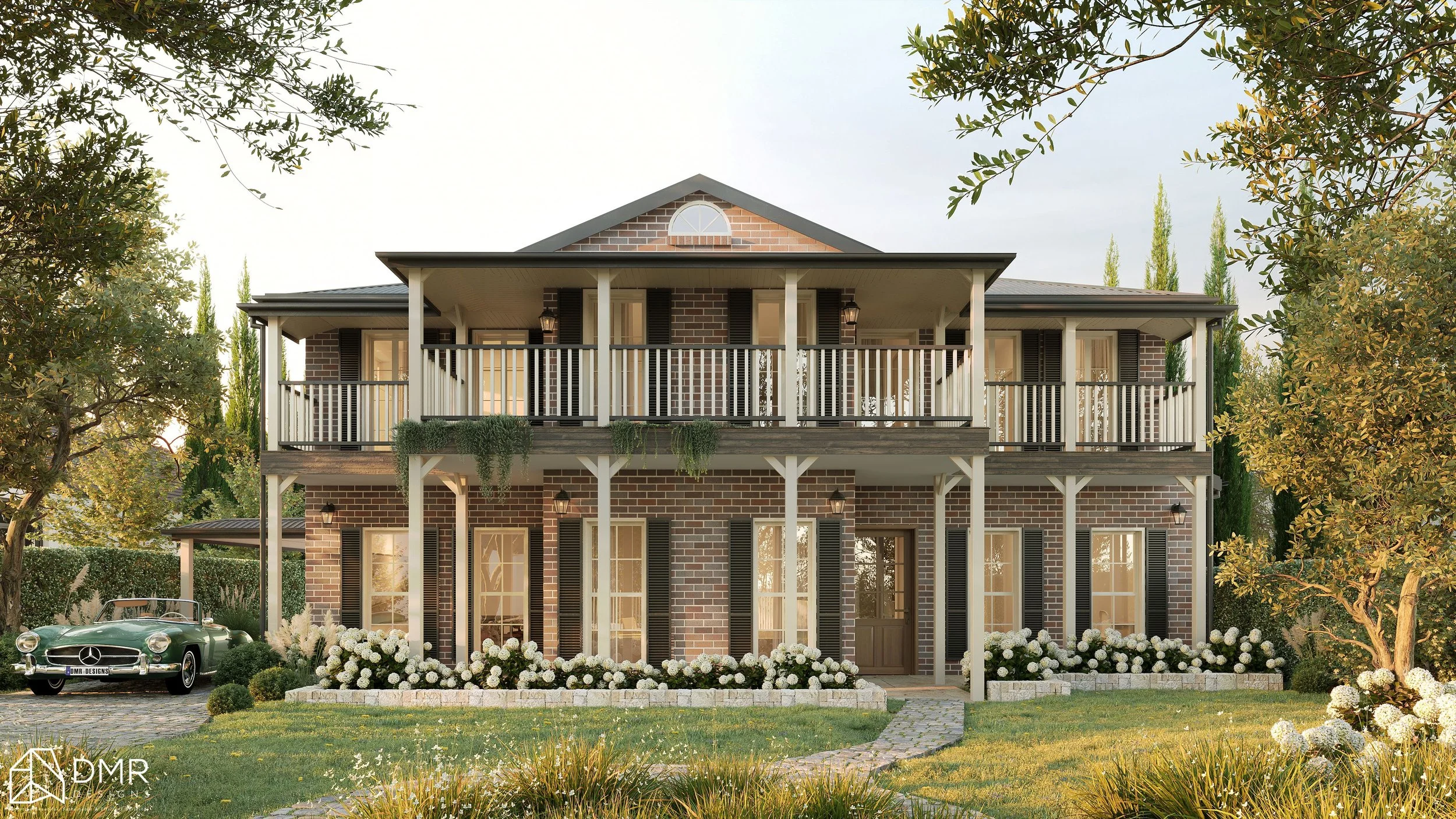
Lock-Up Stage
The home becomes secure and weather-resistant.
This typically involves:
External cladding or brickwork
Roofing installed
Windows and external doors fully fitted
External walls wrapped and sealed
“Lock-up” means the structure can now be locked and protected from the elements.

Rough-Ins (Services Installation)
With the structure secured, internal services are installed.
Trades on site may include:
Electricians (wiring and switch locations)
Plumbers (water, sewer, stormwater)
HVAC installers
Data and communications
Everything is placed within walls and ceilings before plasterboard is installed.
Inspections are carried out to ensure compliance before walls are closed up.
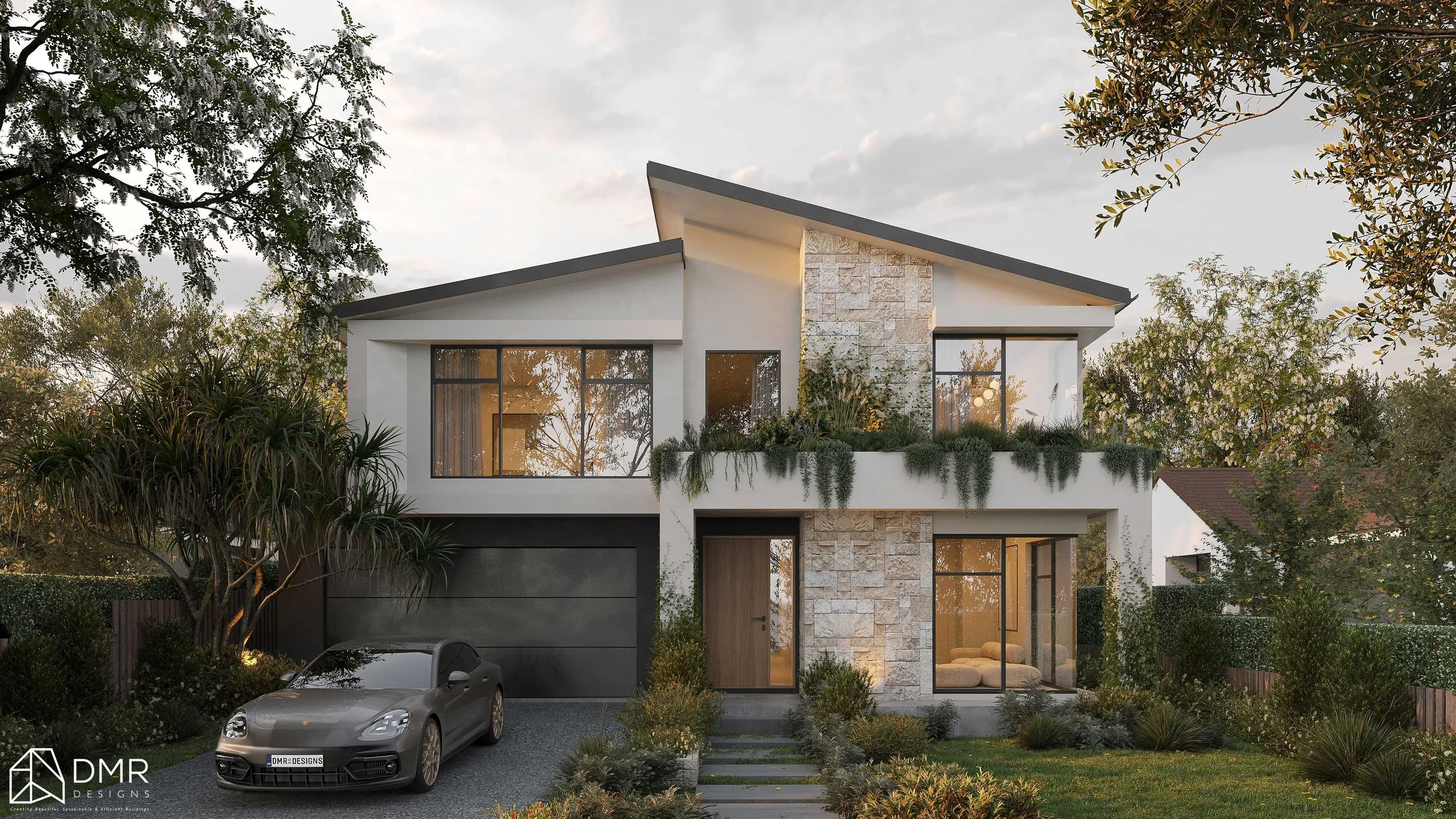
Internal Linings & Fit-Out
Now the home starts looking like a home.
This stage includes:
Insulation installation
Plasterboard and internal linings
Waterproofing to wet areas
Cabinetry installation
Tiling and flooring
Internal doors and trims
Painting
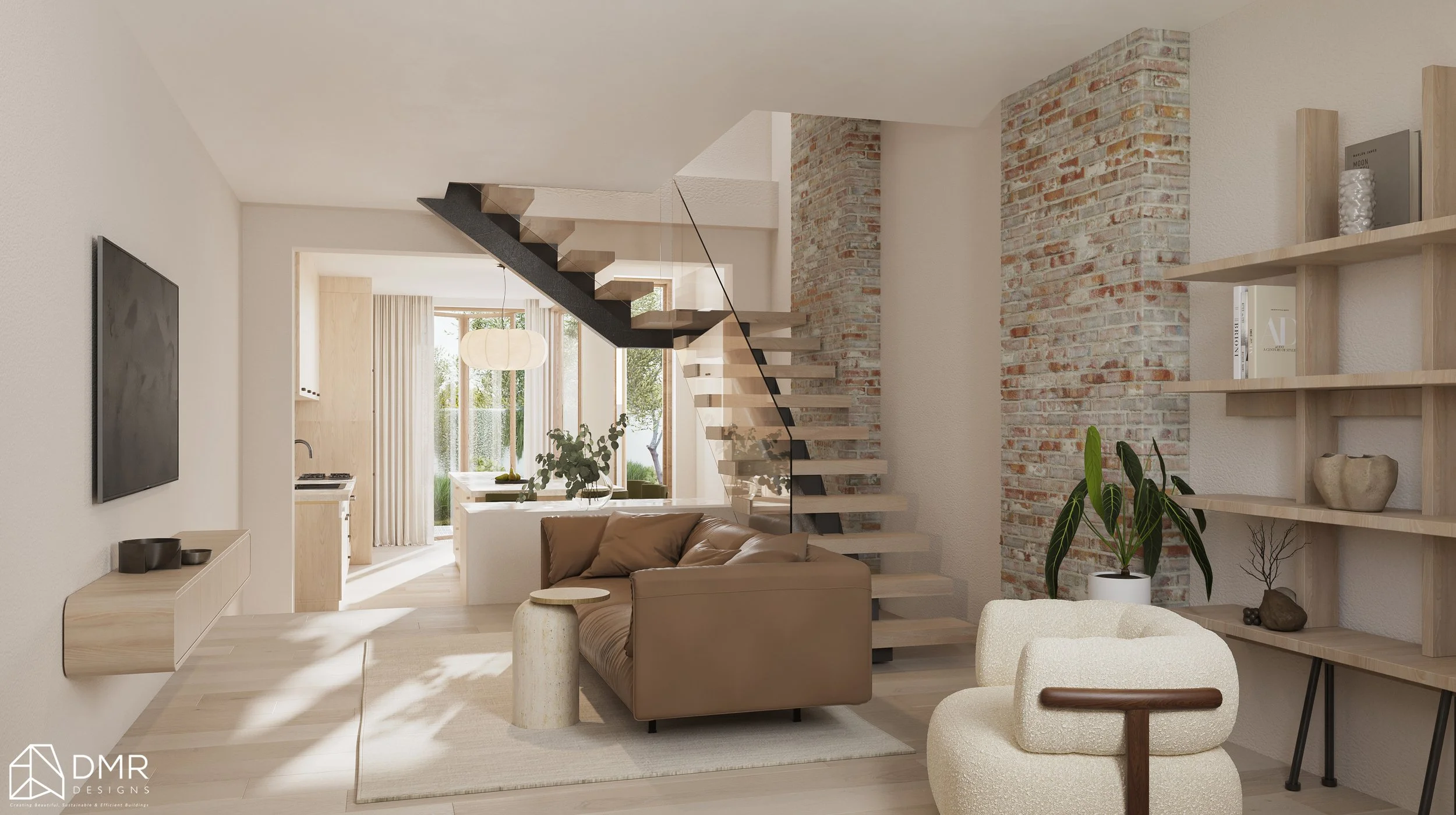
Detail and craftsmanship matter most here. This is where the design vision truly comes to life.
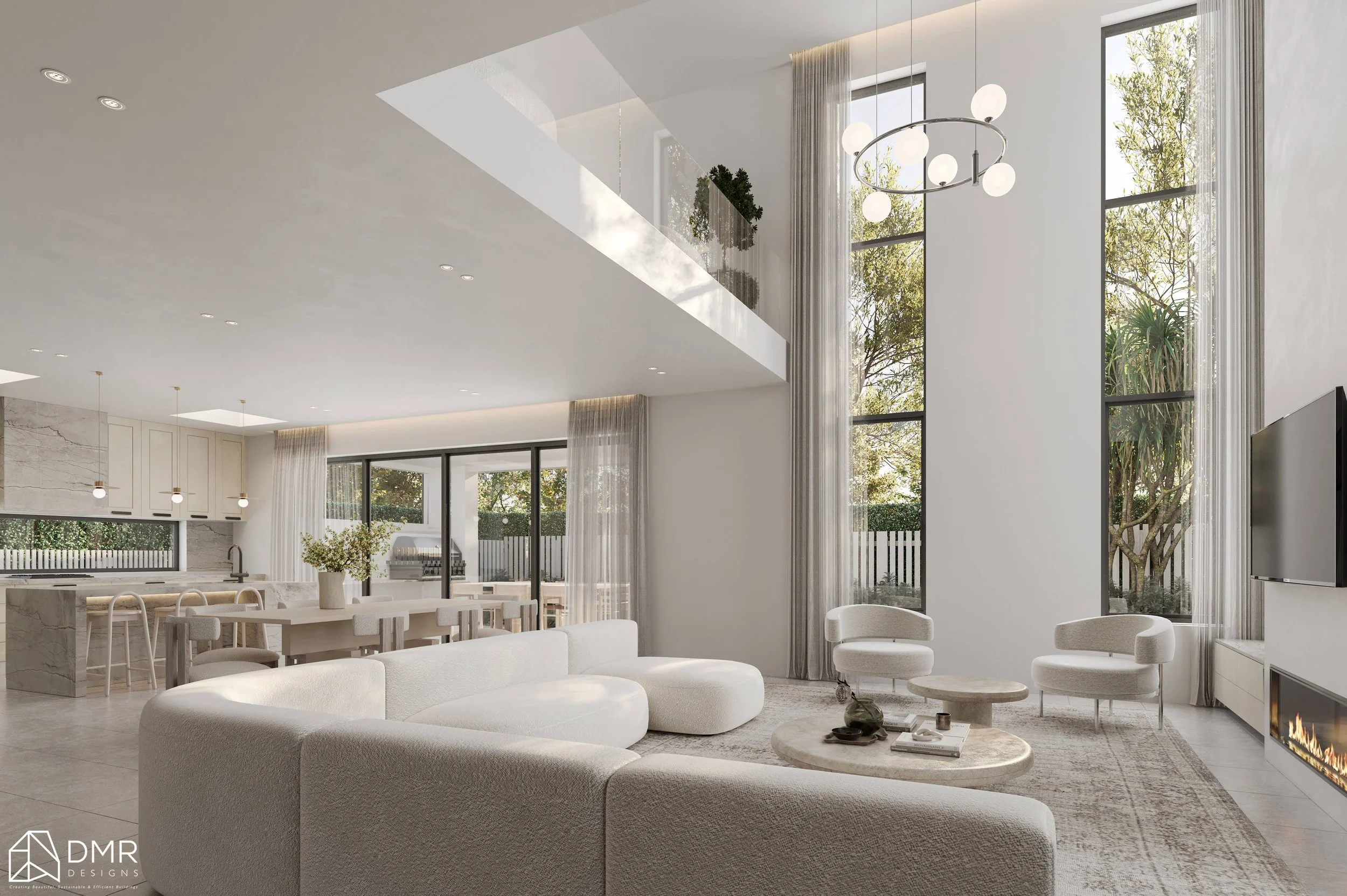
Practical Completion & Handover
The final stage involves:
Fixtures and fittings installation
Final electrical and plumbing connections
Cleaning
Quality checks and defect inspections
Occupation Certificate (if required)
A final walkthrough is conducted before handover. Any minor touch-ups are addressed, and you receive keys to your new home.
What Homeowners Should Expect During Construction
Construction sites are dynamic environments. There will be:
Noise and heavy machinery
Regular inspections
Scheduled trade visits
Weather-related adjustments
Ongoing communication between builder and designer
At DMR Designs, our detailed documentation and coordinated drawings help ensure a smoother construction process — reducing ambiguity and costly variations.
Final Thoughts
Once plans are approved, your project moves through a structured sequence — from site preparation and foundations through framing, lock-up, services, fit-out, and finally handover. Each stage builds upon the last, with inspections and quality controls along the way to ensure safety, compliance, and long-term durability.
Understanding this process helps remove uncertainty and gives homeowners clarity during what can otherwise feel overwhelming. When design documentation is thorough and considered from the beginning, the construction journey becomes far more predictable and efficient.
If you're preparing for a build or planning your next project, having the right team behind your plans makes all the difference.
Ready to Take the Next Step?
If you're planning to build, renovate, or extend, the clarity of your documentation will directly impact how smoothly your project runs on site.
At DMR Designs, we create detailed, construction-ready plans that help reduce delays, minimise variations, and give you confidence from approval through to handover.
Let’s turn your vision into a well-documented, build-ready reality.