

Shape, structure, and planning before finishes
When people think about building or renovating, cost concerns often focus on finishes — tiles, tapware, cabinetry, and paint colours. While these elements do contribute to the final budget, they’re not where the biggest financial wins (or losses) happen.
The reality is this: the most critical cost decisions are made long before finishes are even considered. They happen in the early design phase — through the shape of the home, structural planning, and how spaces are arranged.
Getting these right from the start can mean the difference between a well-managed budget and unexpected blowouts.
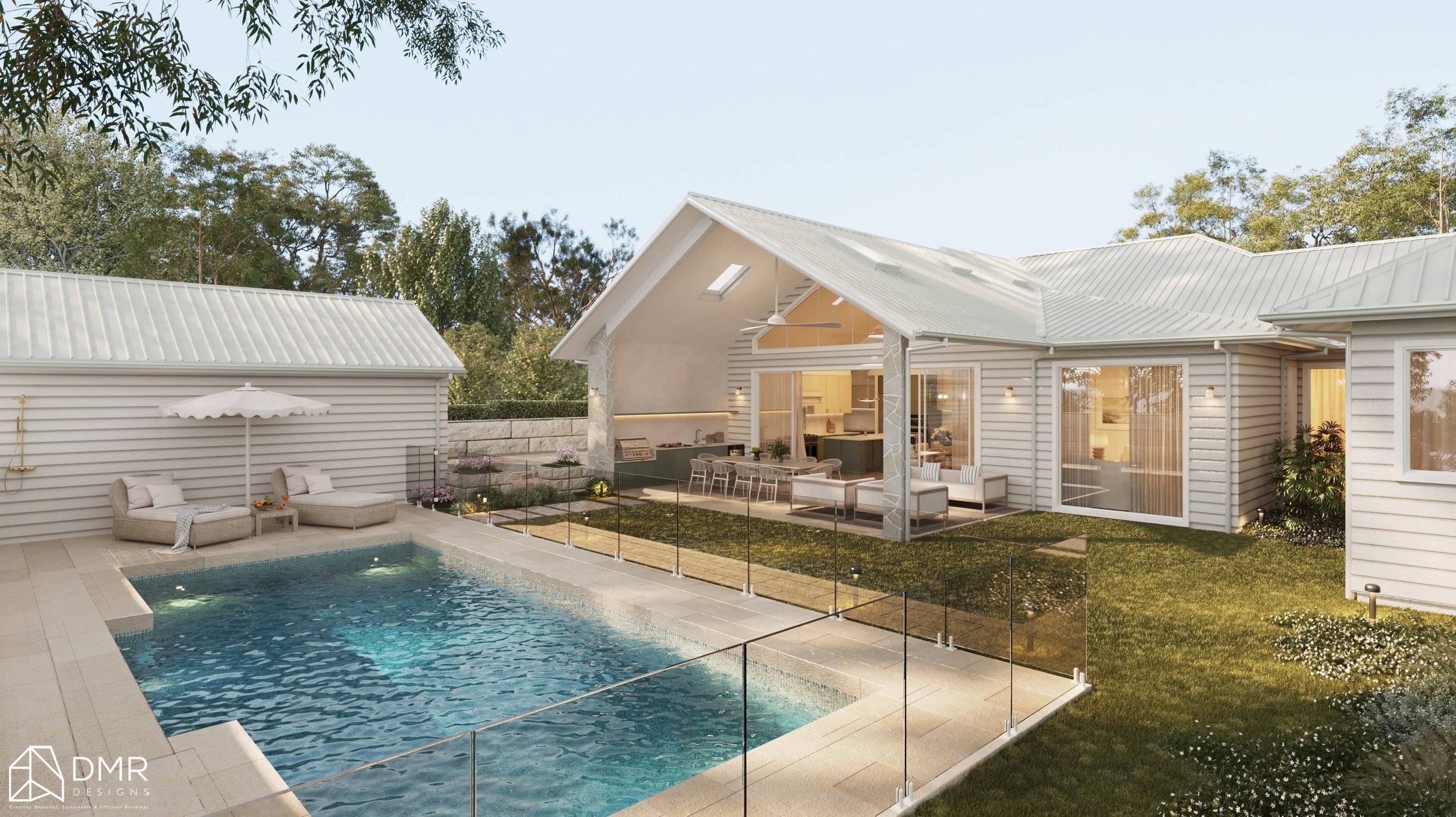
1. The Shape of the Home Drives Construction Cost
One of the biggest cost influencers is something many clients overlook: the overall form of the building.
Simple, well-resolved shapes are significantly more cost-effective to build. Every additional corner, junction, or complex roofline increases labour, materials, and construction time.
A clean, efficient layout:
Reduces structural complexity
Simplifies roofing and drainage
Minimises material waste
Speeds up construction
On the other hand, highly articulated designs — while visually interesting — can quickly drive costs up without necessarily improving liveability.
Good design isn’t about making things complicated — it’s about making them work smarter.

2. Structural Decisions Set the Budget Framework
Before finishes come into play, the structural system already defines a large portion of your build cost.
Key early decisions include:
Slab vs suspended floors
Steel vs timber framing
Span lengths and load-bearing walls
Double-storey vs single-storey configurations
For example, wide open-plan spaces often require larger structural members or steel beams, which can significantly increase costs. That doesn’t mean open-plan living isn’t achievable — it just needs to be designed intelligently to balance structure and budget.
Once structural decisions are locked in, there’s limited flexibility to reduce costs later without redesigning.

3. Smart Planning Reduces Wasted Space
Efficient space planning is one of the most powerful ways to control costs without sacrificing quality.
Poor planning leads to:
Oversized or underutilised areas
Inefficient circulation (hallways, dead zones)
Increased floor area (and therefore higher build cost per m²)
Thoughtful layouts focus on:
Multi-functional spaces
Logical flow between rooms
Maximising usable living areas
A well-designed 180m² home can feel more spacious and functional than a poorly planned 220m² one — at a significantly lower cost.

4. Site Response Impacts Construction Complexity
Designing in response to the site is another early decision that directly affects cost.
Factors like:
Slope and topography
Soil conditions
Orientation
Access constraints
…can all influence excavation, retaining walls, drainage, and structural requirements.
Designing with the site — rather than against it — helps minimise unnecessary construction challenges and costs.

5. Changes Later Are Always More Expensive
One of the most important truths in residential design:
changes become more expensive the later they happen.
Adjusting finishes late in the process might have a minor cost impact.
Changing structure, layout, or form? That can mean:
Redesign fees
Engineering revisions
Delays in approvals
Increased construction costs
Early clarity leads to smoother delivery — both financially and operationally.

The Takeaway
Finishes can elevate a home — but they don’t define the budget.
Shape, structure, and planning are where the real cost decisions happen.
Investing time and expertise in the early design phase allows you to:
Align your vision with your budget
Avoid costly redesigns
Achieve a more efficient, buildable outcome
At DMR Designs, we focus on getting these fundamentals right from the start — because smart early decisions don’t just save money, they lead to better homes.
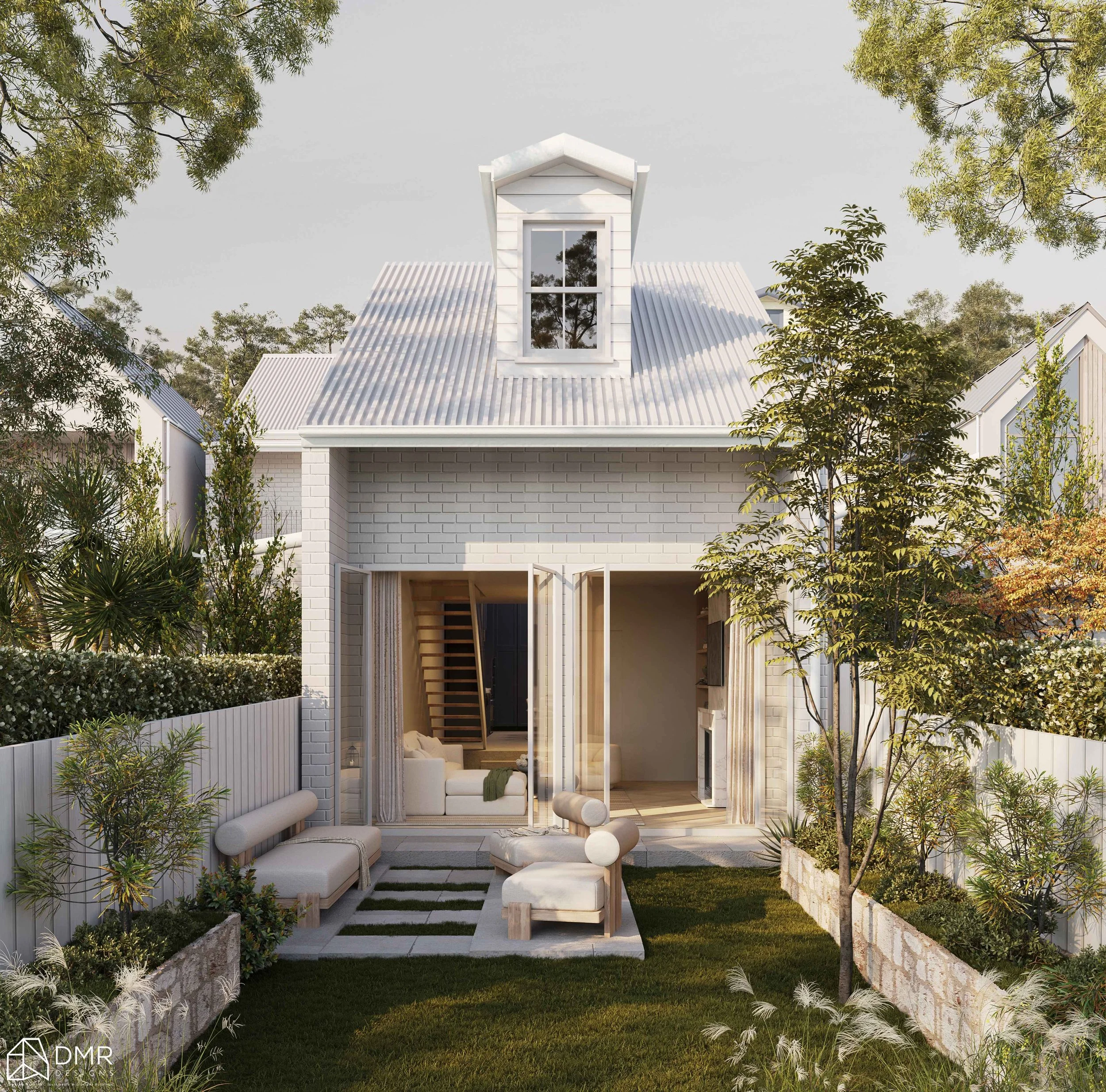
Thinking about your next project?
The decisions made early in the design stage will shape your home’s layout, build cost, and overall outcome.
At DMR Designs, we focus on getting the fundamentals right from the start — aligning your vision with your budget to create a design that’s both practical and buildable.
Let’s make the early decisions count and set your project up the right way.