Home Design

Designing Homes: Roles of Building Designers, Architects & Draftsmen

Designing Homes: Roles of Building Designers, Architects, & Draftsmen

Designing a home involves a collaborative effort among professionals who bring unique skills and expertise to the table. Whether you're envisioning a modern masterpiece, a cozy family retreat, or a sustainable home, understanding the roles of architects, building designers, and draftsmen can help you navigate the design process effectively. Each plays a crucial role in transforming ideas into architectural reality, yet their responsibilities and qualifications vary.

Building Designers: Tailoring Solutions to Client Needs

Building designers specialize in creating functional and visually appealing designs tailored to clients' specific requirements and preferences. While they may not always hold the same level of licensure as architects, building designers offer valuable expertise in residential design:

  • Customization: Building designers develop detailed floor plans, layouts, and interior designs that reflect clients' lifestyles and preferences.

  • Budget Management: They work within budget constraints while optimizing design elements and material selections.

  • Technical Expertise: Building designers ensure that designs meet structural requirements and adhere to building codes and regulations.

  • Collaboration: They collaborate closely with clients, architects, engineers, and contractors to refine designs and ensure smooth project execution.

Building designers excel in creating practical yet innovative solutions for residential projects, focusing on efficiency and cost-effectiveness.

Architects: Crafting Vision and Functionality

Architects are licensed professionals with extensive education and training in architectural design, building codes, and project management. They bring a holistic approach to home design, focusing on both aesthetics and functionality. Here’s what architects typically handle:

  • Conceptualization: Architects translate clients' ideas and requirements into architectural concepts that embody their vision.

  • Design Development: They create detailed plans, elevations, and 3D models that integrate structural integrity, environmental sustainability, and aesthetic appeal.

  • Regulatory Compliance: Architects make sure that their designs meet the requirements of local building codes, zoning laws, and environmental guidelines.

  • Project Oversight: From initial sketches to construction completion, architects oversee the entire design process, collaborating closely with clients, engineers, and contractors.

Architects are often sought out for complex projects that demand innovative solutions and a comprehensive grasp of architectural principles.

Draftsmen: Precision in Technical Detailing

Draftsmen, or architectural drafters, play a vital role in translating conceptual designs into technical drawings and construction documents. While they may work under the supervision of architects or building designers, their responsibilities include:

  • Technical Drawings: Draftsmen create detailed architectural plans, elevations, and sections using computer-aided design (CAD) software.

  • Documentation: They document design changes, annotations, and specifications for construction purposes.

  • Coordination: Draftsmen collaborate with architects, engineers, and contractors to ensure that drawings accurately reflect design intent and comply with technical standards.

Draftsmen contribute essential technical skills to the design process, ensuring that plans are clear, precise, and ready for construction.

Choosing the Right Professional for Your Project

Selecting the right professional for your home design project depends on various factors, including the complexity of the design, your budget, and personal preferences. Architects bring a comprehensive understanding of design principles and project management, making them ideal for intricate projects requiring creative solutions and regulatory compliance. Building designers offer specialized expertise in residential design, focusing on customization and practicality within budget constraints. Draftsmen provide technical detailing and documentation support, ensuring accuracy and clarity in construction documents.

Conclusion

In summary, architects, building designers, and draftsmen each play distinct yet complementary roles in home design and construction. By understanding their roles and qualifications, homeowners can make informed decisions to achieve their vision of a dream home. Whether you prioritize innovative design, functional efficiency, or technical precision, partnering with the right professional will pave the way for a successful and satisfying home design experience.

Ready to embark on your home design journey? Contact DMR Designs today to explore our comprehensive design services tailored to meet your unique needs and aspirations.

Frequently Asked Questions, Options for Designing & Building.

Thinking about building or renovating? Picking the right design professional can feel overwhelming. Don't worry, this guide will help you navigate the options!

Do I need an architect?

Not always! Architects excel at big, intricate projects. They bring creative ideas and super detailed plans to the table. Building designers are a good choice for various projects, from new builds to renovations, residential or commercial. They can also contribute to the design phase of larger projects.

Architect vs. Building Designer: What's the difference?

It boils down to qualifications. Architects need a nationwide license to practice. Building designers require licenses too, but specifics vary by state/territory (often requiring annual renewal).

Who can create building plans?

Draftspeople and building designers can handle plans for smaller to medium-sized projects. Architects are the go-to for larger, more complex situations.

Choosing the right pro:

Think about your project's size, complexity, and your specific design needs. Research the qualifications and expertise each professional offers.

Cost considerations:

Architects typically cost more due to their advanced training and experience, especially for large projects. However, their expertise can be worth the investment for complex builds.

Who signs off on the plans?

Licensed building designers can sign off on documents within their licensed category. Be sure to check the specific requirements in your state or territory.

Building Designer's Role:

Building designers get involved early on. They'll provide valuable insights, prepare all the necessary documents, and make sure the design meets both your vision and building regulations. They'll work closely with you to achieve your dream project.

Box Hill Hampton Dream Home Design Case Study

Project Name: Project Driftwood

Client Name: Glen & Hayley

Location: Box Hill

Project Scope: Design and Construction of a New Two Story Custom Home / Pool

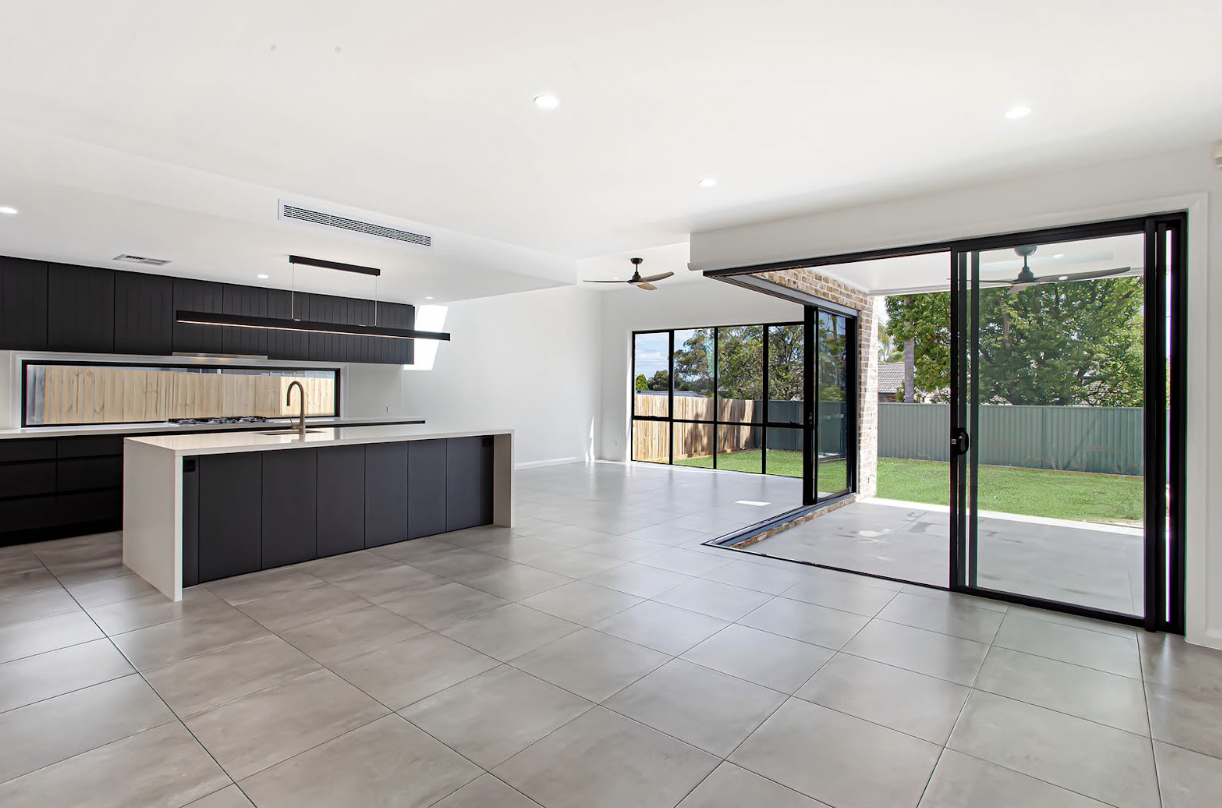
Design Solution: Introducing a contemporary two-story Hampton residence boasting four bedrooms and three bathrooms. The layout embraces an open floor plan seamlessly connecting to the alfresco area and a refreshing plunge pool. Highlighting a generously sized kitchen with an island and stainless steel appliances, alongside a roomy dining and family space, the home also offers a dedicated media room and an exclusive master suite on the upper level. The additional upstairs bedrooms ensure privacy, cleverly positioned away from the master suite. The exterior showcases a blend of James Hardie cladding, Rendered Brick, and timber elements, imparting a crisp and refreshing Hampton aesthetic.

Construction: Utilising cutting-edge sustainable materials and technologies, the home has achieved commendable ratings in both the Basix and Nathers certification schemes. Remarkable eco-friendly features include solar panels, a rainwater tank, and energy-efficient appliances. The construction phase was efficiently completed within budget constraints, culminating in a span of 11 months.

Results: Glen & Hayley are ecstatic about their new residence, which surpasses all expectations. Carefully designed for their growing family, the home boasts modern aesthetics, expansive living spaces, and a range of sustainable attributes. Friends and family alike are impressed by the home's blend of beauty and functionality.

Testimonials: “DMR Designs understand the lifestyle needs of the modern day home. We were lucky enough to have Daniel custom design us a home that completely reflects our future living requirements and feels incredibly unique. Daniel's communication is timely, detailed and offers a high level of service to clients. Highly recommend DMR to help design the home of your dreams.” - Hayley.T

DMR Designs Hampton Box Hill House 2.JPG
DMR Designs Hampton Box Hill House 7.jpg
DMR Designs Hampton Box Hill House 3.JPG
DMR Designs Hampton Box Hill House 6.jpg
DMR Designs Hampton Box Hill House 1.JPG

At DMR we offer services to help with your building design goals. We help clients with their custom building design, renovations, approval assistance, residential drafting, interior design + more. We provide our service throughout Sydney Australia. If you are interested to learn more please feel free to book a discovery call by clicking the button below.

Kings Langley Dream Home Design Case Study

Project Name: Project Knight

Client Name: Pavel & Renae

Location: Kings Langley 

Project Scope: Design and Construction of a New Two Story Custom Home / Pool

Design Solution: A two-story modern home with four bedrooms and four bathrooms, featuring an open floor plan that flows onto the alfresco area and pool. The home has a large kitchen with island and stainless steel appliances, a spacious dining and family room with fireplace, a separate media room and gym, and a private master suite upstairs. The other bedrooms, study, and rumpus room also flow onto a private balcony at the rear of the home. The exterior features a mix of recycled brick, rendered brick, James Hardie cladding, and timber front and garage doors, giving it a clean and contemporary look.

Construction: The home was built using the latest sustainable materials and technologies, achieving high ratings in both the Basix and Nathers certification schemes. It features solar panels, a rainwater tank, and energy-efficient appliances. The construction process was completed on budget in 14 months.

Results: Pavel and Renae are overjoyed with their new home. It exceeds all their expectations for a family of four, with modern design, spacious living areas, and sustainable features. Their friends and family are impressed with the home's beauty and functionality.

Testimonials: “Daniel from DMR Designs was able to produce plenty of options for our design brief so we could build our dream home. He works mobile and at a fast turnaround. We were very impressed with our experience and have no problems recommending him to others”

At DMR we offer services to help with your building design goals. We help clients with their custom building design, renovations, approval assistance, residential drafting, interior design + more. We provide our service throughout Sydney Australia. If you are interested to learn more please feel free to book a discovery call by clicking the button below.

How to write the best design brief for your dream home

How to write the best design brief for your dream home

Building your dream home is an exciting journey, but it can also be daunting. There are so many decisions to make, from the overall design aesthetic to the specific details of each room. One of the best ways to make the process easier and more efficient is to write a comprehensive design brief.

A design brief is a document that communicates your vision for your dream home to your architect or building designer. It should include information about your lifestyle and needs, your budget and timeline, your must-haves and nice-to-haves, and your desired design aesthetic.

Writing a detailed design brief is essential for ensuring that your dream home is everything you've ever wanted and more. Here are 15 tips to help you write the best design brief possible:

1. Understand the purpose of a design brief

The purpose of a design brief is to communicate your vision for your dream home to your architect or building designer in a clear and concise way. It is a tool that helps them to understand your needs, requirements, and budget. A well-written design brief will save you time and money in the long run, as it will help to ensure that your home is designed and built to your exact specifications.

2. Start by thinking about your lifestyle and needs

What kind of home do you need to support your daily routine? How many bedrooms and bathrooms do you need? Do you have any special requirements, such as a home office or a wheelchair-accessible design?

Consider how you use your current home and what you like and dislike about it. This will help you to identify the features that are important to you in your new home.

3. Consider your budget and timeline

How much money can you afford to spend on your new home? How long do you need the project to take?

It is important to be realistic about your budget and timeline, and to communicate these constraints to your architect or building designer.

4. Make a list of your must-haves and nice-to-haves

Once you have considered your lifestyle, needs, budget, and timeline, make a list of your must-haves and nice-to-haves. This will help you to prioritize your requirements.

Your must-haves are the features that are essential to your dream home. Your nice-to-haves are features that you would like to have, but that are not essential.

5. Think about the overall design aesthetic you want to achieve

Do you prefer a modern or traditional style? Do you want a bright and airy home or a cozy and intimate space? Consider the colors, materials, and finishes you like, and share these ideas with your architect or building designer.

You can create a mood board to help you to visualize the overall design aesthetic you want to achieve.

6. Be specific about your needs and wants

The more specific you can be in your design brief, the better. For example, instead of saying "I want a large kitchen," say "I want a kitchen with a large island, double ovens, and a walk-in pantry."

The more specific you are, the easier it will be for your architect or building designer to create a design that meets your needs.

7. Provide visual references

If you have any photos or sketches of homes or design elements that you like, share them with your architect or building designer. This will help them to understand your vision and create a design that meets your needs.

Visual references can be found in magazines, online, or even in your own home.

8. Get feedback from others

Once you have a draft of your design brief, ask your family, friends, and colleagues for feedback. This can help you to identify any areas that need improvement.

It is also a good idea to share your design brief with your architect or building designer early on in the process. They can provide you with feedback and help you to refine your brief.

9. Review and revise your design brief

Once you have received feedback from others, take some time to review and revise your design brief. Make sure that it is clear, concise, and complete.

Your design brief should be a living document that you can update as your needs and budget change.

10. Share your design brief with your architect or building designer

Once you are satisfied with your design brief, share it with your architect or building designer. This will give them a solid foundation to work from and help them to create a design that meets your needs and vision.

11. Be prepared to answer questions

Your architect or building designer may have questions about your design brief after they have reviewed it. Be prepared to answer these questions in as much detail as possible.


At DMR we offer services to help with your building design goals. We help clients with their custom building design, renovations, approval assistance, residential drafting, interior design + more. We provide our service throughout Sydney Australia. If you are interested to learn more please feel free to book a discovery call by clicking the button below.