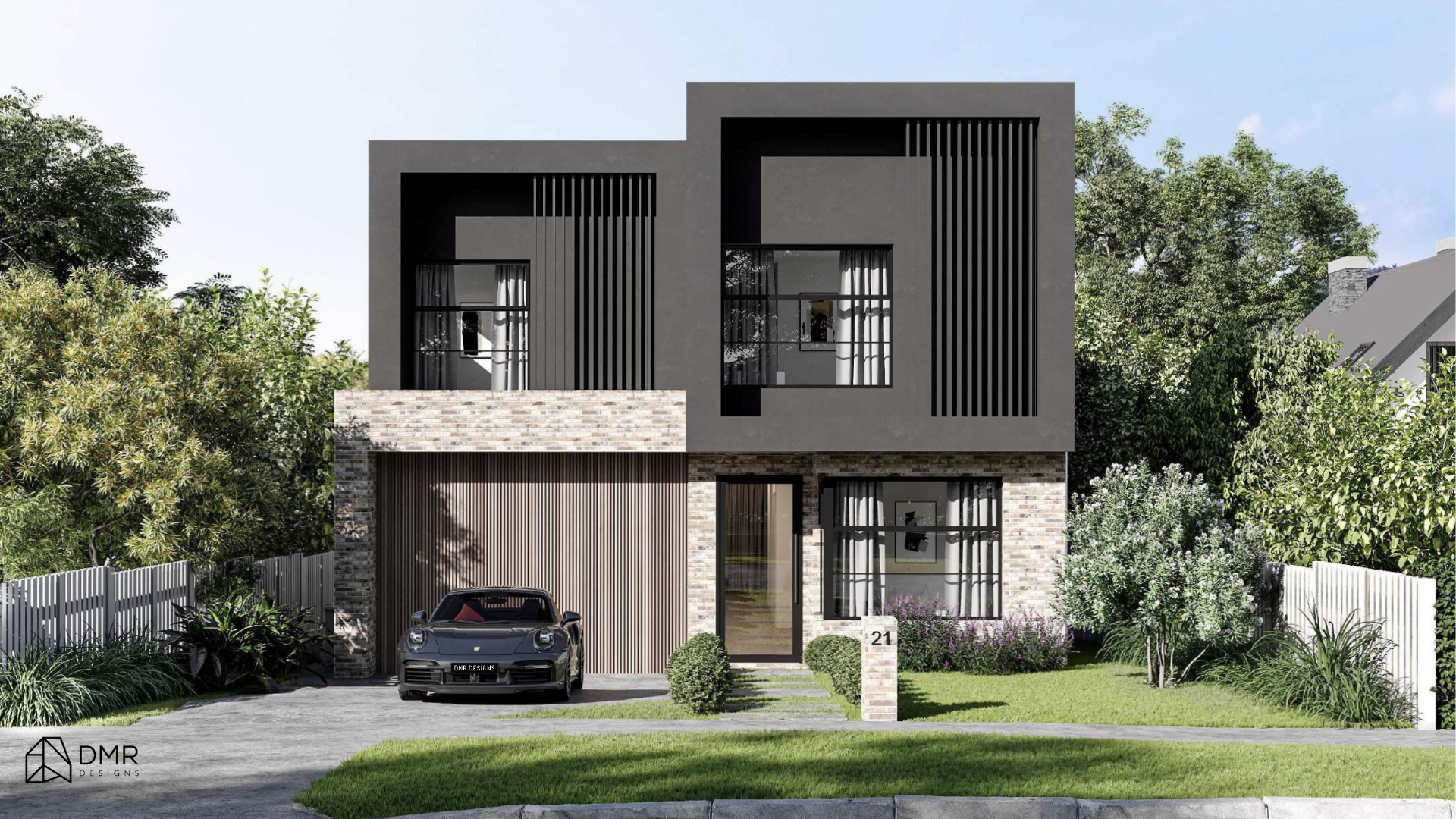
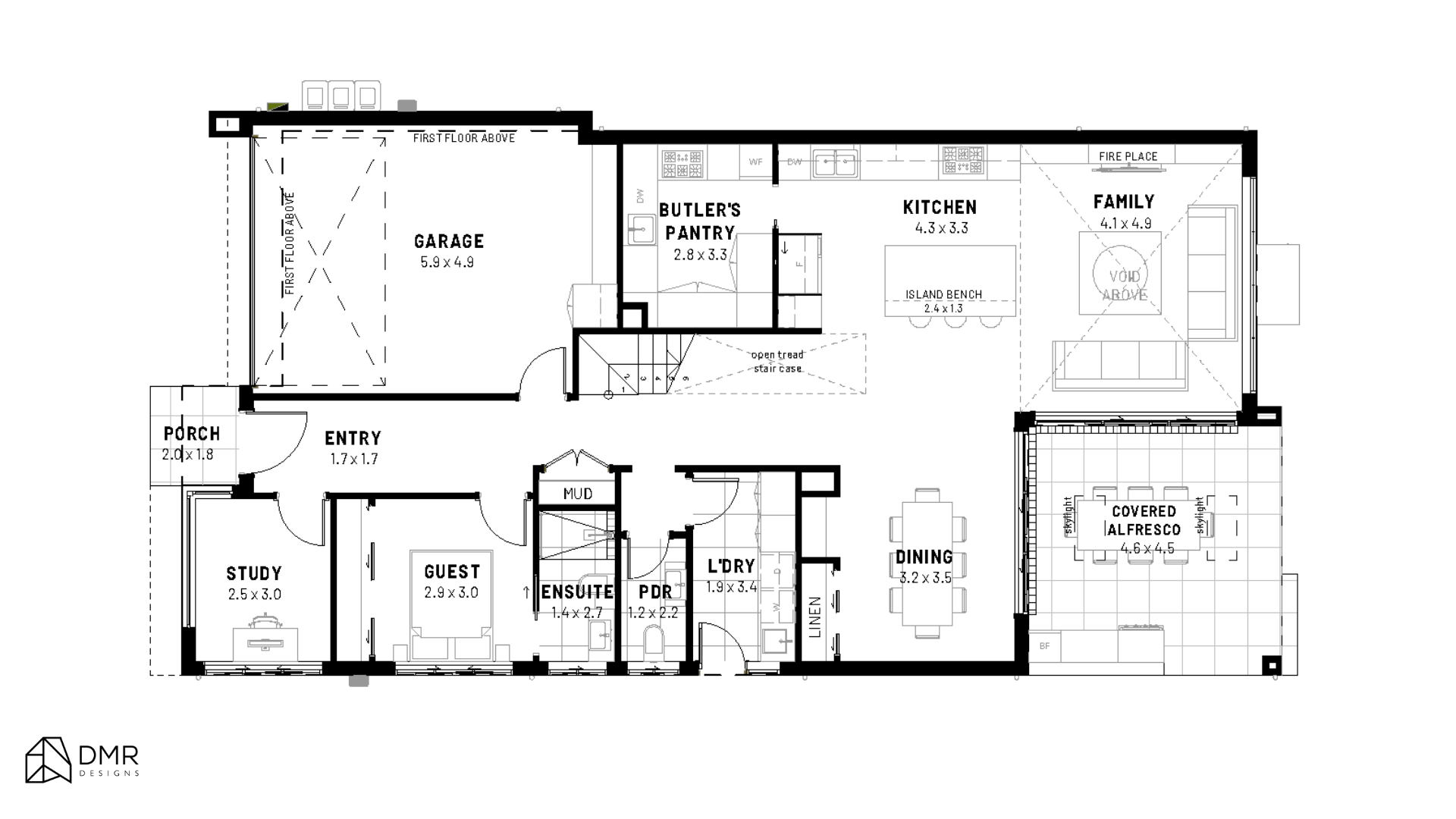
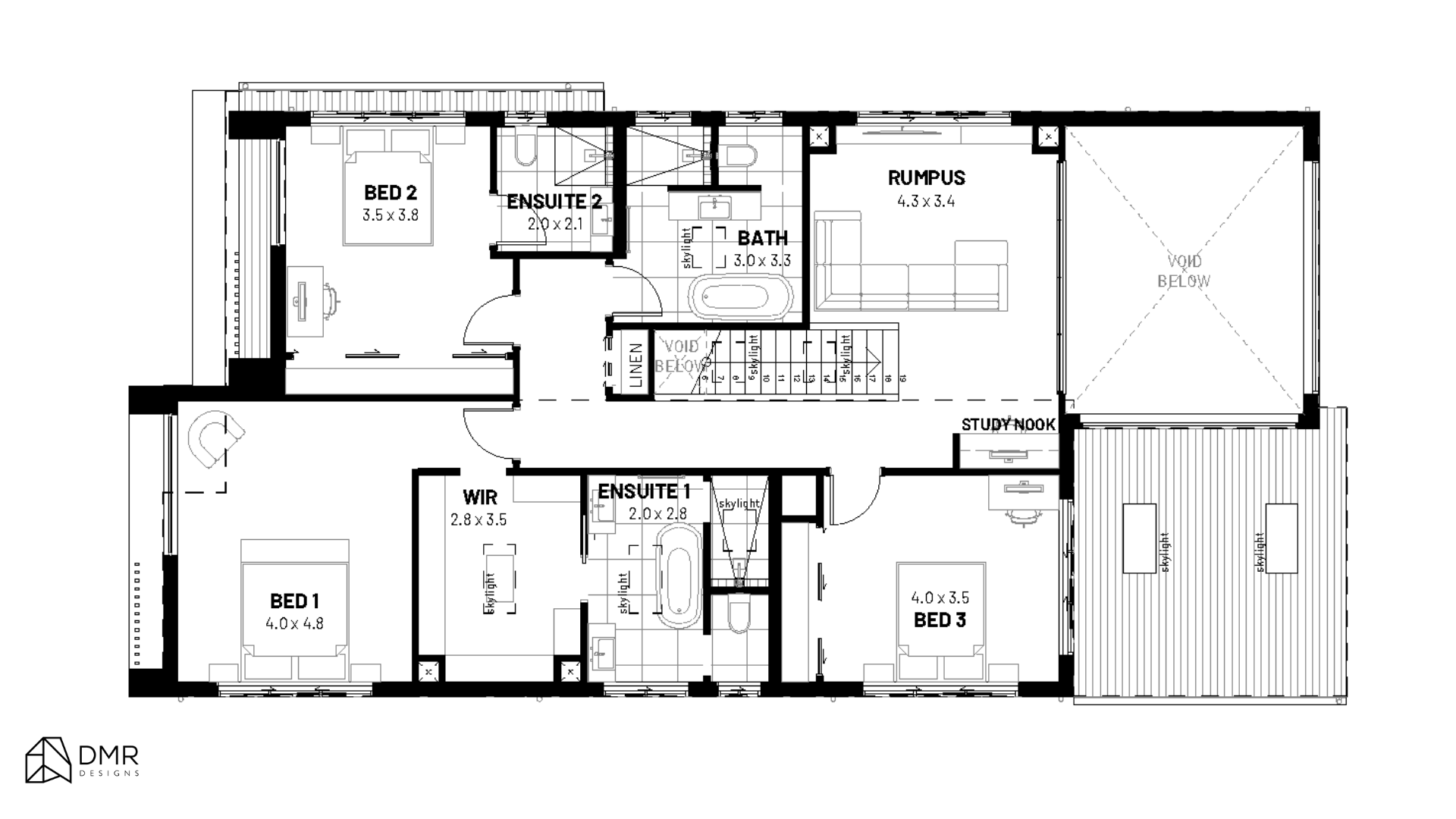
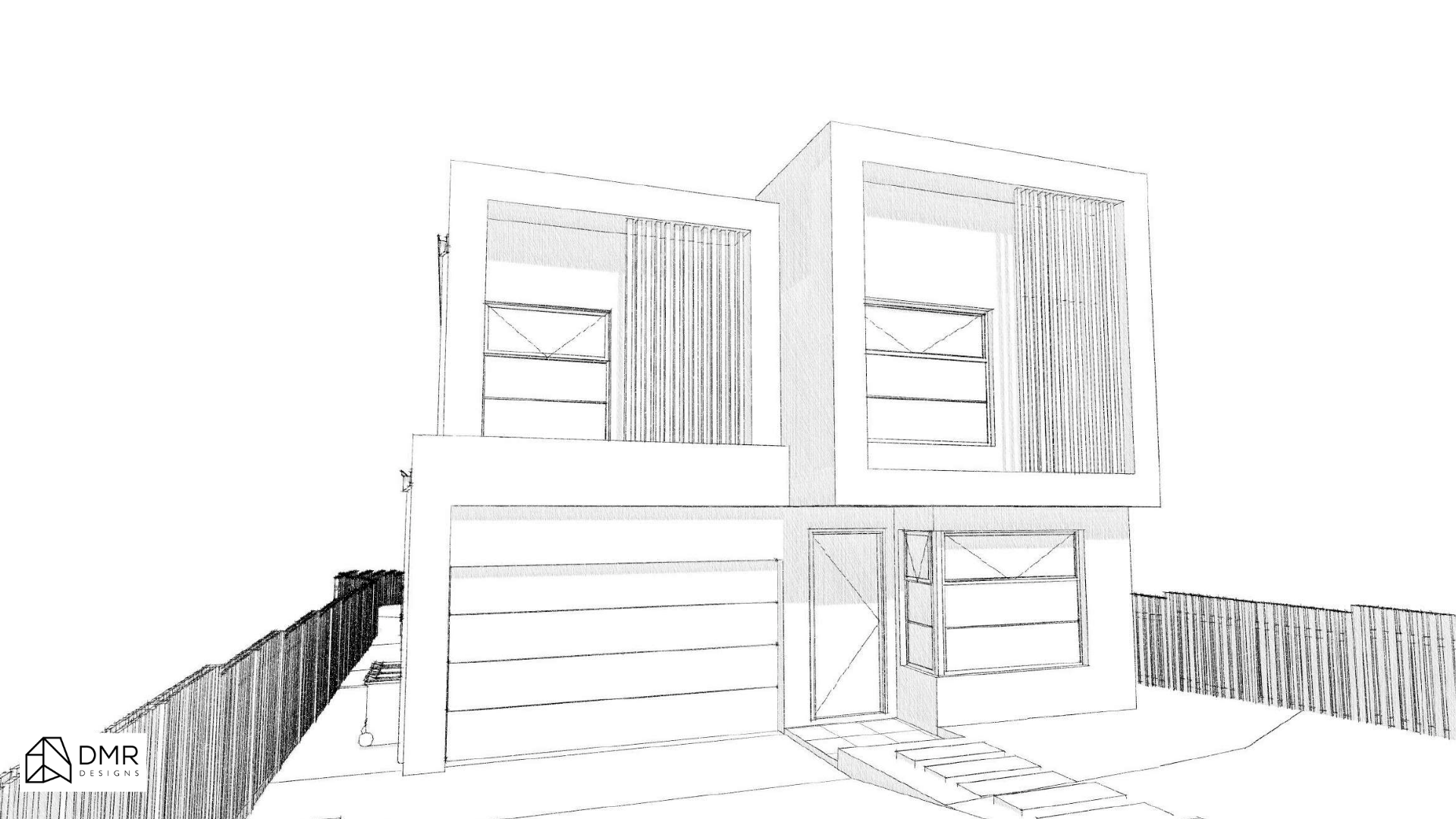
When designing a home, room orientation is one of those behind-the-scenes decisions that can make a huge difference to how a space feels day to day. Beyond aesthetics, the way each room is positioned affects natural light, thermal comfort, privacy, noise levels, and even long-term energy efficiency.
At DMR Designs, we consider room orientation early in the design process to ensure homes are not only beautiful, but practical and comfortable to live in. Here’s a simple guide to where each space should ideally face — and why it matters.
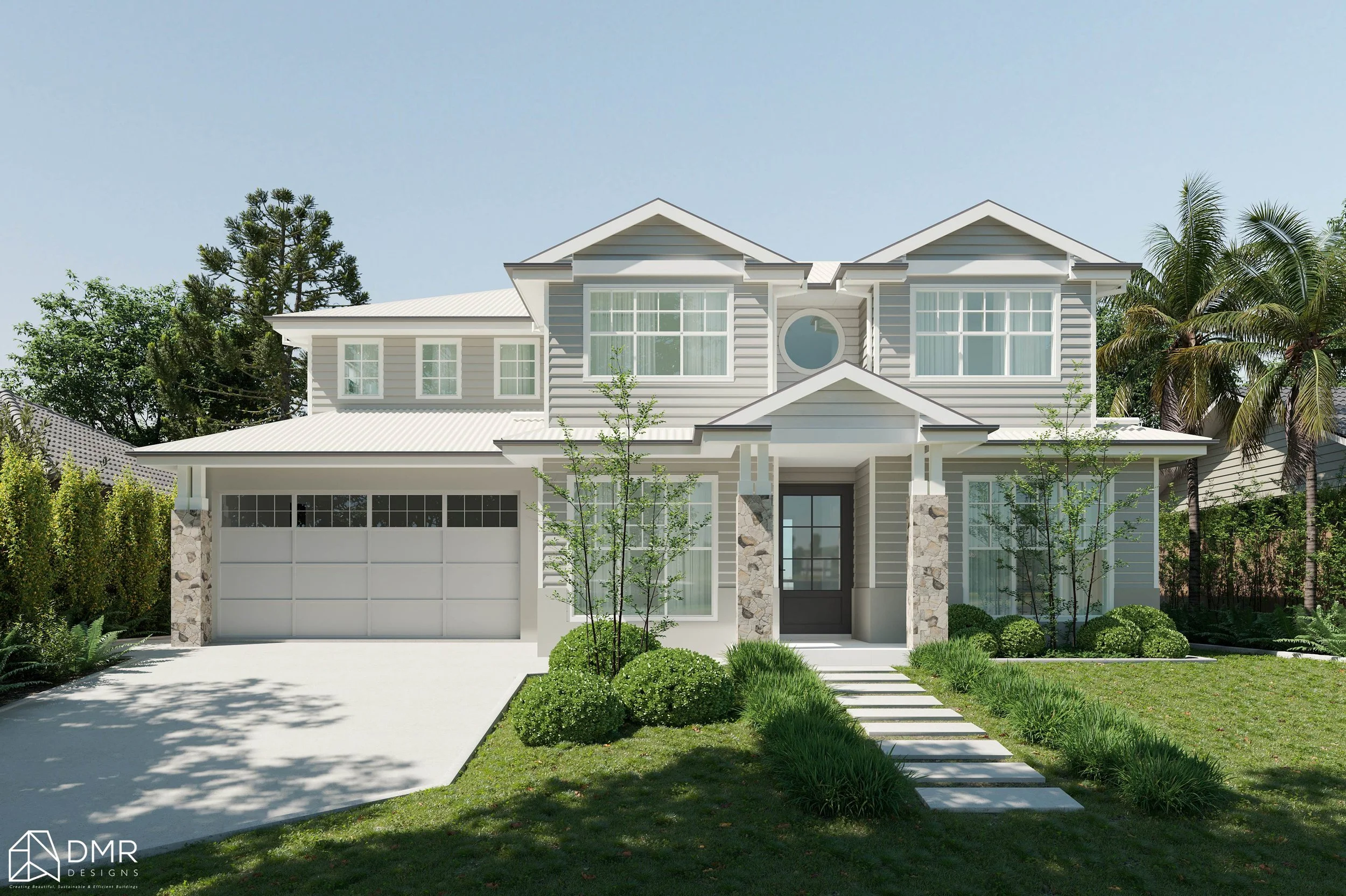
Understanding Sun Paths (The Big Picture)
In Australia, the sun rises in the east, tracks across the northern sky, and sets in the west. Northern-facing rooms receive the most consistent natural light throughout the year, while western sun can be harsh in the afternoon, especially in summer.
Good orientation uses this to your advantage — capturing warmth and light when you want it, and minimising heat and glare when you don’t.
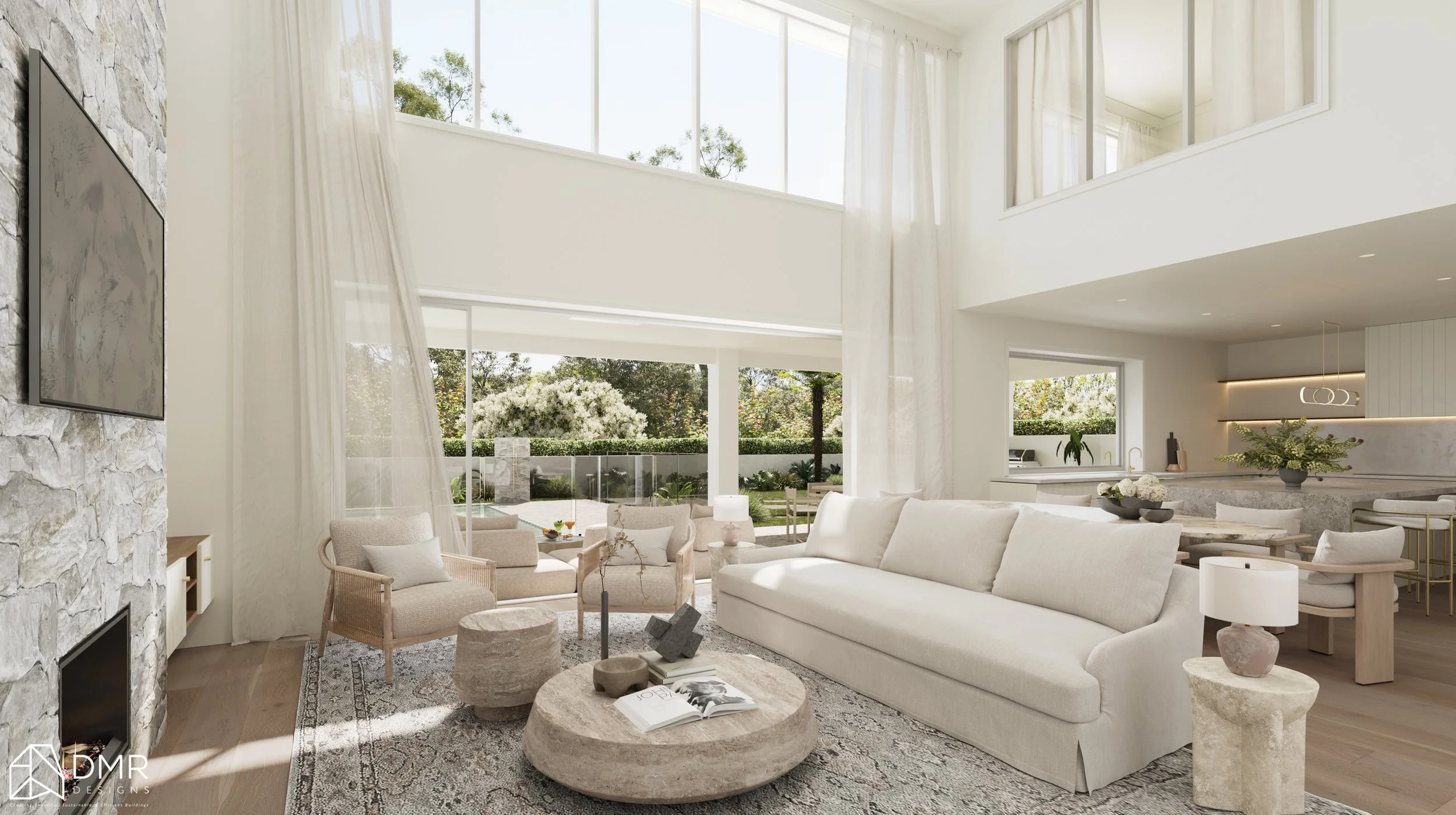
Living Areas: North is Best
Ideal orientation: North or North-East
Living rooms, family areas, and open-plan spaces benefit the most from northern light. This provides:
Consistent daylight throughout the day
Natural warmth in winter
Reduced reliance on artificial lighting
A north-east orientation is especially great for morning sun without overheating in the afternoon. With the right eaves or shading, these spaces stay bright and comfortable year-round.
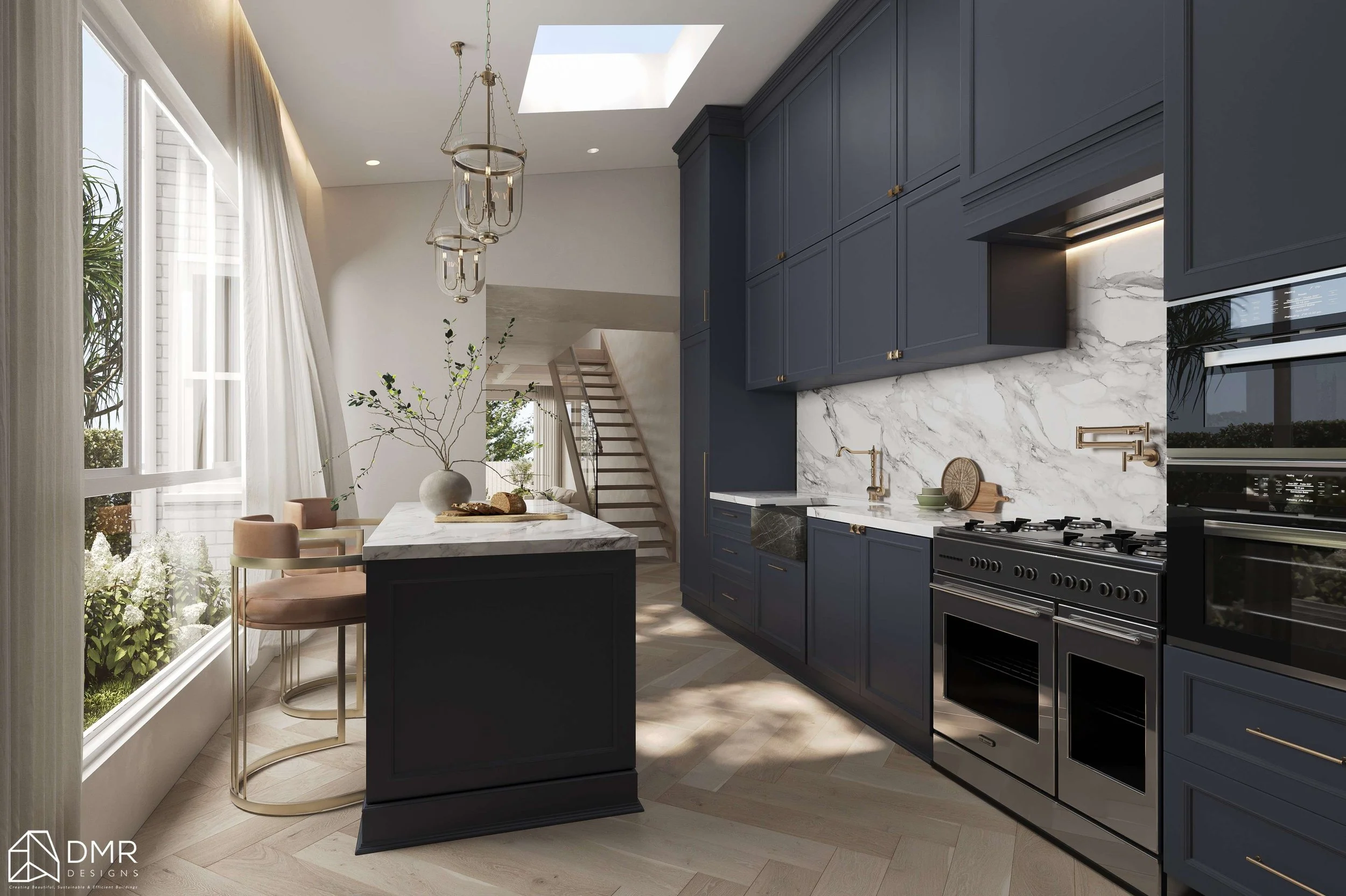
Kitchens & Dining: Bright but Balanced
Ideal orientation: North-East or East
Morning light works beautifully in kitchens and dining areas — making them feel fresh, welcoming, and functional during peak use times.
East-facing kitchens avoid harsh afternoon sun, while still providing good natural light for cooking and dining. If a kitchen must face west, smart shading and ventilation become essential to manage heat.
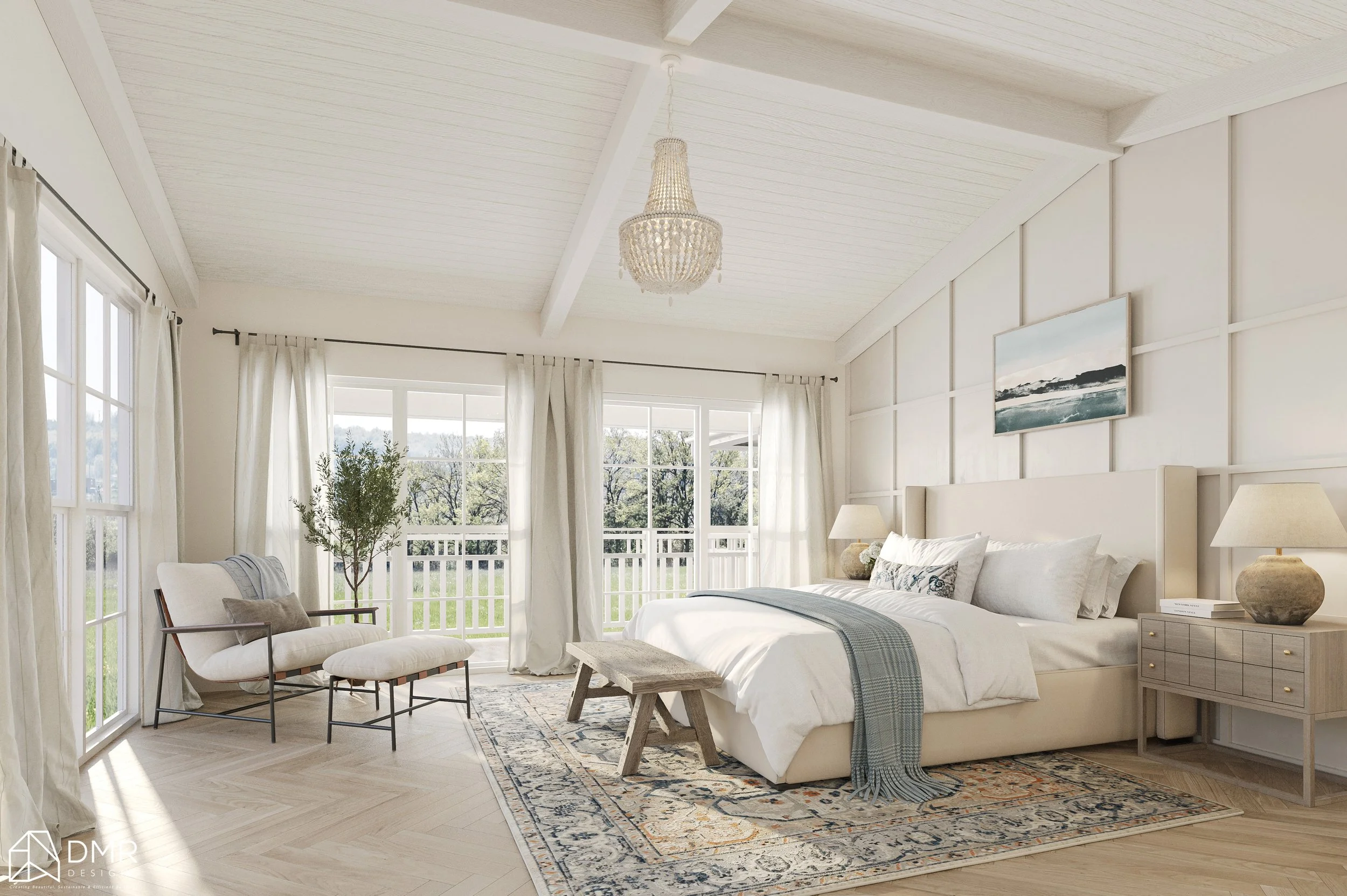
Bedrooms: Comfort, Privacy & Quiet
Ideal orientation: East or South-East
East-facing bedrooms enjoy gentle morning sun, helping you wake naturally without overheating later in the day. This orientation also supports better sleep, as rooms cool down faster in the evening.
South-facing bedrooms can work well too, particularly for:
Teen bedrooms
Guest rooms
Shift workers who sleep during the day
These rooms stay cooler and darker, improving comfort and privacy.
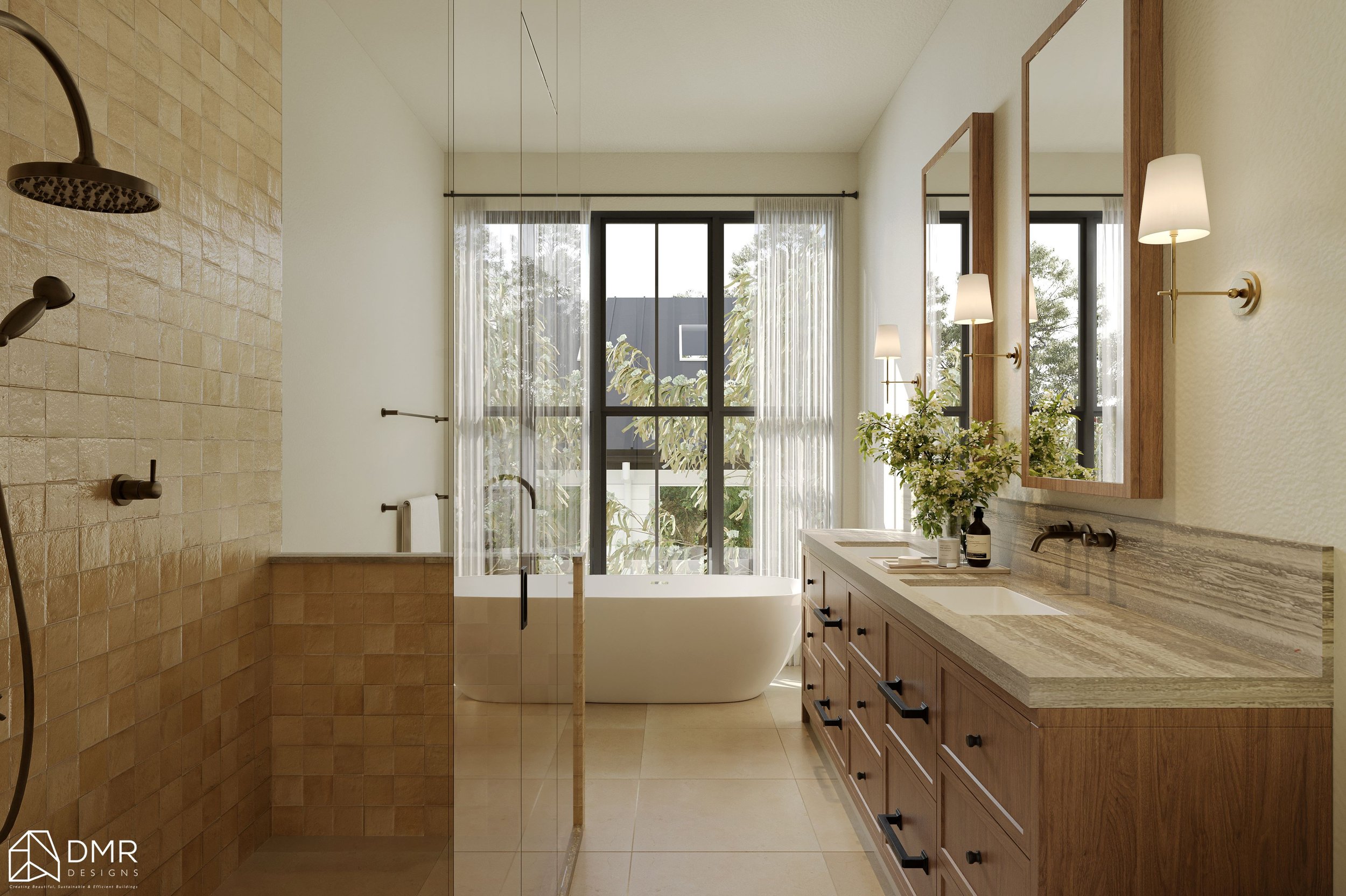
Bathrooms & Laundries: Flexible but Functional
Ideal orientation: South, East, or Internal
Bathrooms and laundries don’t require prime orientation, making them ideal buffers against heat or noise. South-facing bathrooms receive soft, even light without glare, while east-facing ones benefit from morning sun.
Good ventilation is key here — especially for internal bathrooms — to control moisture and improve comfort.
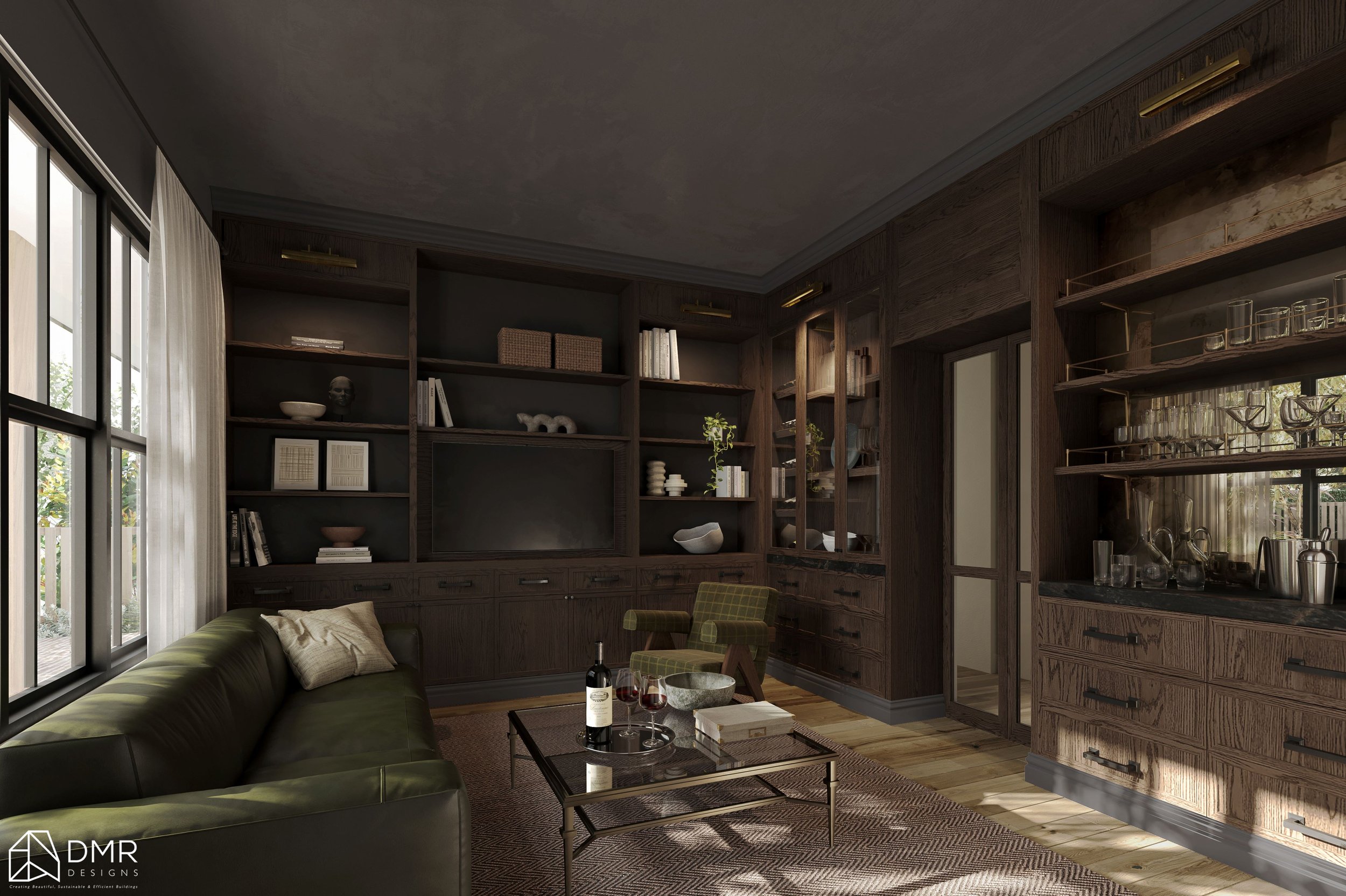
Home Offices & Study Spaces: Light Without Glare
Ideal orientation: East or South
For work-from-home spaces, balanced lighting is crucial. East-facing offices provide morning light without harsh afternoon glare, while south-facing rooms offer consistent, low-glare conditions — ideal for screen-based work.
This improves focus, reduces eye strain, and keeps temperatures stable throughout the day.

Garages & Utility Areas: Use Them as Buffers
Ideal orientation: West or Street-Facing
Garages, storage rooms, and utility areas are perfect for western or street-facing positions. They help:
Shield living spaces from afternoon heat
Act as noise buffers from roads or neighbours
Improve overall privacy for main living zones
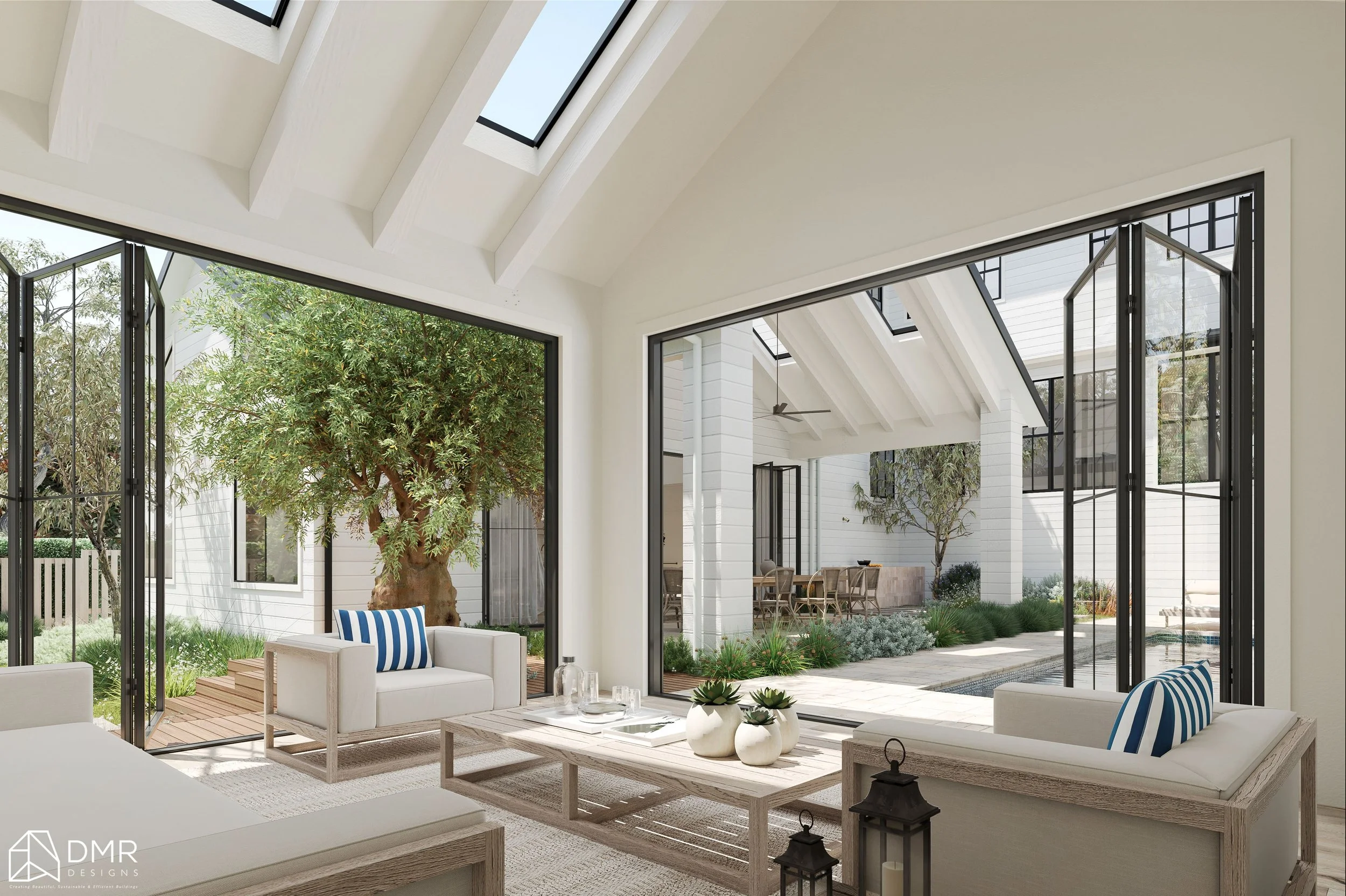
Privacy & Noise: Orientation Beyond the Sun
Orientation isn’t just about sunlight. We also consider:
Positioning bedrooms away from busy roads
Locating living areas toward private outdoor spaces
Using service rooms as acoustic buffers
Smart planning ensures quieter interiors and better separation between public and private zones of the home.
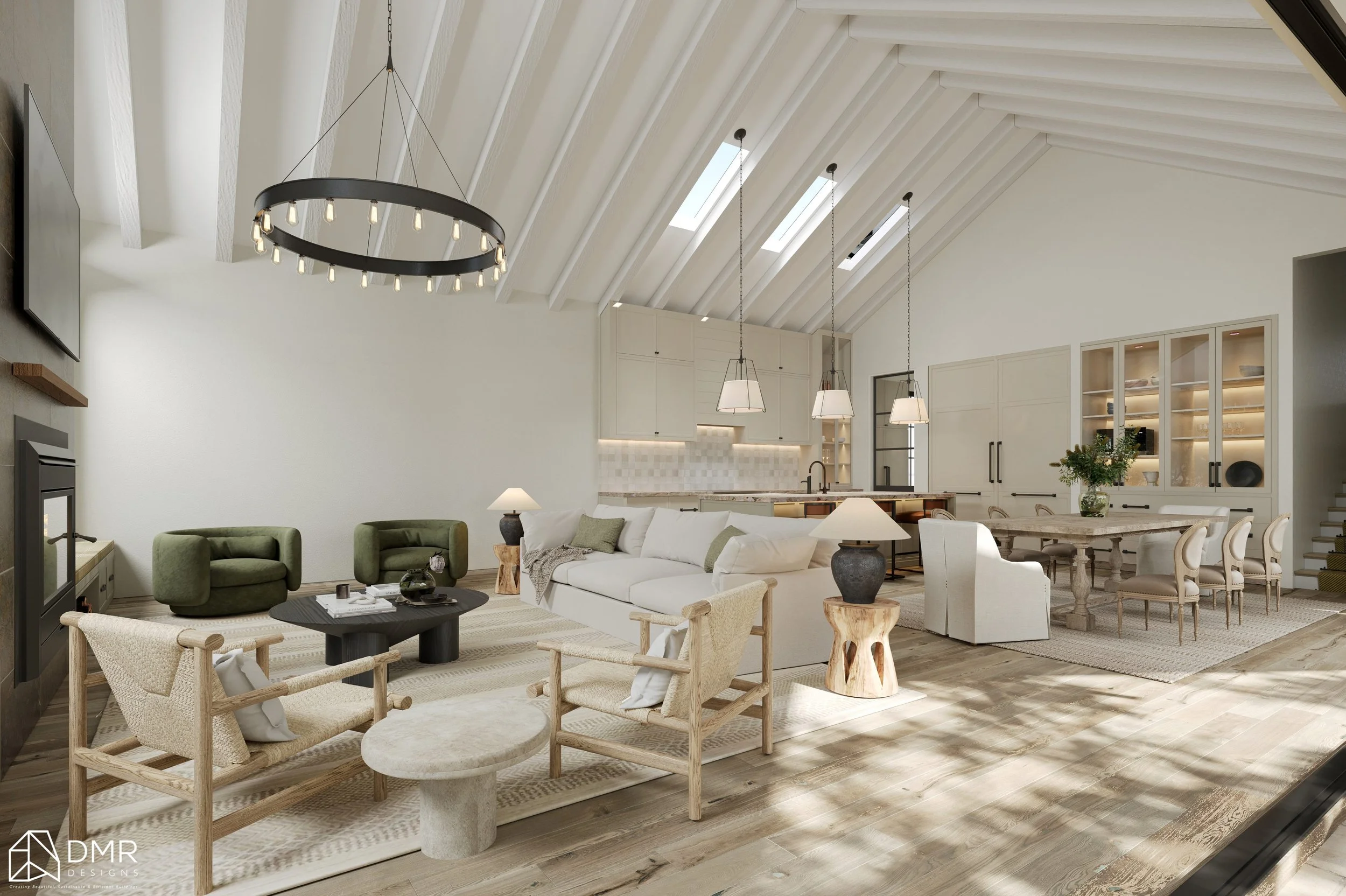
Why Room Orientation Matters
Thoughtful room orientation improves natural light, thermal comfort, privacy, and everyday livability — all while reducing energy costs. By understanding sun paths and site conditions, each room can be positioned to work with the environment, not against it.
At DMR Designs, we tailor every layout to the site, lifestyle, and long-term comfort of our clients — because good design starts with smart planning.
Ready to Design Smarter?
Whether you’re planning a new home, renovation, or secondary dwelling, our team at DMR Designs can help you create a layout that maximises comfort, efficiency, and lifestyle.
Get in touch with DMR Designs today to start designing a home that truly works for you.