
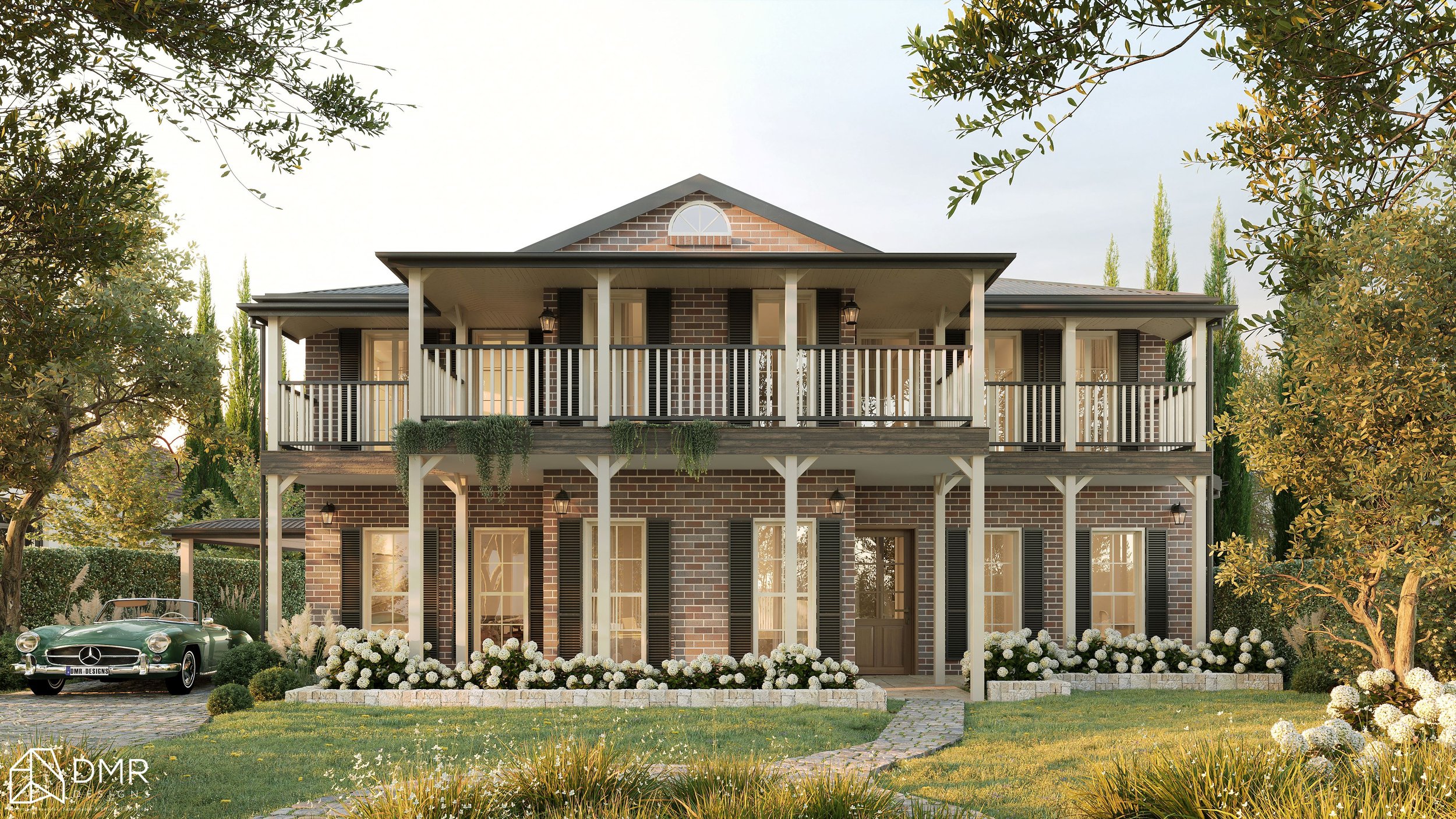
Why Alterations & Additions Are More Complex Than Building New
At first glance, extending or renovating an existing home can seem simpler than starting from scratch — after all, part of the house is already there.
But in reality, alterations and additions often involve a far more complex design and construction process.
Unlike a new build, where everything is planned from a clean slate, renovations require designers and builders to work with existing conditions, structural limitations, council requirements, and older construction methods — all while creating a home that feels seamless, functional, and cohesive.
At DMR Designs, one of the biggest priorities in any alterations and additions project is making the old and new work together naturally — both visually and structurally.
Here are some of the most common challenges homeowners face during renovations and how experienced designers solve them.
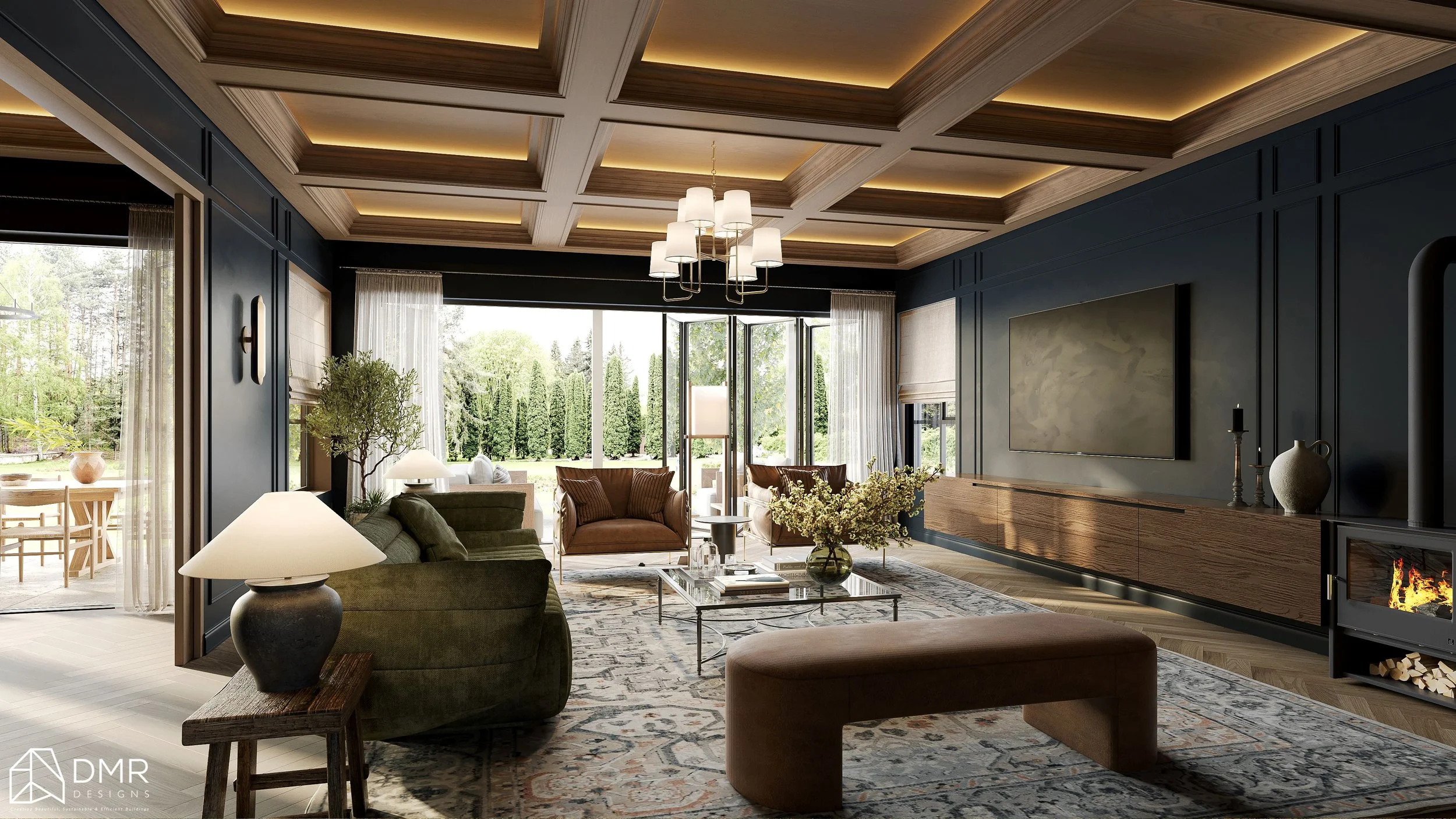
1. Making the Old and New Feel Seamless
One of the biggest concerns homeowners have is:
“Will the extension look like it was always part of the house?”
This is one of the most important aspects of good residential design.
Without careful planning, additions can feel disconnected from the original home — almost like two different houses joined together.
This often happens when:
Ceiling heights don’t align
Roof forms clash
Window styles are inconsistent
Internal floor levels change abruptly
Materials don’t complement each other
How Designers Solve It
A well-designed addition carefully considers:
Proportions and scale
Roof design and geometry
Sightlines through the home
Consistent material palettes
Natural transitions between spaces
In some cases, designers intentionally create contrast between old and new to celebrate the evolution of the home — but the transition still needs to feel deliberate and balanced.
The goal is always the same:
Create a home that feels cohesive, functional, and architecturally resolved.
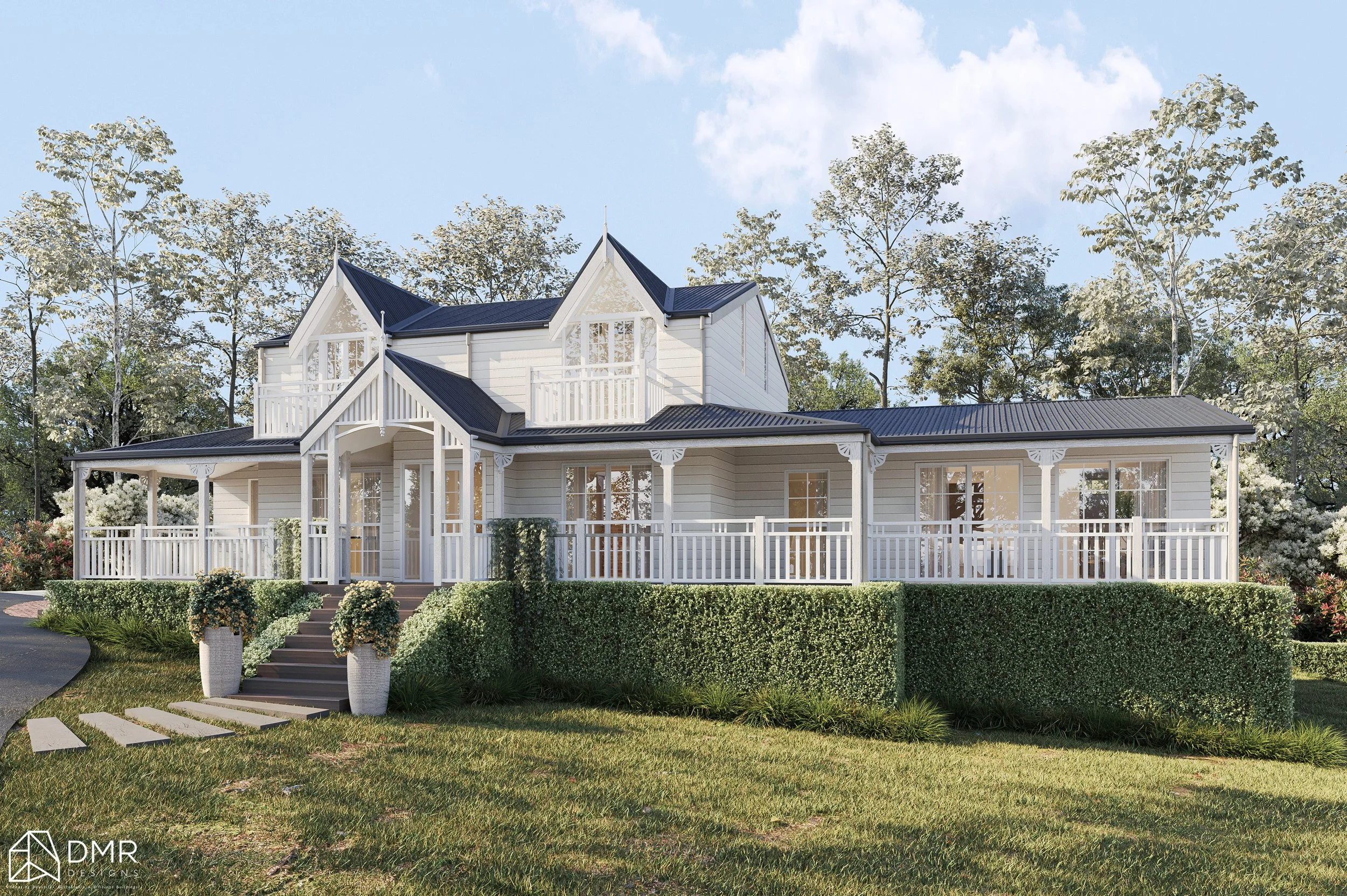
2. Matching Existing Materials
Many older homes contain materials or finishes that are no longer available — especially in heritage homes or properties built decades ago.
Common challenges include:
Matching brickwork
Replicating roof tiles
Aligning timber flooring
Blending render textures
Matching window profiles and trims
Even subtle differences in colour or texture can make an addition stand out in the wrong way.
How Designers Solve It
Experienced designers look at the home holistically and determine whether materials should:
Be carefully matched
Be reinterpreted in a modern way
Or intentionally contrasted
Sometimes exact matches aren’t possible — so instead of forcing an imperfect imitation, the design may introduce complementary materials that feel intentional and contemporary.
For example:
Original brickwork may pair with modern cladding
Existing timber floors may transition into polished concrete
Older façades may remain intact while rear additions become more contemporary
This balance helps preserve character while still modernising the home.
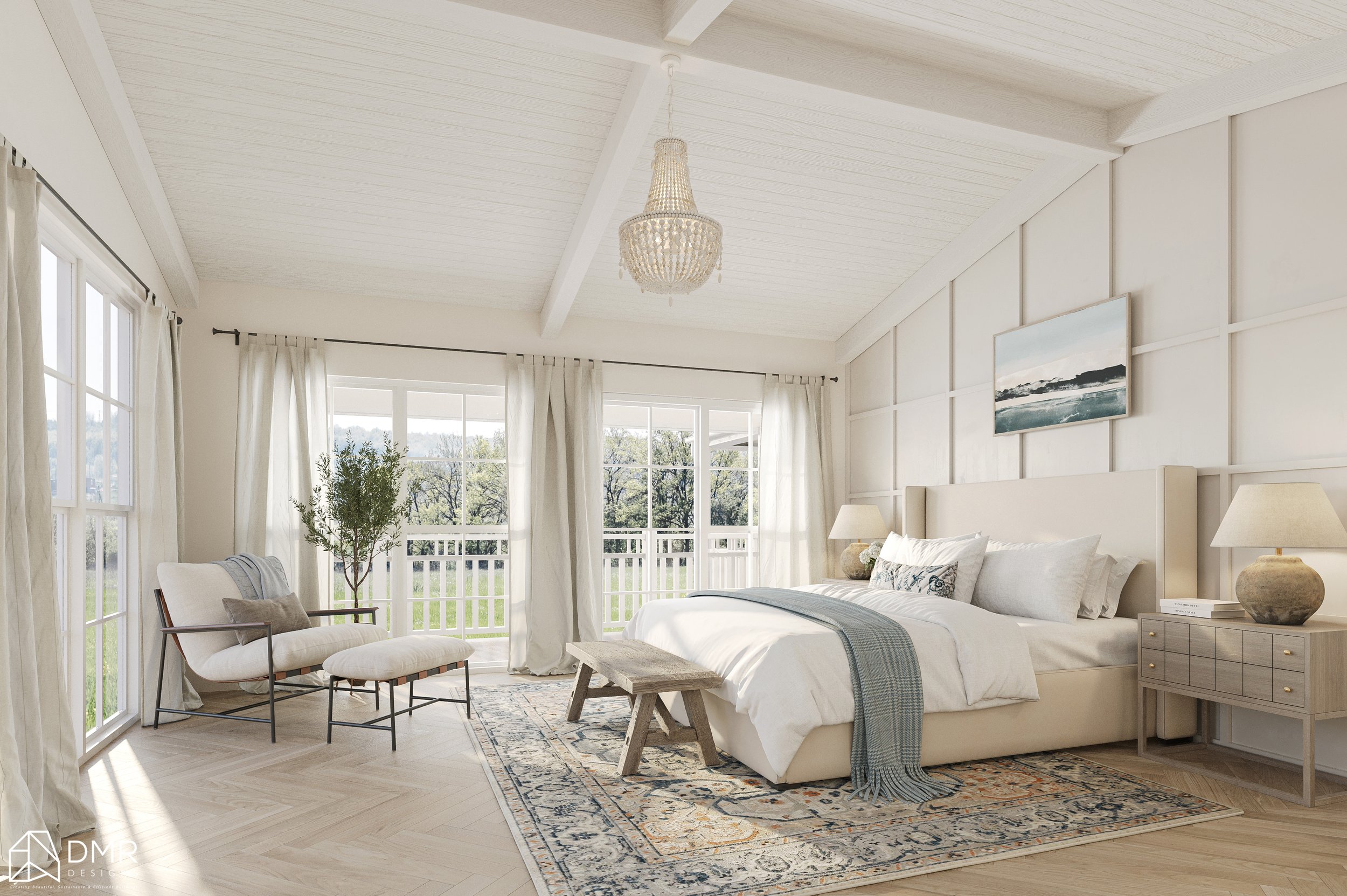
3. Structural Limitations in Older Homes
Older homes were built differently to modern homes.
Many contain:
Outdated framing methods
Non-compliant structural elements
Uneven floors
Movement or settlement over time
Load-bearing walls in difficult locations
Once demolition begins, hidden issues are often uncovered behind walls, ceilings, or under floors.
This can impact:
Layout possibilities
Engineering requirements
Construction costs
Build timelines
How Designers Solve It
Good design starts with understanding the existing structure before plans are finalised.
This often involves:
Detailed site investigations
Existing condition assessments
Structural engineering input
Careful demolition planning
Designers work closely with engineers and builders to ensure the new addition integrates safely and efficiently with the existing home.
In many projects, clever structural solutions can dramatically improve the home’s functionality without compromising its integrity.

4. Managing Different Floor Levels
Floor levels are one of the most overlooked challenges in renovations.
Older homes frequently have:
Split-level floors
Raised timber subfloors
Sloping sites
Uneven slabs
Different ceiling heights between sections
If not resolved properly, the home can feel awkward and disconnected.
How Designers Solve It
Designers carefully plan transitions between old and new spaces to improve flow and usability.
Solutions may include:
Gradual level changes
Reconfigured floor structures
Feature stair elements
Ceiling adjustments
Strategic zoning of spaces
The aim is to make movement through the home feel natural — not forced.
Done properly, these transitions become part of the architectural character rather than a problem to hide.

5. Bringing More Natural Light Into Older Homes
Many older homes were not designed with modern open-plan living in mind.
Common issues include:
Dark hallways
Small windows
Enclosed rooms
Poor indoor–outdoor connection
When extending a home, simply adding more space isn’t enough — the new areas also need to feel bright, open, and connected.
How Designers Solve It
Thoughtful alterations and additions focus heavily on:
Orientation
Window placement
Skylights
Void spaces
Indoor–outdoor integration
Even relatively small design moves can dramatically improve how a home feels internally.
A well-designed extension should not only add space —
it should improve the overall experience of living in the home.

6. Navigating Council Requirements & Compliance
Renovations often come with stricter planning constraints than homeowners expect.
Depending on the property, designers may need to consider:
Height restrictions
Setbacks
Heritage controls
Privacy impacts
Overshadowing
Bushfire or flood requirements
BASIX compliance
Without proper planning, approval delays can become costly and frustrating.
How Designers Solve It
Experienced designers understand how to balance:
Council requirements
Site constraints
Budget expectations
Lifestyle goals
Early planning and strategic design decisions can significantly improve approval outcomes and reduce unnecessary redesigns later in the process.

The Best Renovations Don’t Feel Like Renovations
The most successful alterations and additions are the ones where the transition between old and new feels effortless.
That outcome rarely happens by accident.
It comes from careful planning, thoughtful design, technical understanding, and collaboration between designers, consultants, and builders from the very beginning.
At DMR Designs, we approach every alterations and additions project with a strong focus on functionality, liveability, and cohesive architectural outcomes — ensuring the finished home feels considered, balanced, and built for long-term living.

Thinking About Renovating Your Home?
Whether you’re planning a first-floor addition, rear extension, or complete home transformation, thoughtful design can make all the difference.
Explore our recent projects or get in touch with the team at DMR Designs to discuss your vision and what may be possible for your property.