Entryway Design

Common Challenges in Alterations & Additions (and How Designers Solve Them)

Why Alterations & Additions Are More Complex Than Building New

At first glance, extending or renovating an existing home can seem simpler than starting from scratch — after all, part of the house is already there.

But in reality, alterations and additions often involve a far more complex design and construction process.

Unlike a new build, where everything is planned from a clean slate, renovations require designers and builders to work with existing conditions, structural limitations, council requirements, and older construction methods — all while creating a home that feels seamless, functional, and cohesive.

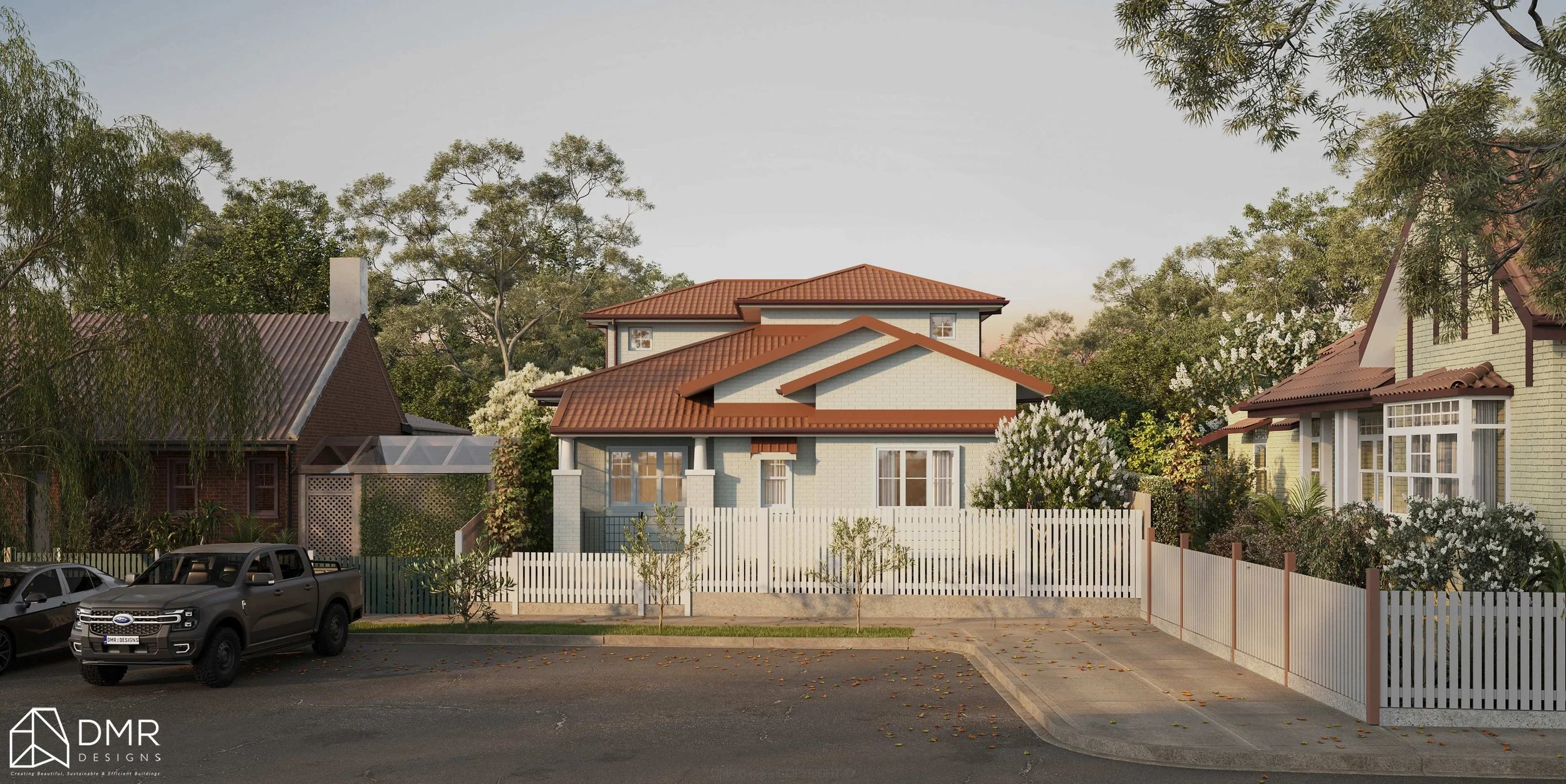
At DMR Designs, one of the biggest priorities in any alterations and additions project is making the old and new work together naturally — both visually and structurally.

Here are some of the most common challenges homeowners face during renovations and how experienced designers solve them.

1. Making the Old and New Feel Seamless

One of the biggest concerns homeowners have is:
“Will the extension look like it was always part of the house?”

This is one of the most important aspects of good residential design.

Without careful planning, additions can feel disconnected from the original home — almost like two different houses joined together.

This often happens when:

  • Ceiling heights don’t align

  • Roof forms clash

  • Window styles are inconsistent

  • Internal floor levels change abruptly

  • Materials don’t complement each other

How Designers Solve It

A well-designed addition carefully considers:

  • Proportions and scale

  • Roof design and geometry

  • Sightlines through the home

  • Consistent material palettes

  • Natural transitions between spaces

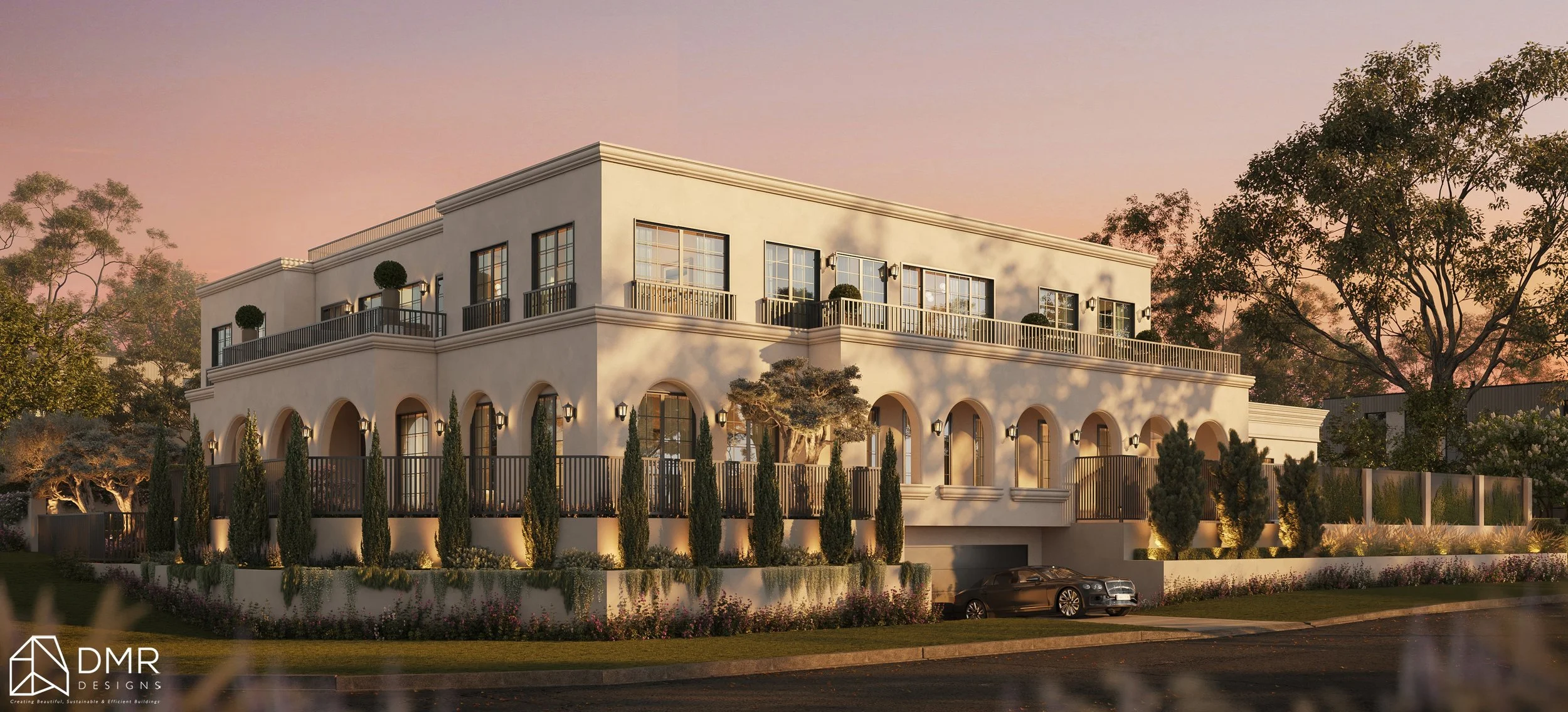
In some cases, designers intentionally create contrast between old and new to celebrate the evolution of the home — but the transition still needs to feel deliberate and balanced.

The goal is always the same:
Create a home that feels cohesive, functional, and architecturally resolved.

2. Matching Existing Materials

Many older homes contain materials or finishes that are no longer available — especially in heritage homes or properties built decades ago.

Common challenges include:

  • Matching brickwork

  • Replicating roof tiles

  • Aligning timber flooring

  • Blending render textures

  • Matching window profiles and trims

Even subtle differences in colour or texture can make an addition stand out in the wrong way.

How Designers Solve It

Experienced designers look at the home holistically and determine whether materials should:

  • Be carefully matched

  • Be reinterpreted in a modern way

  • Or intentionally contrasted

Sometimes exact matches aren’t possible — so instead of forcing an imperfect imitation, the design may introduce complementary materials that feel intentional and contemporary.

For example:

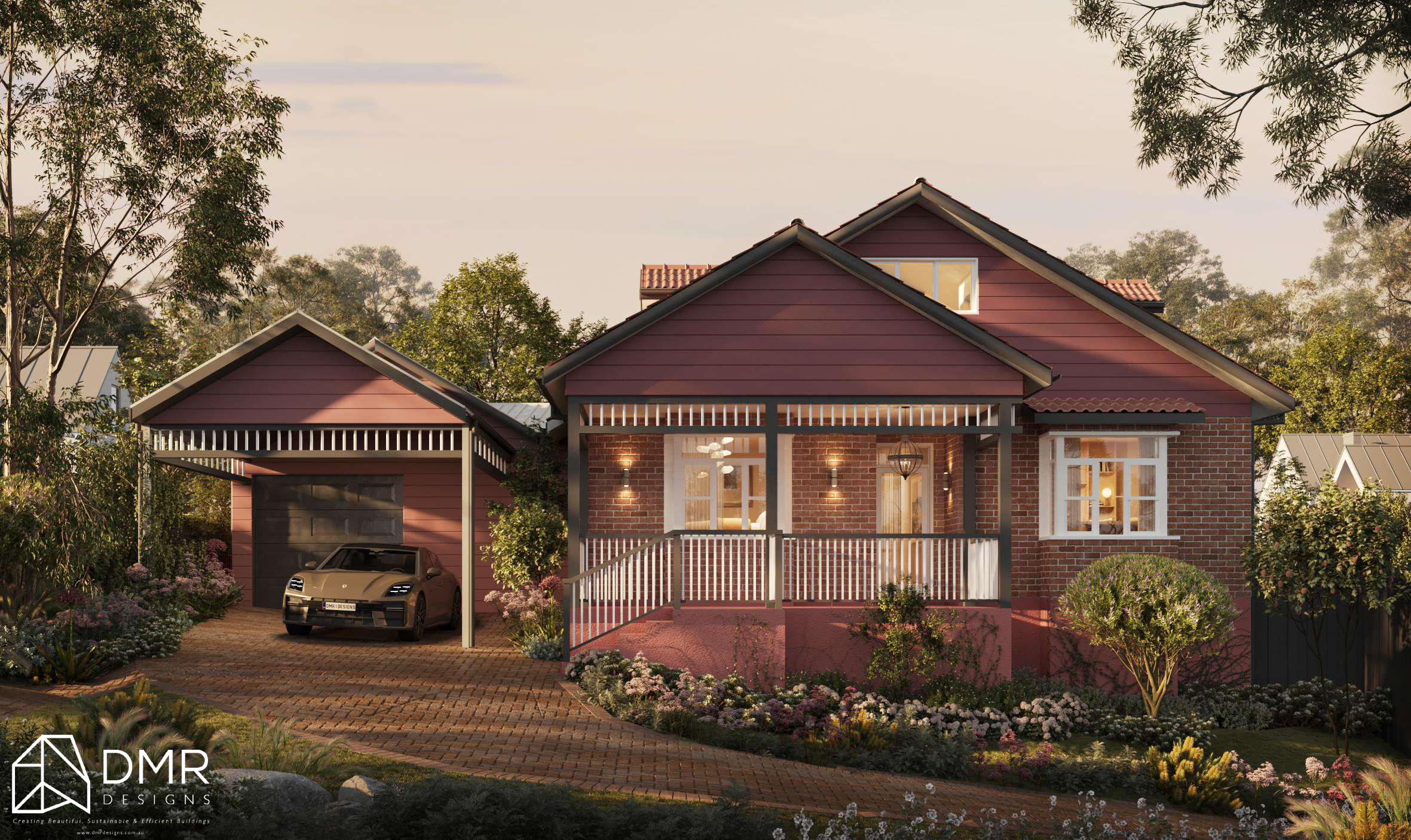
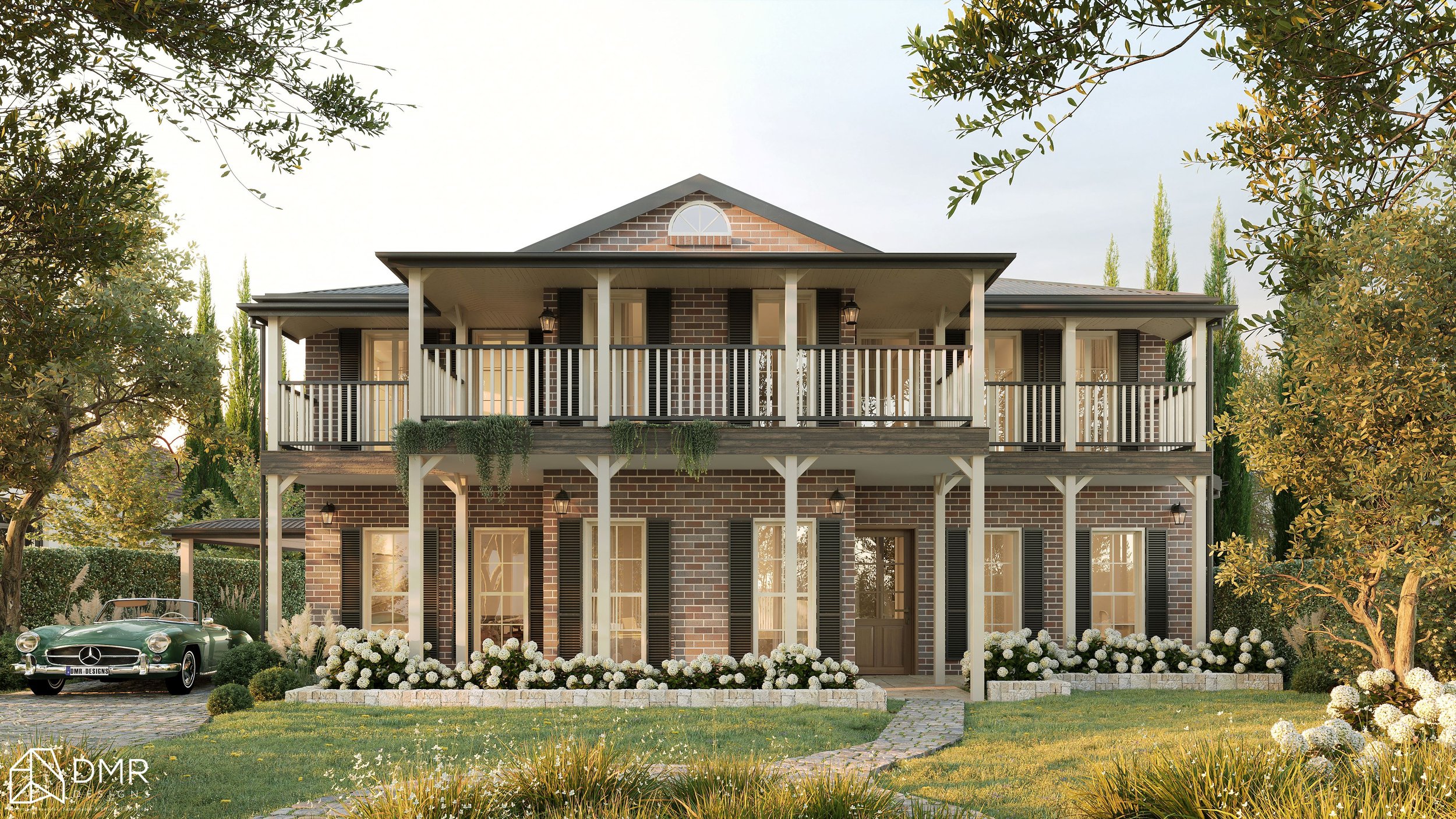
  • Original brickwork may pair with modern cladding

  • Existing timber floors may transition into polished concrete

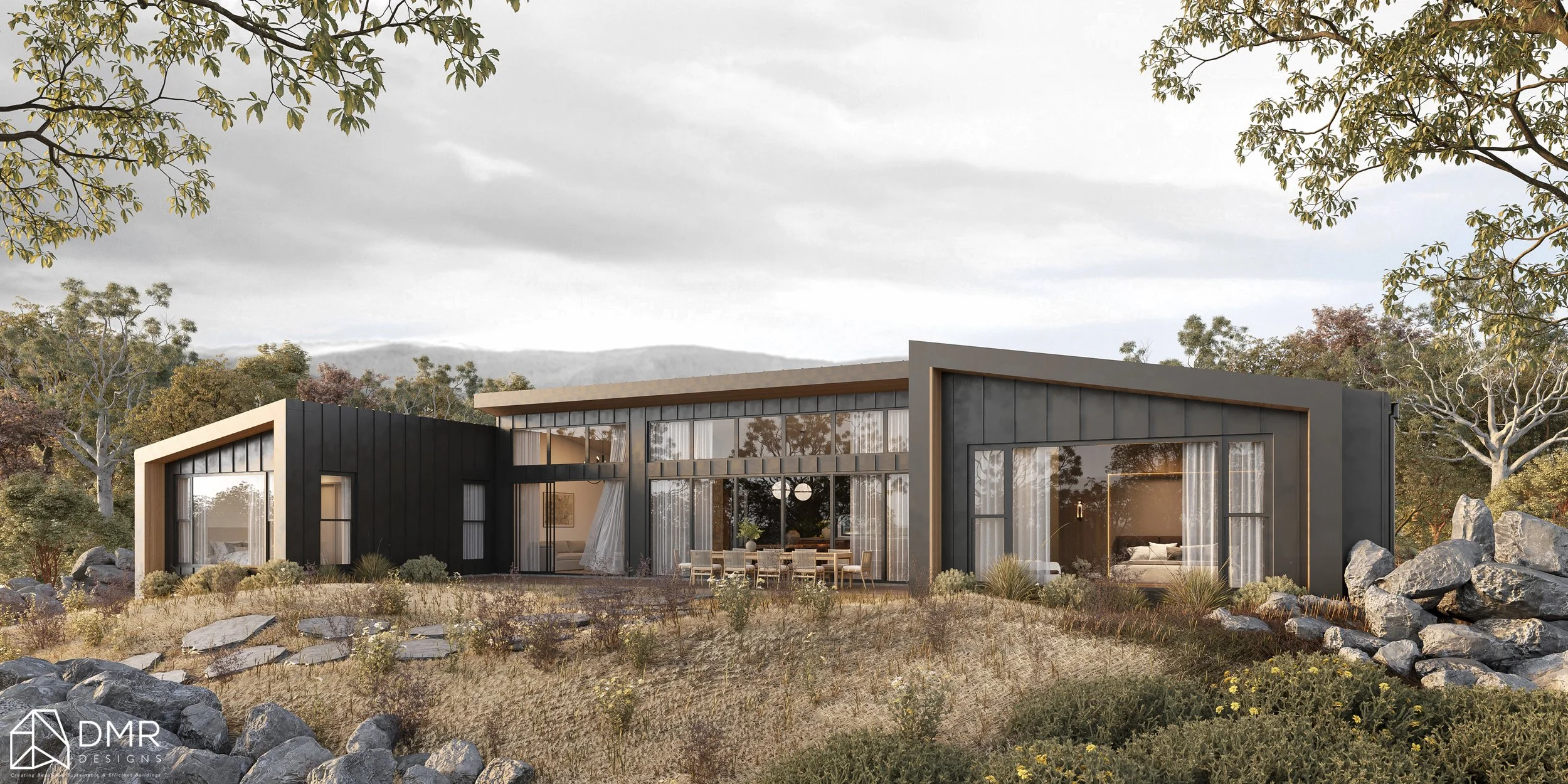
  • Older façades may remain intact while rear additions become more contemporary

This balance helps preserve character while still modernising the home.

3. Structural Limitations in Older Homes

Older homes were built differently to modern homes.

Many contain:

  • Outdated framing methods

  • Non-compliant structural elements

  • Uneven floors

  • Movement or settlement over time

  • Load-bearing walls in difficult locations

Once demolition begins, hidden issues are often uncovered behind walls, ceilings, or under floors.

This can impact:

  • Layout possibilities

  • Engineering requirements

  • Construction costs

  • Build timelines

How Designers Solve It

Good design starts with understanding the existing structure before plans are finalised.

This often involves:

  • Detailed site investigations

  • Existing condition assessments

  • Structural engineering input

  • Careful demolition planning

Designers work closely with engineers and builders to ensure the new addition integrates safely and efficiently with the existing home.

In many projects, clever structural solutions can dramatically improve the home’s functionality without compromising its integrity.

4. Managing Different Floor Levels

Floor levels are one of the most overlooked challenges in renovations.

Older homes frequently have:

  • Split-level floors

  • Raised timber subfloors

  • Sloping sites

  • Uneven slabs

  • Different ceiling heights between sections

If not resolved properly, the home can feel awkward and disconnected.

How Designers Solve It

Designers carefully plan transitions between old and new spaces to improve flow and usability.

Solutions may include:

  • Gradual level changes

  • Reconfigured floor structures

  • Feature stair elements

  • Ceiling adjustments

  • Strategic zoning of spaces

The aim is to make movement through the home feel natural — not forced.

Done properly, these transitions become part of the architectural character rather than a problem to hide.

5. Bringing More Natural Light Into Older Homes

Many older homes were not designed with modern open-plan living in mind.

Common issues include:

  • Dark hallways

  • Small windows

  • Enclosed rooms

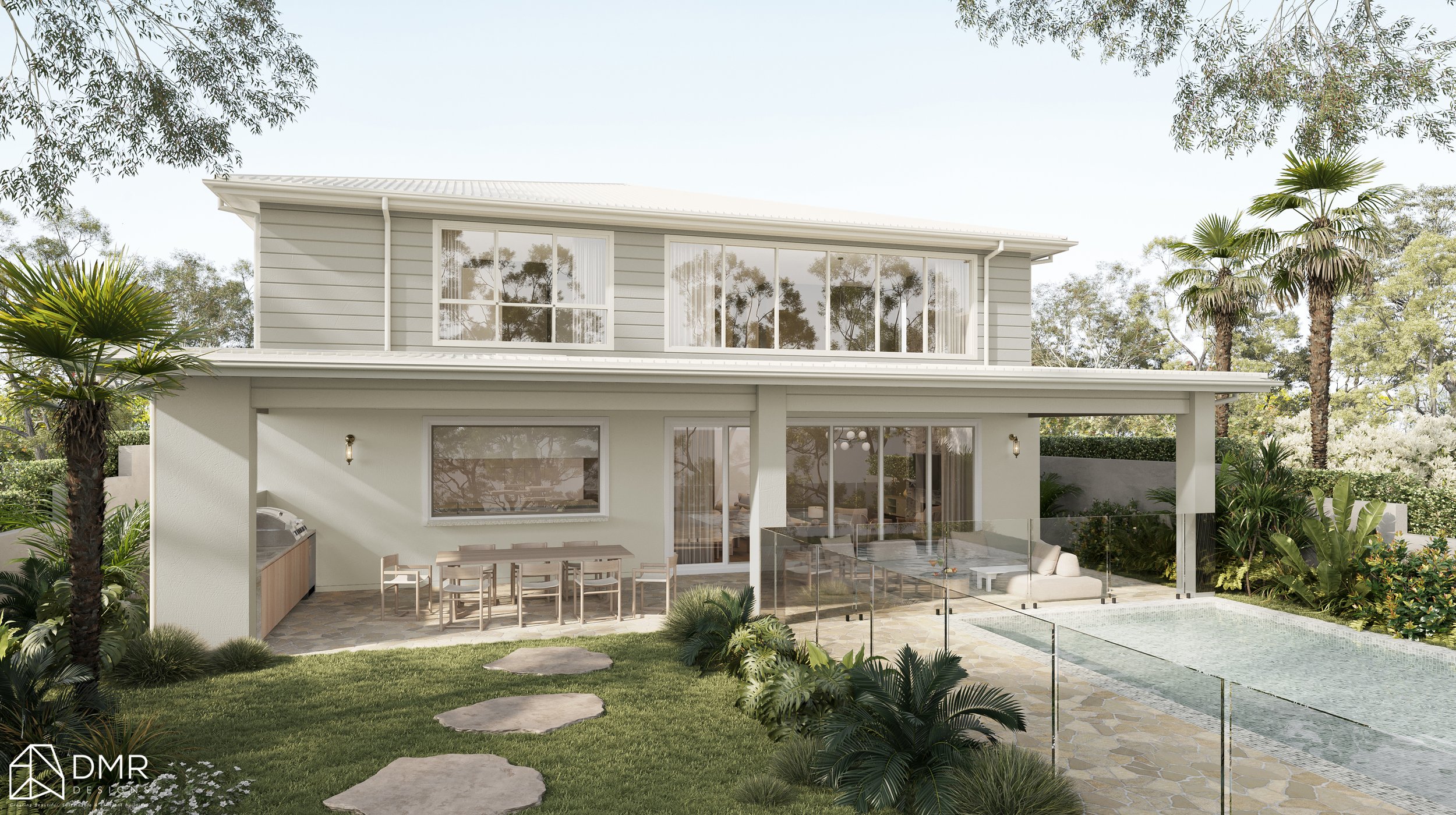
  • Poor indoor–outdoor connection

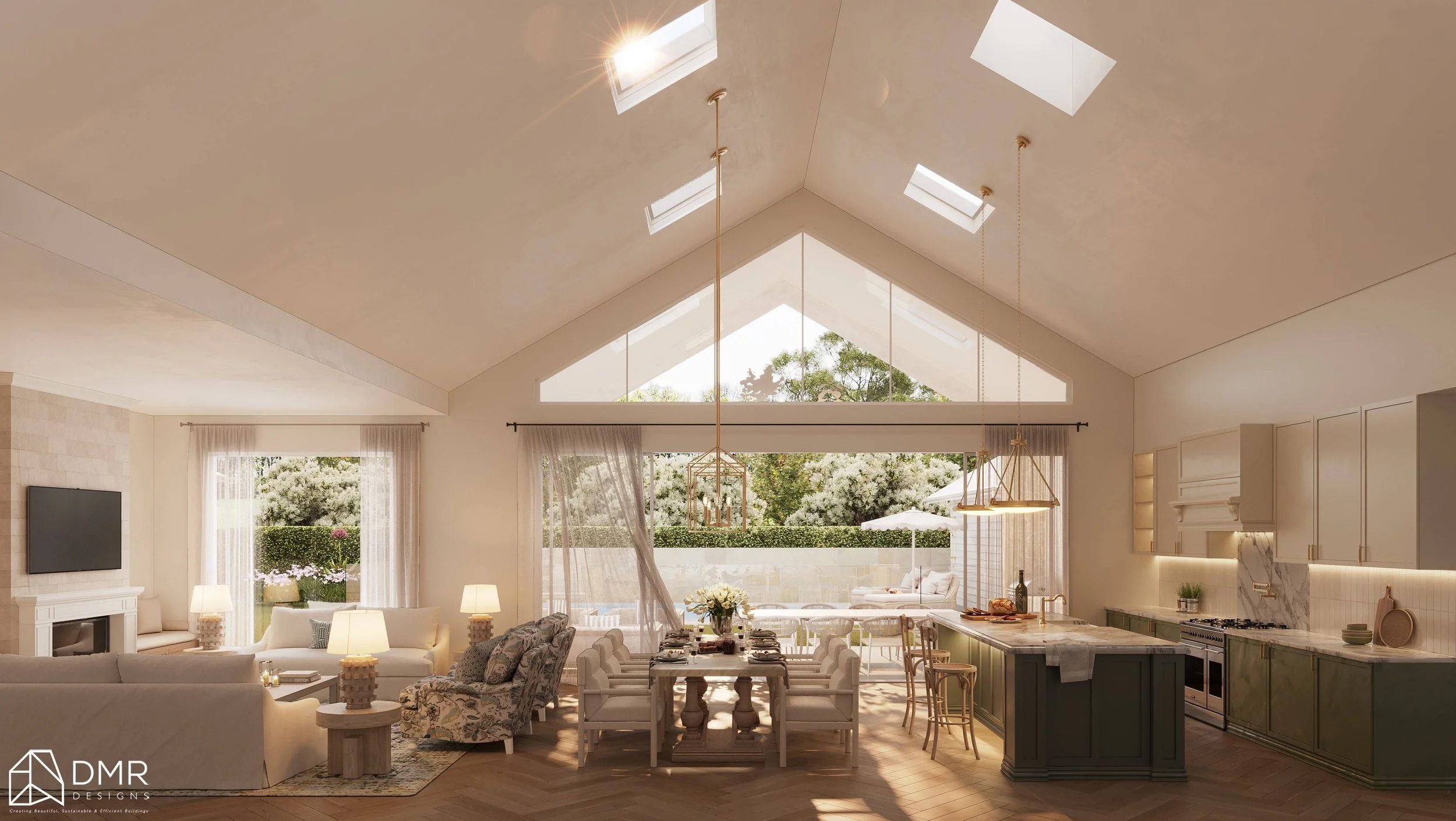
When extending a home, simply adding more space isn’t enough — the new areas also need to feel bright, open, and connected.

How Designers Solve It

Thoughtful alterations and additions focus heavily on:

  • Orientation

  • Window placement

  • Skylights

  • Void spaces

  • Indoor–outdoor integration

Even relatively small design moves can dramatically improve how a home feels internally.

A well-designed extension should not only add space —
it should improve the overall experience of living in the home.

6. Navigating Council Requirements & Compliance

Renovations often come with stricter planning constraints than homeowners expect.

Depending on the property, designers may need to consider:

  • Height restrictions

  • Setbacks

  • Heritage controls

  • Privacy impacts

  • Overshadowing

  • Bushfire or flood requirements

  • BASIX compliance

Without proper planning, approval delays can become costly and frustrating.

How Designers Solve It

Experienced designers understand how to balance:

  • Council requirements

  • Site constraints

  • Budget expectations

  • Lifestyle goals

Early planning and strategic design decisions can significantly improve approval outcomes and reduce unnecessary redesigns later in the process.

The Best Renovations Don’t Feel Like Renovations

The most successful alterations and additions are the ones where the transition between old and new feels effortless.

That outcome rarely happens by accident.

It comes from careful planning, thoughtful design, technical understanding, and collaboration between designers, consultants, and builders from the very beginning.

At DMR Designs, we approach every alterations and additions project with a strong focus on functionality, liveability, and cohesive architectural outcomes — ensuring the finished home feels considered, balanced, and built for long-term living.

Thinking About Renovating Your Home?

Whether you’re planning a first-floor addition, rear extension, or complete home transformation, thoughtful design can make all the difference.

Explore our recent projects or get in touch with the team at DMR Designs to discuss your vision and what may be possible for your property.

Designing the Perfect Entryway: More Than Just a Front Door

When people think about designing a home, the focus usually lands on the kitchen, living spaces, or outdoor entertaining areas. But one of the most important spaces in any home is often overlooked — the entryway.

Your entry is the very first experience of your home. It sets the tone, creates the first impression, and quietly shapes how the entire house feels from the moment someone arrives. More than just a front door, a well-designed entryway balances practicality, security, comfort, and atmosphere — all while creating a seamless transition between the outside world and your personal space.

At DMR Designs, we believe great homes don’t just look good — they feel good from the very first step inside.

Why the Entryway Matters More Than You Think

Think about the best homes you’ve walked into.

There’s usually an immediate sense of calm, clarity, and flow. You instinctively know where to go, where to place your shoes or keys, and how the home unfolds beyond the entrance.

That feeling isn’t accidental — it’s carefully designed.

A well-planned entryway can:

  • Create a strong architectural first impression

  • Improve day-to-day organisation

  • Enhance privacy and security

  • Increase natural light and ventilation

  • Help the home feel larger and more connected

  • Establish the design language of the entire home

It’s not just a passageway — it’s the opening scene of your home’s story.

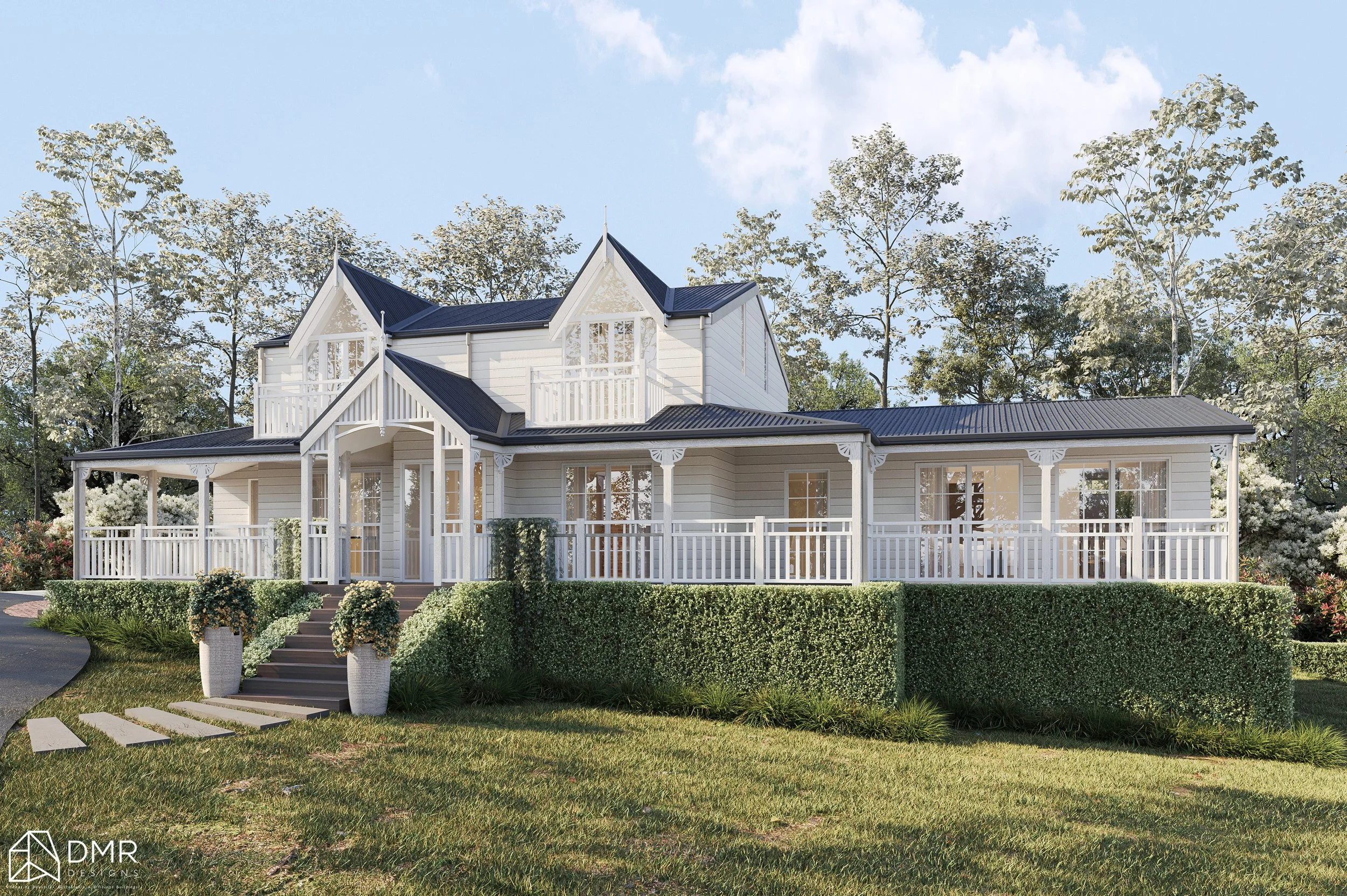
First Impressions Start Before You Walk Inside

The entry experience begins long before the front door opens.

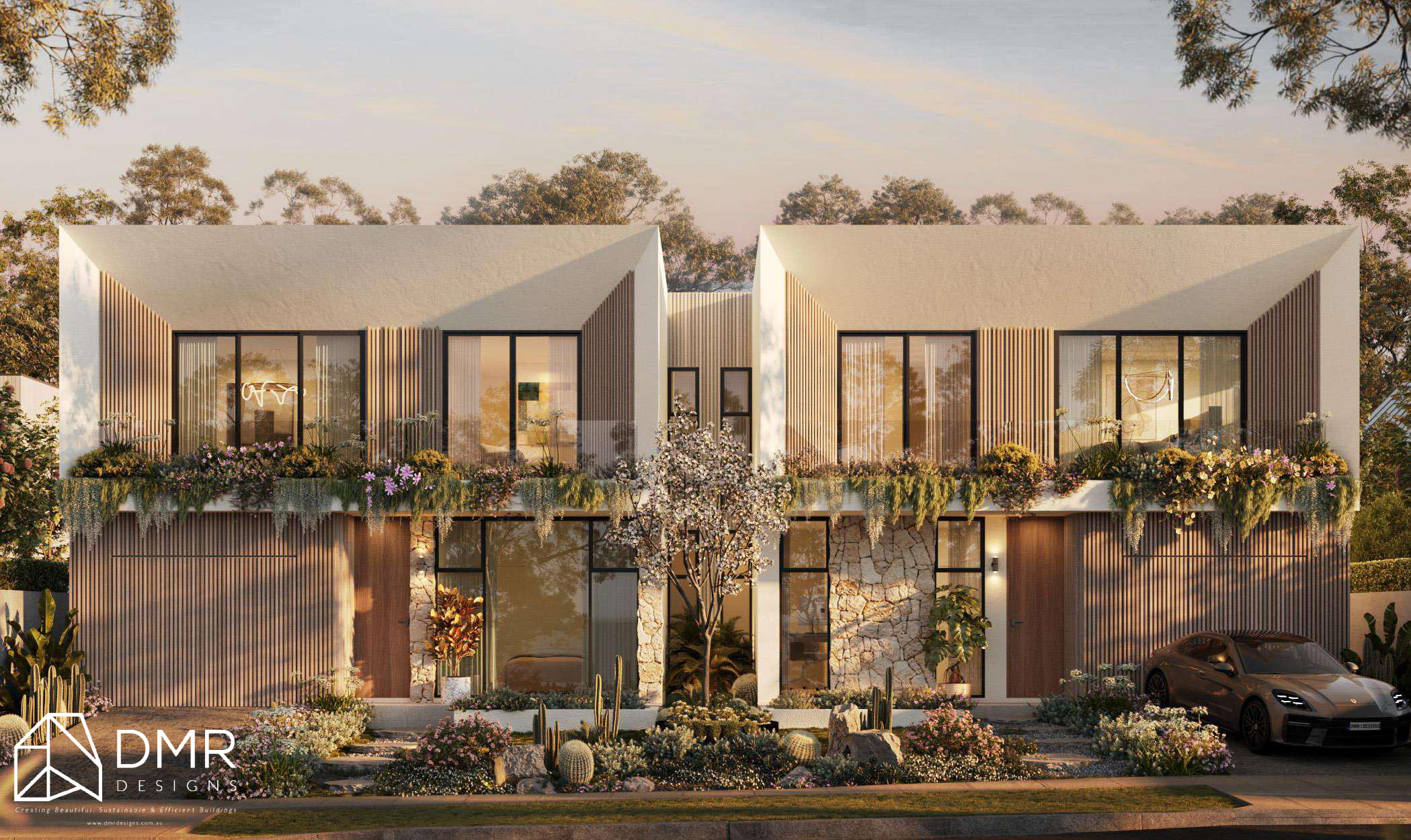
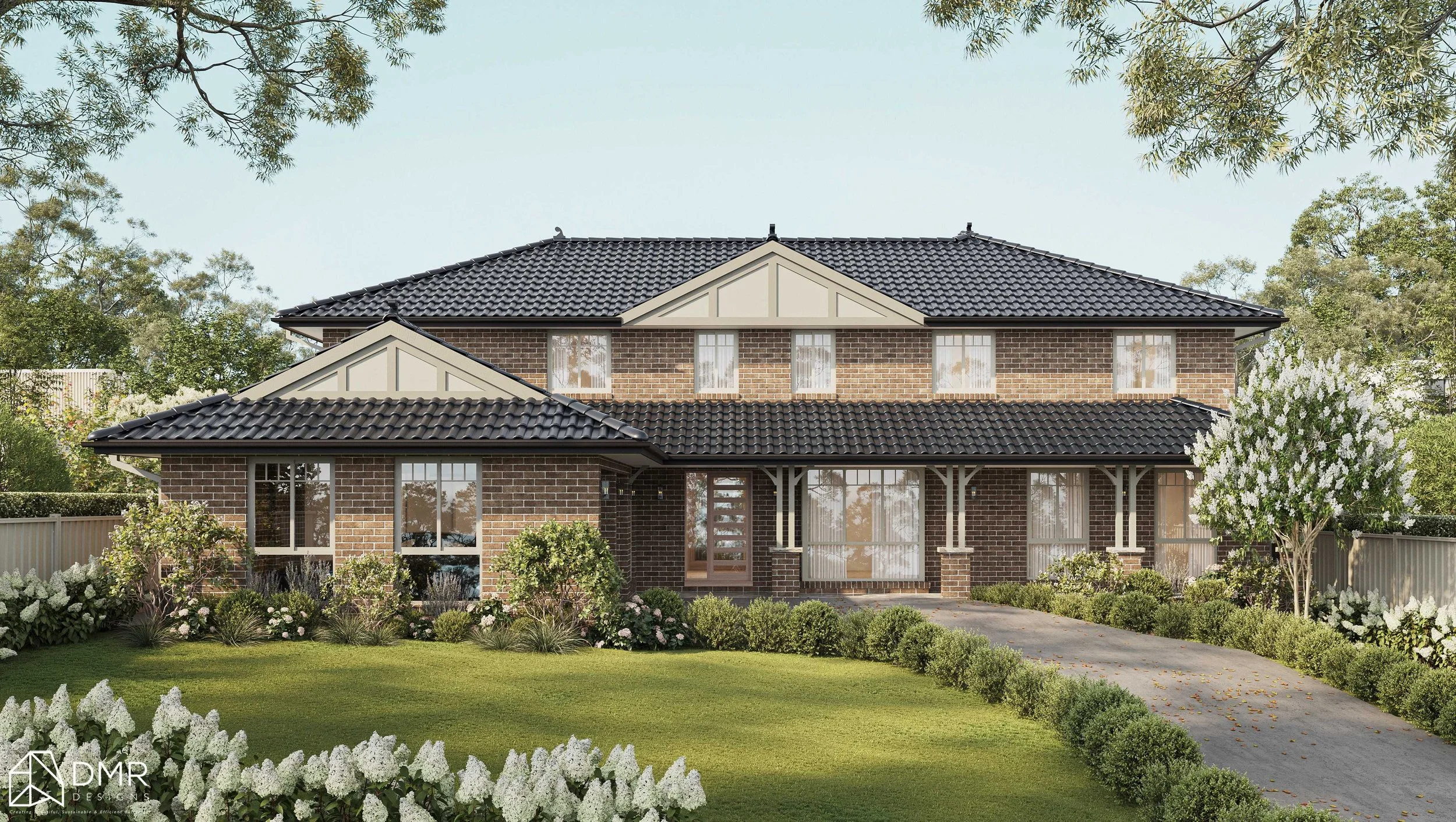
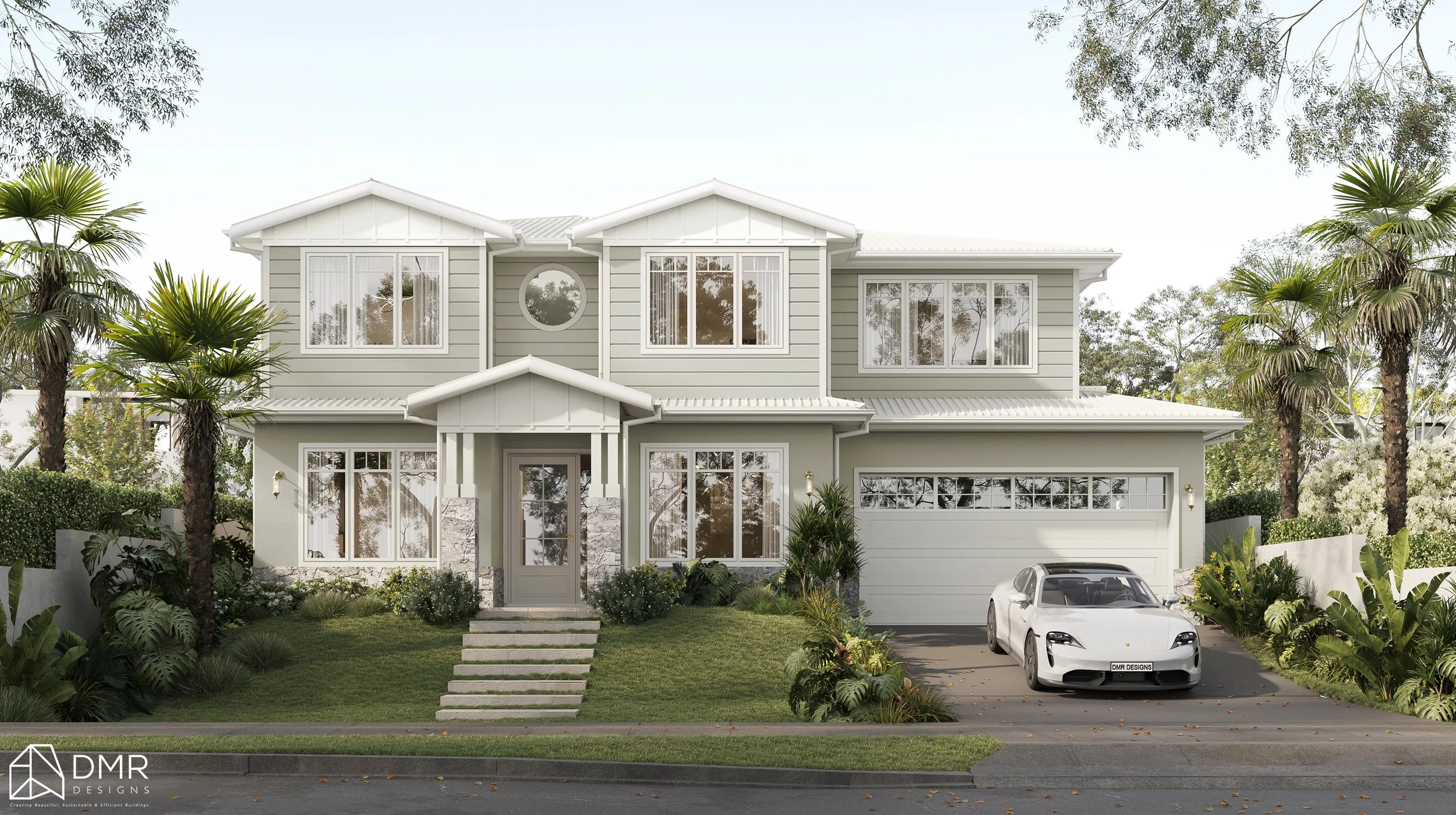
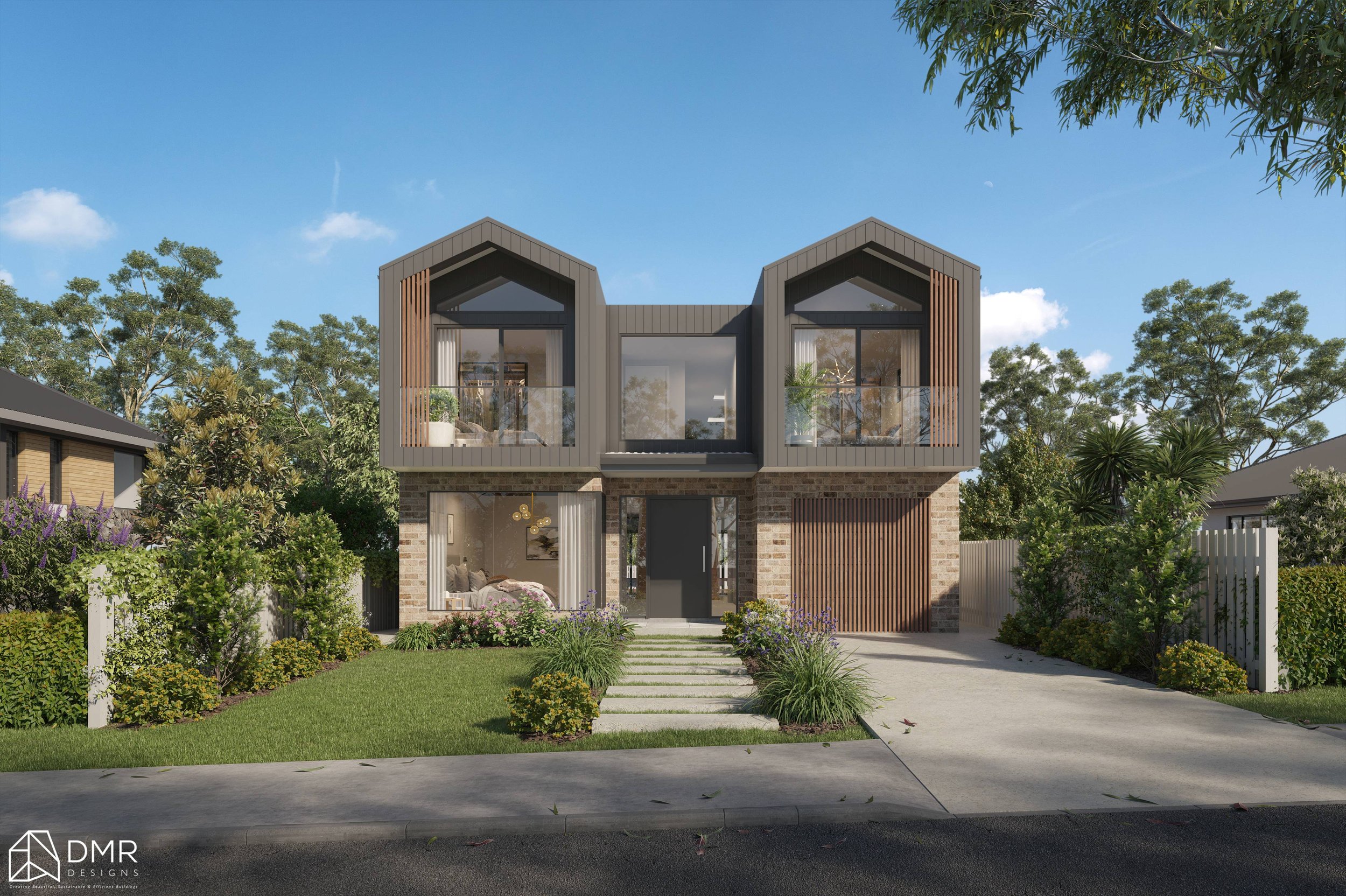
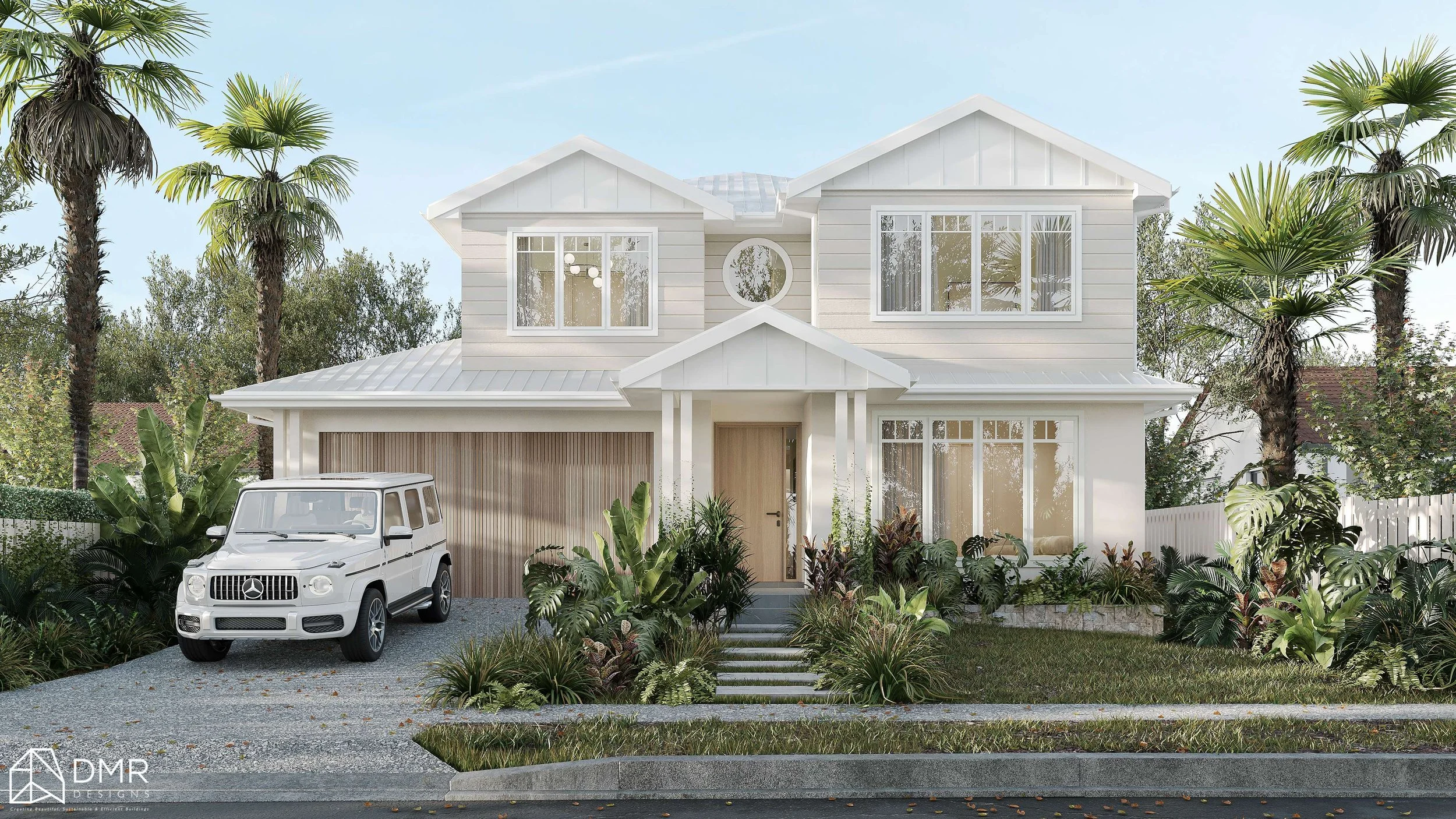
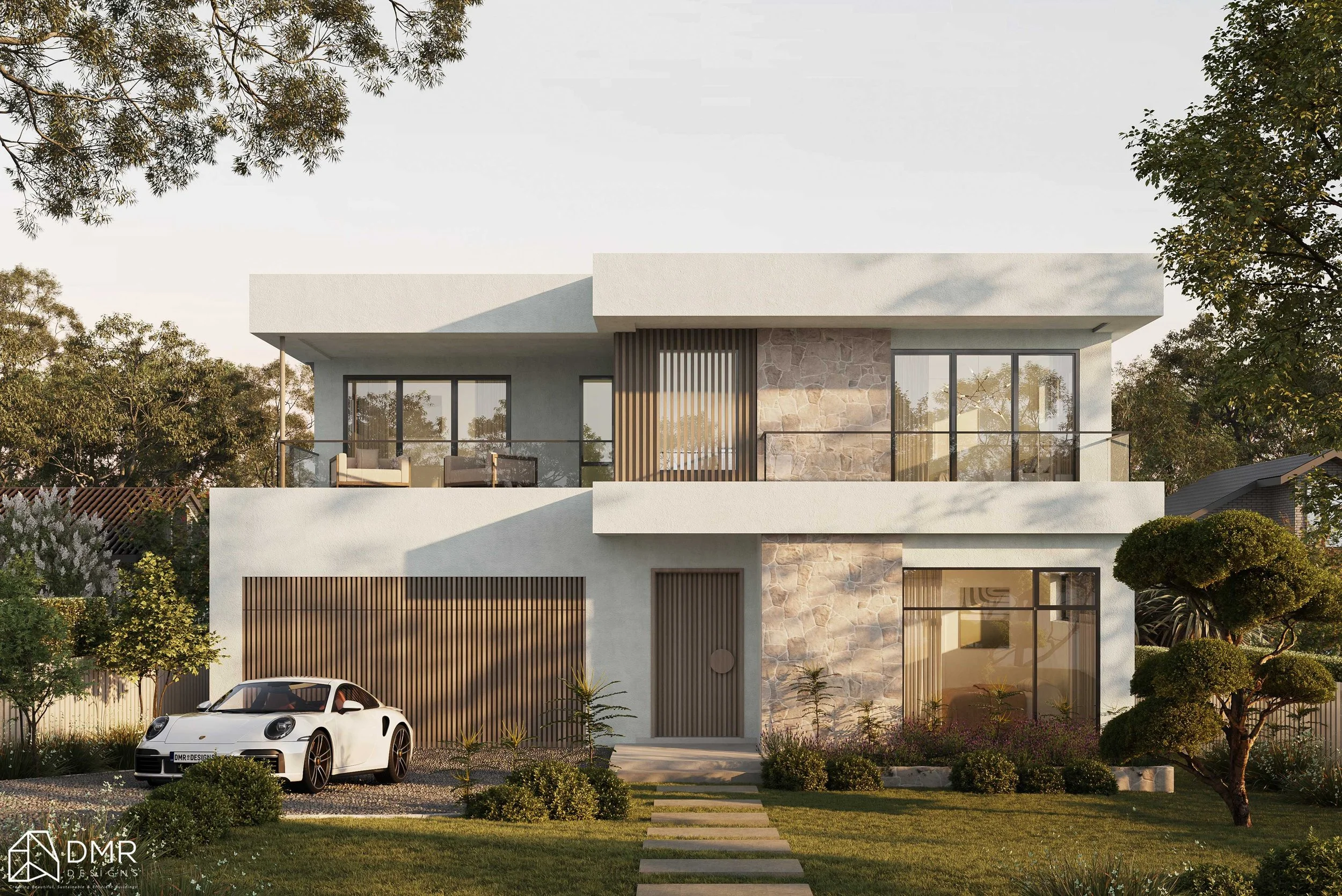
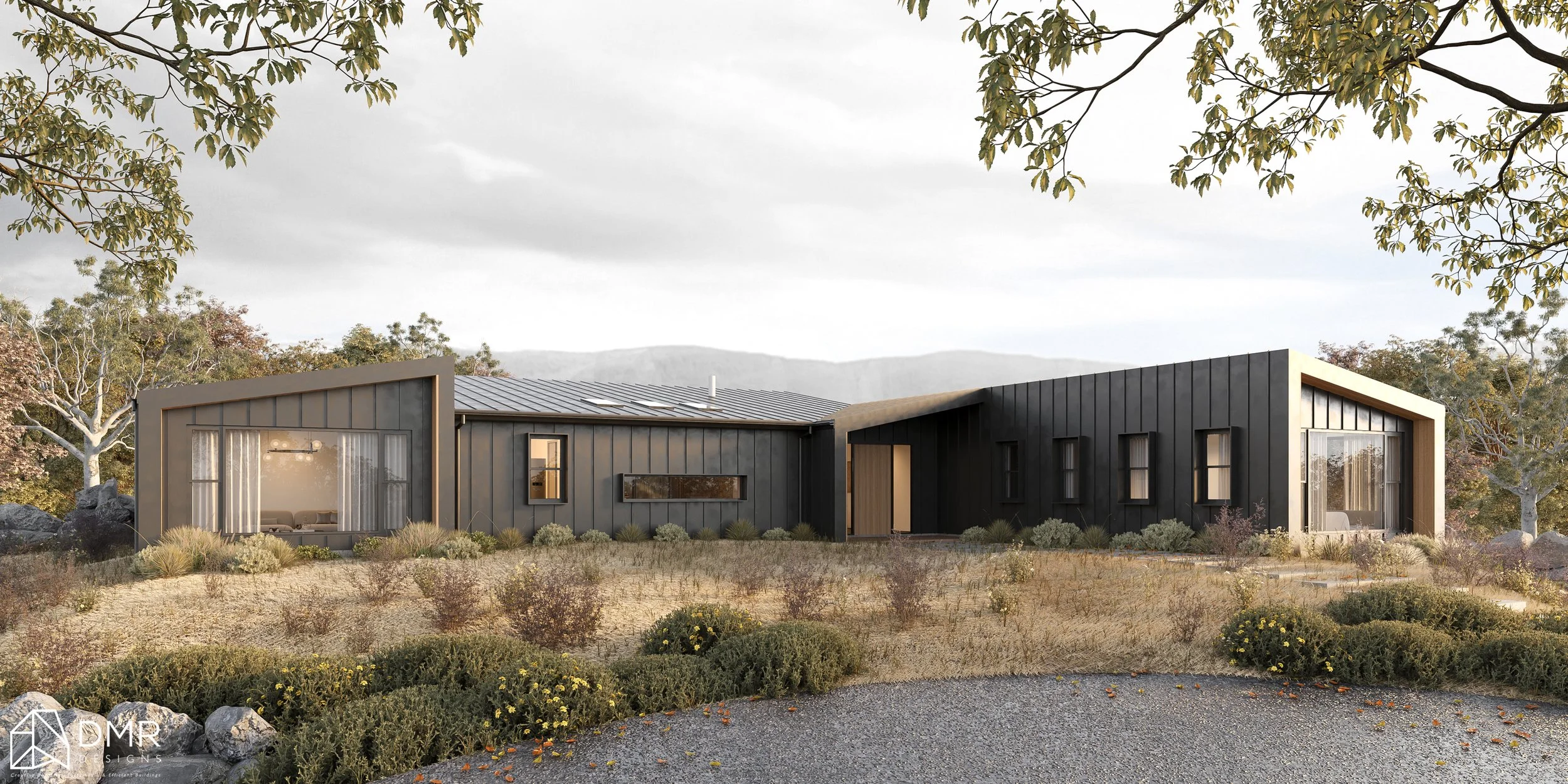
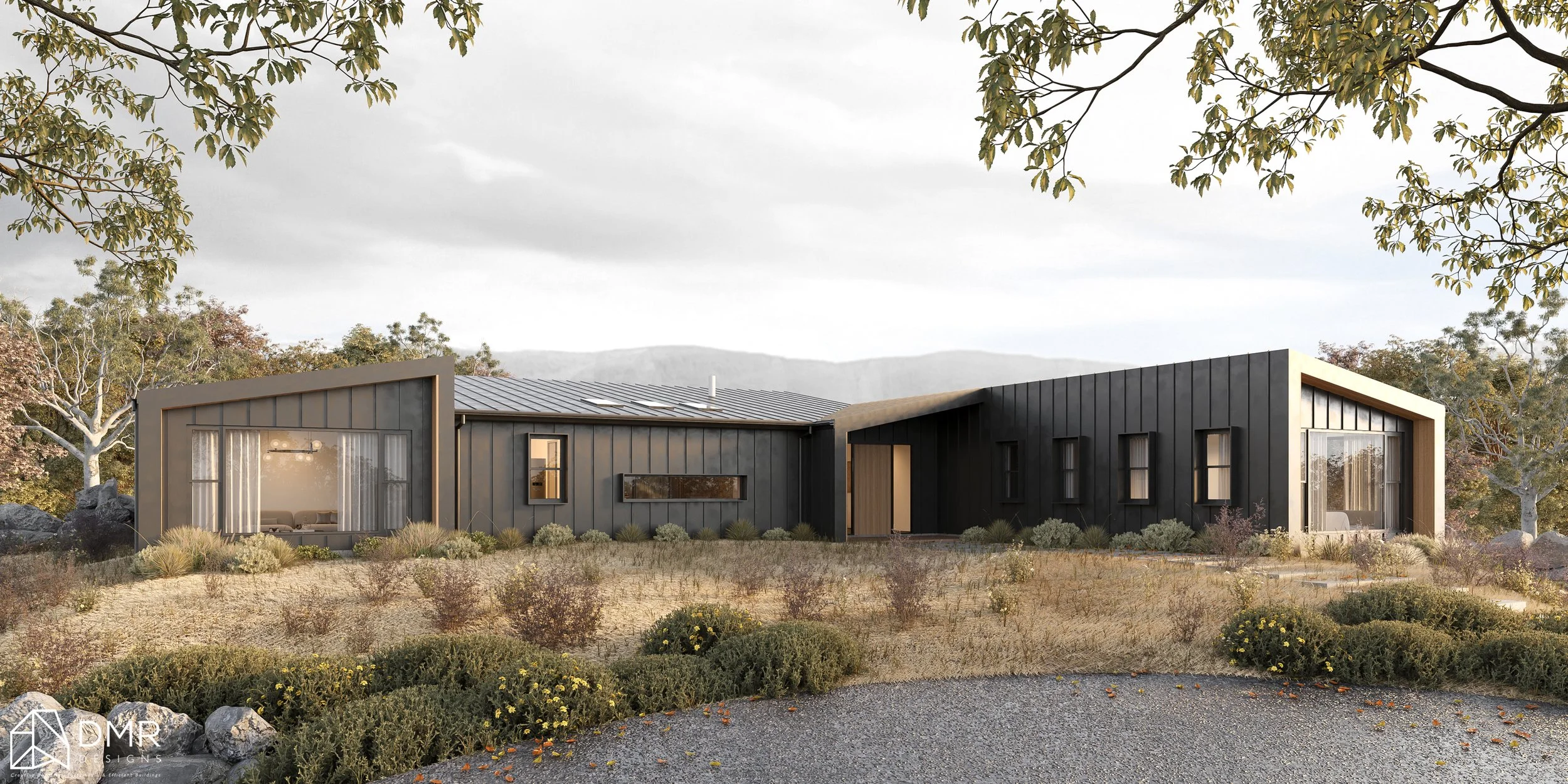
The driveway approach, landscaping, pathway, façade materials, lighting, and even the proportions of the entry all contribute to how a home is perceived.

A thoughtfully designed entry creates anticipation. It guides visitors naturally toward the home while making owners feel welcomed every time they return.

Some of the most effective entry designs include:

  • Feature cladding or statement materials

  • Oversized pivot or custom timber doors

  • Soft architectural lighting

  • Layered landscaping

  • Covered porches or recessed entries

  • High ceilings or voids

  • Framed views through the home

These elements work together to create depth, warmth, and presence without needing to feel overdone.

The Hidden Power of Storage

One of the biggest mistakes in home design is underestimating entry storage.

The reality is — modern life comes with a lot of “stuff.” Shoes, bags, keys, parcels, school items, umbrellas, sports gear… without a dedicated place for these items, clutter builds quickly.

A smart entryway acts as a functional buffer between outside life and the calm of the home interior.

Some practical storage ideas include:

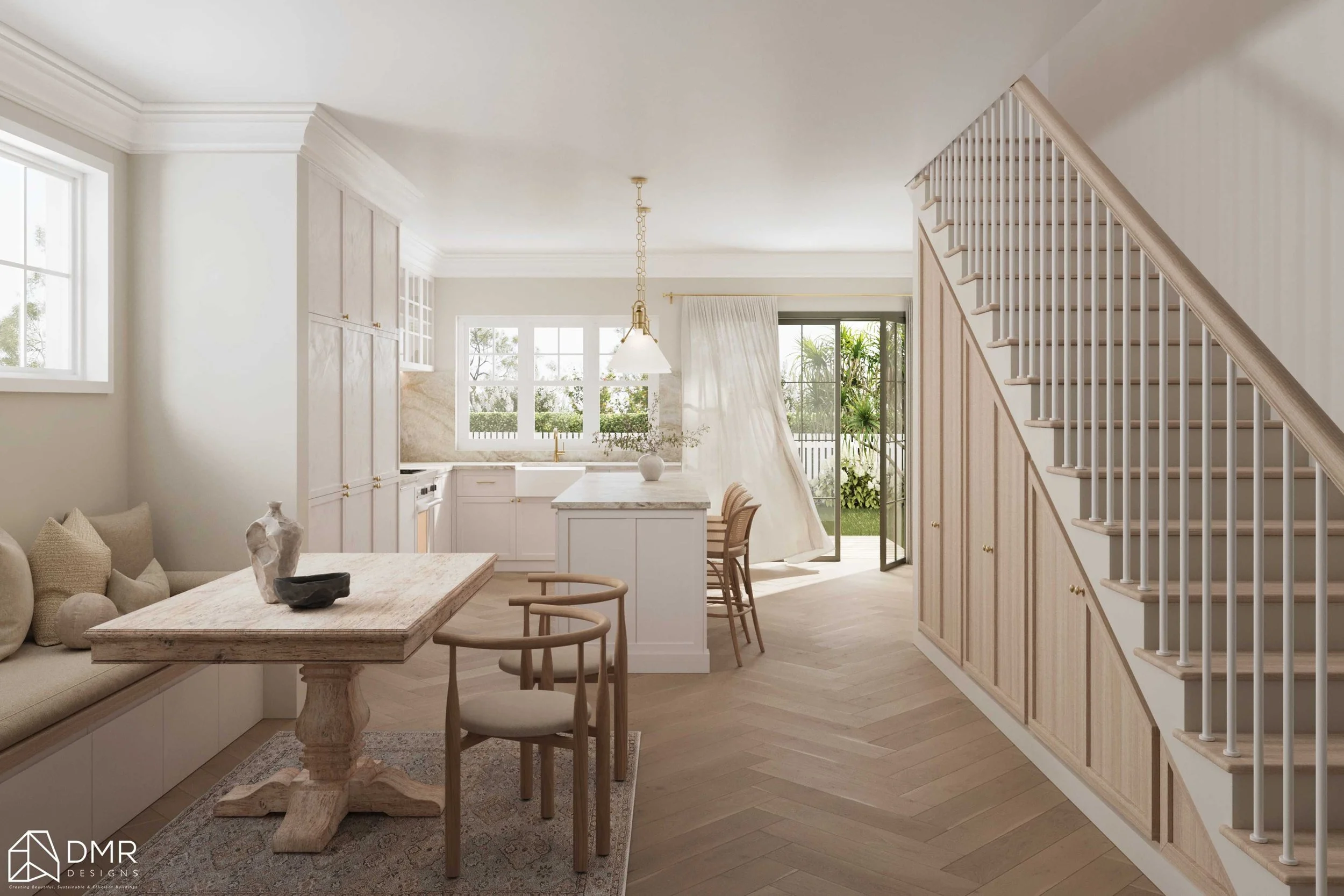
  • Built-in cabinetry

  • Mudroom-style joinery

  • Hidden shoe storage

  • Bench seating with integrated storage

  • Hooks for bags and hats

  • Charging drawers for devices

  • Parcel drop zones

  • Concealed cupboards for everyday essentials

Good storage doesn’t need to dominate the space — the best designs integrate it subtly so the entry remains clean, refined, and welcoming.

Creating a Seamless Transition Space

An entryway should feel like a transition — not an abrupt stop.

This space helps shift you mentally from the outside world into the comfort of home. The best entries create a gradual unfolding experience rather than exposing the entire house immediately upon arrival.

This can be achieved through:

  • Layered sightlines

  • Feature walls or joinery

  • Changes in ceiling height

  • Natural light placement

  • Courtyard views

  • Hallway framing

  • Material transitions

  • Strategic privacy screening

A well-designed transition space creates curiosity and calm at the same time.

It also improves functionality by separating busy external zones from quieter living areas.

Natural Light Changes Everything

Nothing elevates an entryway faster than natural light.

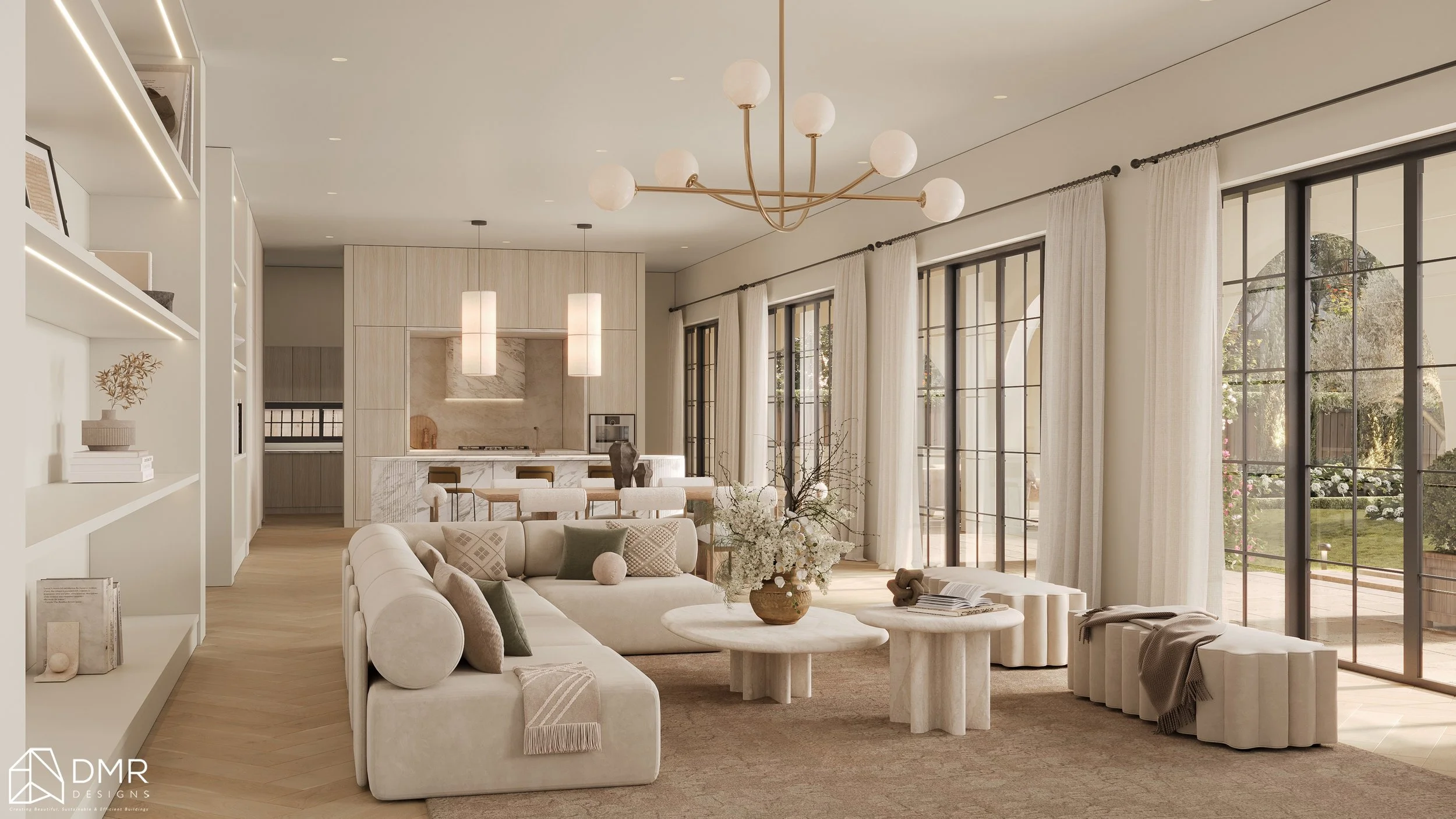
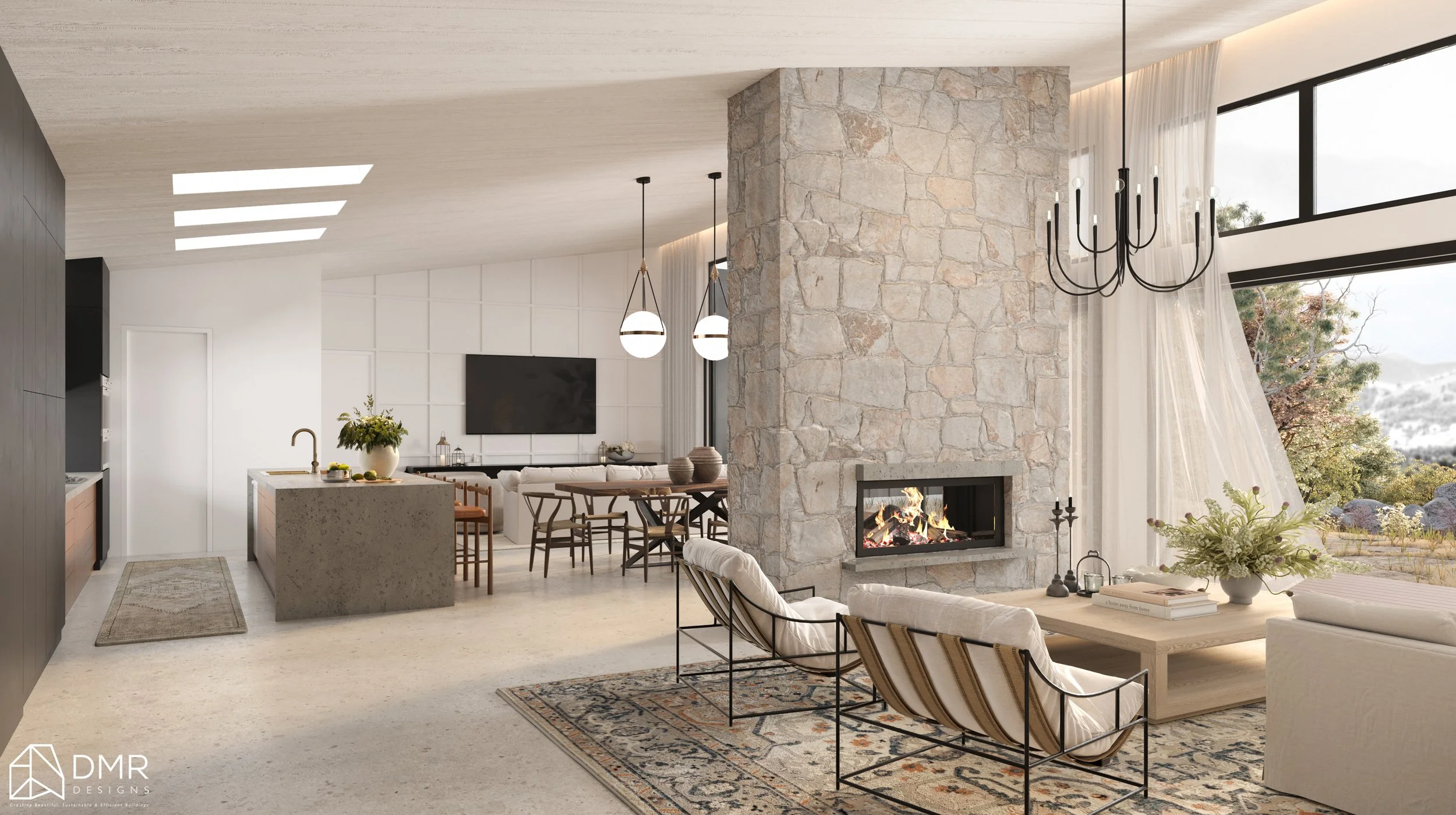
A bright, welcoming entrance immediately makes a home feel larger, warmer, and more inviting. Skylights, highlight windows, glazed doors, or internal courtyards can dramatically transform the atmosphere of the space.

Even compact entryways can feel luxurious with the right lighting strategy.

At DMR Designs, we often focus on how light moves through the entry during different times of day — creating moments that feel dynamic, soft, and connected to the outdoors.

Security Without Sacrificing Design

Security is one of the most important parts of any entryway design — but it doesn’t need to feel harsh or intrusive.

Modern homes can integrate security seamlessly through:

  • Smart locks and keyless entry

  • Video intercom systems

  • Layered landscaping for privacy

  • Well-positioned windows

  • Sensor lighting

  • Secure package delivery areas

  • Controlled sightlines from the street

The goal is to create a home that feels protected while still remaining open, warm, and welcoming.

Good design should never force you to choose between safety and aesthetics.

The Emotional Impact of Coming Home

One of the most underrated aspects of entryway design is emotional experience.

After long days, busy schedules, and constant movement, your entry becomes the moment where home begins. A thoughtfully designed arrival space can create an immediate sense of calm and relief.

This is why details matter:

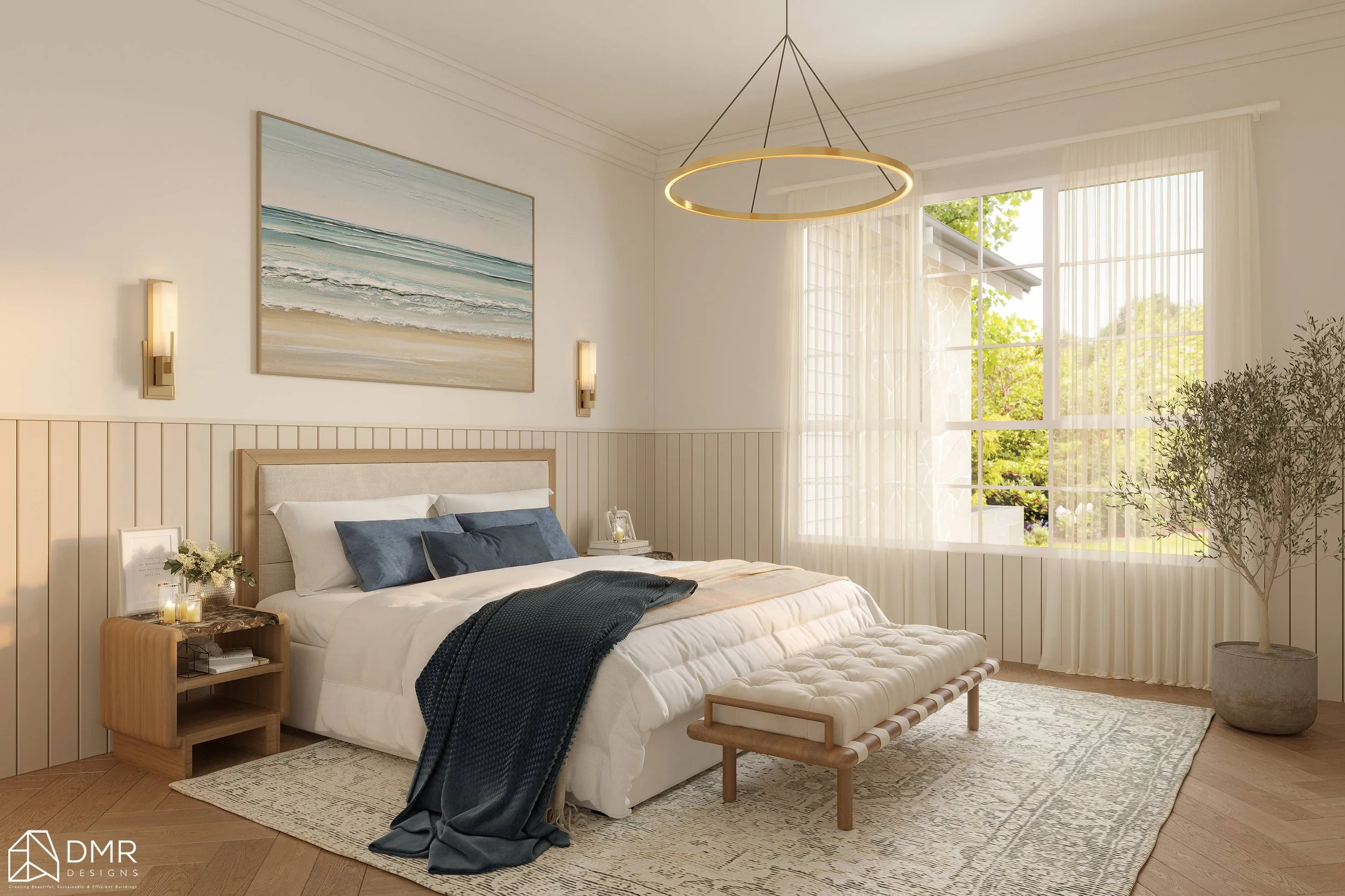
  • Warm materials

  • Soft lighting

  • Natural textures

  • Functional organisation

  • Comfortable proportions

  • Connection to greenery

The best entryways don’t just impress guests — they improve everyday living for the people who use them most.

Designing an Entryway That Works for Your Lifestyle

Every family lives differently, which means every entryway should respond to the needs of the people using it.

For some homes, that means:

  • Mudrooms for growing families

  • Dual entries for acreage properties

  • Direct garage-to-pantry access

  • Separate guest and family entry zones

  • Wide openings for accessibility

  • Pet-friendly transition areas

  • Dedicated storage for active lifestyles

The most successful homes are the ones designed around real daily routines — not just aesthetics alone.

More Than a Doorway

A great entryway does far more than provide access to a home.

It welcomes, protects, organises, transitions, and creates atmosphere — all within a relatively small footprint. When thoughtfully designed, it becomes one of the hardest-working spaces in the entire home.

At DMR Designs, we see the entryway as an opportunity to shape the entire experience of living in a home from the very first moment you arrive.

Because great design starts long before you reach the kitchen or living room.

It starts at the front door.
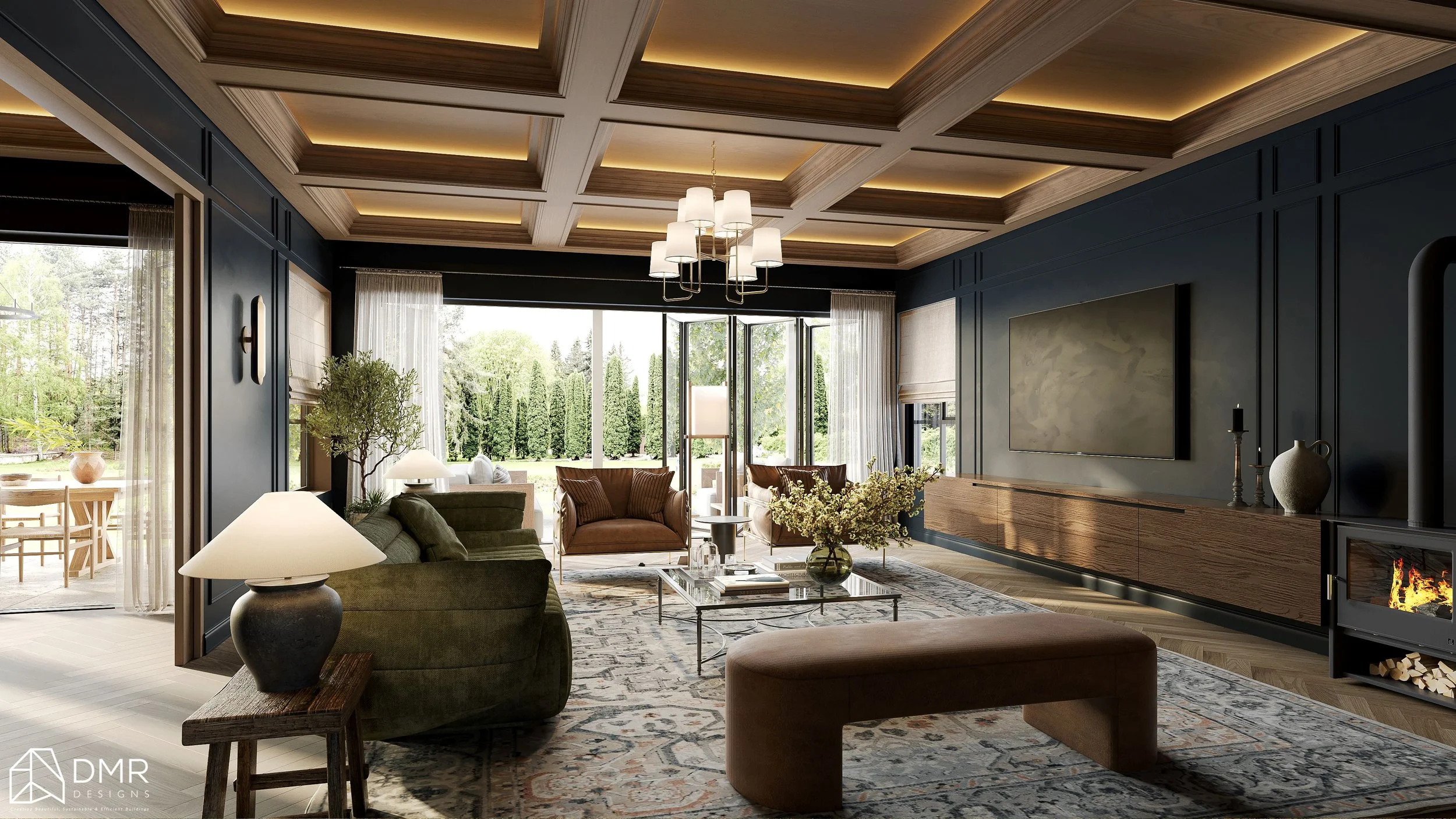
Ready to create a home that feels thoughtful from the very first step inside?

Whether you're planning a new build, renovation, or custom residence, DMR Designs can help bring your vision to life with spaces that balance functionality, lifestyle, and timeless design.

Get in touch with the team today to start designing a home that makes a lasting impression — from the entryway and beyond.