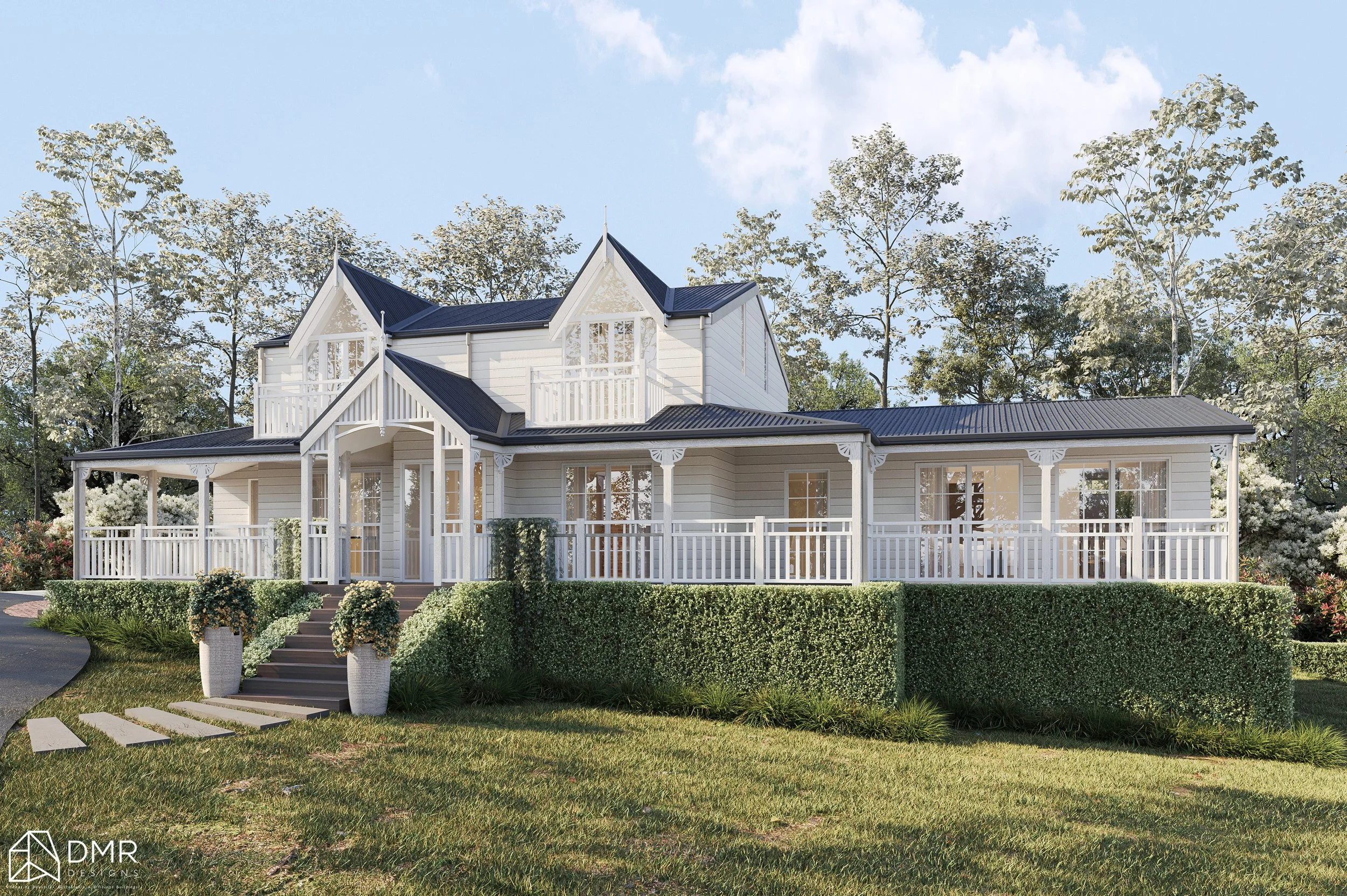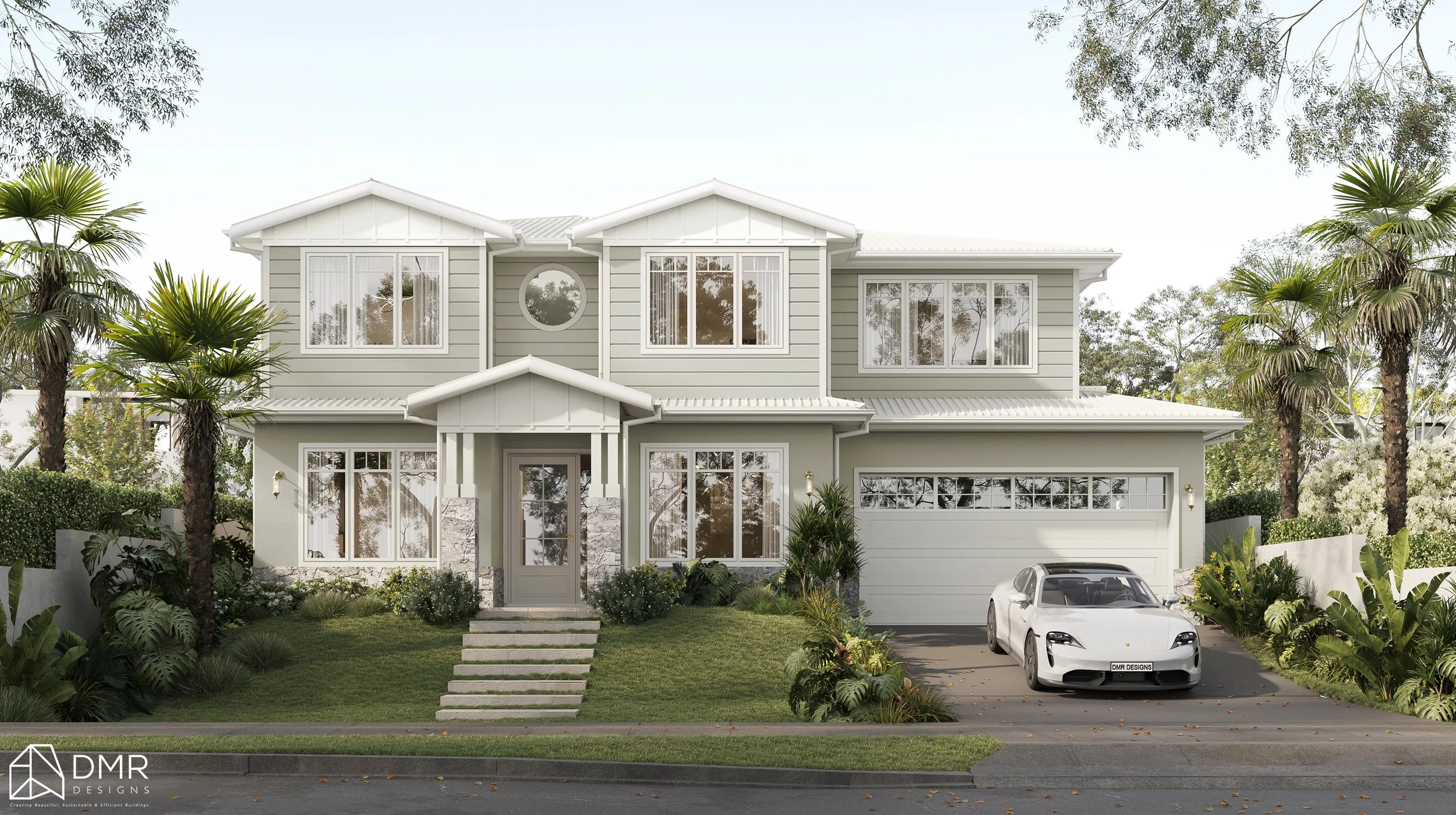
What Designing Homes Across Sydney Has Taught Us About Creating Homes That Actually Work
From Castle Hill, North Rocks and The Gables to Paddington, Surry Hills, Bronte, Bayview, Kurrajong and suburbs right across Sydney — every site has taught us something different about designing a home that truly works for the people who live in it.
A house might look perfect on Pinterest.
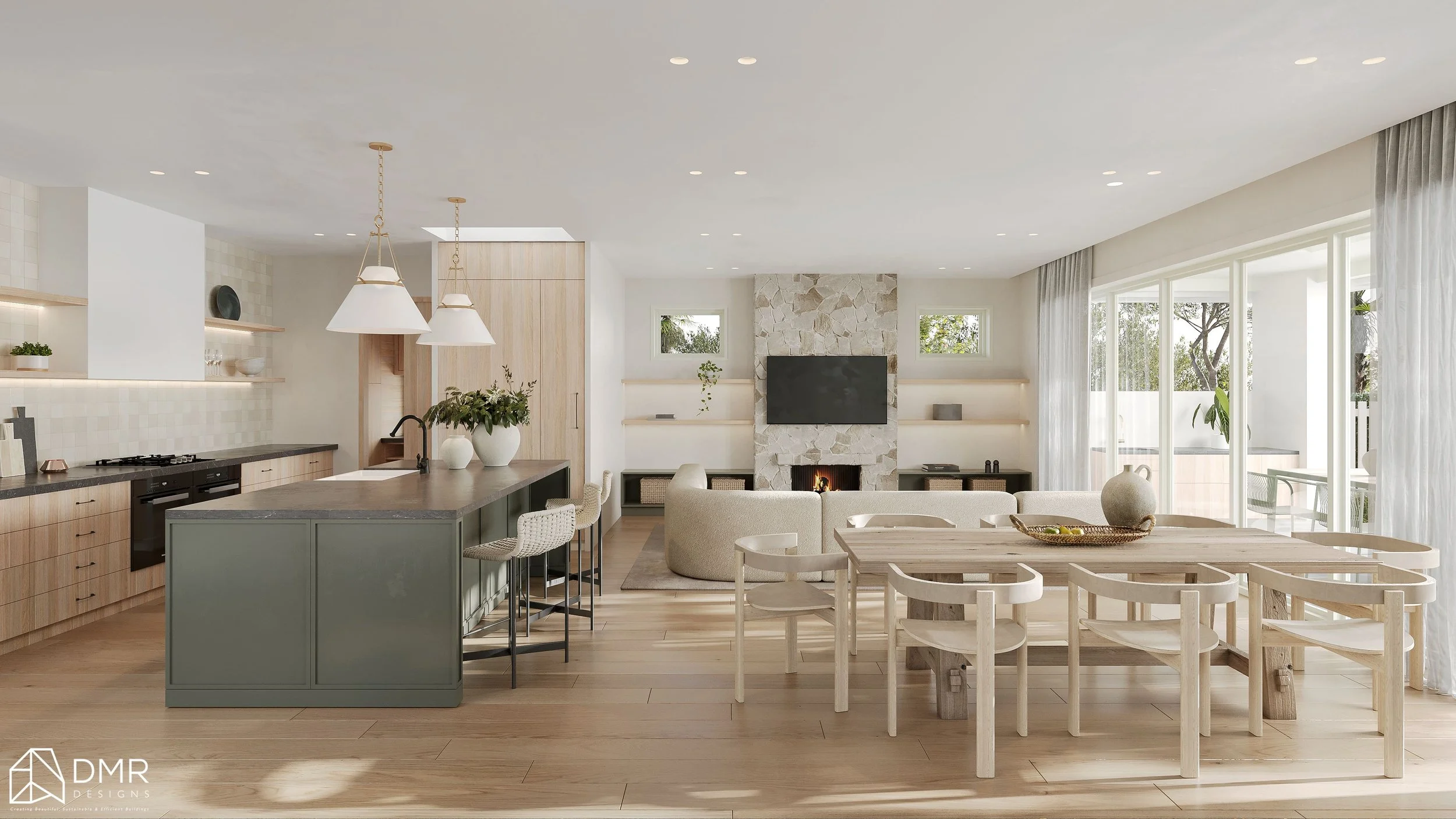
It might have the dream kitchen, the enormous island bench, the floor-to-ceiling windows and the perfectly styled outdoor entertaining area.
But put that same house on the wrong block, in the wrong suburb, with the wrong orientation — and suddenly, it doesn’t work quite so well.
That’s one of the biggest lessons we’ve learned from designing homes across Sydney.
At DMR Designs, we’ve worked on everything from renovations and extensions to custom homes, dual occupancies and more complex sites across suburbs including Castle Hill, North Rocks, Kings Langley, The Gables, Northmead, Paddington, East Kurrajong and beyond.
And while every project is different, the suburbs themselves have a surprising amount to teach us.
Because great residential design isn’t about copying what looks good somewhere else.
It’s about understanding where you are, what you have, and how you actually live.
Here are some of the biggest lessons we’ve learned along the way.

1. Every block has a personality
One of the first things we tell clients is:
Don’t fall in love with a house design before falling in love with the site.
A block in Castle Hill can have completely different opportunities and constraints to a property in Paddington.
You might be dealing with:
A steep slope
An awkward lot shape
Limited street access
Bushfire considerations
Heritage constraints
Existing mature trees
Privacy issues
Neighbouring properties
Different solar orientations
Council planning controls
And sometimes, the “problem” with the site becomes the best part of the design.
A sloping block, for example, doesn’t necessarily mean you need to fight the slope.
Sometimes the smarter approach is to work with it, creating split levels, better views, natural separation between living zones or even additional usable space.
The lesson?
Don’t ask, “How do we fit this house onto the block?”
Ask:
“What is this block trying to tell us?”

2. The same floor plan doesn't work everywhere
We understand the temptation.
You find a floor plan online that looks amazing. Five bedrooms. Three bathrooms. Huge kitchen. Double garage.
Perfect.
Right?
Not necessarily.
A floor plan that works beautifully on one site can be completely unsuitable on another.
Why?
Because orientation, setbacks, access, privacy, views, site levels and planning requirements all change.
A home designed for a wide suburban block might struggle on a narrow site.
A design that works in a new development might feel completely out of place in an established neighbourhood.
And a beautiful open-plan layout can become uncomfortable if the western sun is blasting through your living room every afternoon.
Good design starts with the site — not a floor plan.
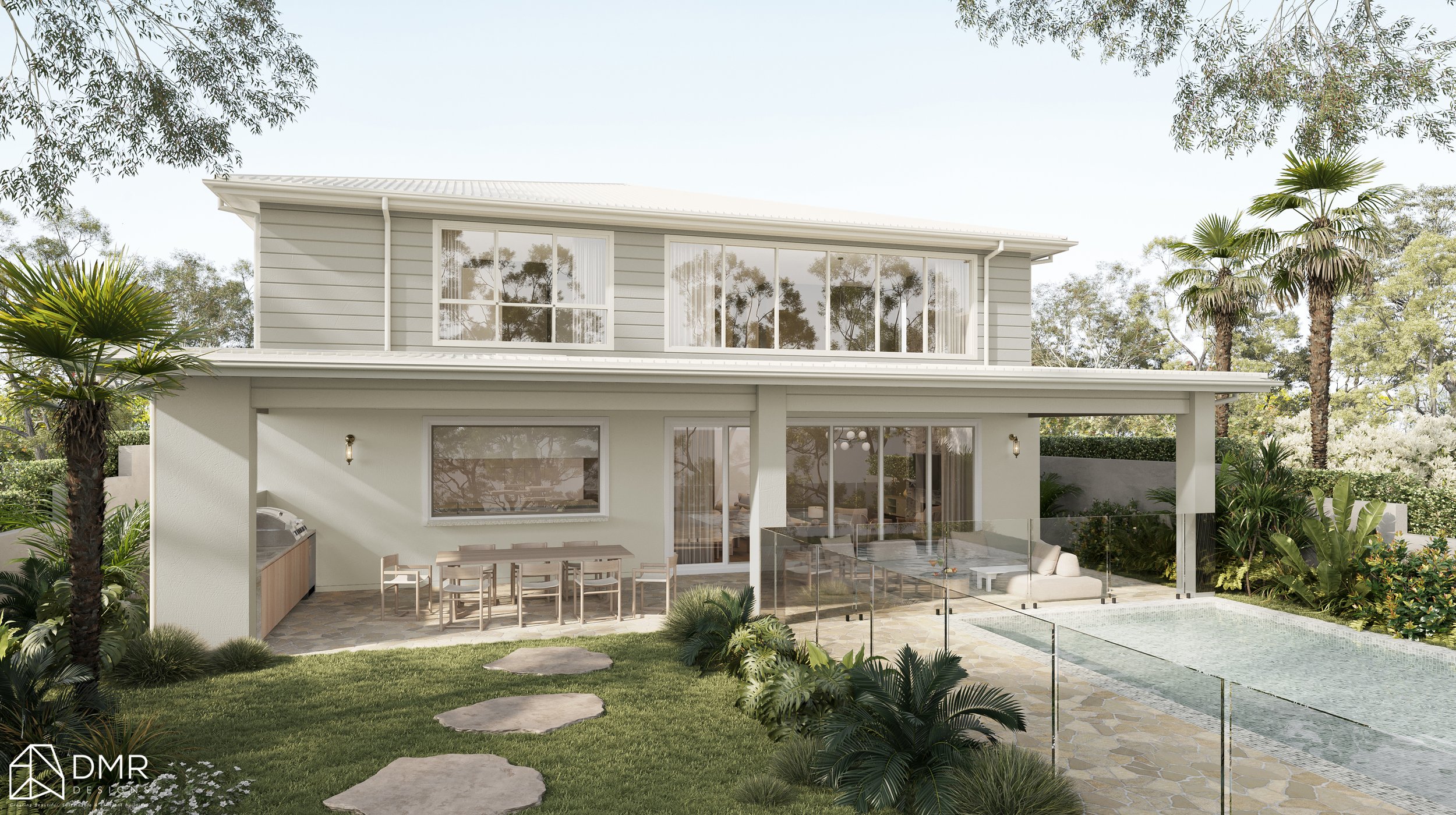
3. Sydney's suburbs have very different personalities
This is one of our favourite things about residential design.
You can drive for 20 minutes and feel like you're in a completely different part of Sydney.
The architecture, streetscape, lot sizes and expectations can change dramatically.
The Hills
Suburbs throughout Sydney's Hills District often offer larger family blocks and a strong demand for spacious contemporary homes.
Here, homeowners may prioritise:
Larger living areas
Indoor-outdoor connections
Family-friendly layouts
Home offices
Media rooms
Pools and entertaining areas
Multiple living zones
But bigger doesn't automatically mean better.
A 400m² house can still feel cramped if the spaces aren't planned properly.
The goal is to create usable space, not simply more space.

Established suburbs
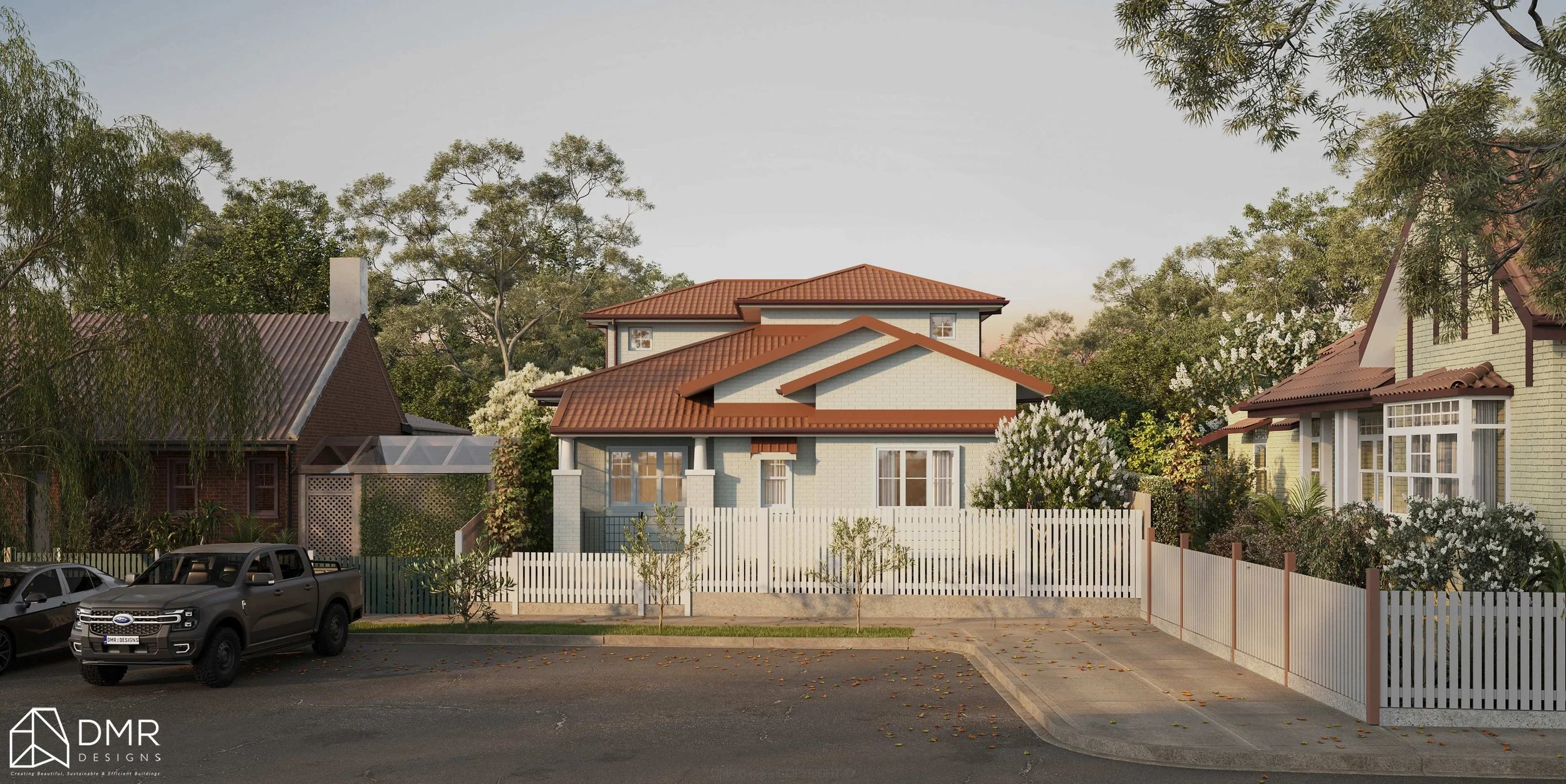
In suburbs with older homes, the challenge can be completely different.
You might have a beautiful existing cottage or character home that has great bones — but a kitchen from another era and a floor plan that doesn't quite suit modern family life.
This is where alterations and additions become particularly interesting.
Rather than demolishing everything, the design can work with the existing character while introducing:
Better natural light
Improved circulation
Open-plan living
Additional bedrooms
Modern kitchens
Outdoor entertaining
Better connection to the backyard
The result isn't necessarily an entirely new house.
It's a better version of the house you already have.

4. Heritage doesn't mean you can't have modern living
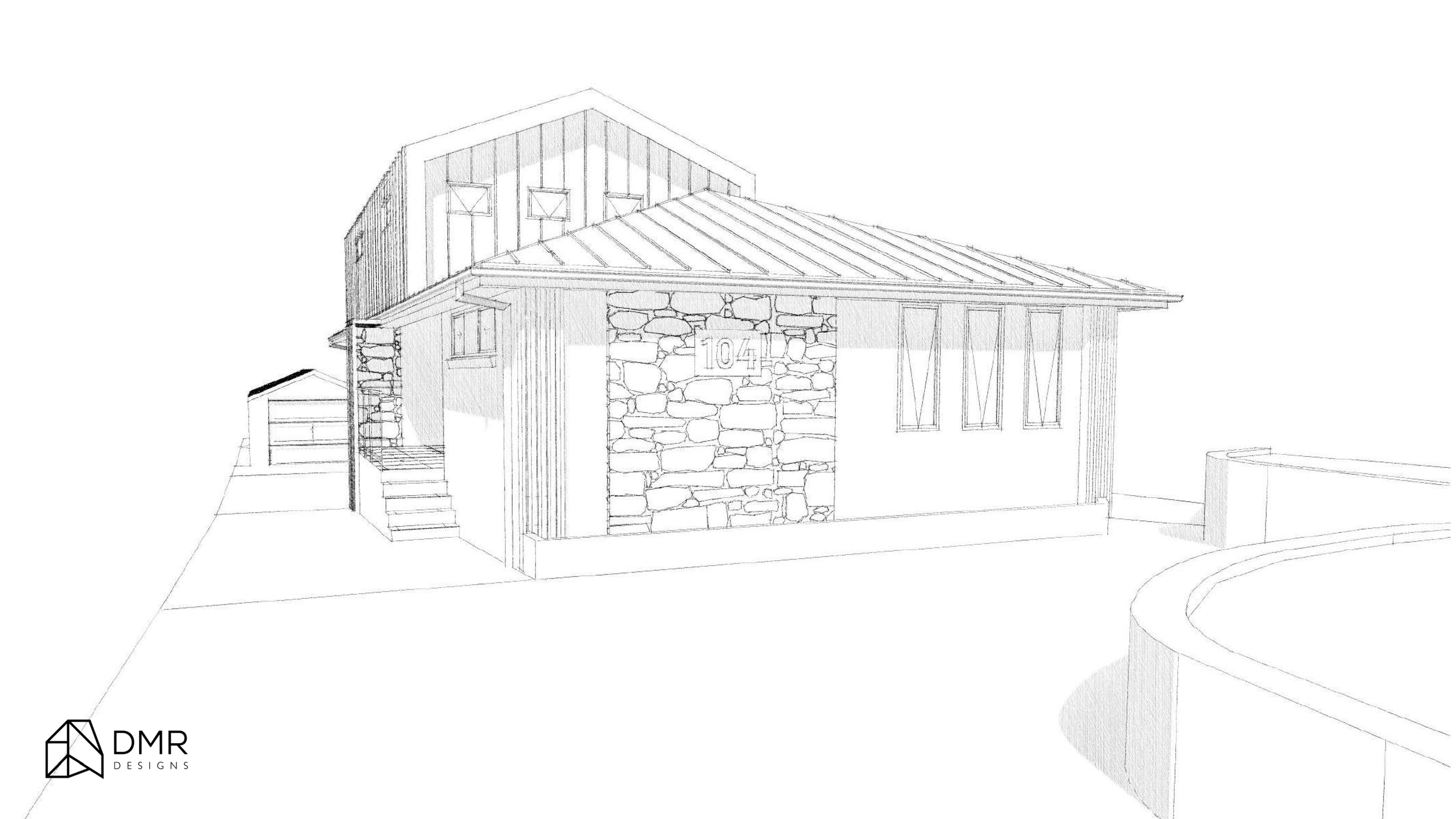
Some of our most interesting projects involve properties where the existing home has character worth preserving.
And no, that doesn't mean you have to live like it's 1925.
The trick is finding the right balance between old and new.
A successful addition should feel intentional.
It shouldn't look like someone simply attached a modern box to the back of an old house.
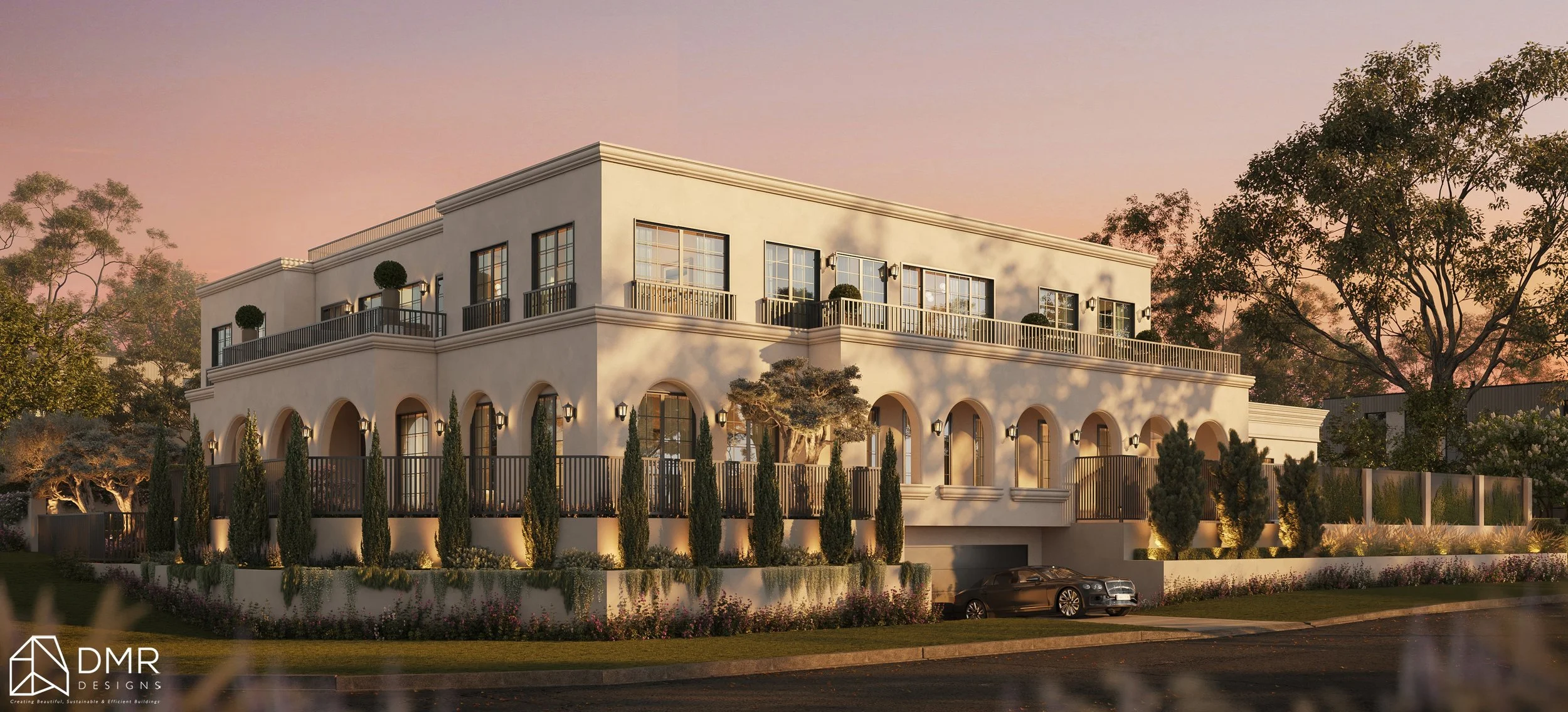
Instead, the new design can respond to the proportions, materials and character of the original while still providing the functionality a modern family expects.
Think:
Character at the front. Contemporary living at the back.
When done well, the two can complement each other beautifully.
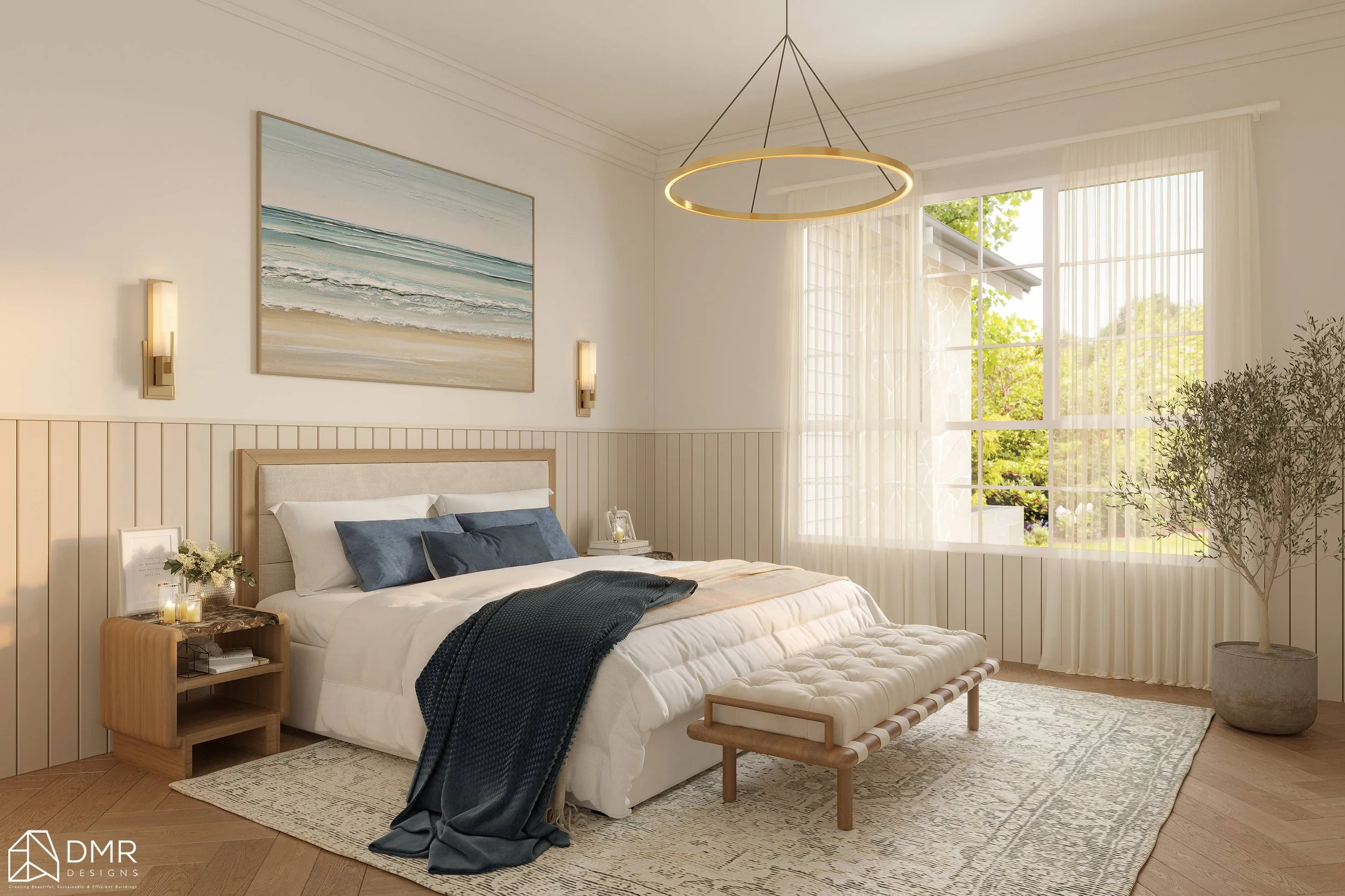
5. Privacy is becoming more important
Open-plan living is great.
Open-plan living where your neighbours can see directly into your kitchen?
Not so great.
As suburban development becomes denser, privacy needs to be considered much earlier in the design process.
This can influence:
Window placement
Building orientation
Landscaping
Screening
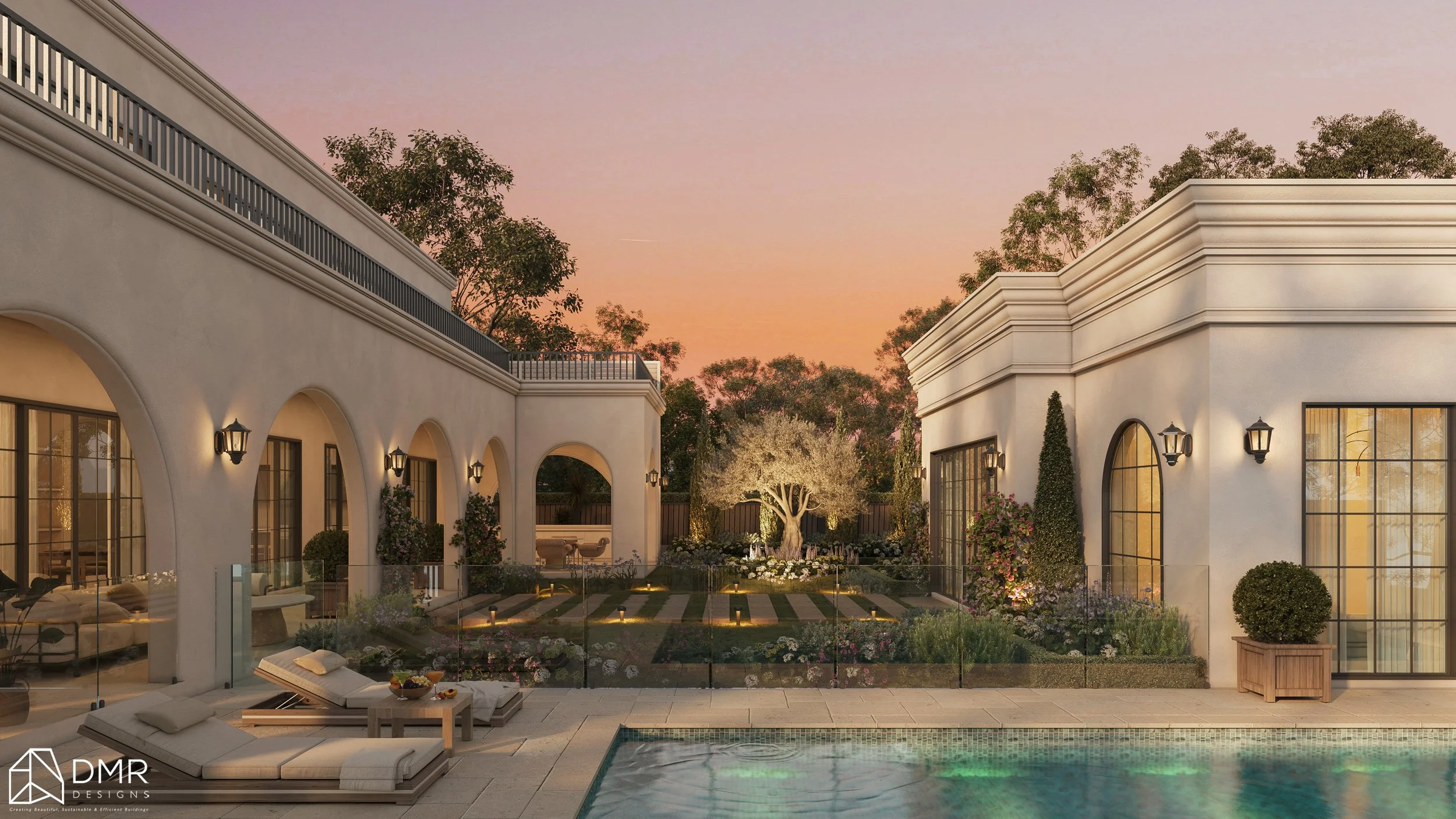
Courtyard design
Balcony locations
Bedroom positioning
Outdoor entertaining areas
Sometimes the best solution isn't a giant fence.
It might simply be positioning a window differently or creating a carefully designed courtyard.
Good design doesn't just frame the views you want.
It also hides the views you don't.

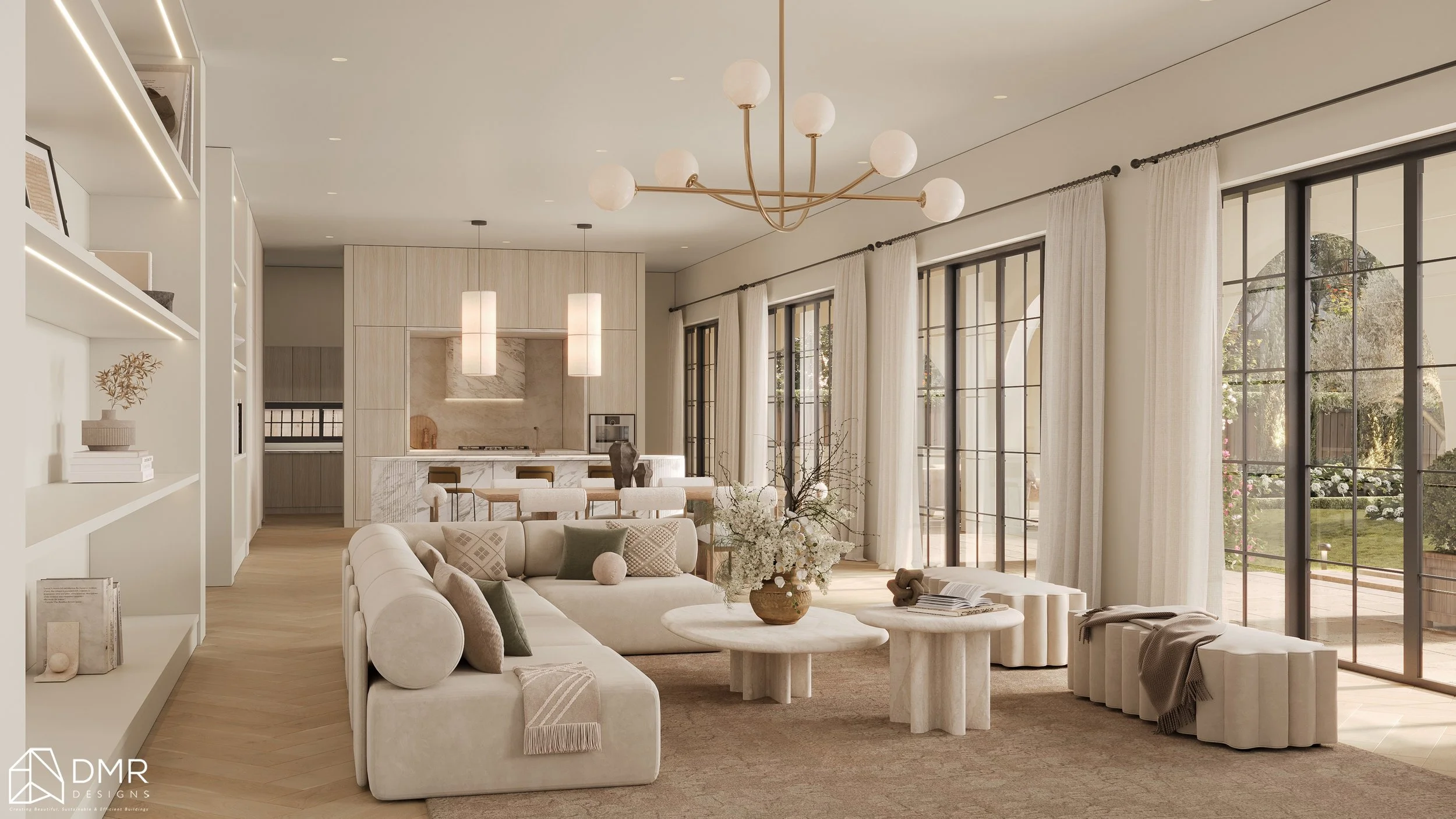
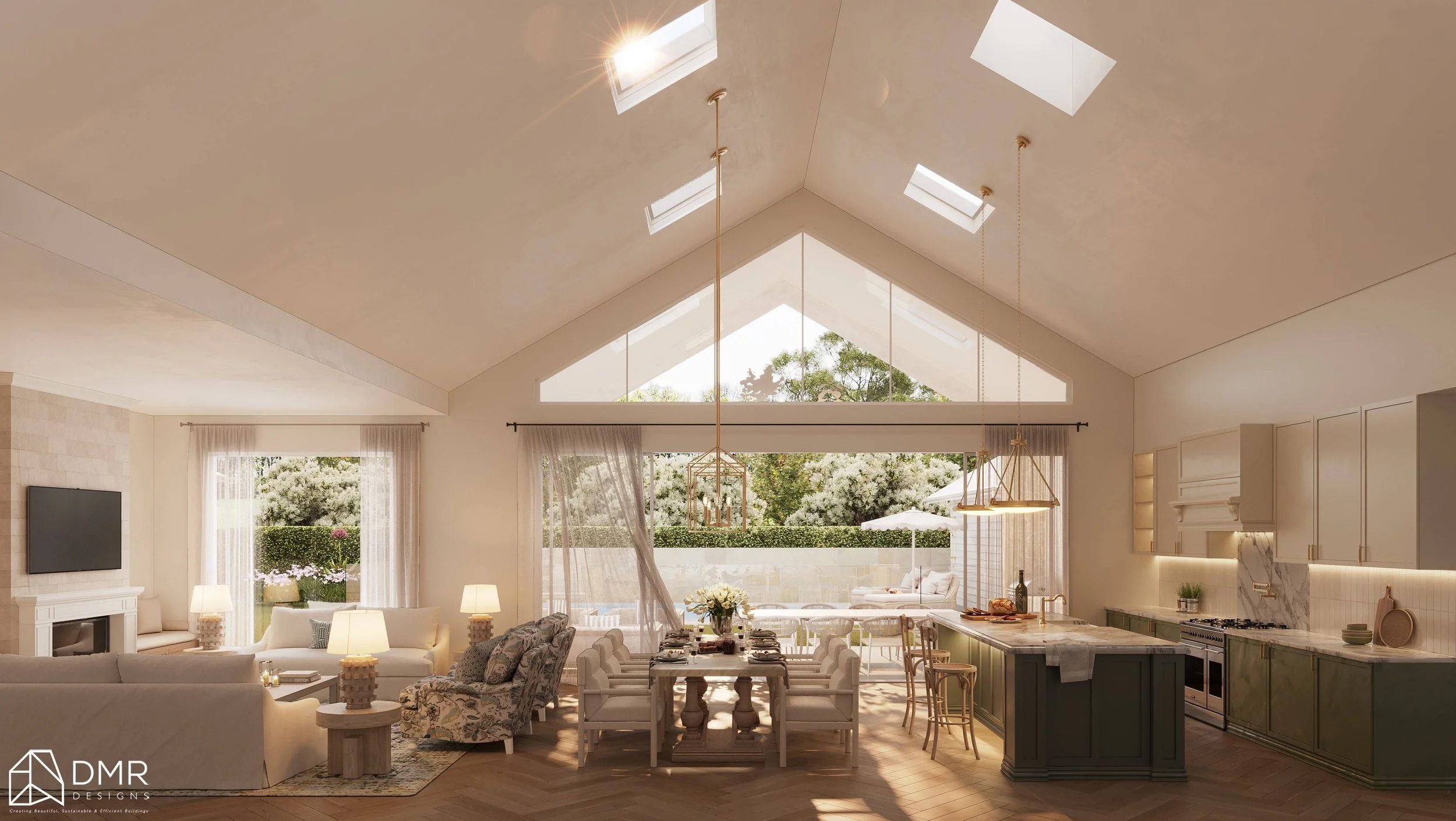
6. Natural light can completely change a home
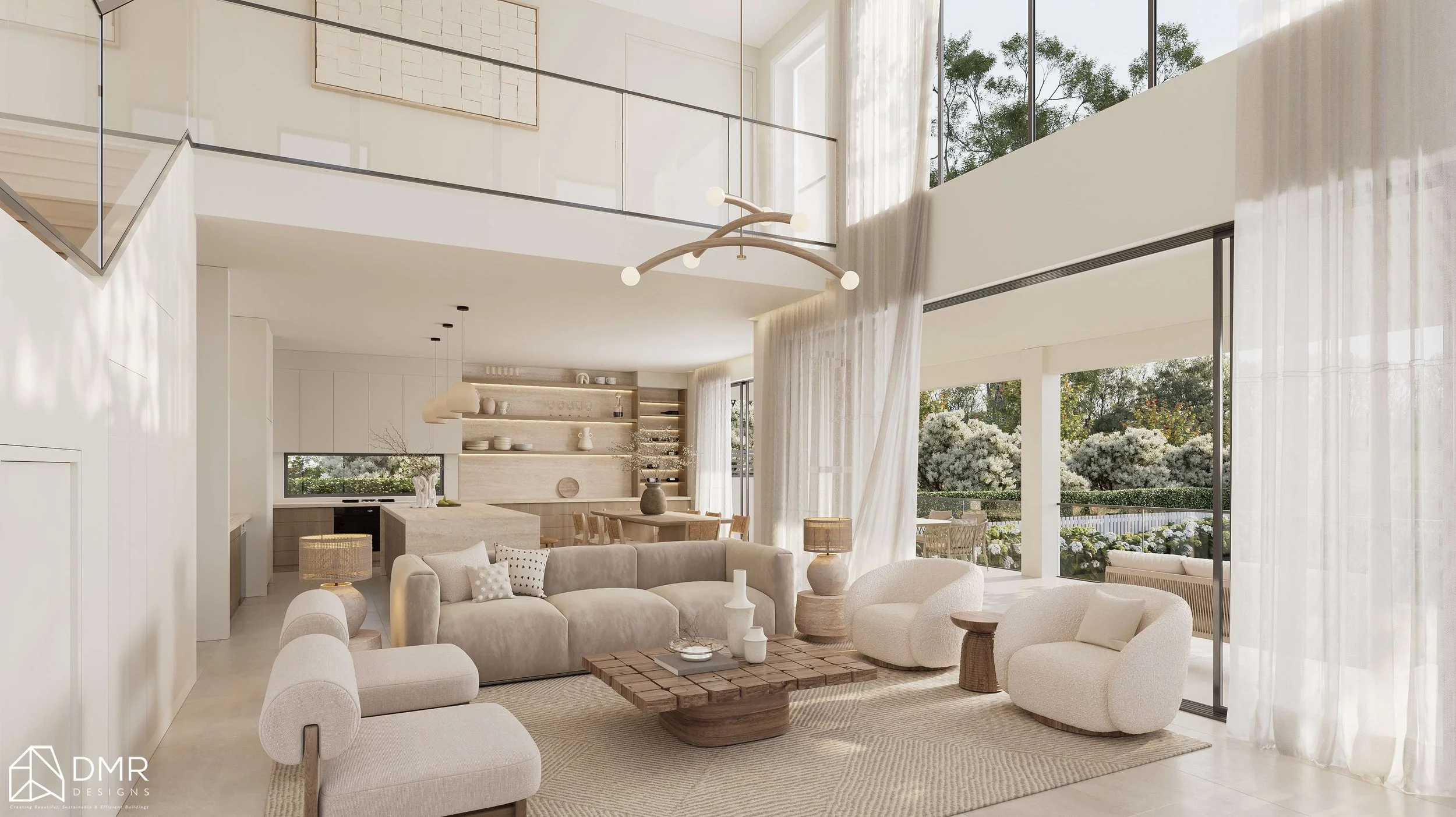
One of the biggest differences between a house that feels “okay” and one that feels fantastic can be something surprisingly simple:
Light.
Natural light affects how large a room feels, how welcoming it is and even how you move through the home.
But getting more glass isn't automatically the answer.
Too much western glazing can create excessive heat.
Poorly positioned windows can create glare.
Large windows facing a neighbour can create privacy problems.
The best results come from considering orientation, shading, window placement and room positioning together.
Sometimes a strategically positioned highlight window can do more than an entire wall of glass.

7. Council requirements aren't just paperwork
Let's be honest.
Planning controls aren't exactly the most exciting part of building a home.
But they matter.
Height limits, setbacks, floor space ratios, heritage requirements, bushfire constraints, privacy provisions and other planning controls can all influence what is possible on a site.
And this is where local knowledge becomes incredibly valuable.
The design needs to respond to the rules before you become emotionally attached to a concept that may not be achievable.
At DMR Designs, we consider the planning context early because we'd much rather identify a potential issue during design than after you've spent significant time and money developing a proposal.
The best time to discover a planning problem is early.
Not after you've finished the drawings.

8. Your lifestyle matters more than your suburb
Here's perhaps the biggest lesson of all.
Two families can own identical blocks in the same suburb and need completely different homes.
One family might want a huge kitchen and entertaining area.
Another might barely cook but desperately need a home office.
One might want four bedrooms.
Another might prefer three generous bedrooms and multiple living spaces.
Some people want a pool.
Some people want a garden.
Some people want somewhere to hide from the kids.
And some people want somewhere the kids can finally stop hiding.
There is no universal “perfect home.”
The best home is the one designed around the people living in it.

9. Budget should influence design from day one
One of the biggest mistakes homeowners can make is treating budget as something to think about later.
Design first.
Cost later.
Unfortunately, construction doesn't always work that way.
The shape of the building, structural complexity, materials, glazing, site conditions, levels and specification can all influence the eventual cost.
That's why we believe good design should consider the relationship between design ambition and budget from the beginning.
This doesn't mean designing something boring.
It means knowing where to spend and where to save.
Maybe that means investing in the kitchen rather than expensive finishes throughout the entire house.
Maybe it's prioritising better orientation and natural light over unnecessary architectural complexity.
Sometimes the most valuable design decisions don't cost more at all.
They simply require better thinking.

10. The “wow factor” doesn't always come from the front facade
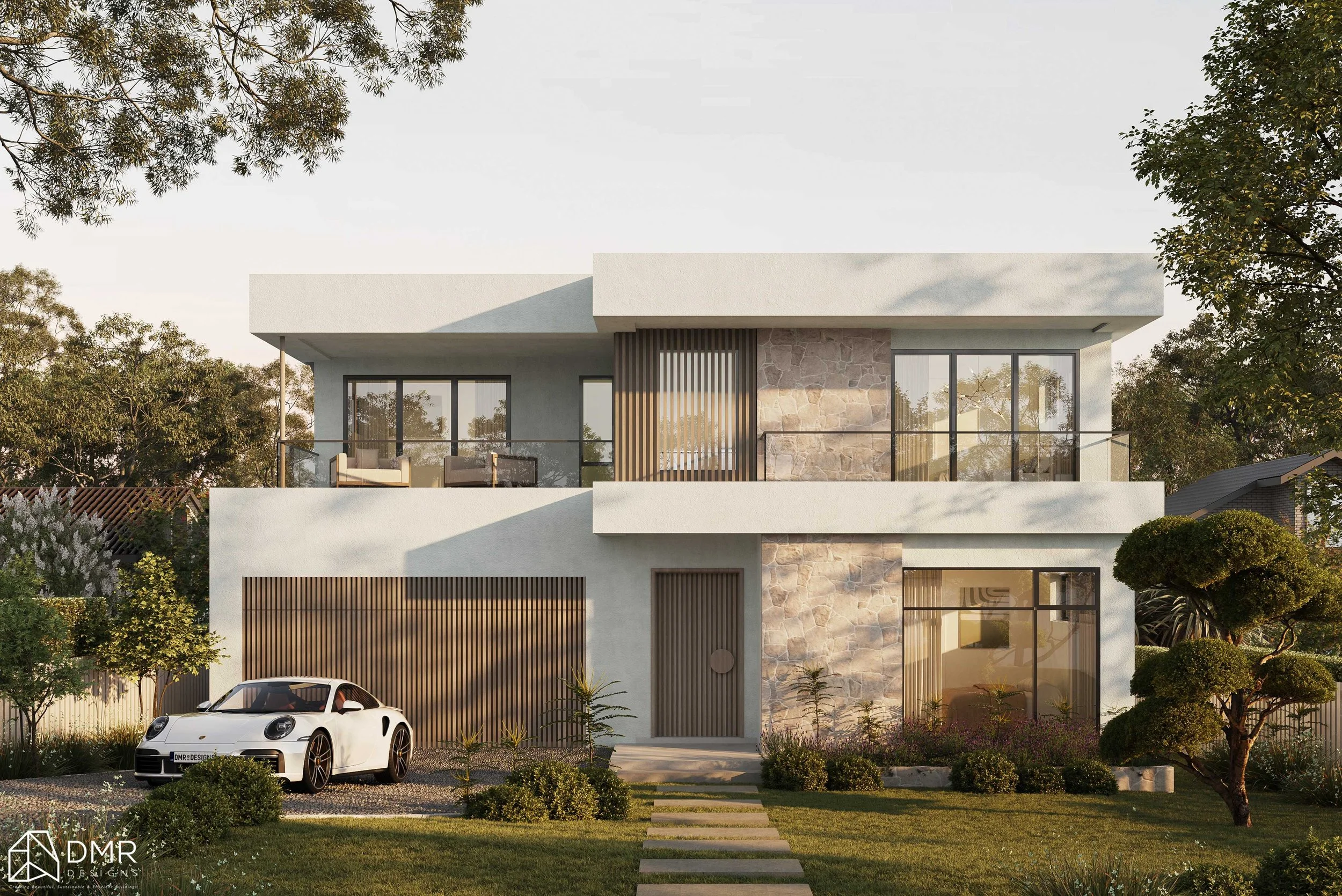
A beautiful facade is great.
But what happens when you walk through the front door?
That's where the real design should start to reveal itself.
We believe some of the most memorable parts of a home are the moments you experience every day:
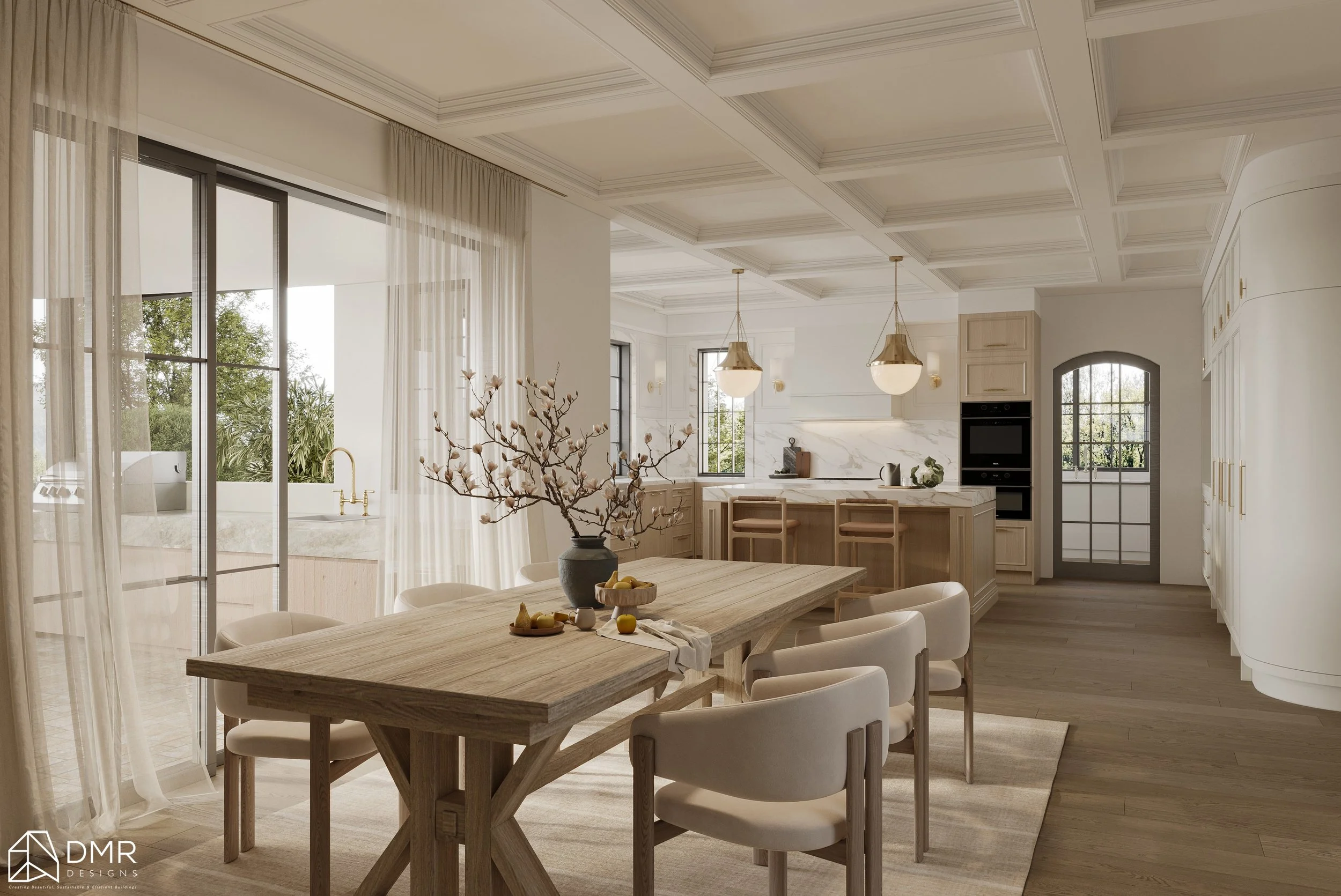
The morning sun hitting the kitchen bench.
A window framing the backyard.
Being able to see the kids playing outside while you're cooking.
Opening the living room directly onto the terrace.
A quiet corner to read.
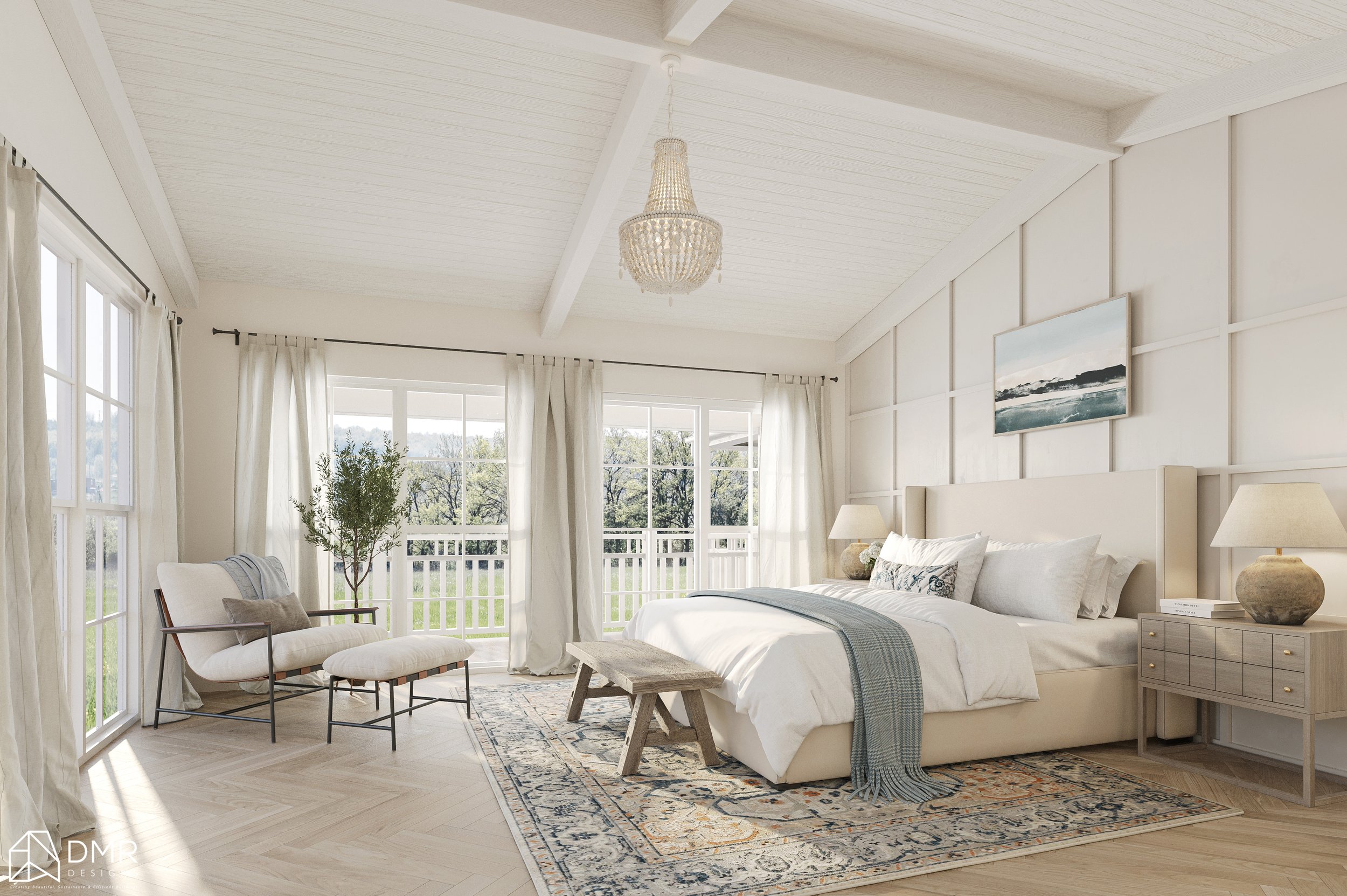
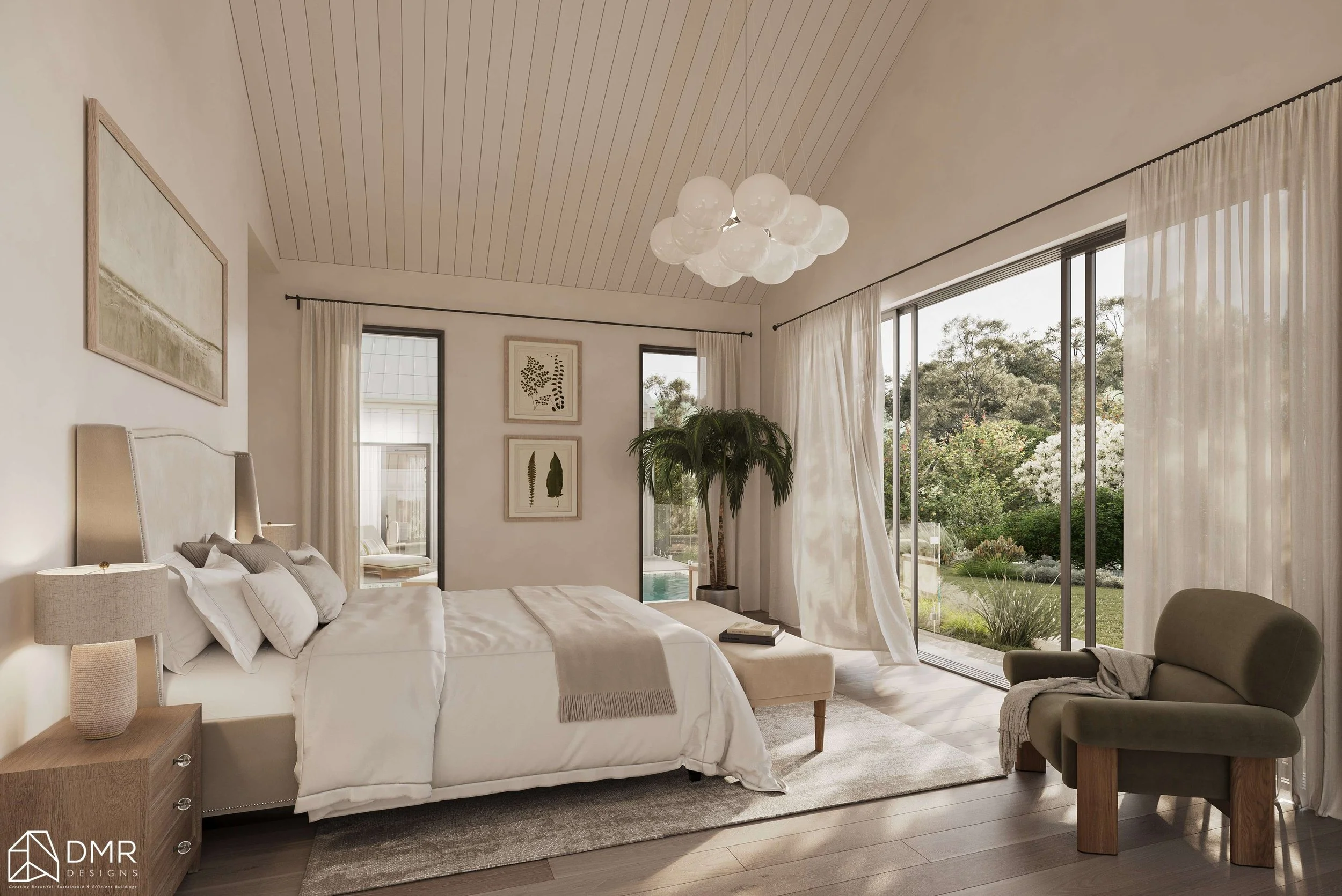
A bedroom that feels private and calm.
A hallway that isn't just a hallway, but a transition between spaces.
These are the details that turn a house into a home.
So, What Have Different Sydney Suburbs Taught Us?
If we had to sum it up, it would be this:
There is no one-size-fits-all approach to residential design.
A home in Castle Hill shouldn't necessarily be designed the same way as a home in Surry.
A renovation in an established suburb shouldn't be approached the same way as a new custom home on a greenfield site.
And a beautiful Pinterest image shouldn't dictate what happens on your block.
Your site has its own conditions.
Your suburb has its own character.
Your council has its own requirements.
And most importantly…
Your family has its own way of living.
That's what good architectural design brings together.
Thinking About Building or Renovating?
Whether you're planning a new home, renovation, extension, dual occupancy or another residential project across Sydney, the best place to start isn't with choosing a facade colour or scrolling through Pinterest.
It's with understanding your site, planning constraints, budget and goals.
At DMR Designs, we help homeowners turn those early ideas into a clear design direction — from the initial concept through to approvals and documentation.
Because after working across different suburbs and different types of homes, we've learned one thing above all:
The best designs don't just fit the block.
They fit the people.
Ready to explore what's possible for your property?