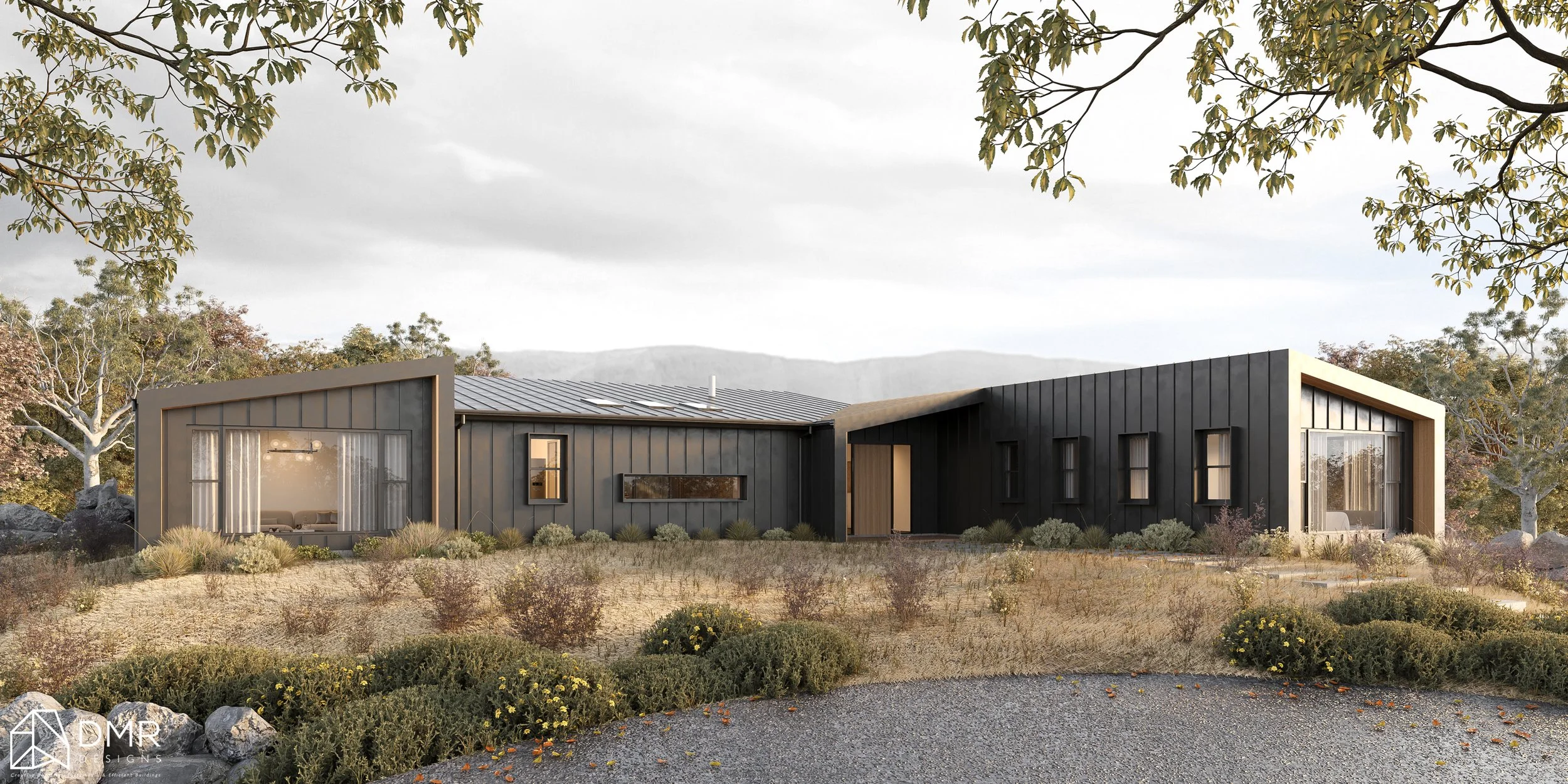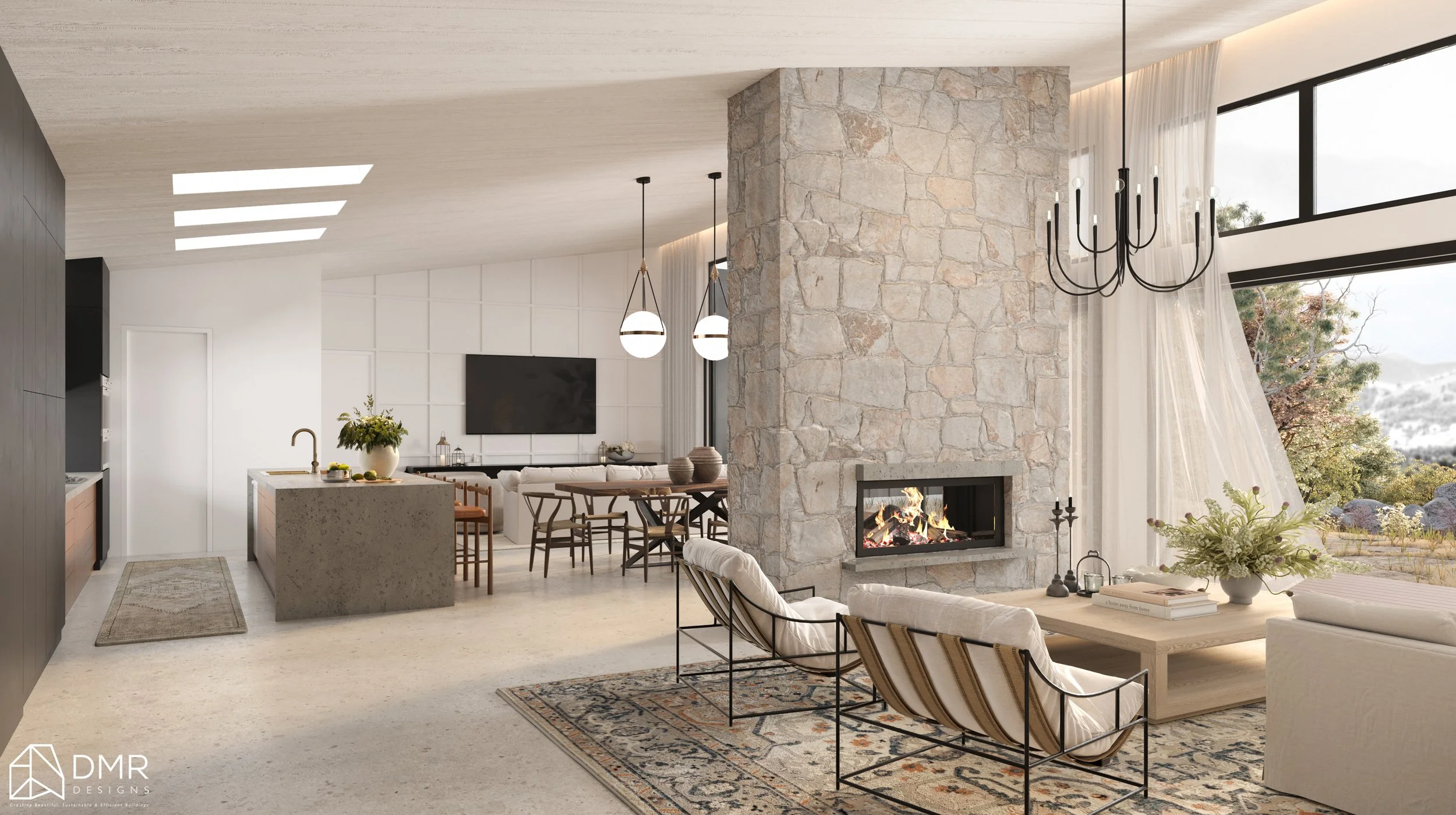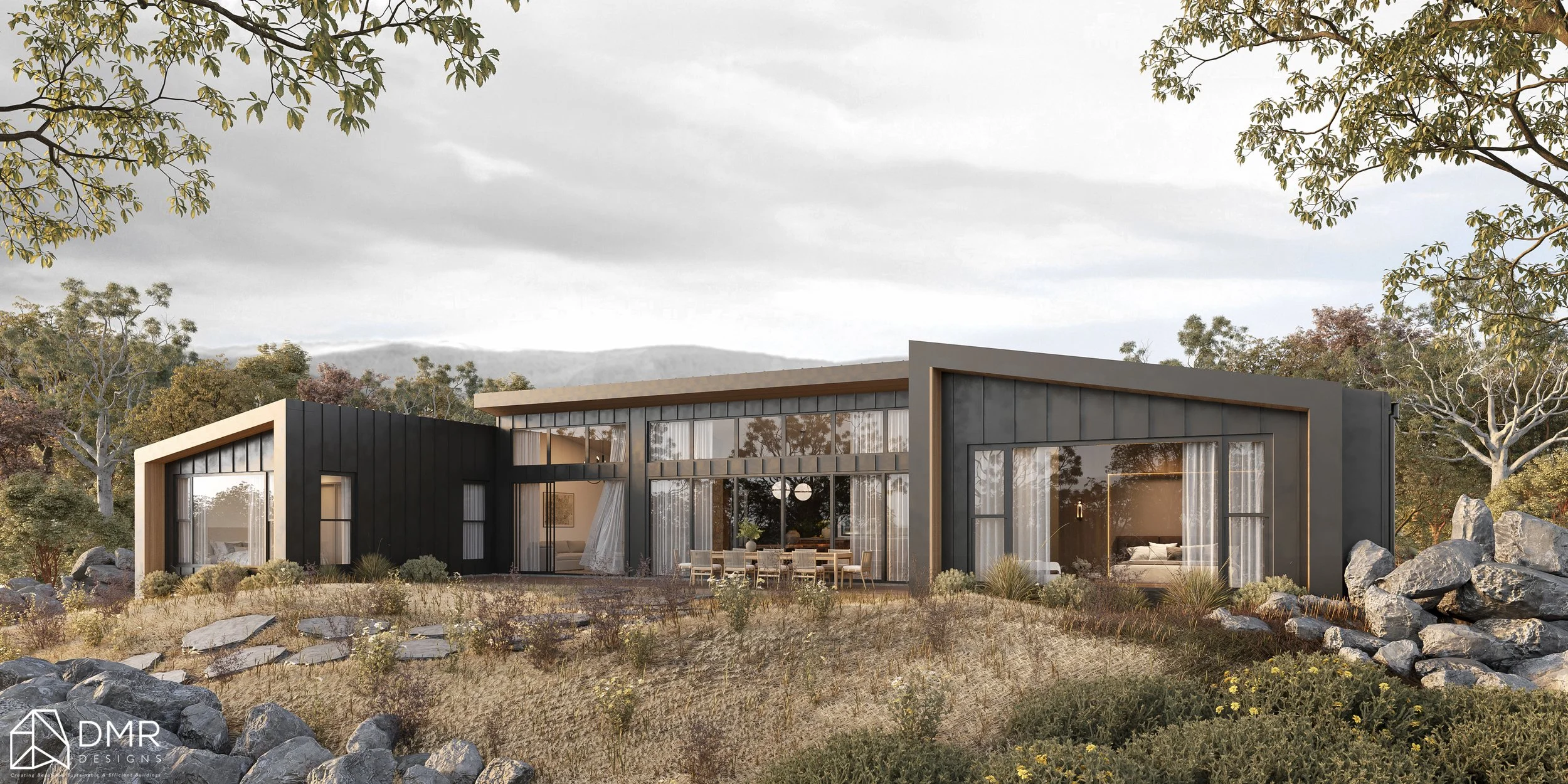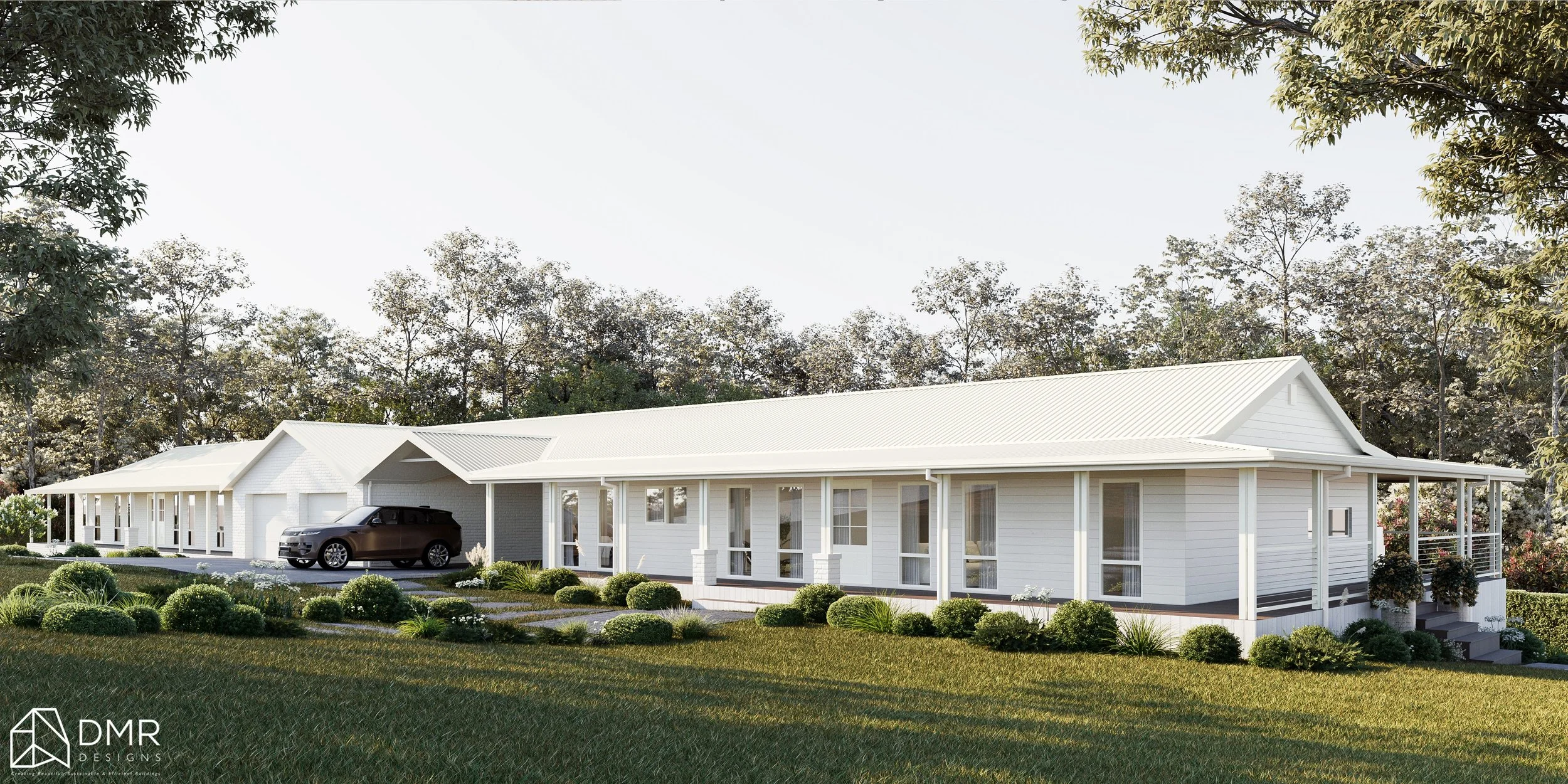
Design Inspiration

Designing the Perfect Entryway: More Than Just a Front Door

When people think about designing a home, the focus usually lands on the kitchen, living spaces, or outdoor entertaining areas. But one of the most important spaces in any home is often overlooked — the entryway.

Your entry is the very first experience of your home. It sets the tone, creates the first impression, and quietly shapes how the entire house feels from the moment someone arrives. More than just a front door, a well-designed entryway balances practicality, security, comfort, and atmosphere — all while creating a seamless transition between the outside world and your personal space.

At DMR Designs, we believe great homes don’t just look good — they feel good from the very first step inside.

Why the Entryway Matters More Than You Think

Think about the best homes you’ve walked into.

There’s usually an immediate sense of calm, clarity, and flow. You instinctively know where to go, where to place your shoes or keys, and how the home unfolds beyond the entrance.

That feeling isn’t accidental — it’s carefully designed.

A well-planned entryway can:

  • Create a strong architectural first impression

  • Improve day-to-day organisation

  • Enhance privacy and security

  • Increase natural light and ventilation

  • Help the home feel larger and more connected

  • Establish the design language of the entire home

It’s not just a passageway — it’s the opening scene of your home’s story.

First Impressions Start Before You Walk Inside

The entry experience begins long before the front door opens.

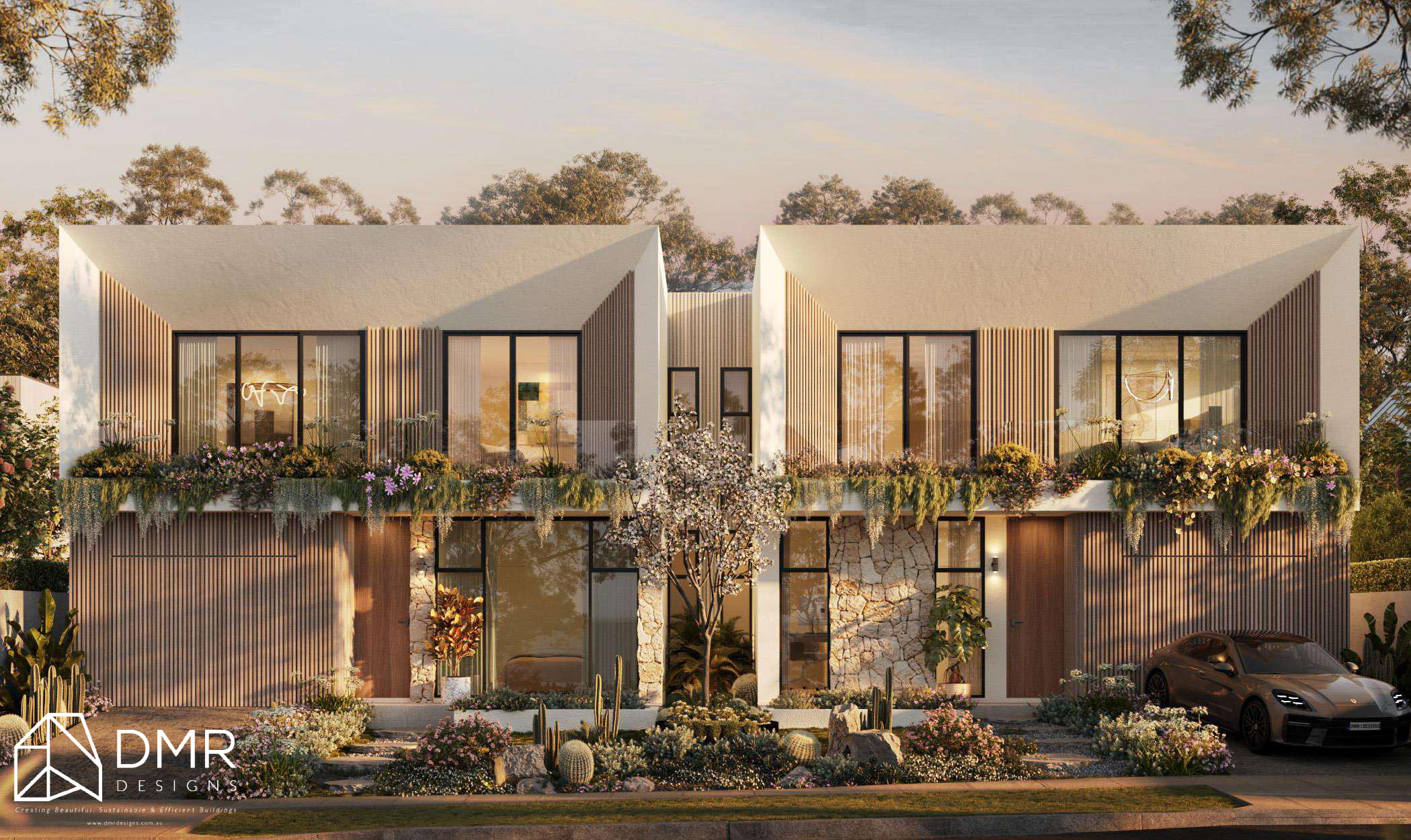
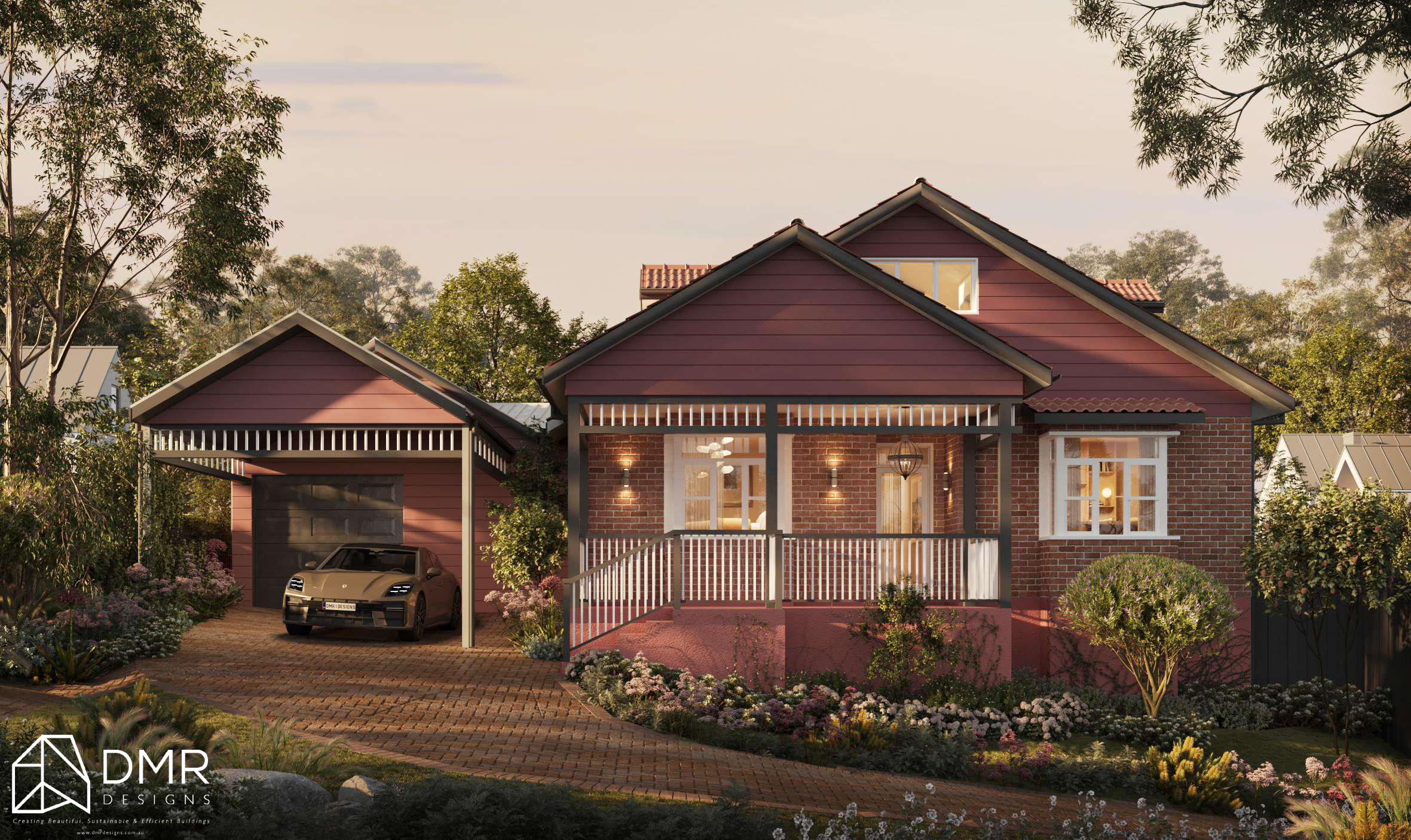
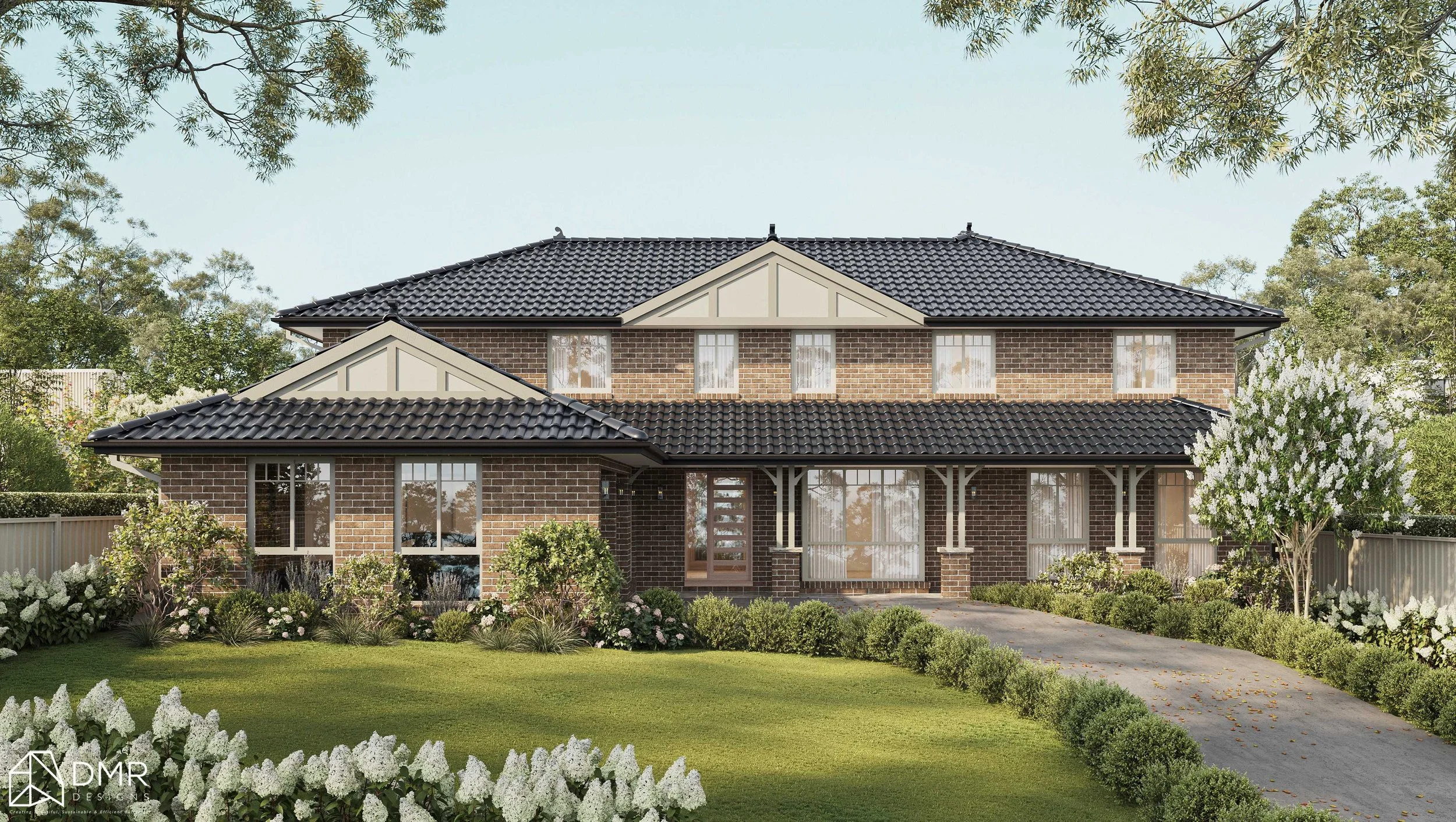
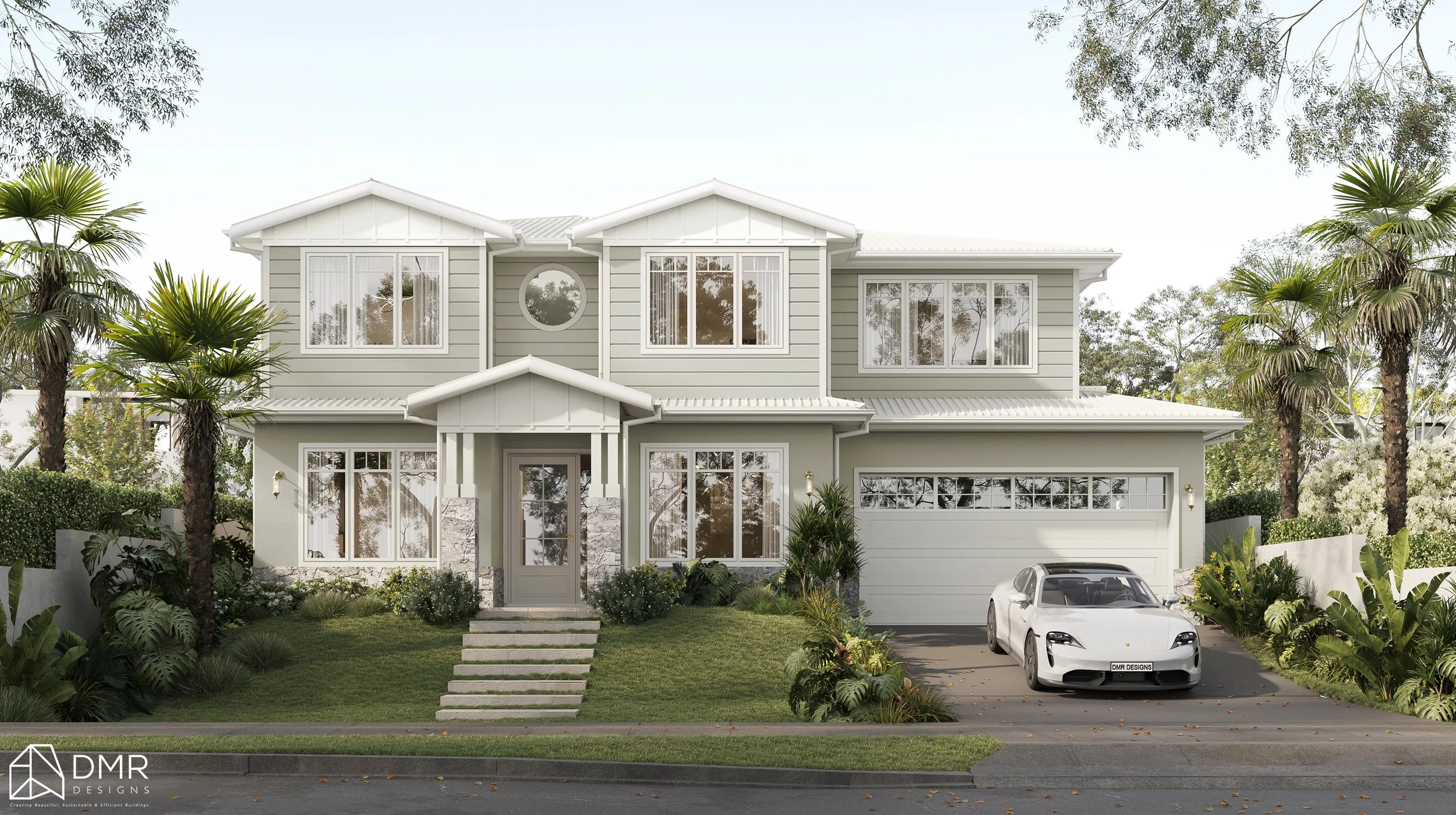
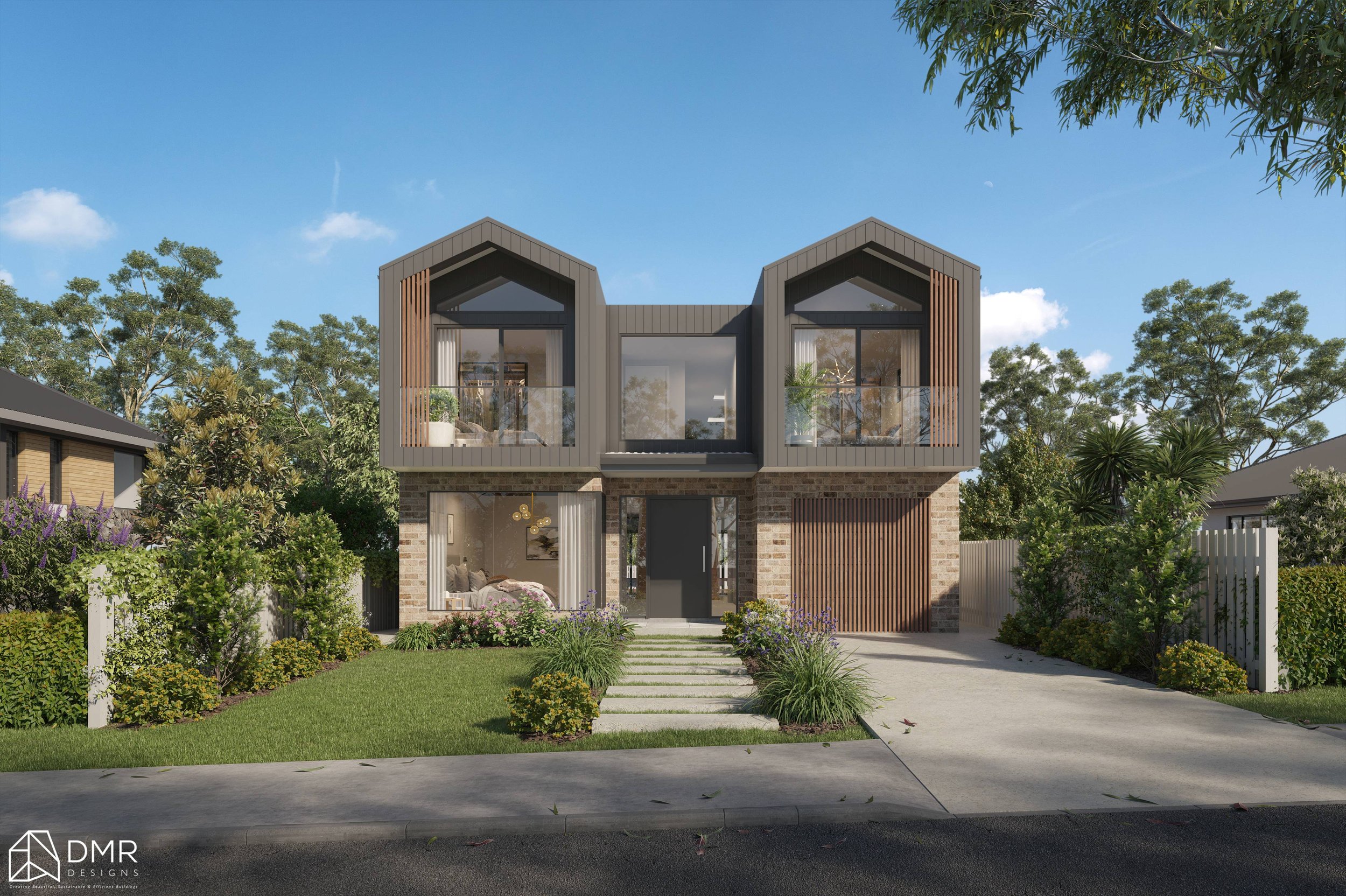
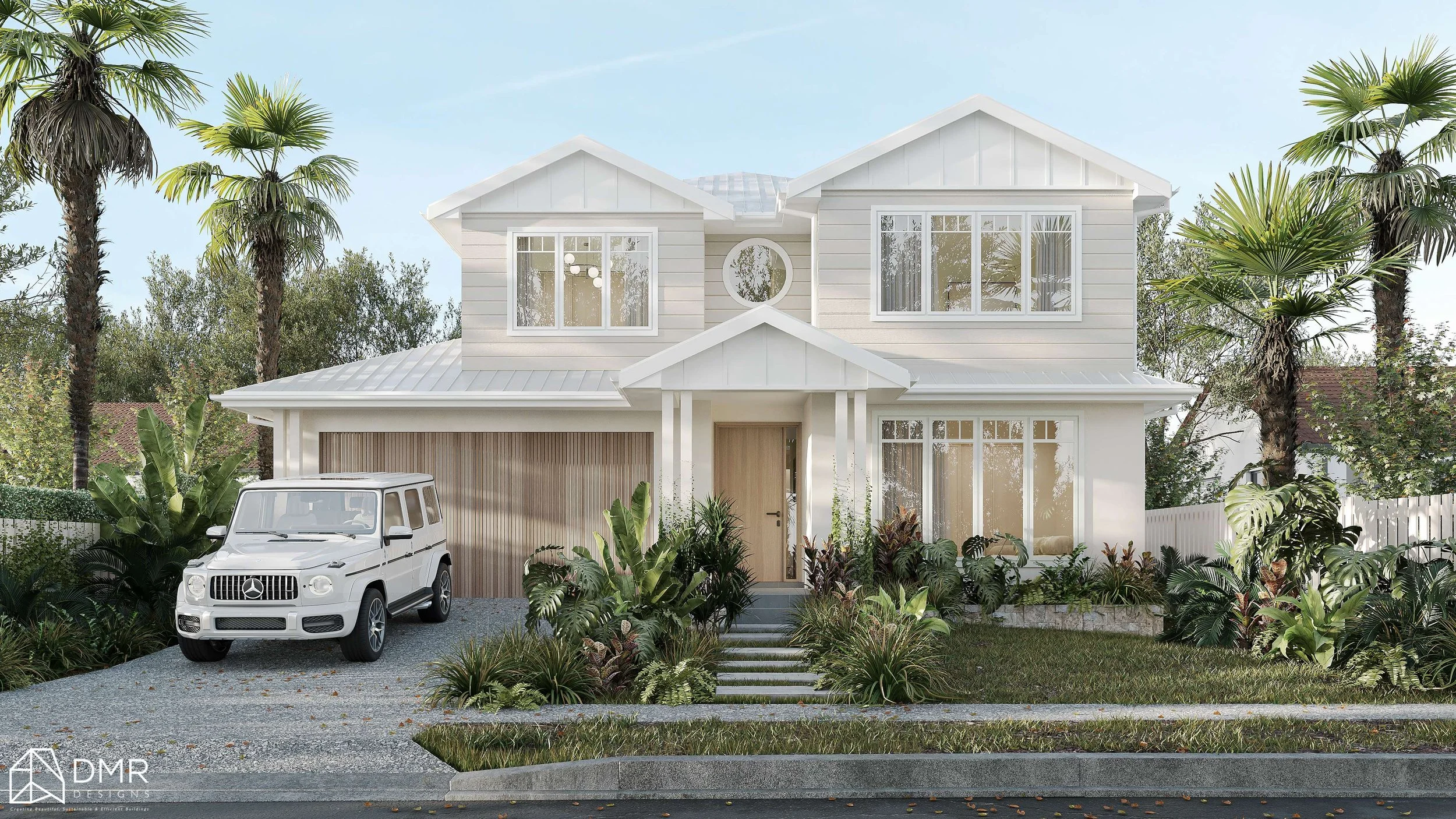
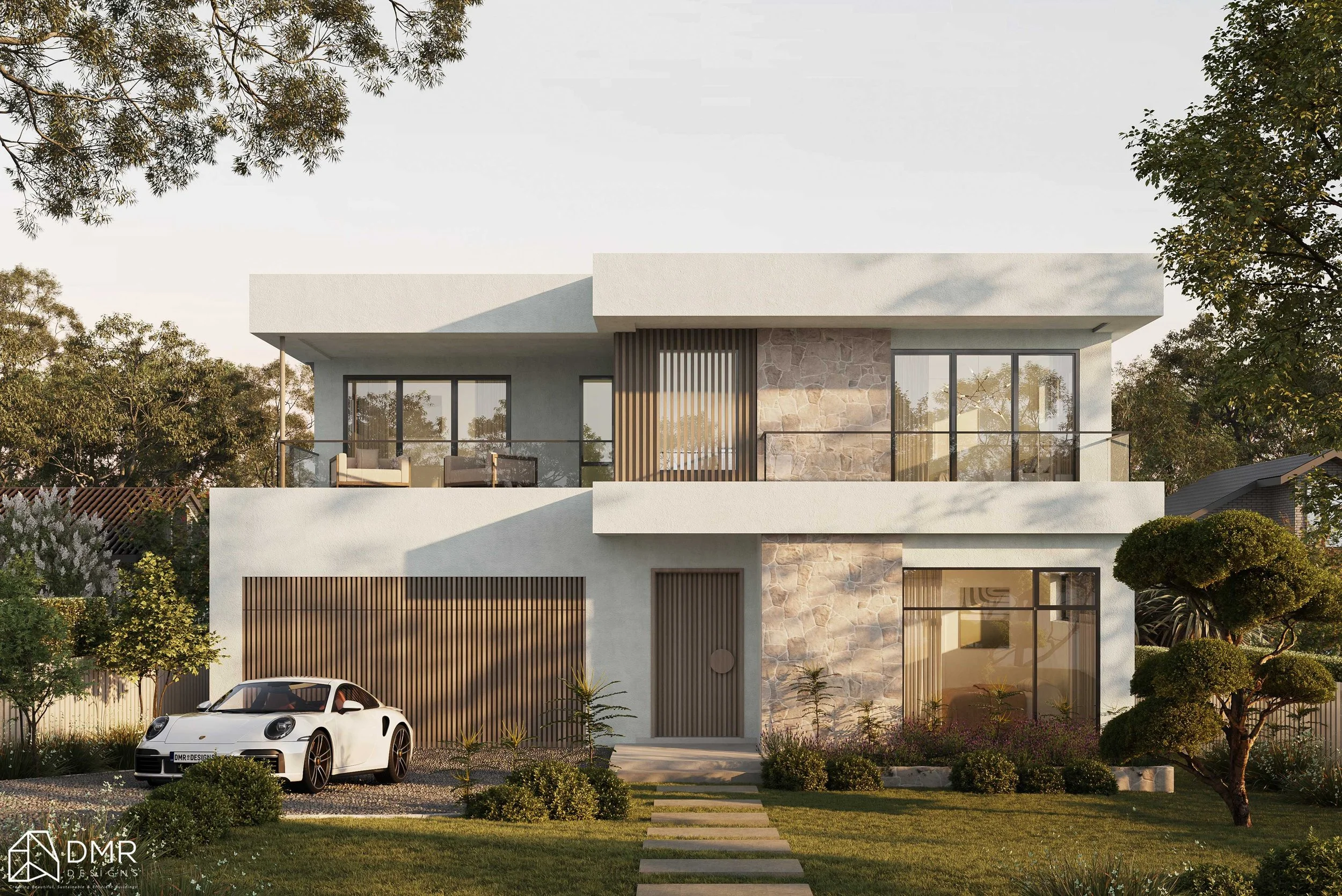
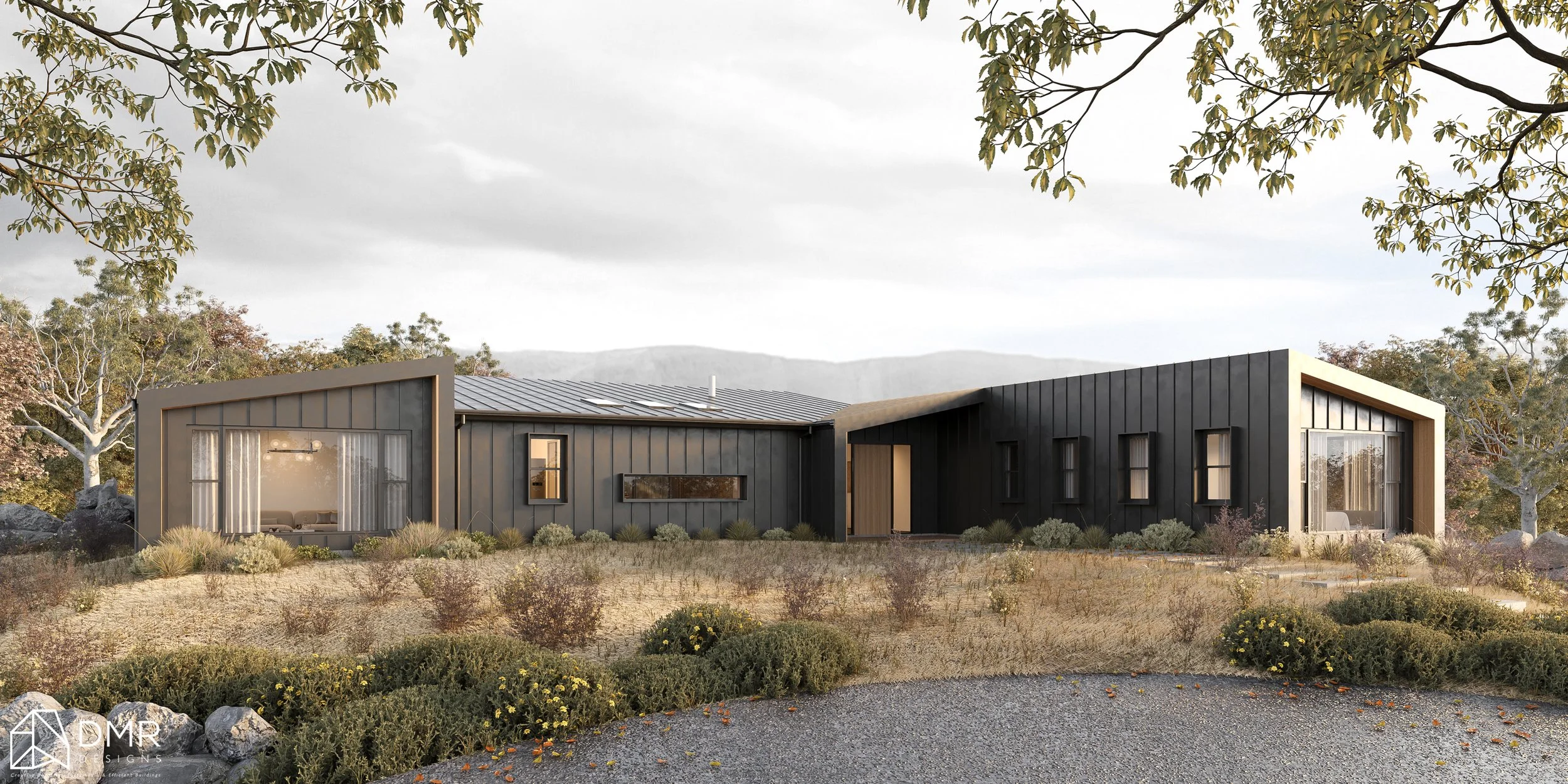
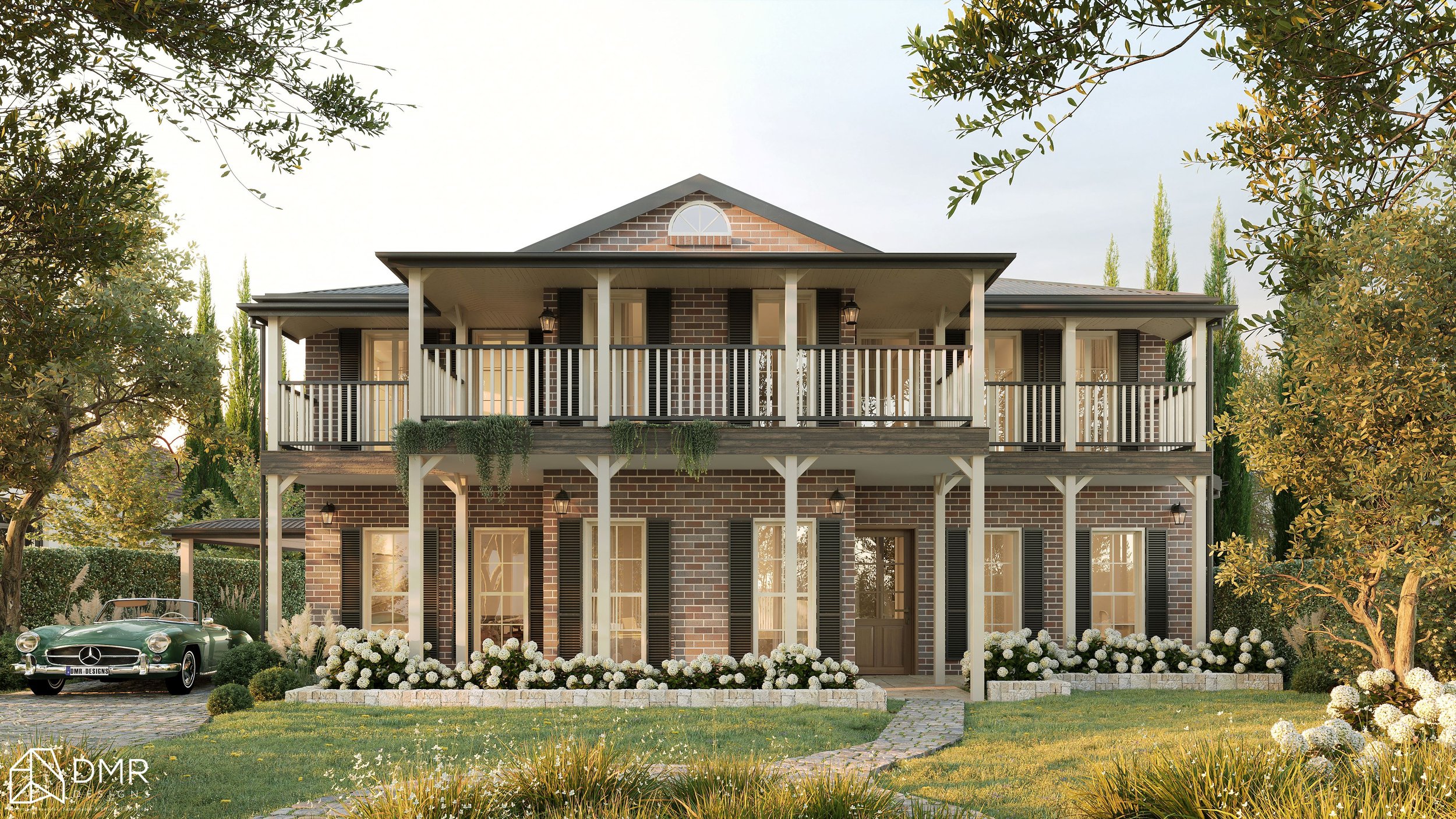
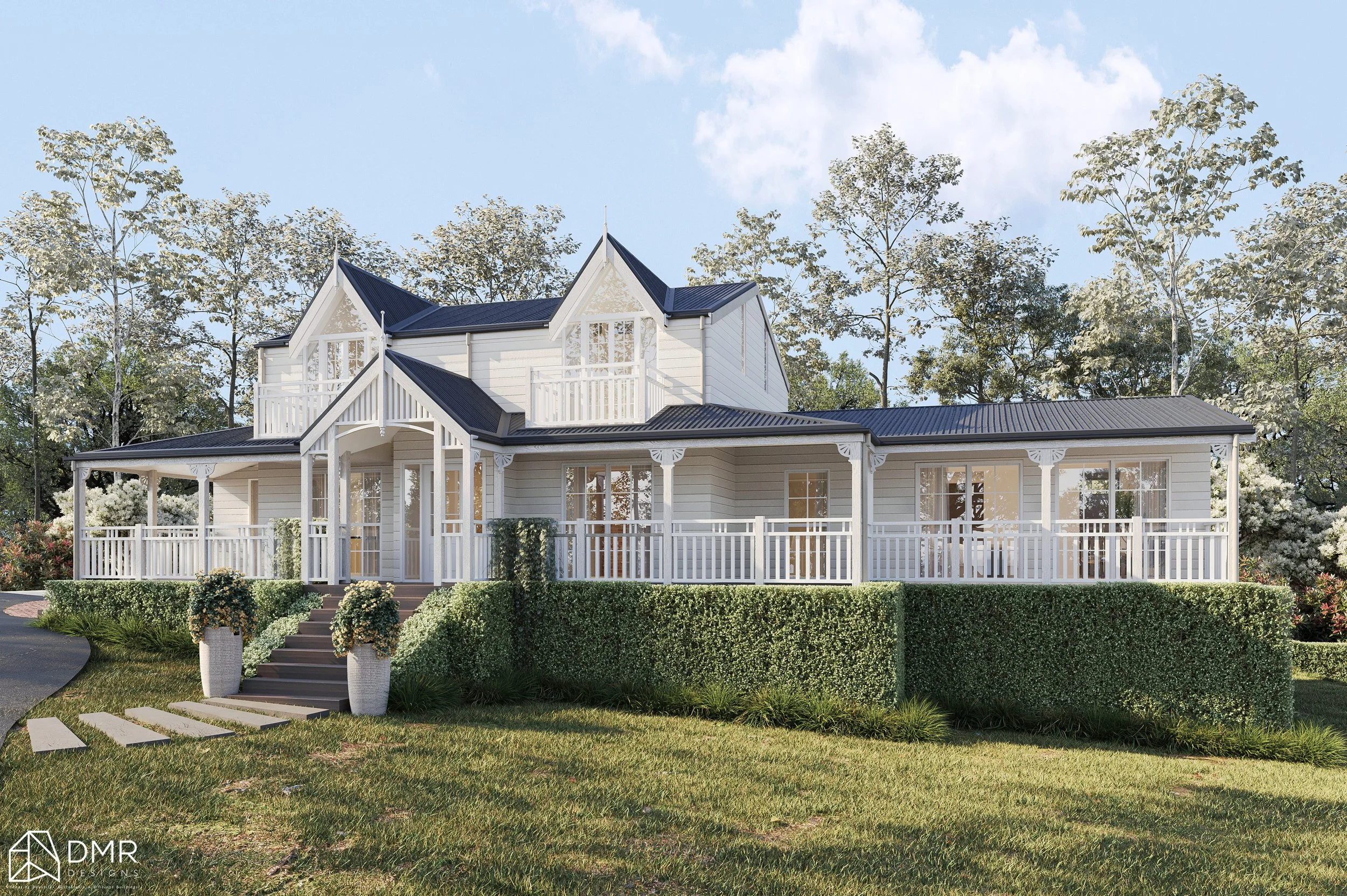
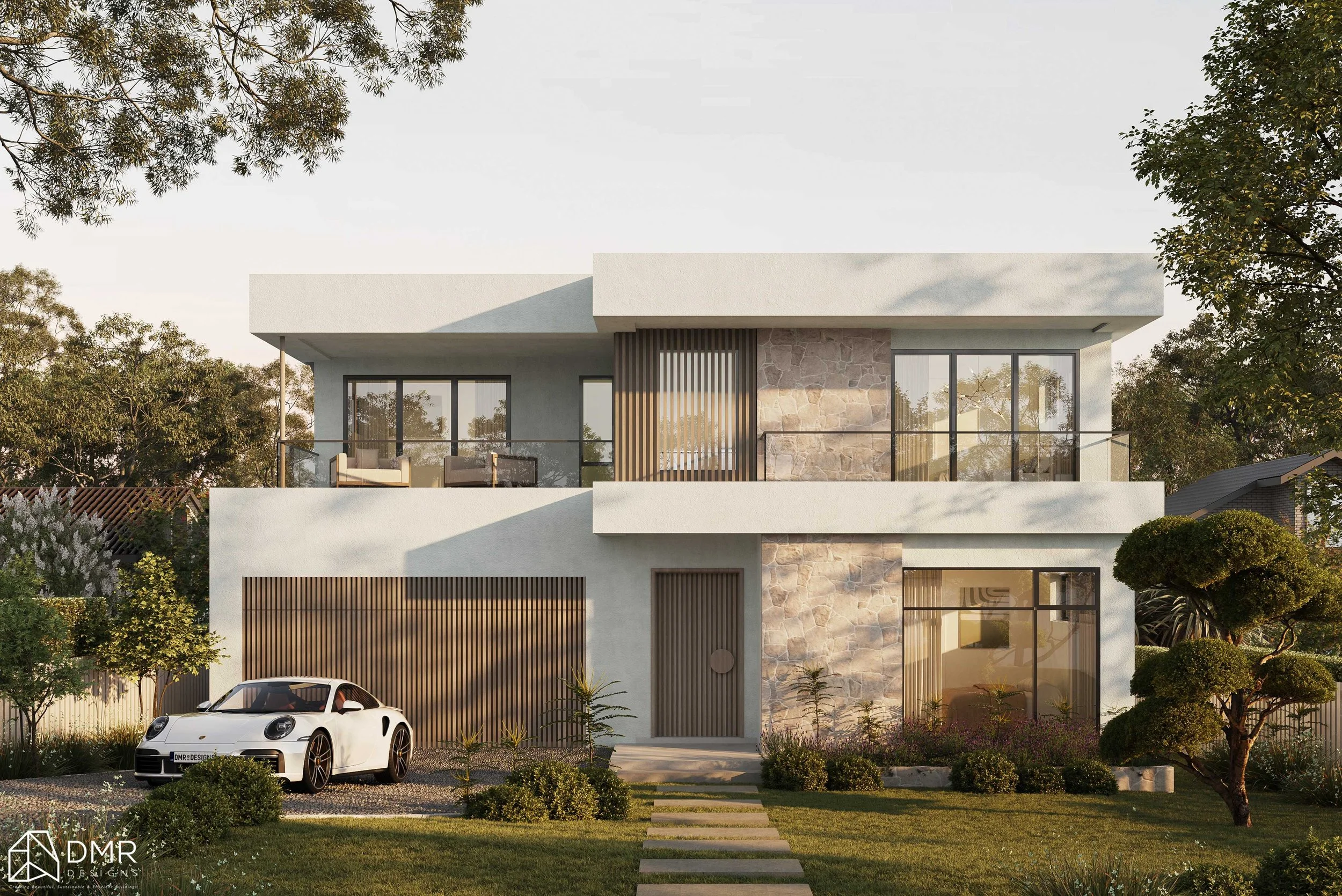
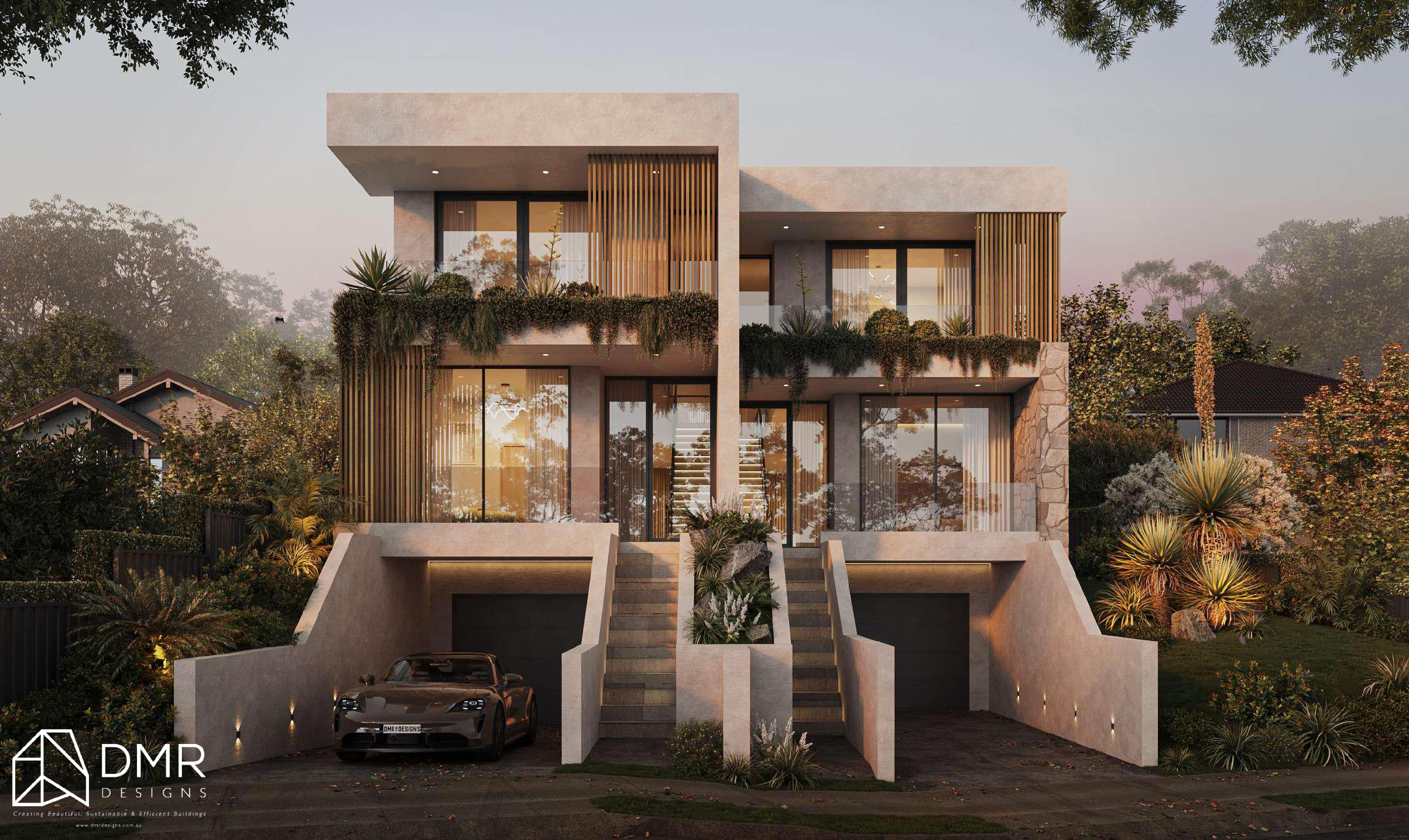
The driveway approach, landscaping, pathway, façade materials, lighting, and even the proportions of the entry all contribute to how a home is perceived.

A thoughtfully designed entry creates anticipation. It guides visitors naturally toward the home while making owners feel welcomed every time they return.

Some of the most effective entry designs include:

  • Feature cladding or statement materials

  • Oversized pivot or custom timber doors

  • Soft architectural lighting

  • Layered landscaping

  • Covered porches or recessed entries

  • High ceilings or voids

  • Framed views through the home

These elements work together to create depth, warmth, and presence without needing to feel overdone.

The Hidden Power of Storage

One of the biggest mistakes in home design is underestimating entry storage.

The reality is — modern life comes with a lot of “stuff.” Shoes, bags, keys, parcels, school items, umbrellas, sports gear… without a dedicated place for these items, clutter builds quickly.

A smart entryway acts as a functional buffer between outside life and the calm of the home interior.

Some practical storage ideas include:

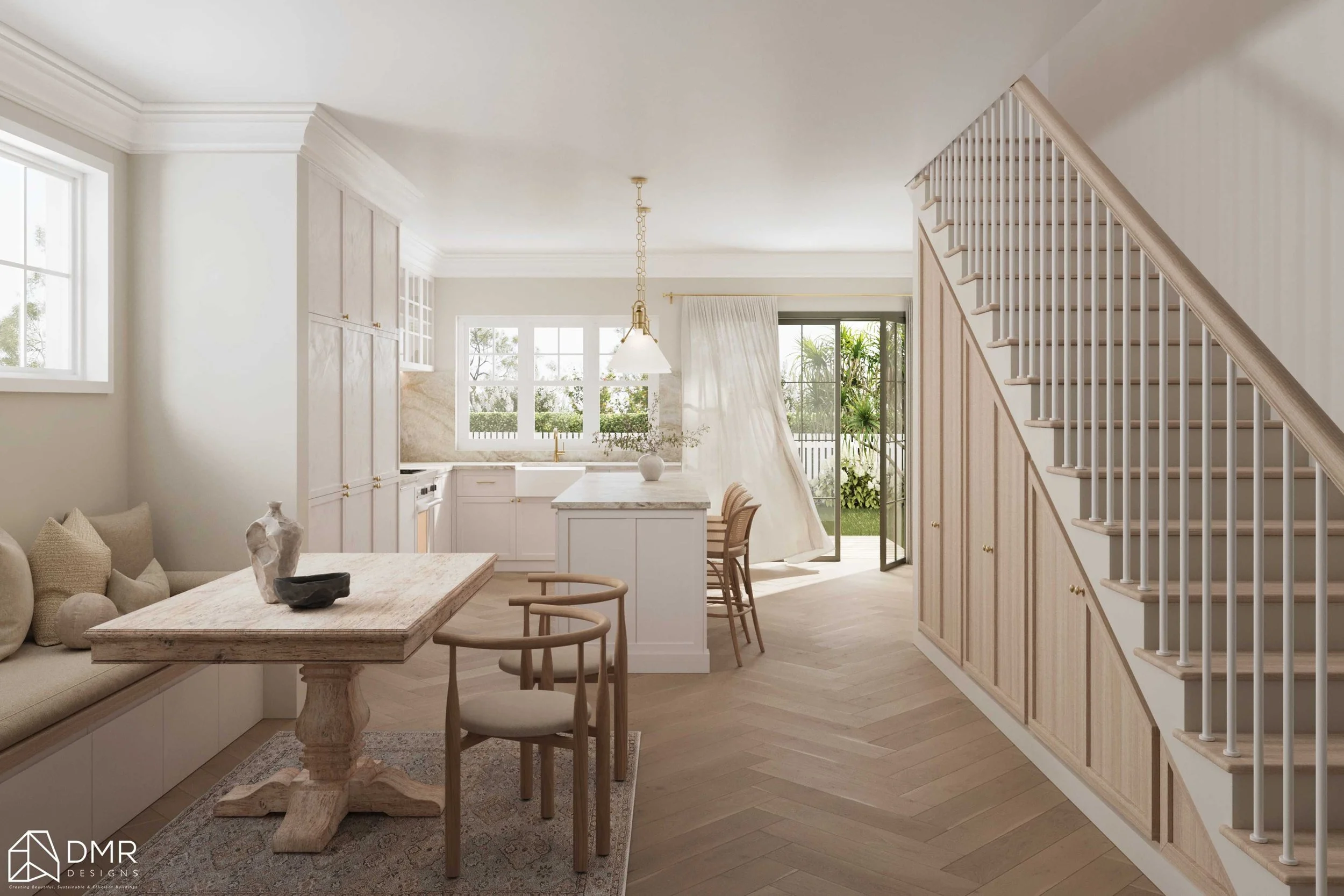
  • Built-in cabinetry

  • Mudroom-style joinery

  • Hidden shoe storage

  • Bench seating with integrated storage

  • Hooks for bags and hats

  • Charging drawers for devices

  • Parcel drop zones

  • Concealed cupboards for everyday essentials

Good storage doesn’t need to dominate the space — the best designs integrate it subtly so the entry remains clean, refined, and welcoming.

Creating a Seamless Transition Space

An entryway should feel like a transition — not an abrupt stop.

This space helps shift you mentally from the outside world into the comfort of home. The best entries create a gradual unfolding experience rather than exposing the entire house immediately upon arrival.

This can be achieved through:

  • Layered sightlines

  • Feature walls or joinery

  • Changes in ceiling height

  • Natural light placement

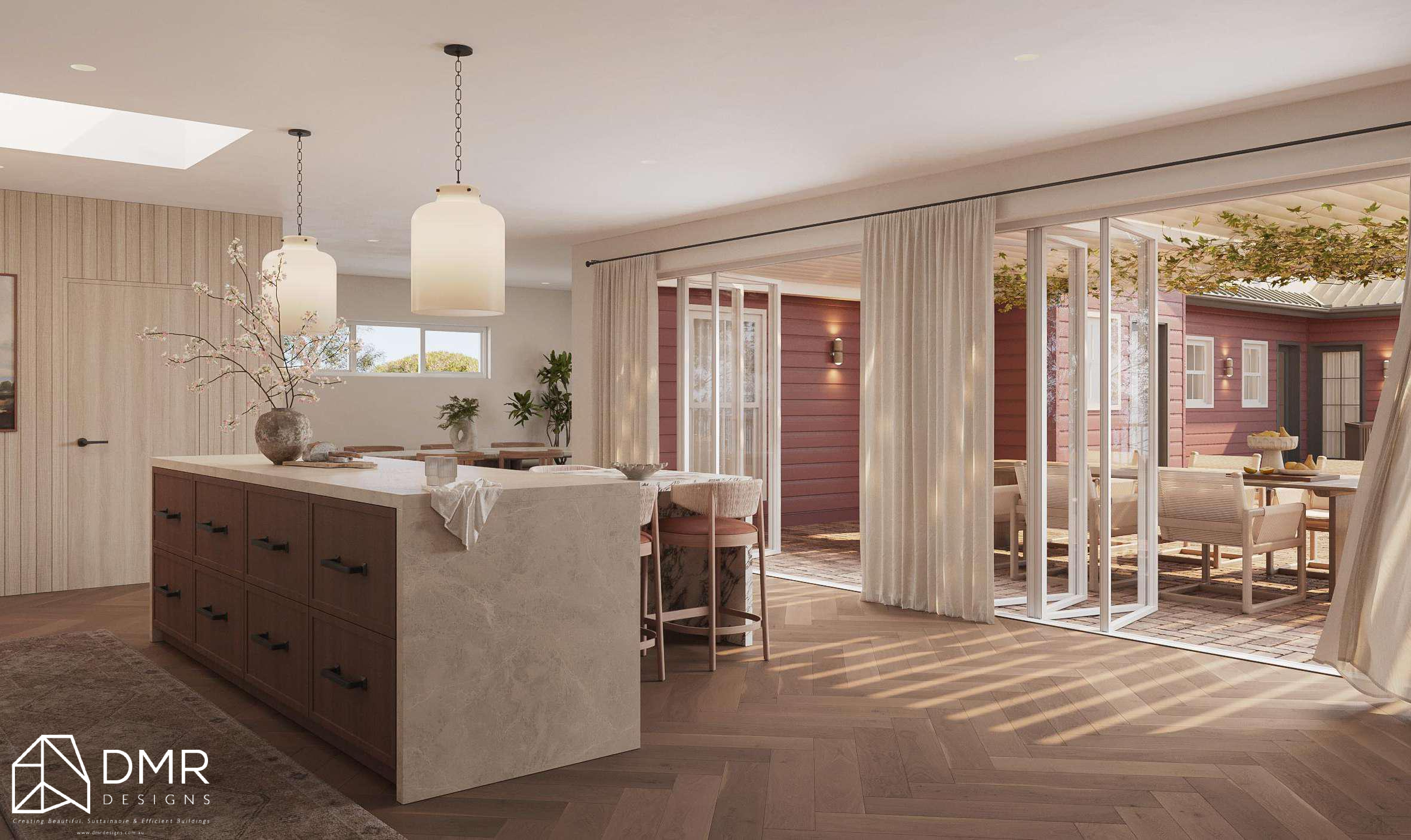
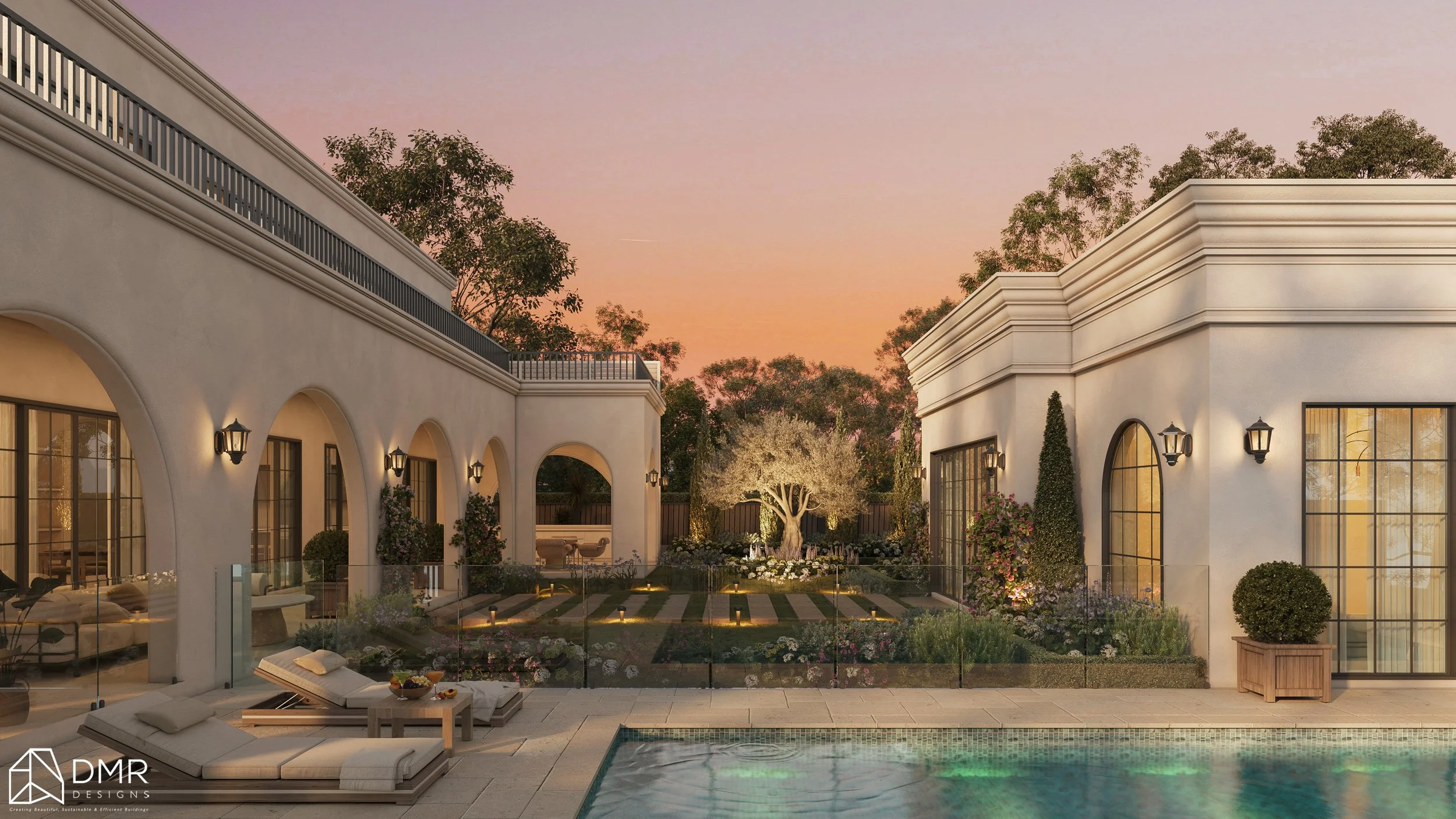
  • Courtyard views

  • Hallway framing

  • Material transitions

  • Strategic privacy screening

A well-designed transition space creates curiosity and calm at the same time.

It also improves functionality by separating busy external zones from quieter living areas.

Natural Light Changes Everything

Nothing elevates an entryway faster than natural light.

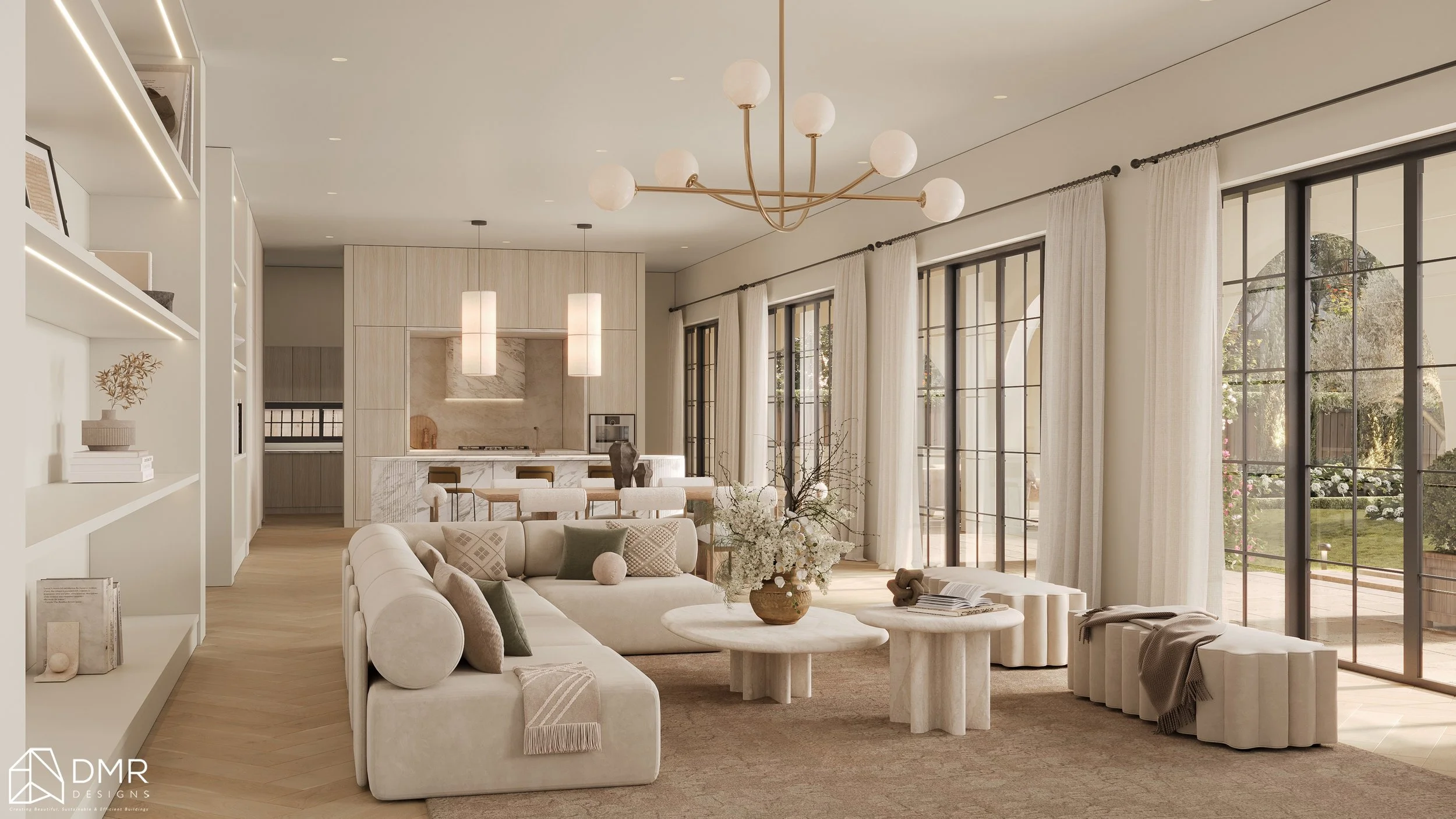
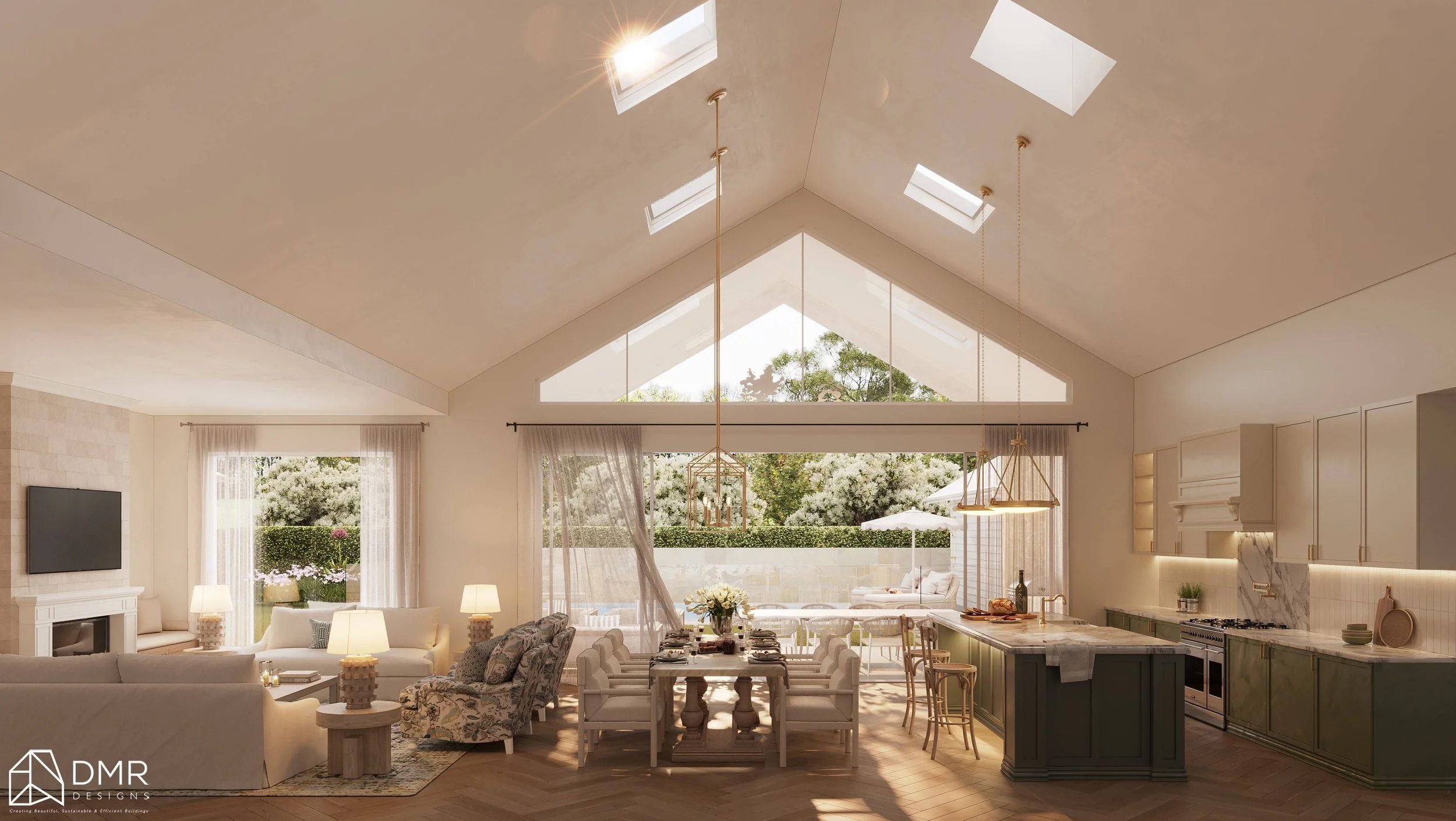
A bright, welcoming entrance immediately makes a home feel larger, warmer, and more inviting. Skylights, highlight windows, glazed doors, or internal courtyards can dramatically transform the atmosphere of the space.

Even compact entryways can feel luxurious with the right lighting strategy.

At DMR Designs, we often focus on how light moves through the entry during different times of day — creating moments that feel dynamic, soft, and connected to the outdoors.

Security Without Sacrificing Design

Security is one of the most important parts of any entryway design — but it doesn’t need to feel harsh or intrusive.

Modern homes can integrate security seamlessly through:

  • Smart locks and keyless entry

  • Video intercom systems

  • Layered landscaping for privacy

  • Well-positioned windows

  • Sensor lighting

  • Secure package delivery areas

  • Controlled sightlines from the street

The goal is to create a home that feels protected while still remaining open, warm, and welcoming.

Good design should never force you to choose between safety and aesthetics.

The Emotional Impact of Coming Home

One of the most underrated aspects of entryway design is emotional experience.

After long days, busy schedules, and constant movement, your entry becomes the moment where home begins. A thoughtfully designed arrival space can create an immediate sense of calm and relief.

This is why details matter:

  • Warm materials

  • Soft lighting

  • Natural textures

  • Functional organisation

  • Comfortable proportions

  • Connection to greenery

The best entryways don’t just impress guests — they improve everyday living for the people who use them most.

Designing an Entryway That Works for Your Lifestyle

Every family lives differently, which means every entryway should respond to the needs of the people using it.

For some homes, that means:

  • Mudrooms for growing families

  • Dual entries for acreage properties

  • Direct garage-to-pantry access

  • Separate guest and family entry zones

  • Wide openings for accessibility

  • Pet-friendly transition areas

  • Dedicated storage for active lifestyles

The most successful homes are the ones designed around real daily routines — not just aesthetics alone.

More Than a Doorway

A great entryway does far more than provide access to a home.

It welcomes, protects, organises, transitions, and creates atmosphere — all within a relatively small footprint. When thoughtfully designed, it becomes one of the hardest-working spaces in the entire home.

At DMR Designs, we see the entryway as an opportunity to shape the entire experience of living in a home from the very first moment you arrive.

Because great design starts long before you reach the kitchen or living room.

It starts at the front door.
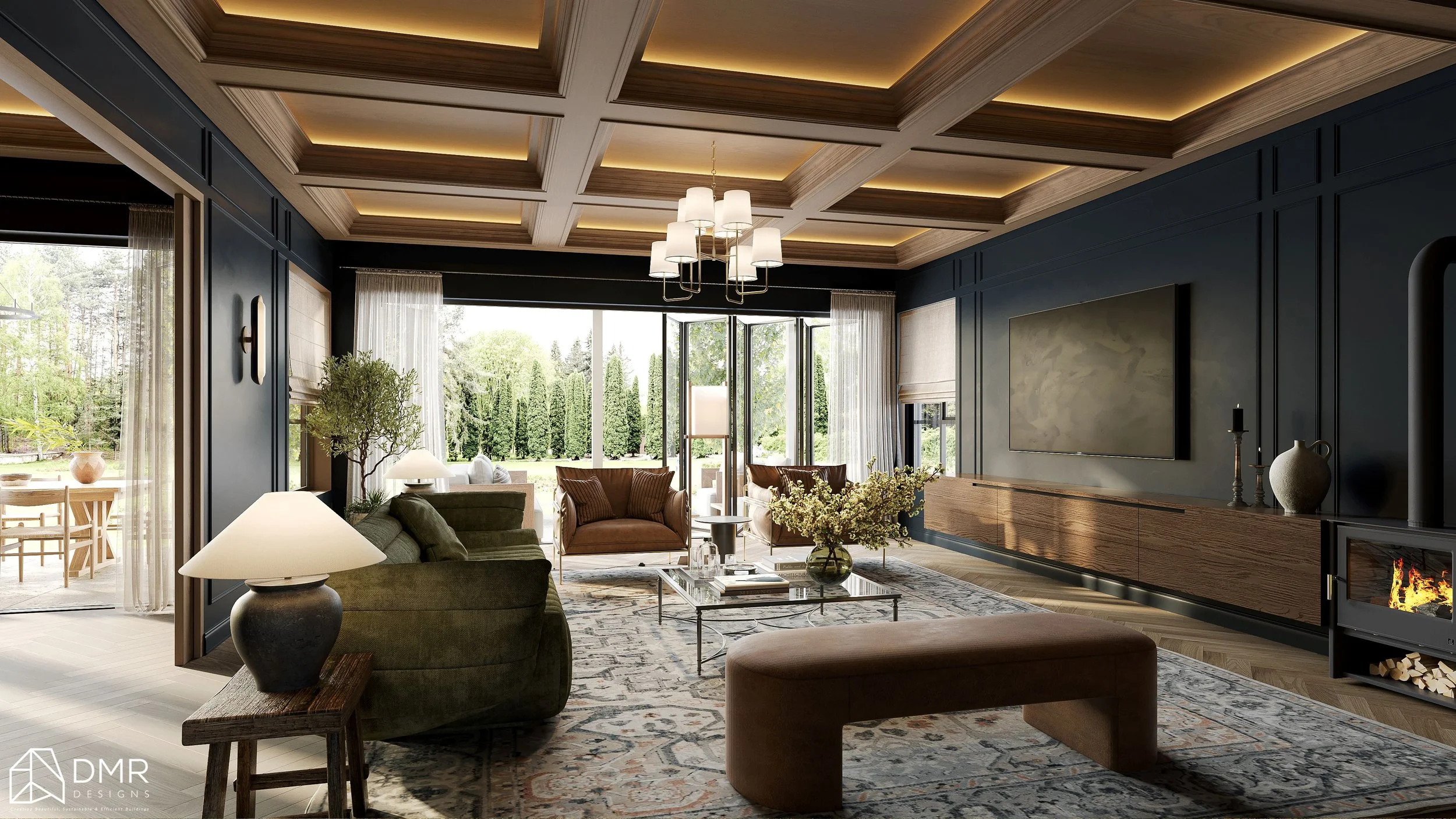
Ready to create a home that feels thoughtful from the very first step inside?

Whether you're planning a new build, renovation, or custom residence, DMR Designs can help bring your vision to life with spaces that balance functionality, lifestyle, and timeless design.

Get in touch with the team today to start designing a home that makes a lasting impression — from the entryway and beyond.

Acoustic Design in Homes: How to Reduce Noise Between Rooms

Creating quieter, more functional spaces for modern living

In today’s homes, noise control is no longer a luxury — it’s a necessity. With more families working, studying, and relaxing under the same roof, thoughtful acoustic design plays a key role in how comfortable and functional a home truly feels.

Whether it’s reducing distractions during work calls or creating separation between living and sleeping zones, smart design decisions can significantly improve sound control between rooms.

Why Acoustic Design Matters

A well-designed home isn’t just about how it looks — it’s also about how it sounds.

Poor acoustic planning can lead to:

  • Noise travelling easily between rooms

  • Disruptions during work or study

  • Reduced privacy between living areas

  • Overall discomfort in day-to-day living

For families and work-from-home setups, these issues quickly become noticeable.

Key Strategies to Reduce Noise Between Rooms

1. Smarter Wall Construction

One of the most effective ways to control sound is through how walls are built.

  • Use acoustic insulation within wall cavities

  • Consider double stud walls or staggered framing

  • Install sound-rated plasterboard for added density

These methods help absorb and block sound rather than allowing it to pass through.

2. Door Selection Matters

Internal doors are often overlooked but play a big role in sound control.

  • Opt for solid core doors instead of hollow ones

  • Ensure tight seals around door frames

  • Add door sweeps where needed

Even small upgrades here can make a noticeable difference.

3. Strategic Room Placement

Good design starts with smart planning.

  • Separate noisy zones (living, kitchen) from quiet zones (bedrooms, study)

  • Avoid placing bedrooms directly next to entertainment areas

  • Position home offices away from high-traffic spaces

This is one of the simplest yet most effective ways to manage noise.

4. Flooring & Soft Finishes

Hard surfaces reflect sound, while softer materials help absorb it.

  • Use carpet or rugs in bedrooms and living areas

  • Add curtains, upholstered furniture, and wall panels

  • Consider acoustic underlays for timber or tile flooring

These elements reduce echo and improve overall sound quality within a space.

5. Ceiling & Floor Separation

In double-storey homes, noise transfer between levels is a common issue.

  • Install acoustic insulation between floors

  • Use resilient mounts or acoustic battens

  • Add thicker ceiling linings where possible

This helps minimise footsteps and airborne noise from above.

6. Sealing Gaps & Openings

Sound travels through even the smallest gaps.

  • Seal around power points, vents, and skirting

  • Use acoustic sealants where needed

  • Ensure windows and doors are properly fitted

It’s a simple step that’s often missed but highly effective.

Designing for Real Life

At DMR Designs, we approach acoustic design as part of the bigger picture — creating homes that not only look great but function seamlessly for everyday living.

Whether you’re planning a new build or refining an existing layout, considering how sound moves through your home can dramatically improve comfort, privacy, and usability.

Final Thoughts

A quieter home is a better home.

With the right design strategies, you can:

  • Improve focus and productivity

  • Enhance privacy for every family member

  • Create a more peaceful living environment

Acoustic design isn’t just technical — it’s about designing spaces that truly support the way you live.


Thinking about building or renovating?


Our team can help you design a home that balances aesthetics, functionality, and acoustic comfort from the ground up.

5 Things to Think About Before You Start Renovating

A home renovation is an exciting opportunity to reimagine how you live — but before you dive in, it’s worth taking a step back to plan. The most successful projects begin with clarity and direction. Here’s a quick checklist of what to consider before the first wall comes down.


1. Budget — Be Clear and Build in a Cushion

Define your budget early and make it as detailed as possible. Beyond materials and labour, include professional fees, approvals, and a 10–15% contingency for the unexpected. A well-planned budget keeps your design goals realistic — and your renovation stress-free.

2. Goals — Know Your Why

Every great design starts with purpose. Are you renovating to create more space, improve flow, or bring your interiors up to date? Your “why” guides every design choice — from layout decisions to the materials and finishes that shape the final look and feel.

3. Layout — Design for How You Live

A beautiful home should work as well as it looks. Think about how you use each space day-to-day: where the light comes in, how you move through rooms, and where connection (or privacy) matters most. Smart layouts maximise function and elevate your lifestyle.

4. Timeline — Be Realistic, Stay Flexible

Good design takes time. Set a clear schedule, but allow room for revisions, approvals, and material lead times. The goal isn’t just to finish fast — it’s to get it right. A thoughtful timeline ensures the process runs smoothly from concept to completion.

5. Approvals — Don’t Skip the Essentials

Before any construction begins, confirm what your project needs in terms of council approvals or building permits. Skipping this step can cause major setbacks later. Your design team can help manage this process so everything runs seamlessly and compliantly.

Bringing It All Together

A renovation isn’t just about updating a space — it’s about creating a home that reflects who you are and how you want to live. With the right planning, design direction, and expert guidance, your renovation can transform everyday living into something truly special.


Ready to Begin Your Renovation Journey?

Every great renovation starts with the right foundation — clear goals, smart planning, and a team that brings your vision to life.

Start your design journey with DMR Designs.

Book a discovery call via the link in our bio or visit our website to begin planning your dream renovation.