

Privacy is one of the most common requests homeowners have when designing a new home or planning an extension. Whether you're in a busy suburb, on a narrow lot, or simply want a peaceful retreat, the challenge is the same:
How do you protect your privacy without making your home feel closed, dark, or boxed in?
At DMR Designs, we believe privacy shouldn't mean sacrificing natural light, openness, or connection to the outdoors. With thoughtful architectural design, it's possible to create a home that feels open and welcoming inside — while remaining private from the outside.
Here are some of the key design strategies architects use to achieve that balance.

1. Strategic Layout Planning
One of the most effective ways to maintain privacy starts with how spaces are arranged within the home.
Instead of placing living areas directly facing the street or neighbouring properties, designers often:
Position private zones deeper within the home
Orient living spaces toward the backyard or internal courtyards
Use hallways, staircases, or service areas as buffers between public and private zones
This approach ensures your most-used spaces — like living rooms and outdoor entertaining areas — remain open and connected, but not exposed to passersby or neighbouring windows.
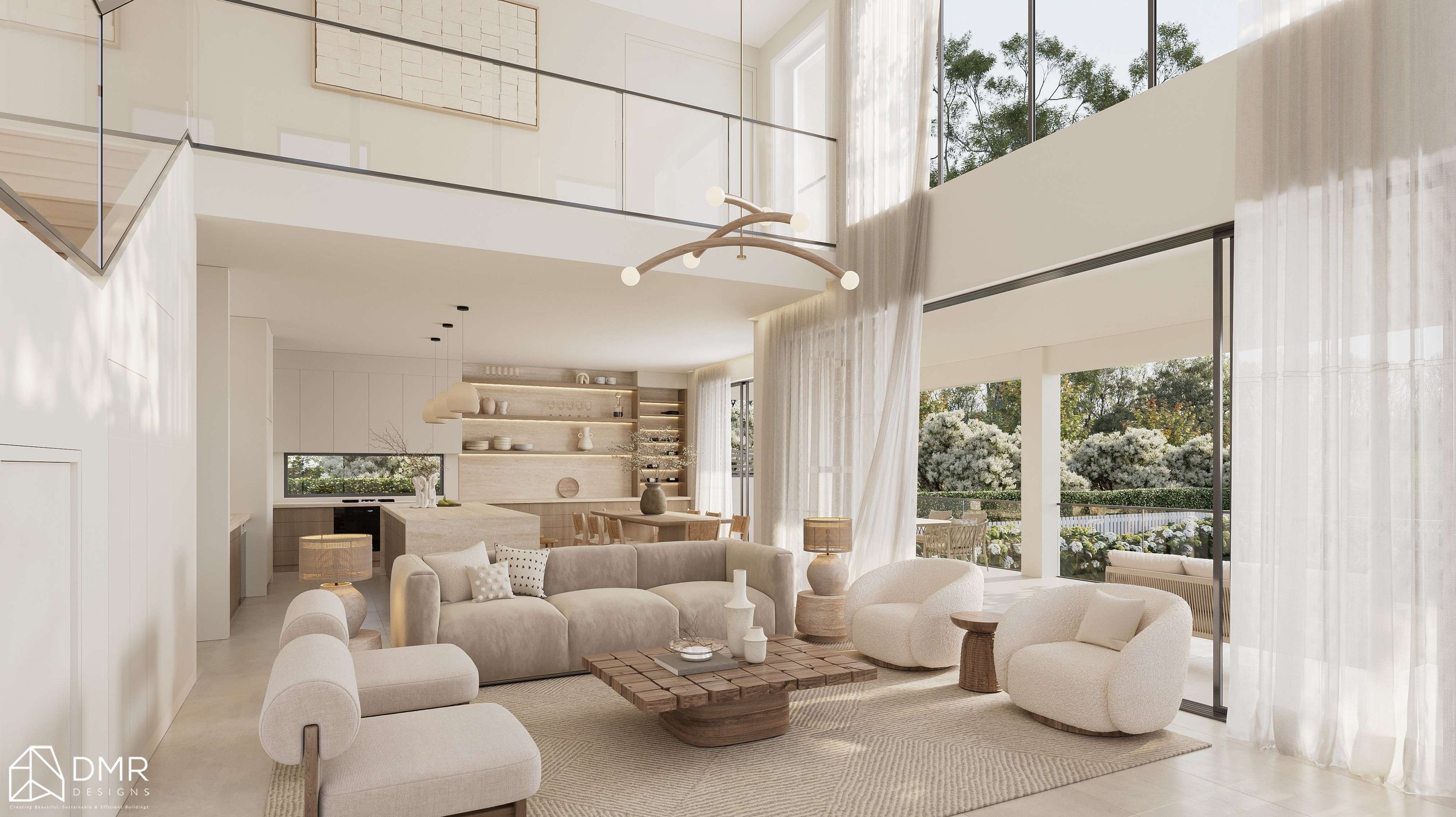
2. Smart Window Placement
Windows bring light and life into a home, but their placement is key to maintaining privacy.
Rather than relying only on curtains or blinds, architectural design can control sightlines through:
Highlight windows placed higher on the wall
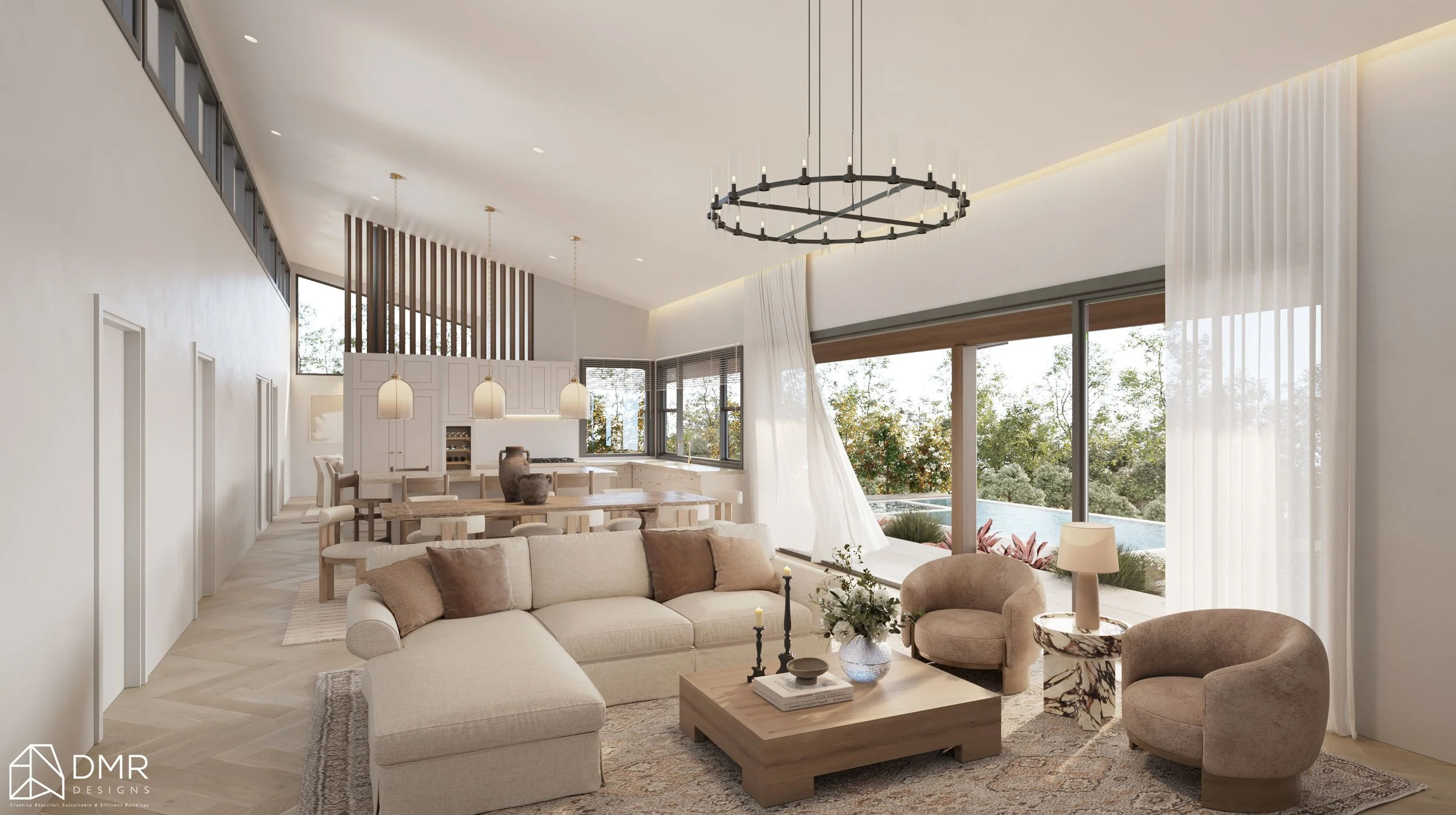
Clerestory windows that bring in daylight without direct visibility
Corner windows that capture views while avoiding neighbouring properties
Window orientation that directs views toward gardens rather than adjacent homes
The result is a home that feels bright and airy without compromising privacy.
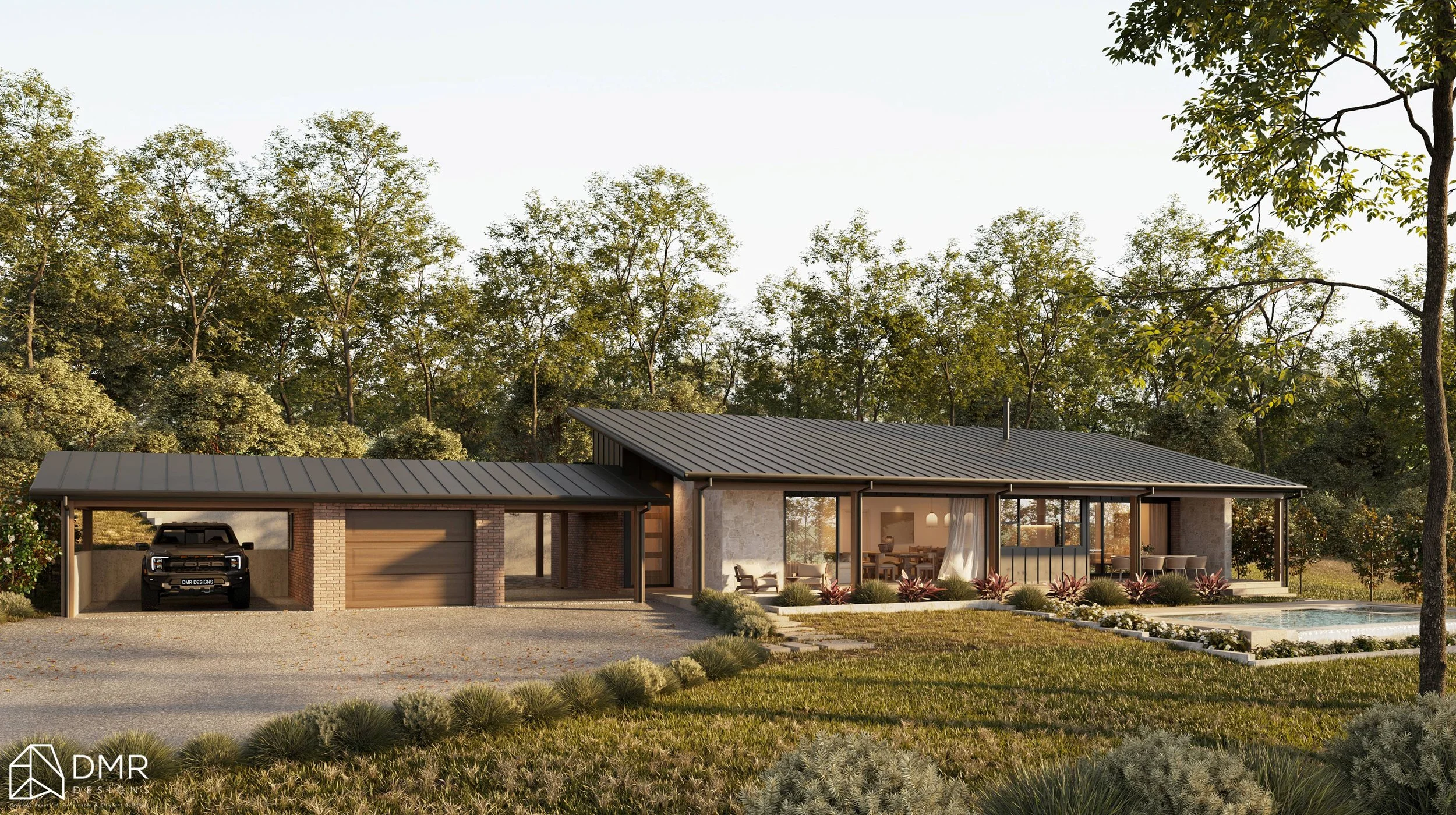
3. Architectural Screens and Facades
Screens are becoming increasingly popular in modern residential design because they provide privacy while still allowing airflow and natural light.
These can include:
Timber battens
Metal privacy screens
Perforated panels
Decorative brickwork or blockwork
Beyond function, screens can also become a distinctive architectural feature, adding depth, texture, and character to a home's exterior.
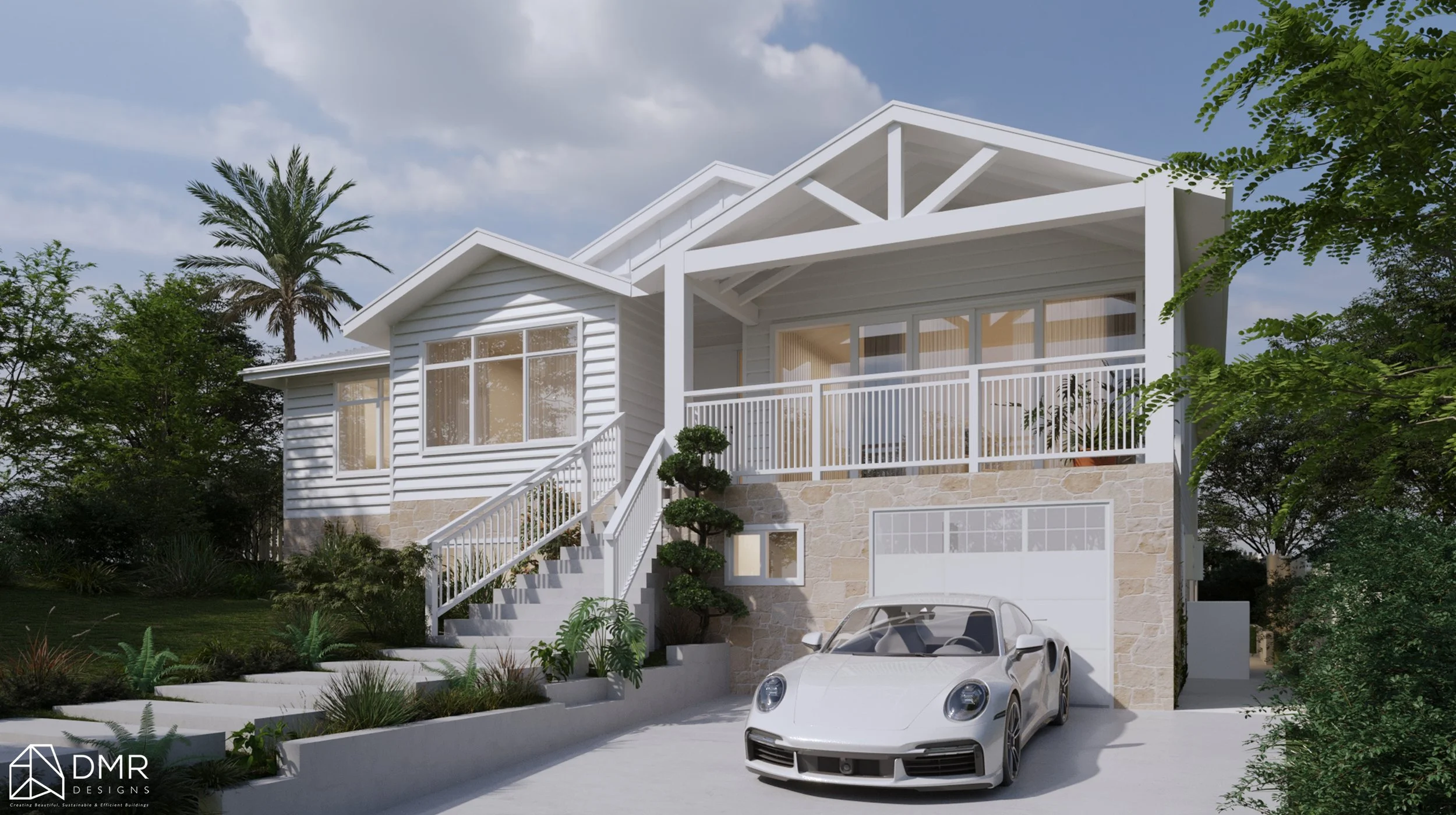
4. Landscaping as Natural Privacy
Privacy doesn't always have to come from the building itself. Thoughtful landscaping can act as a natural screen while enhancing the overall feel of your home.
Common strategies include:
Layered planting with hedges and shrubs
Feature trees to block direct sightlines
Green walls or vertical gardens
Raised garden beds along boundaries
Landscaping softens the architecture and creates a calmer, more secluded atmosphere without closing the home off.
5. Setbacks and Courtyard Design
Where site conditions allow, setbacks can be used to create private outdoor zones that still receive plenty of light.
Courtyards are particularly effective because they:
Provide natural light deep into the home
Offer private outdoor living areas
Create a visual connection with greenery
Improve airflow and ventilation
Even on smaller sites, internal courtyards or light wells can transform how open and private a home feels.
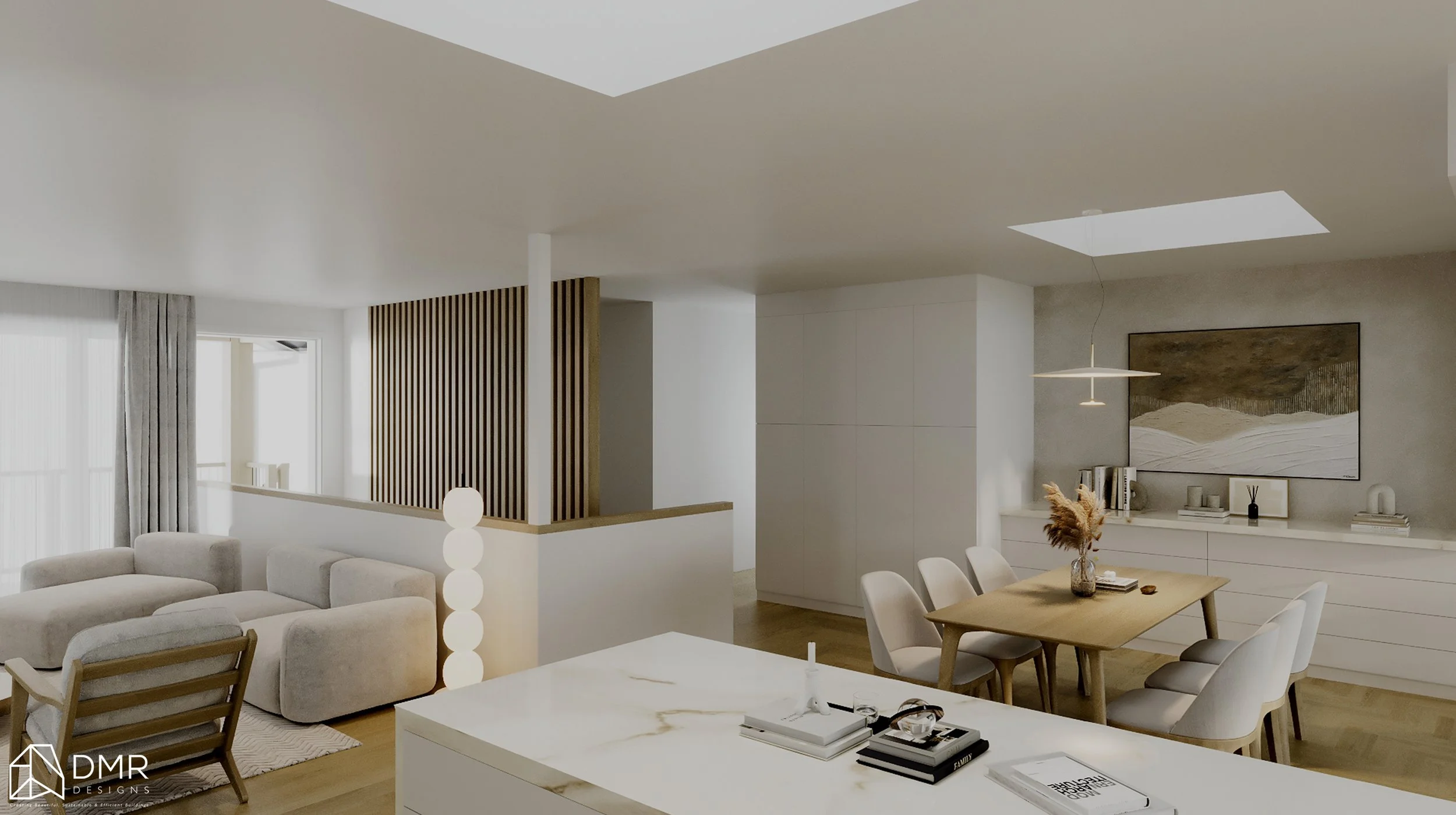
6. Layered Privacy Design
The best homes rarely rely on just one solution. Instead, they combine multiple strategies such as:
Layout planning
Screening
Landscaping
Window design
This layered approach creates subtle privacy without making the home feel defensive or closed off.
The result is a home that feels peaceful, open, and comfortable — exactly how a home should feel.
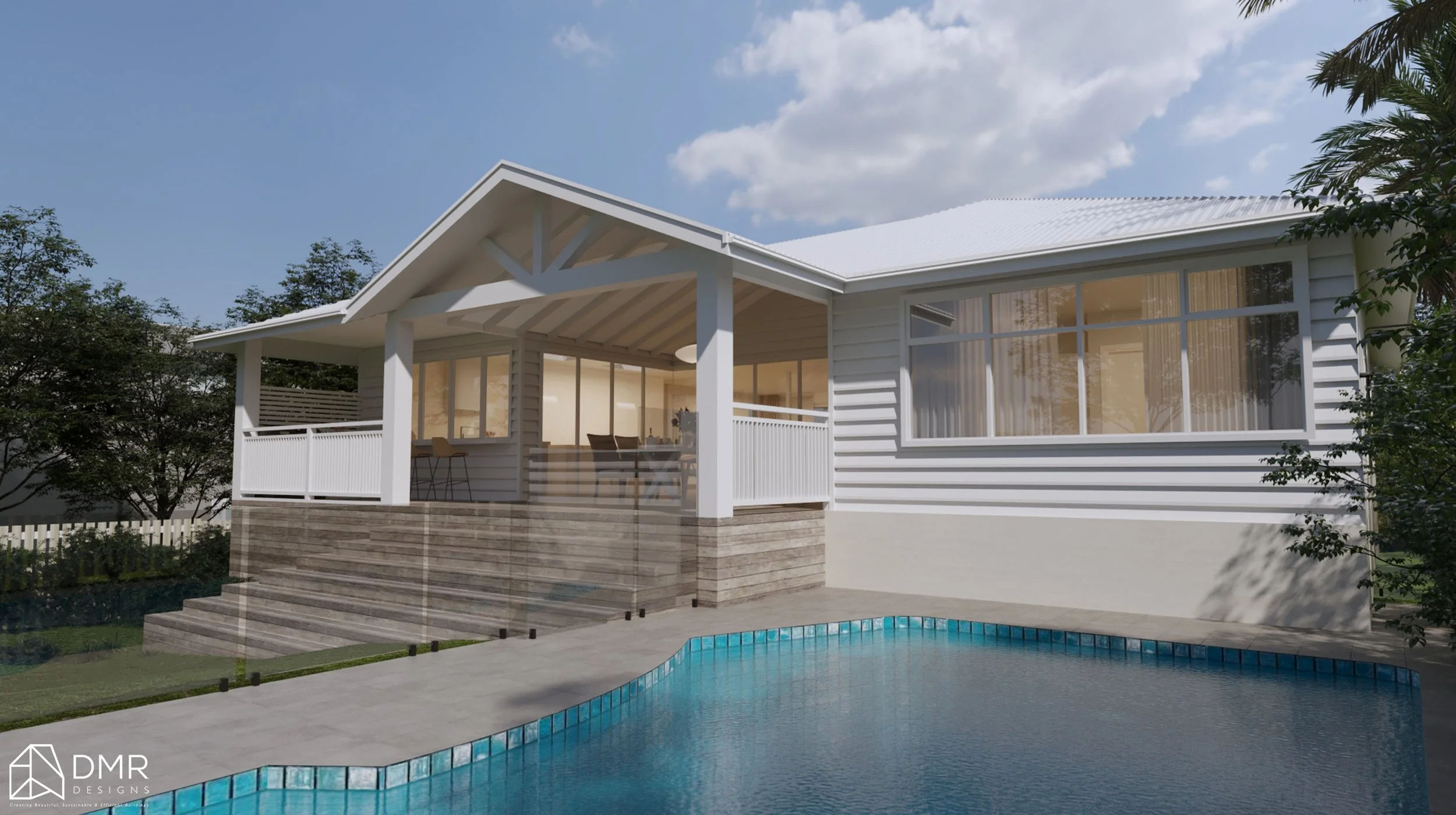
Designing a Home That Feels Open and Private
Every site is different, which is why thoughtful architectural design is so important. By understanding the site, surrounding properties, sunlight, and lifestyle needs, architects can design homes that offer privacy without sacrificing openness or natural light.
At DMR Designs, we focus on creating homes that balance comfort, connection, and privacy — spaces that work beautifully for everyday living.