Australian Residential Design

Designing for Privacy Without Closing Your Home Off: Smart Ways To Create A Private Home That Still Feels Open, Bright, And Connect

Privacy is one of the most common requests homeowners have when designing a new home or planning an extension. Whether you're in a busy suburb, on a narrow lot, or simply want a peaceful retreat, the challenge is the same:

How do you protect your privacy without making your home feel closed, dark, or boxed in?

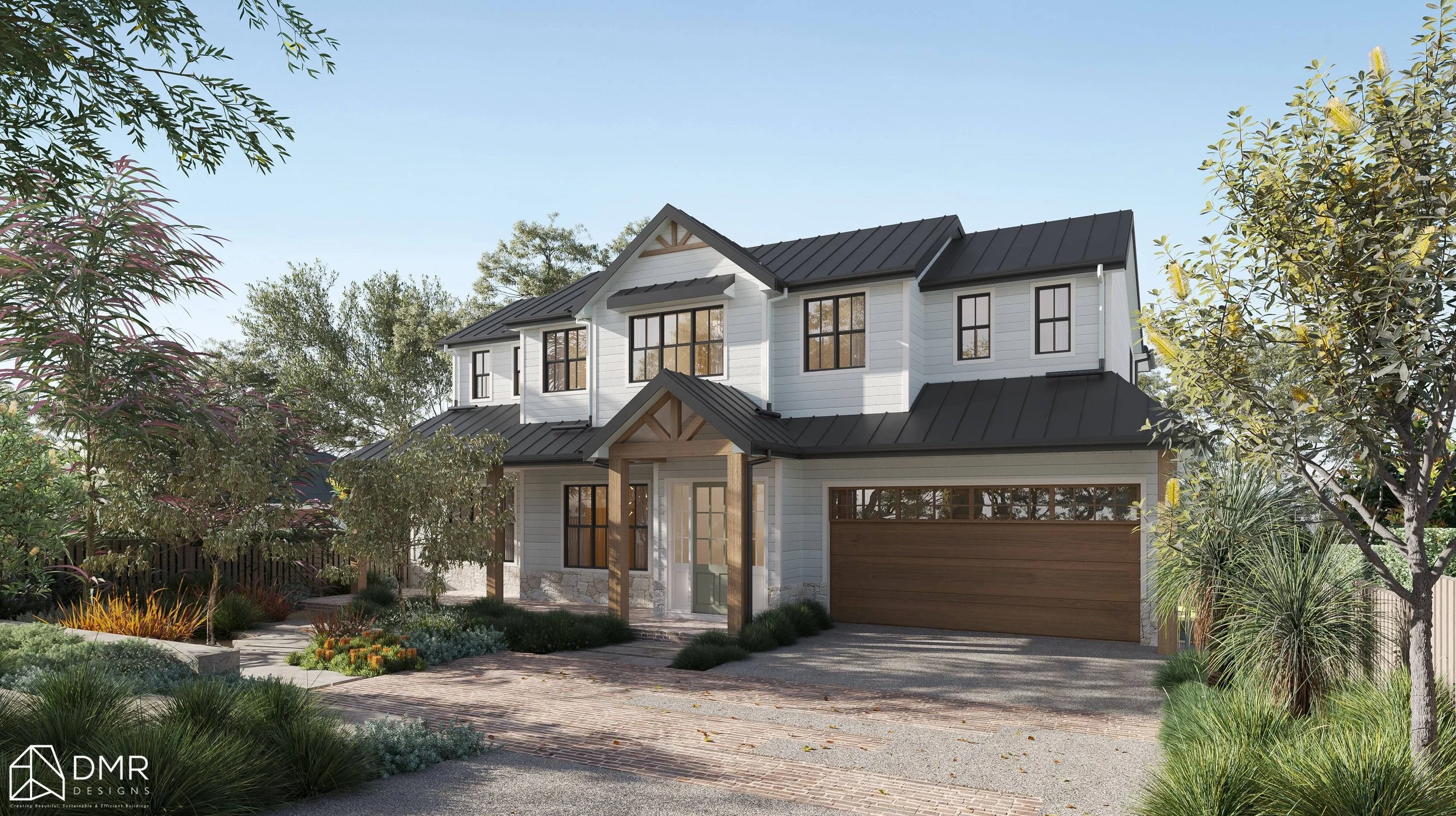
At DMR Designs, we believe privacy shouldn't mean sacrificing natural light, openness, or connection to the outdoors. With thoughtful architectural design, it's possible to create a home that feels open and welcoming inside — while remaining private from the outside.

Here are some of the key design strategies architects use to achieve that balance.

1. Strategic Layout Planning

One of the most effective ways to maintain privacy starts with how spaces are arranged within the home.

Instead of placing living areas directly facing the street or neighbouring properties, designers often:

  • Position private zones deeper within the home

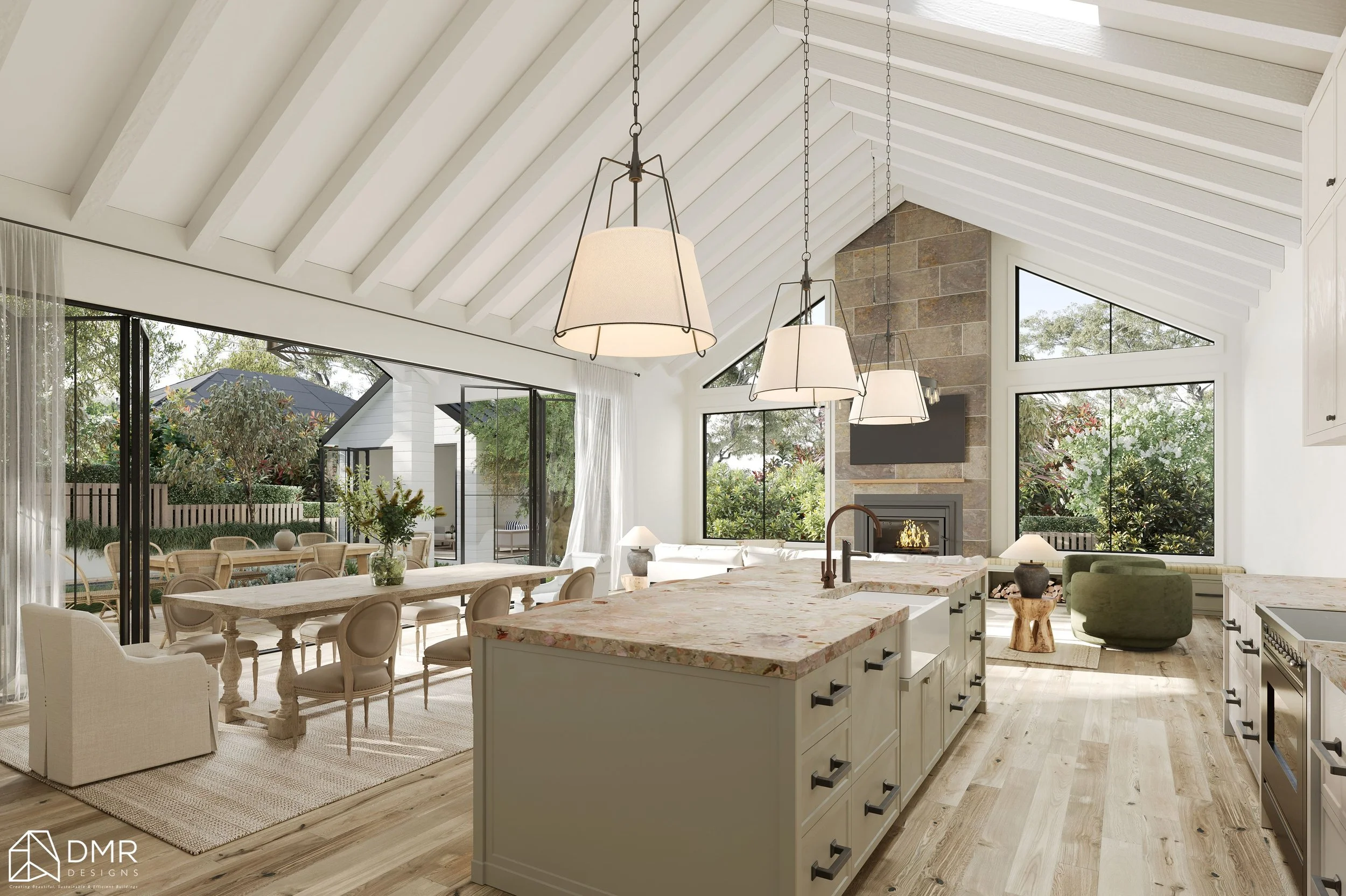
  • Orient living spaces toward the backyard or internal courtyards

  • Use hallways, staircases, or service areas as buffers between public and private zones

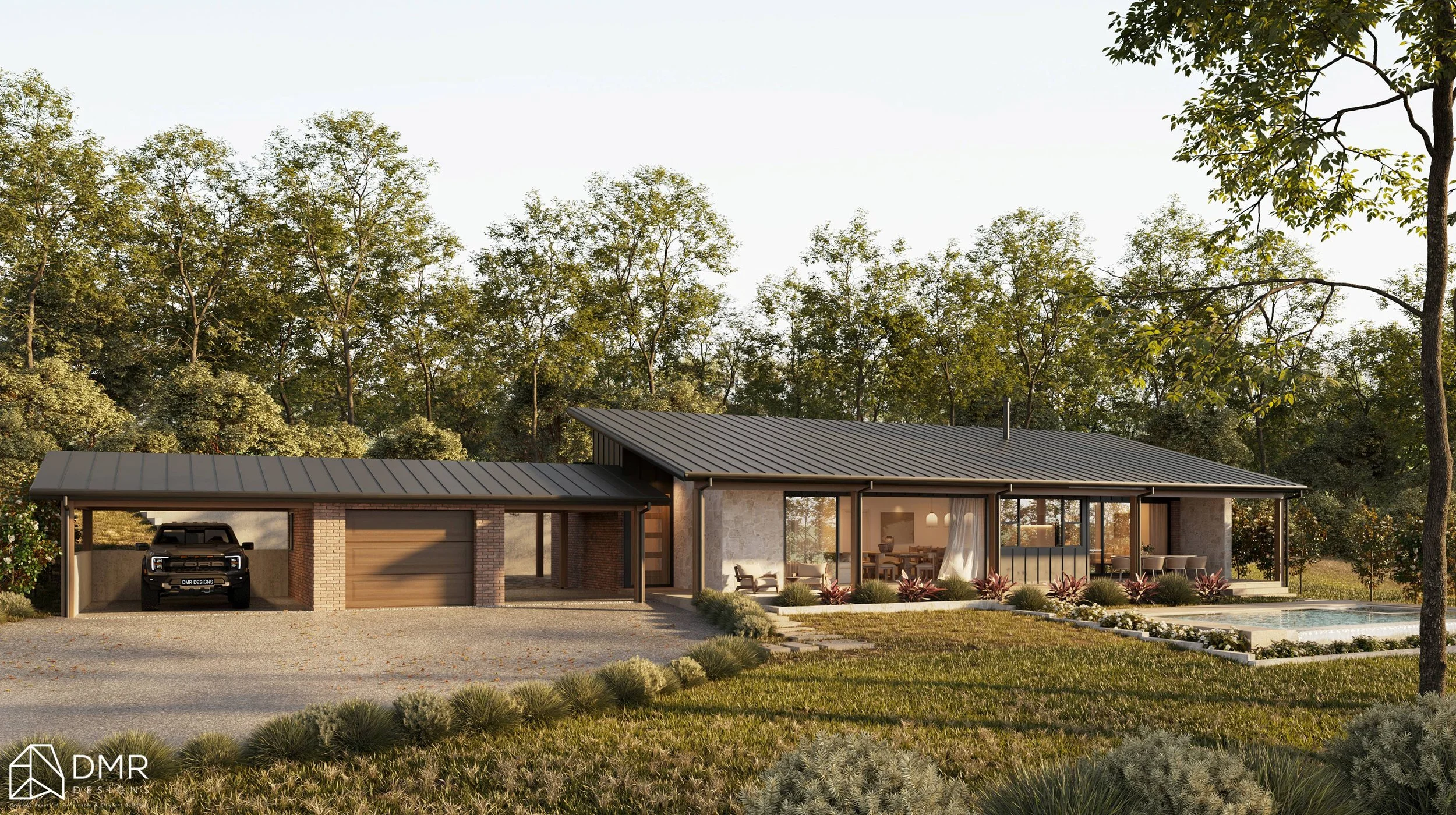
This approach ensures your most-used spaces — like living rooms and outdoor entertaining areas — remain open and connected, but not exposed to passersby or neighbouring windows.
2. Smart Window Placement

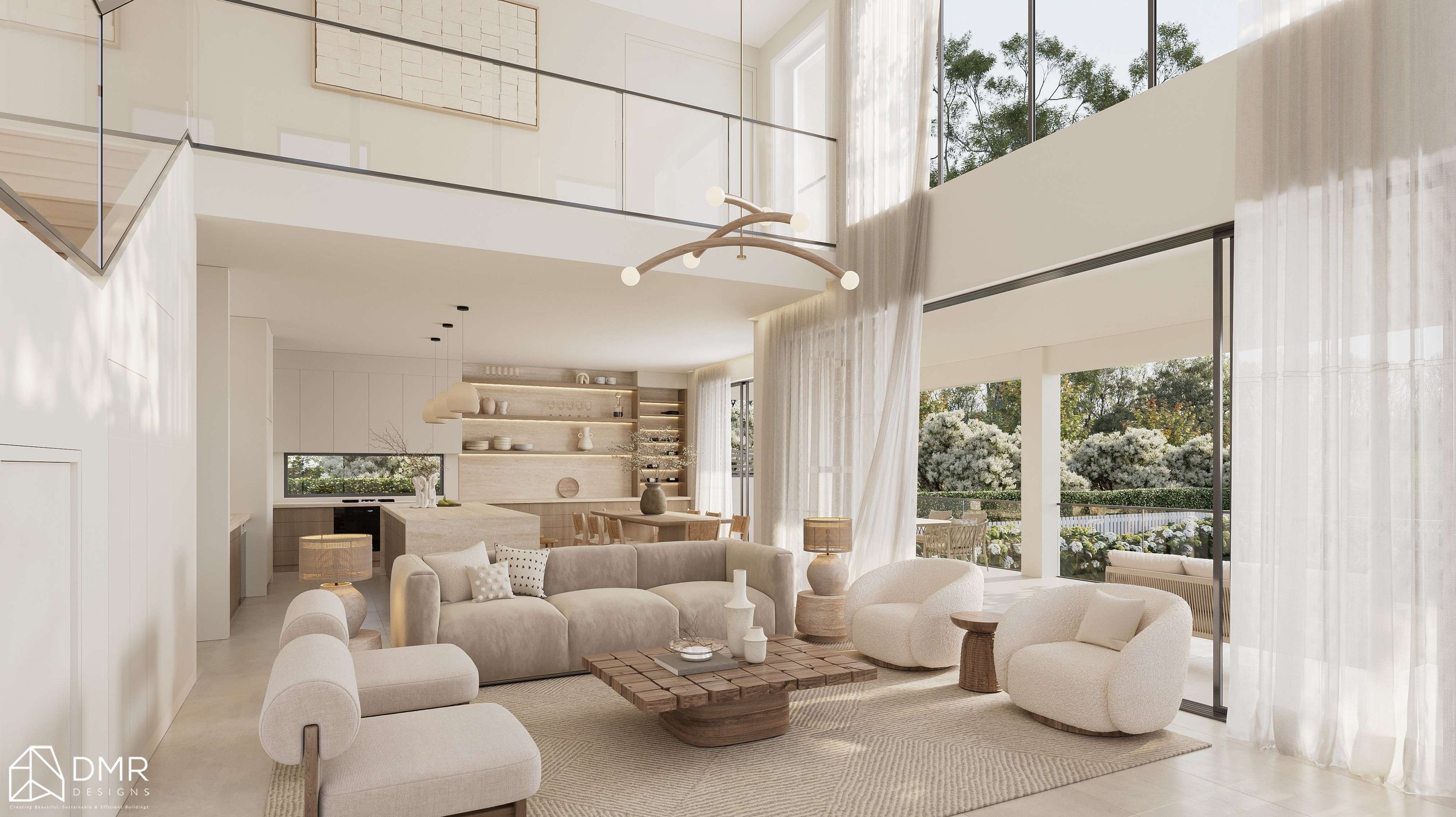
Windows bring light and life into a home, but their placement is key to maintaining privacy.

Rather than relying only on curtains or blinds, architectural design can control sightlines through:

  • Highlight windows placed higher on the wall

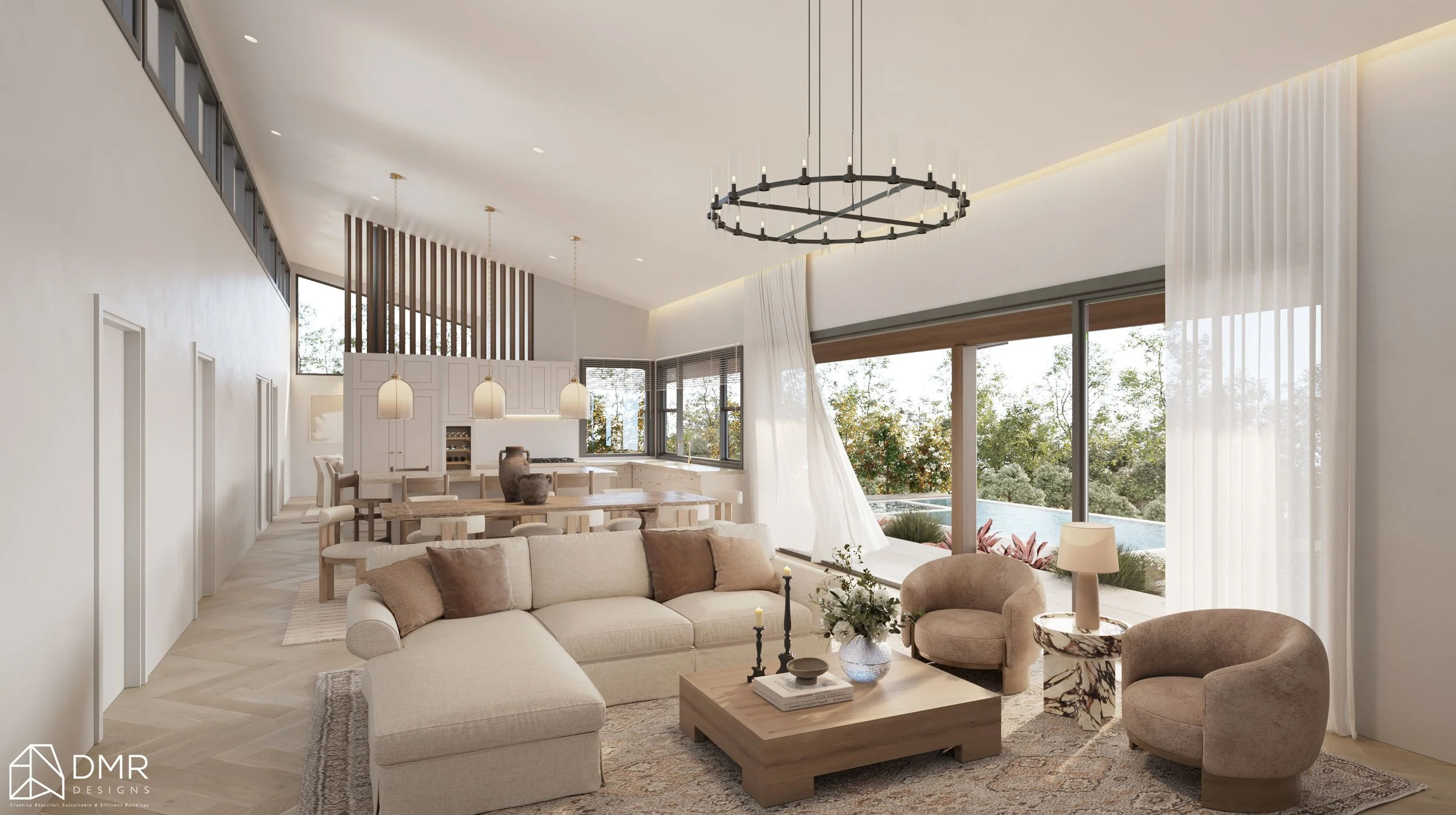
  • Clerestory windows that bring in daylight without direct visibility

  • Corner windows that capture views while avoiding neighbouring properties

  • Window orientation that directs views toward gardens rather than adjacent homes

The result is a home that feels bright and airy without compromising privacy.
3. Architectural Screens and Facades

Screens are becoming increasingly popular in modern residential design because they provide privacy while still allowing airflow and natural light.

These can include:

  • Timber battens

  • Metal privacy screens

  • Perforated panels

  • Decorative brickwork or blockwork

Beyond function, screens can also become a distinctive architectural feature, adding depth, texture, and character to a home's exterior.
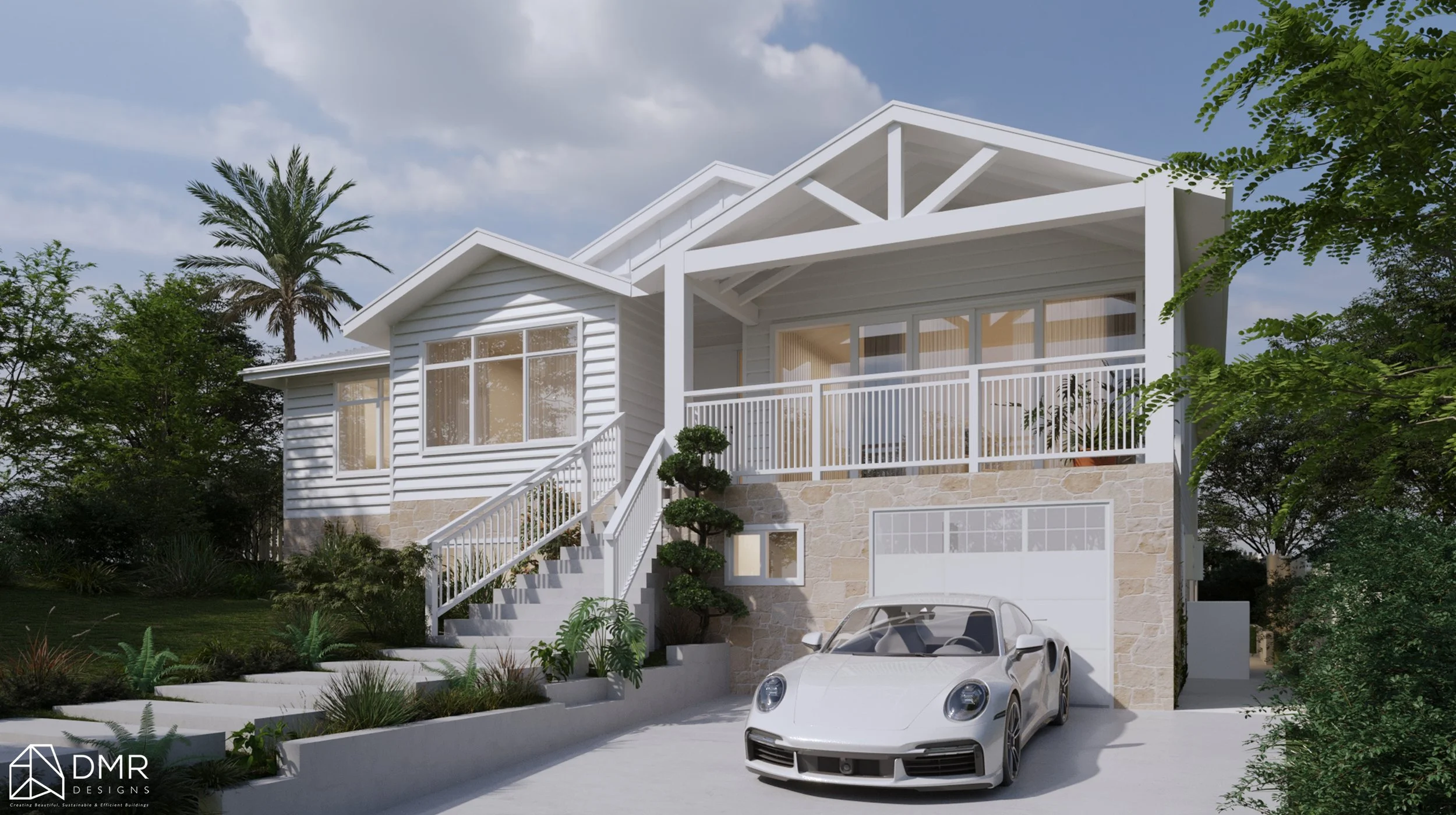
4. Landscaping as Natural Privacy

Privacy doesn't always have to come from the building itself. Thoughtful landscaping can act as a natural screen while enhancing the overall feel of your home.

Common strategies include:

  • Layered planting with hedges and shrubs

  • Feature trees to block direct sightlines

  • Green walls or vertical gardens

  • Raised garden beds along boundaries

Landscaping softens the architecture and creates a calmer, more secluded atmosphere without closing the home off.
5. Setbacks and Courtyard Design

Where site conditions allow, setbacks can be used to create private outdoor zones that still receive plenty of light.

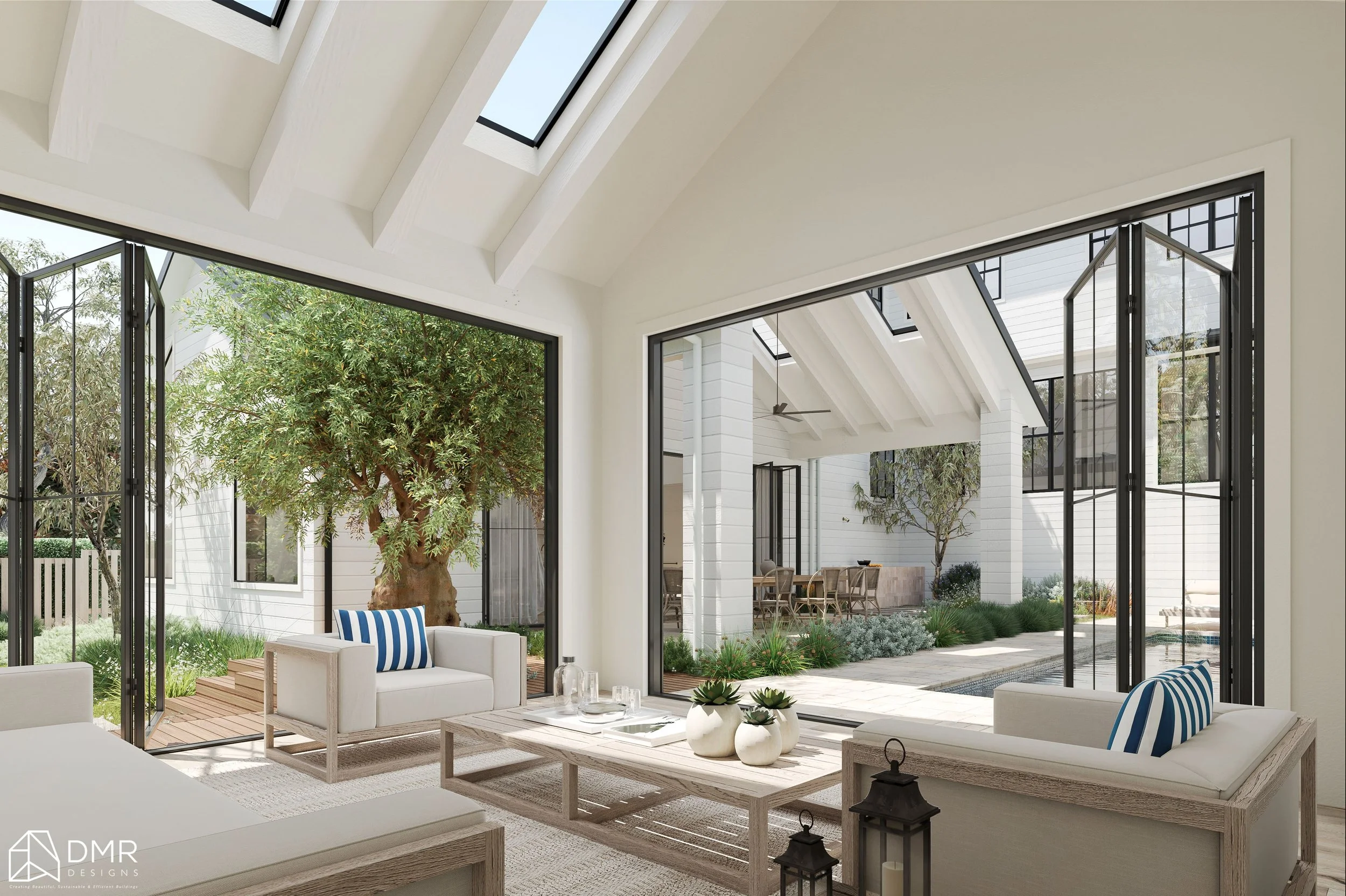
Courtyards are particularly effective because they:

  • Provide natural light deep into the home

  • Offer private outdoor living areas

  • Create a visual connection with greenery

  • Improve airflow and ventilation

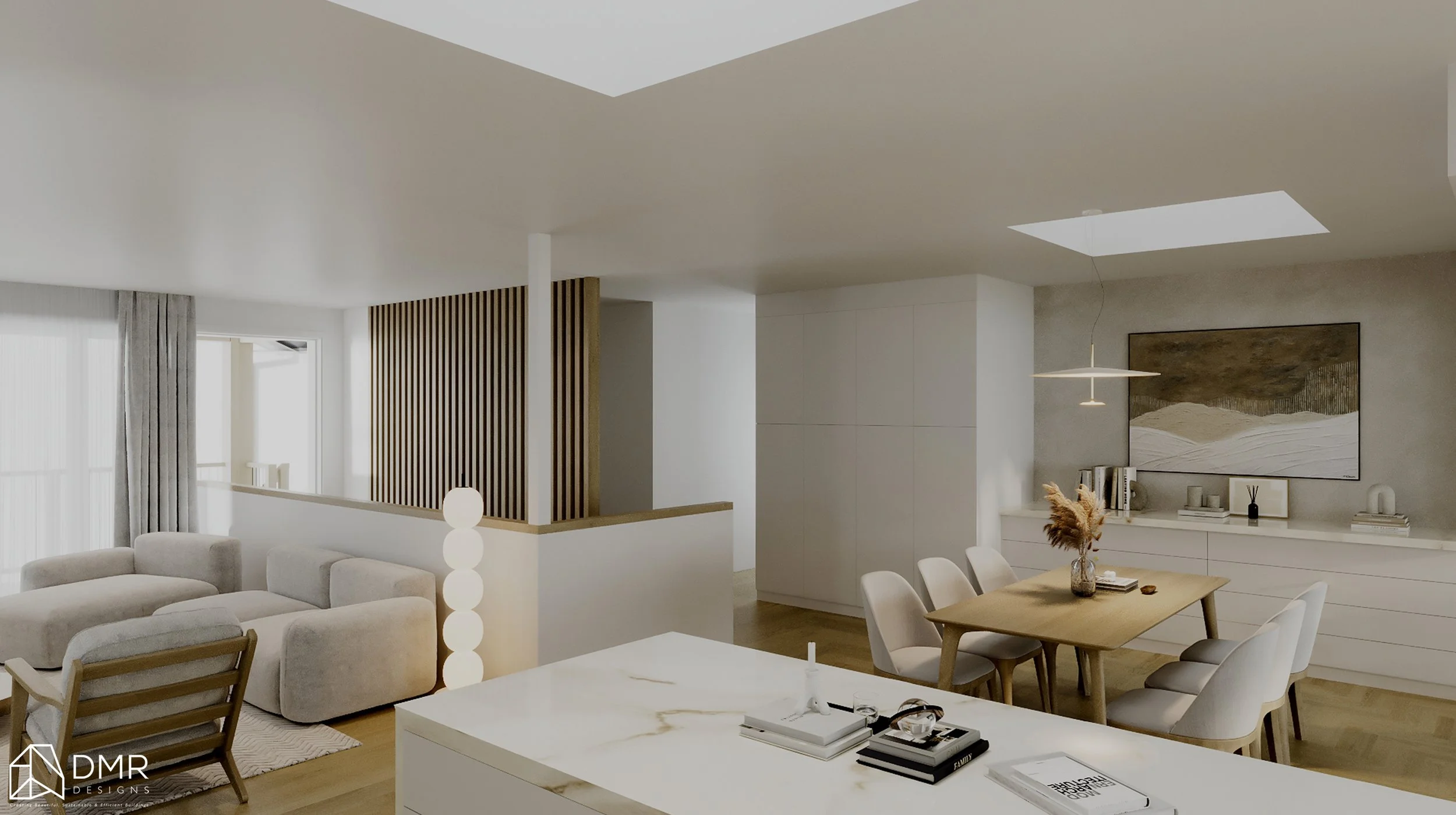
Even on smaller sites, internal courtyards or light wells can transform how open and private a home feels.
6. Layered Privacy Design

The best homes rarely rely on just one solution. Instead, they combine multiple strategies such as:

  • Layout planning

  • Screening

  • Landscaping

  • Window design

This layered approach creates subtle privacy without making the home feel defensive or closed off.

The result is a home that feels peaceful, open, and comfortable — exactly how a home should feel.
Designing a Home That Feels Open and Private

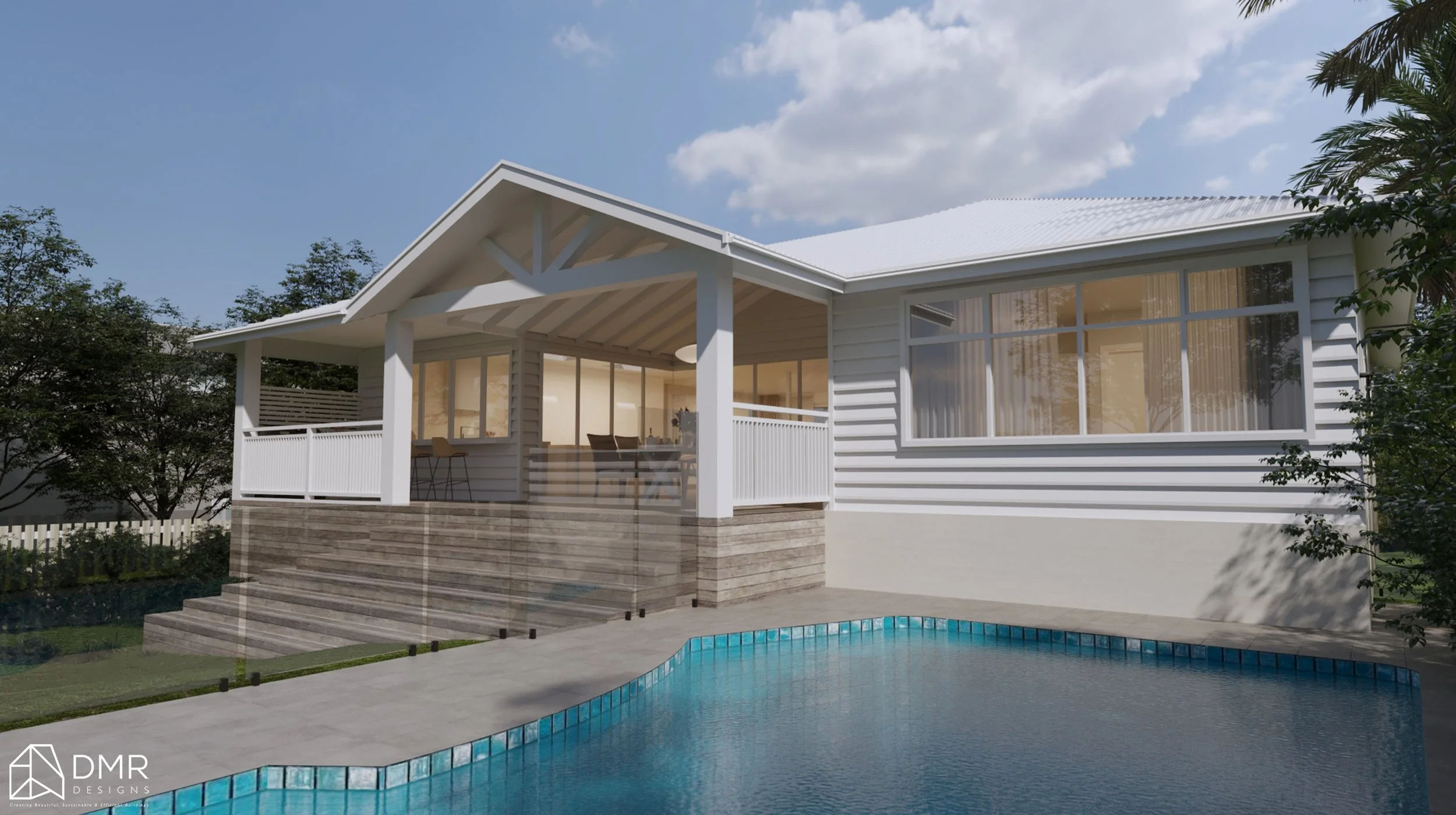
Every site is different, which is why thoughtful architectural design is so important. By understanding the site, surrounding properties, sunlight, and lifestyle needs, architects can design homes that offer privacy without sacrificing openness or natural light.

At DMR Designs, we focus on creating homes that balance comfort, connection, and privacy — spaces that work beautifully for everyday living.
What Makes a ‘Good Brief’ and Why It Leads to Better Design Outcomes

Every great home starts long before the first line is drawn.

It starts with a conversation.

At DMR Designs, we’ve found that the quality of the initial design brief often determines the quality of the final outcome. A clear, thoughtful brief doesn’t restrict creativity — it enhances it. It gives direction, clarity, and purpose to the design process.

So what actually makes a good brief?

And how can you create one?


Why the Design Brief Matters

A design brief is more than a checklist of rooms and square metres.
It’s a roadmap that guides the entire project.

When a brief is clear:

  • Communication is smoother

  • Decisions are easier

  • Budgets are better managed

  • Timelines are more predictable

  • The final design feels aligned and intentional

When a brief is vague, projects often face revisions, uncertainty, and frustration.

The difference is clarity.

What Makes a Good Design Brief?

Here are the key elements that help create strong design outcomes:

1. Lifestyle First, Layout Second

Instead of starting with “We want 4 bedrooms and 3 bathrooms,” begin with:

  • How do you live day-to-day?

  • Do you entertain often?

  • Do you work from home?

  • Do you need quiet zones or open communal areas?

  • How do mornings in your household typically run?

Great design responds to lifestyle — not just room counts.

2. Clear Priorities (Needs vs Wants)

Separate your ideas into:

Non-negotiables (Needs)

  • Required bedrooms

  • Accessibility considerations

  • Budget limits

  • Site constraints

Nice-to-haves (Wants)

  • Butler’s pantry

  • Raked ceilings

  • Feature staircase

  • Skylights

This clarity helps guide smart trade-offs without compromising what truly matters.

3. Budget Transparency

Designing without a realistic budget is like navigating without a compass.

Being open about your investment range allows your designer to:

  • Propose appropriate materials

  • Suggest realistic construction methods

  • Avoid costly redesigns later

A well-aligned budget ensures creative ideas stay achievable.

4. Site Awareness

Every site has opportunities and constraints:

  • Orientation and natural light

  • Slopes and levels

  • Neighbouring properties

  • Local council requirements

Sharing what you already know — including surveys or reports — allows the design to respond intelligently from day one.

5. Design Preferences (Without Over-Controlling)

It’s helpful to share:

  • Inspiration images

  • Homes you admire

  • Materials you’re drawn to

  • Styles you dislike

But remember: inspiration guides the direction — it shouldn’t dictate every detail.

A strong brief gives clarity without limiting creativity.

Common Mistakes in Design Briefs

Here’s what often causes friction:

  • Copying Pinterest layouts without considering the site

  • Focusing purely on resale instead of lifestyle

  • Avoiding budget discussions

  • Changing priorities mid-design

  • Providing too little information upfront

The more open and honest the brief, the stronger the outcome.

How to Prepare Your Brief Before Meeting Your Designer

If you're preparing to start your project, consider writing down:

  1. A short paragraph describing your ideal day at home

  2. Your must-have spaces

  3. Your current frustrations with your existing home

  4. Your realistic budget range

  5. Your timeline expectations

This preparation makes your first consultation far more productive.

Why a Good Brief Leads to Better Design

At DMR Designs, we believe good design isn’t about imposing ideas — it’s about solving problems beautifully.

When the brief is clear:

  • Design decisions become purposeful

  • Spaces feel intentional

  • The home works long-term

  • The process feels collaborative, not stressful

The result? A home that feels like it was truly designed for you — not adapted later.

In Summary

A good brief isn’t about having all the answers — it’s about providing clarity, honesty, and direction. When you clearly communicate how you live, what matters most, and what constraints exist, you empower your designer to create something intentional and aligned. The stronger the brief, the stronger the outcome. Great homes aren’t accidental — they’re the result of thoughtful collaboration from the very beginning.


Ready to Start Your Project the Right Way?

If you’re planning a new home, renovation, or secondary dwelling, the best place to begin is with a clear and considered brief. At DMR Designs, we guide you through that process — asking the right questions, identifying priorities, and translating your vision into a design that works beautifully for years to come.

Let’s build with clarity and confidence.