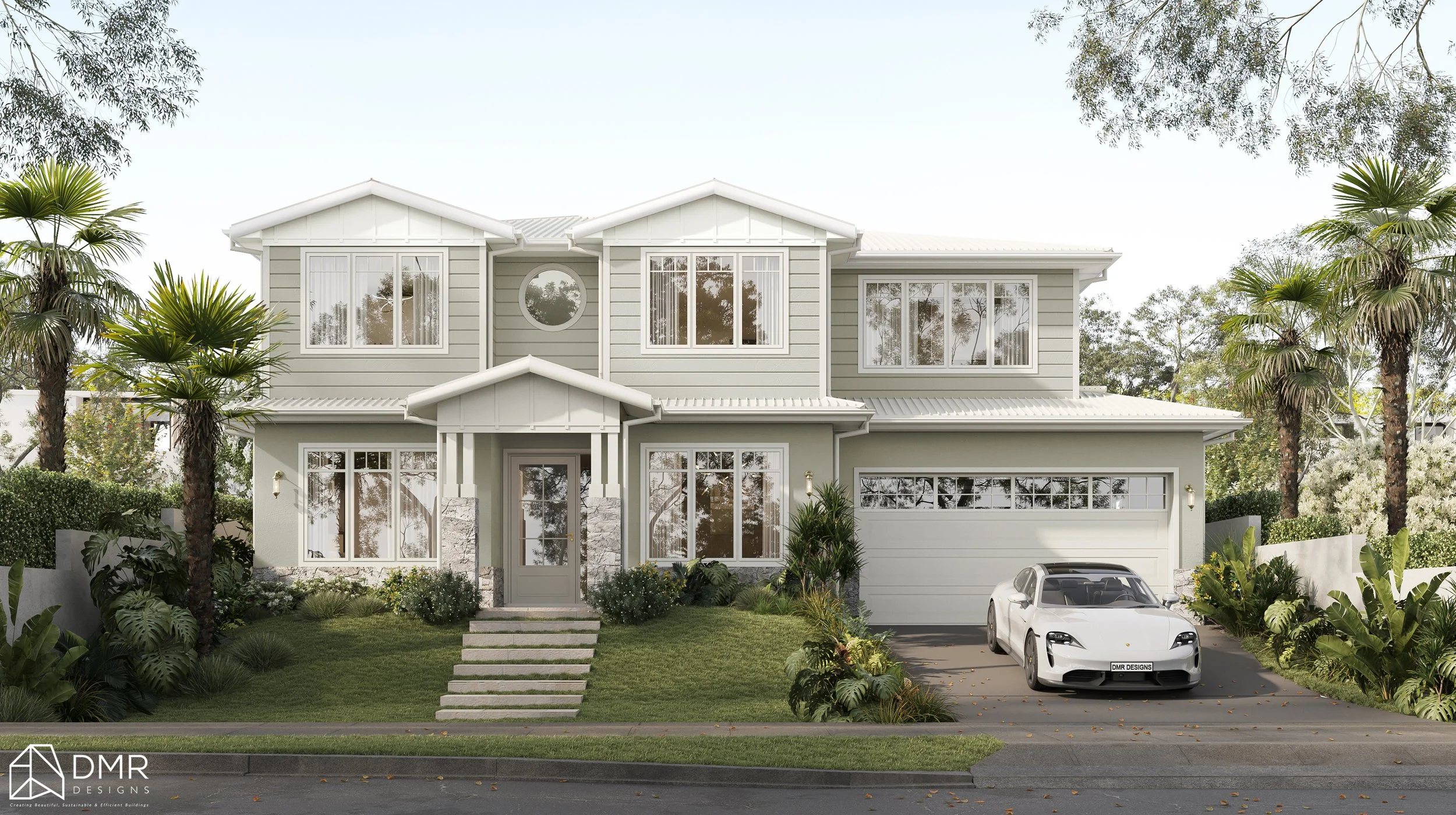
Custom Home Design

What Makes a ‘Good Brief’ and Why It Leads to Better Design Outcomes

Every great home starts long before the first line is drawn.

It starts with a conversation.

At DMR Designs, we’ve found that the quality of the initial design brief often determines the quality of the final outcome. A clear, thoughtful brief doesn’t restrict creativity — it enhances it. It gives direction, clarity, and purpose to the design process.

So what actually makes a good brief?

And how can you create one?


Why the Design Brief Matters

A design brief is more than a checklist of rooms and square metres.
It’s a roadmap that guides the entire project.

When a brief is clear:

  • Communication is smoother

  • Decisions are easier

  • Budgets are better managed

  • Timelines are more predictable

  • The final design feels aligned and intentional

When a brief is vague, projects often face revisions, uncertainty, and frustration.

The difference is clarity.

What Makes a Good Design Brief?

Here are the key elements that help create strong design outcomes:

1. Lifestyle First, Layout Second

Instead of starting with “We want 4 bedrooms and 3 bathrooms,” begin with:

  • How do you live day-to-day?

  • Do you entertain often?

  • Do you work from home?

  • Do you need quiet zones or open communal areas?

  • How do mornings in your household typically run?

Great design responds to lifestyle — not just room counts.

2. Clear Priorities (Needs vs Wants)

Separate your ideas into:

Non-negotiables (Needs)

  • Required bedrooms

  • Accessibility considerations

  • Budget limits

  • Site constraints

Nice-to-haves (Wants)

  • Butler’s pantry

  • Raked ceilings

  • Feature staircase

  • Skylights

This clarity helps guide smart trade-offs without compromising what truly matters.

3. Budget Transparency

Designing without a realistic budget is like navigating without a compass.

Being open about your investment range allows your designer to:

  • Propose appropriate materials

  • Suggest realistic construction methods

  • Avoid costly redesigns later

A well-aligned budget ensures creative ideas stay achievable.

4. Site Awareness

Every site has opportunities and constraints:

  • Orientation and natural light

  • Slopes and levels

  • Neighbouring properties

  • Local council requirements

Sharing what you already know — including surveys or reports — allows the design to respond intelligently from day one.

5. Design Preferences (Without Over-Controlling)

It’s helpful to share:

  • Inspiration images

  • Homes you admire

  • Materials you’re drawn to

  • Styles you dislike

But remember: inspiration guides the direction — it shouldn’t dictate every detail.

A strong brief gives clarity without limiting creativity.

Common Mistakes in Design Briefs

Here’s what often causes friction:

  • Copying Pinterest layouts without considering the site

  • Focusing purely on resale instead of lifestyle

  • Avoiding budget discussions

  • Changing priorities mid-design

  • Providing too little information upfront

The more open and honest the brief, the stronger the outcome.

How to Prepare Your Brief Before Meeting Your Designer

If you're preparing to start your project, consider writing down:

  1. A short paragraph describing your ideal day at home

  2. Your must-have spaces

  3. Your current frustrations with your existing home

  4. Your realistic budget range

  5. Your timeline expectations

This preparation makes your first consultation far more productive.

Why a Good Brief Leads to Better Design

At DMR Designs, we believe good design isn’t about imposing ideas — it’s about solving problems beautifully.

When the brief is clear:

  • Design decisions become purposeful

  • Spaces feel intentional

  • The home works long-term

  • The process feels collaborative, not stressful

The result? A home that feels like it was truly designed for you — not adapted later.

In Summary

A good brief isn’t about having all the answers — it’s about providing clarity, honesty, and direction. When you clearly communicate how you live, what matters most, and what constraints exist, you empower your designer to create something intentional and aligned. The stronger the brief, the stronger the outcome. Great homes aren’t accidental — they’re the result of thoughtful collaboration from the very beginning.


Ready to Start Your Project the Right Way?

If you’re planning a new home, renovation, or secondary dwelling, the best place to begin is with a clear and considered brief. At DMR Designs, we guide you through that process — asking the right questions, identifying priorities, and translating your vision into a design that works beautifully for years to come.

Let’s build with clarity and confidence.

Why Custom Homes Offer More Value Than Pre-Designed Plans

When planning a new home or major renovation, many homeowners face an important decision: choose a pre-designed plan or invest in a custom design. While off-the-shelf plans may seem convenient at first, a custom home often delivers far greater value in the long run.

At DMR Designs, we believe your home should be designed around you — not the other way around. Here’s why a tailored design approach consistently proves to be the smarter investment.


Designed for Your Lifestyle — Not a Generic One

Pre-designed plans are created to suit the “average” homeowner. But no two families live the same way.

A custom home is designed around your:

  • Daily routines and lifestyle

  • Family size and future needs

  • Entertaining habits

  • Work-from-home requirements

  • Storage and functional priorities

The result is a home that works seamlessly for how you actually live — reducing wasted space and improving everyday comfort.

Better Use of Your Land and Orientation

Every block of land is unique. A pre-designed plan often requires compromises to fit the site, leading to:

  • Poor natural light

  • Inefficient layouts

  • Overlooking or privacy issues

  • Increased construction costs due to modifications

A custom design responds directly to your site’s:

  • Orientation and solar access

  • Slope and setbacks

  • Views and privacy constraints

  • Council and planning requirements

This site-specific approach leads to better energy efficiency, comfort, and long-term performance.

Greater Long-Term Cost Efficiency

While pre-designed plans may appear cheaper upfront, they often come with hidden costs:

  • Design changes and redraws

  • Structural adjustments

  • Poor energy performance

  • Future renovations to fix design limitations

A custom home is designed right from the start, helping you:

  • Avoid costly modifications during construction

  • Reduce long-term energy bills

  • Minimise future renovation expenses

  • Build once — and build properly

Over time, this can result in significant savings.

Built to Adapt as Your Life Changes

Your home should grow with you.

Custom homes can be designed with future flexibility in mind, such as:

  • Adaptable layouts for growing families

  • Multi-generational living options

  • Home offices that can evolve over time

  • Provisions for future extensions or upgrades

This foresight helps your home remain functional and relevant for years to come.

Stronger Resale Appeal and Long-Term Value

Well-designed custom homes stand out in the property market. Buyers recognise and value:

  • Thoughtful layouts

  • Quality design detailing

  • Efficient use of space

  • Strong indoor-outdoor connections

A tailored design that complements its site and surroundings often attracts stronger buyer interest and delivers better resale performance than generic builds.


Custom Design Is an Investment — Not an Upgrade

A custom home isn’t about luxury for the sake of it. It’s about smart planning, functionality, and long-term value.

At DMR Designs, we work closely with our clients to create homes that are practical, efficient, and uniquely suited to their lifestyle and site — ensuring every design decision adds value both now and in the future.

If you’re considering building or renovating and want a home designed specifically for you, get in touch with DMR Designs to start the conversation.