Residential Architecture

Smart Home Design: Integrating Technology into Everyday Living

Smart home technology is no longer just about voice-activated lights or app-controlled blinds. When thoughtfully integrated during the design stage, technology can enhance comfort, efficiency, security, and long-term value — without compromising on aesthetics.

At DMR Designs, we believe the smartest homes are those where technology works quietly in the background, supporting everyday living while allowing flexibility for future upgrades. Here’s how to plan a smart home the right way, from day one.


Start With Lifestyle, Not Gadgets

The key to successful smart home design isn’t choosing the latest devices — it’s understanding how you live.

Consider questions such as:

  • Do you work from home and need strong connectivity throughout the house?

  • Is energy efficiency a priority?

  • Do you want enhanced security while travelling?

  • Are you planning to age in place and need systems that simplify daily tasks?

By identifying these needs early, technology can be seamlessly integrated into the layout, electrical planning, and spatial design — rather than added as an afterthought.

Plan Electrical & Data Infrastructure Early

One of the biggest mistakes in smart home projects is under-planning infrastructure. Even if you’re not installing every smart feature now, the groundwork should be done during design.

Key considerations include:

  • Additional power points and USB outlets

  • Structured data cabling for reliable connections

  • Dedicated spaces for hubs, routers, and control panels

  • Ceiling and wall allowances for future sensors, cameras, or speakers

Proper planning ensures clean finishes, avoids visible cables, and saves costly retrofits later.

Design for Automation That Feels Natural

Automation should make life easier — not more complicated.

Popular automation features include:

  • Lighting scenes for different times of day

  • Climate control zoning for comfort and energy savings

  • Automated blinds and shading to manage heat and glare

  • Smart irrigation linked to weather conditions

When these systems are integrated during the design phase, controls can be discreetly positioned and systems can work together intuitively.

Integrate Energy Monitoring & Sustainability

Smart homes and sustainable design go hand in hand. Technology allows homeowners to better understand and manage energy use in real time.
During the design process, consider:

  • Smart meters and energy monitoring systems

  • Solar readiness and battery storage provisions

  • EV charger infrastructure

  • Appliances and lighting designed for efficiency and automation

These features not only reduce running costs but also support long-term environmental goals.

Keep Technology Invisible in the Design

Great design doesn’t look “tech-heavy.” At DMR Designs, we prioritise clean lines and uncluttered spaces by integrating technology discreetly.

This includes:

  • Concealed wiring and equipment

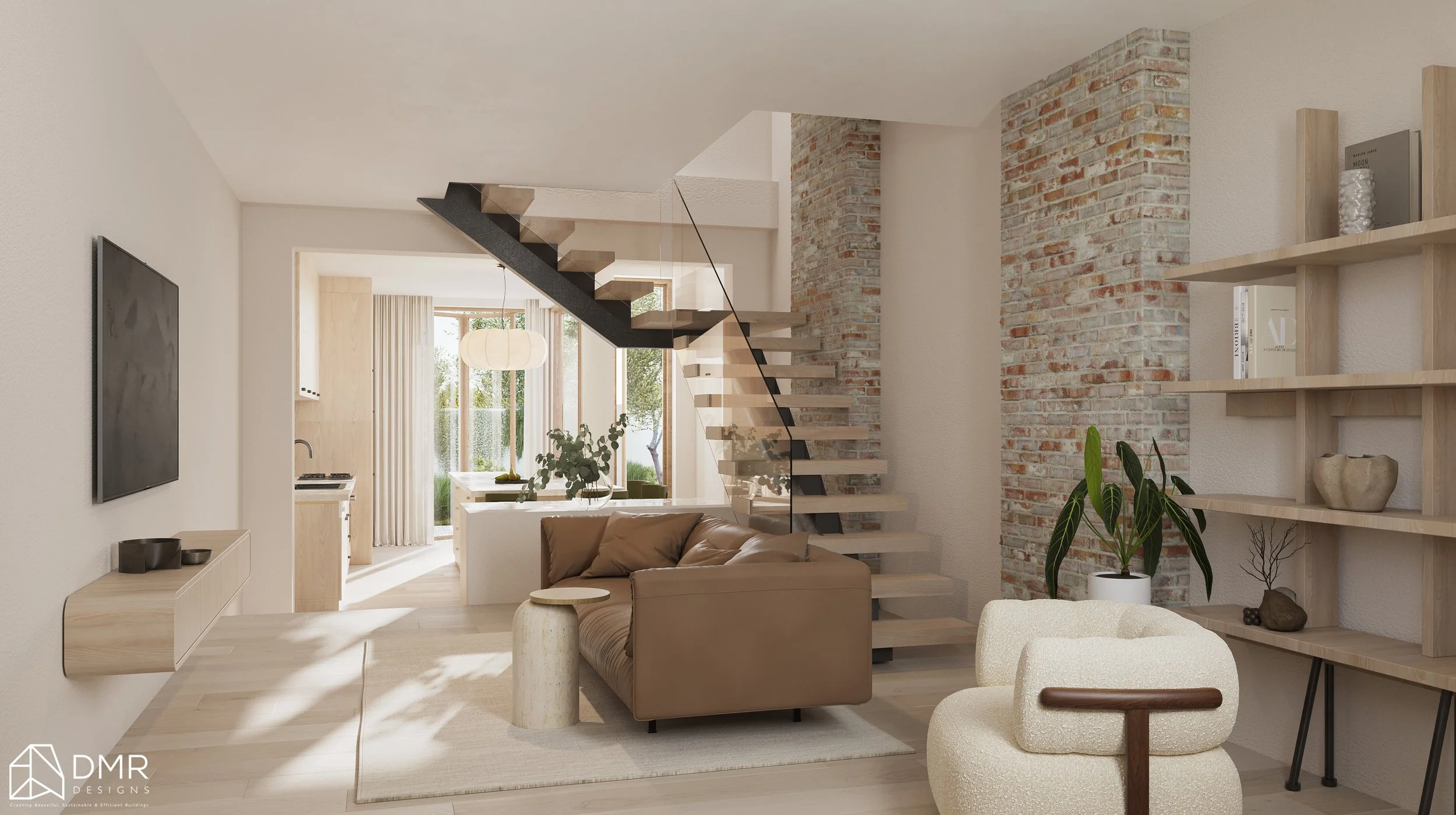
  • Built-in joinery to house devices

  • Minimal and consistent switch placement

  • Thoughtful integration with interior finishes

The result is a home that feels calm, modern, and timeless — not dominated by gadgets.

Design for Future Upgrades

Technology evolves quickly, but good design lasts. A future-ready home allows systems to be upgraded without major renovations.

Future-proofing strategies include:

  • Extra conduits in walls and ceilings

  • Flexible control systems that support multiple platforms

  • Space allowances for future equipment

  • Scalable electrical and data capacity

This approach ensures your home can adapt to new technology as it becomes available.

Bringing It All Together

Smart home design is about more than technology — it’s about creating spaces that respond to how you live, improve comfort, reduce energy use, and adapt over time. By planning automation, energy monitoring, and future upgrades early in the design process, your home can remain efficient, intuitive, and beautifully designed for years to come. With the right approach, smart technology becomes an effortless part of everyday living, not an add-on — delivering a home that works smarter, feels better, and is truly built for the future.


Smart Living Starts With Smart Design

A truly smart home isn’t about adding technology — it’s about designing a home that supports modern living today and evolves with you tomorrow.

At DMR Designs, we integrate smart home planning into the architectural design process, ensuring technology enhances your lifestyle while maintaining beautiful, functional spaces.

If you’re planning a new home, renovation, or addition, now is the perfect time to design smarter.

Let’s create a home that’s intelligent, efficient, and built for the future.

Book discovery call

Why Custom Homes Offer More Value Than Pre-Designed Plans

When planning a new home or major renovation, many homeowners face an important decision: choose a pre-designed plan or invest in a custom design. While off-the-shelf plans may seem convenient at first, a custom home often delivers far greater value in the long run.

At DMR Designs, we believe your home should be designed around you — not the other way around. Here’s why a tailored design approach consistently proves to be the smarter investment.


Designed for Your Lifestyle — Not a Generic One

Pre-designed plans are created to suit the “average” homeowner. But no two families live the same way.

A custom home is designed around your:

  • Daily routines and lifestyle

  • Family size and future needs

  • Entertaining habits

  • Work-from-home requirements

  • Storage and functional priorities

The result is a home that works seamlessly for how you actually live — reducing wasted space and improving everyday comfort.

Better Use of Your Land and Orientation

Every block of land is unique. A pre-designed plan often requires compromises to fit the site, leading to:

  • Poor natural light

  • Inefficient layouts

  • Overlooking or privacy issues

  • Increased construction costs due to modifications

A custom design responds directly to your site’s:

  • Orientation and solar access

  • Slope and setbacks

  • Views and privacy constraints

  • Council and planning requirements

This site-specific approach leads to better energy efficiency, comfort, and long-term performance.

Greater Long-Term Cost Efficiency

While pre-designed plans may appear cheaper upfront, they often come with hidden costs:

  • Design changes and redraws

  • Structural adjustments

  • Poor energy performance

  • Future renovations to fix design limitations

A custom home is designed right from the start, helping you:

  • Avoid costly modifications during construction

  • Reduce long-term energy bills

  • Minimise future renovation expenses

  • Build once — and build properly

Over time, this can result in significant savings.

Built to Adapt as Your Life Changes

Your home should grow with you.

Custom homes can be designed with future flexibility in mind, such as:

  • Adaptable layouts for growing families

  • Multi-generational living options

  • Home offices that can evolve over time

  • Provisions for future extensions or upgrades

This foresight helps your home remain functional and relevant for years to come.

Stronger Resale Appeal and Long-Term Value

Well-designed custom homes stand out in the property market. Buyers recognise and value:

  • Thoughtful layouts

  • Quality design detailing

  • Efficient use of space

  • Strong indoor-outdoor connections

A tailored design that complements its site and surroundings often attracts stronger buyer interest and delivers better resale performance than generic builds.


Custom Design Is an Investment — Not an Upgrade

A custom home isn’t about luxury for the sake of it. It’s about smart planning, functionality, and long-term value.

At DMR Designs, we work closely with our clients to create homes that are practical, efficient, and uniquely suited to their lifestyle and site — ensuring every design decision adds value both now and in the future.

If you’re considering building or renovating and want a home designed specifically for you, get in touch with DMR Designs to start the conversation.

Book discovery call

The Art of Façade Design: First Impressions That Last

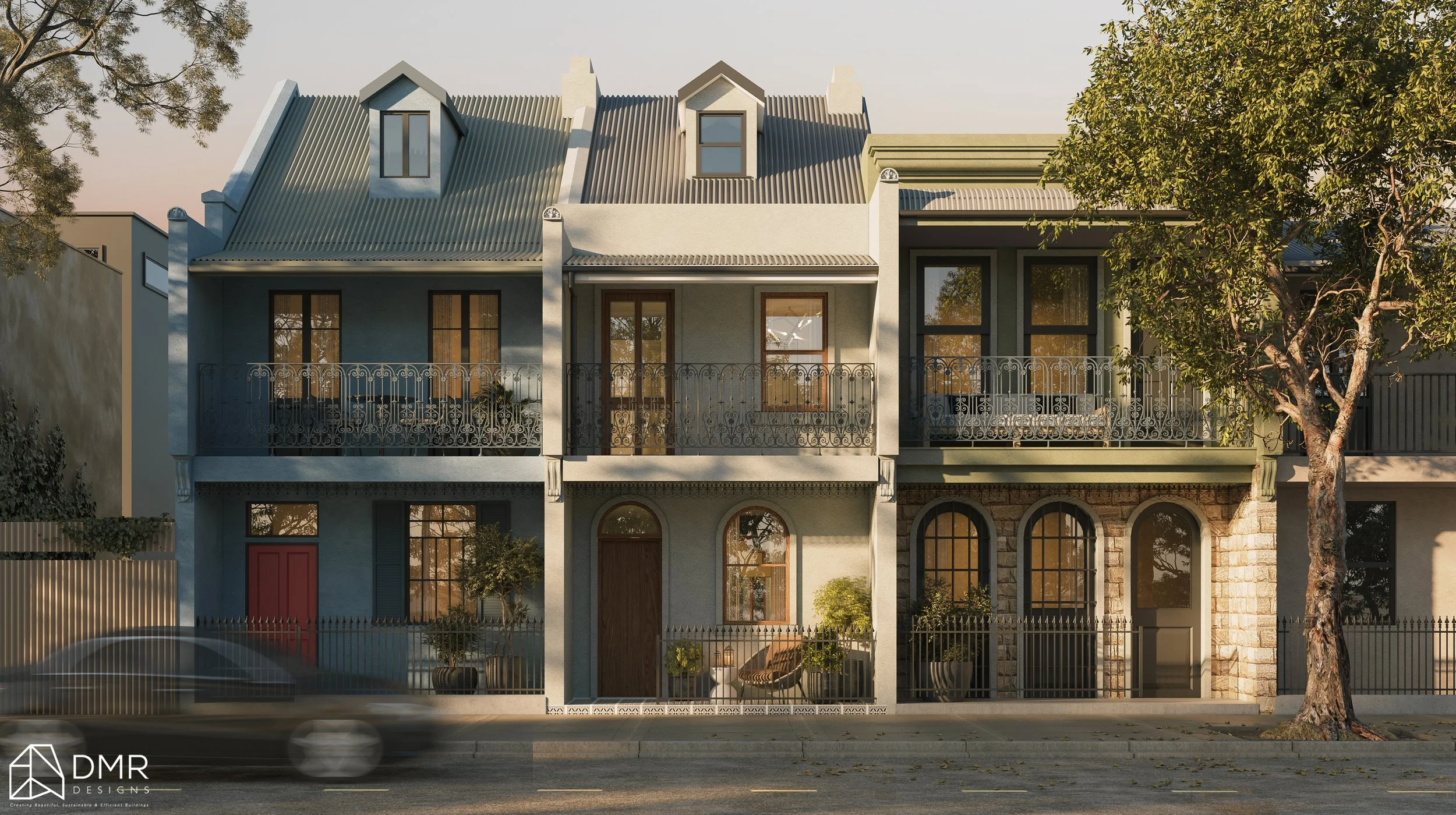
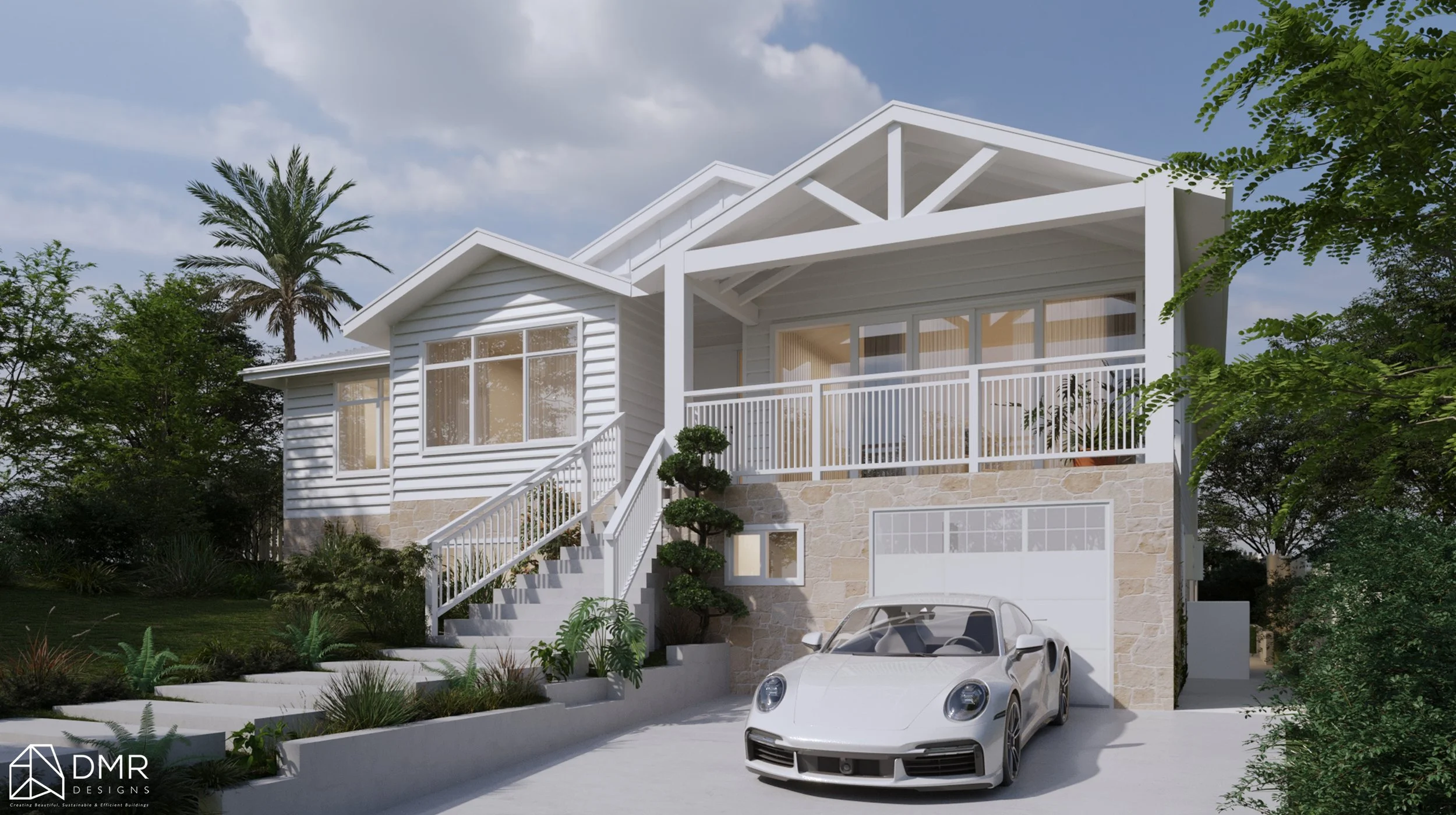
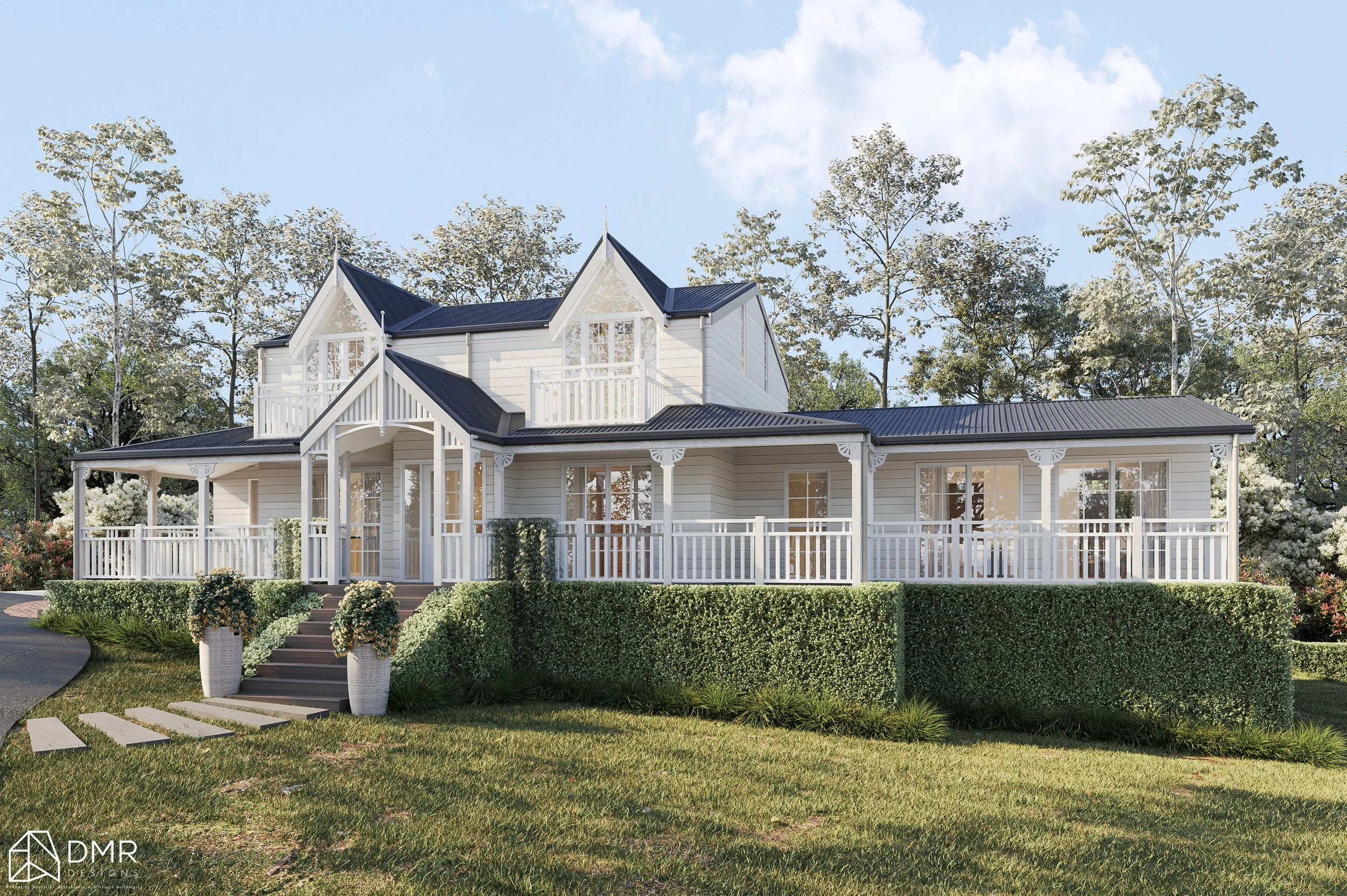
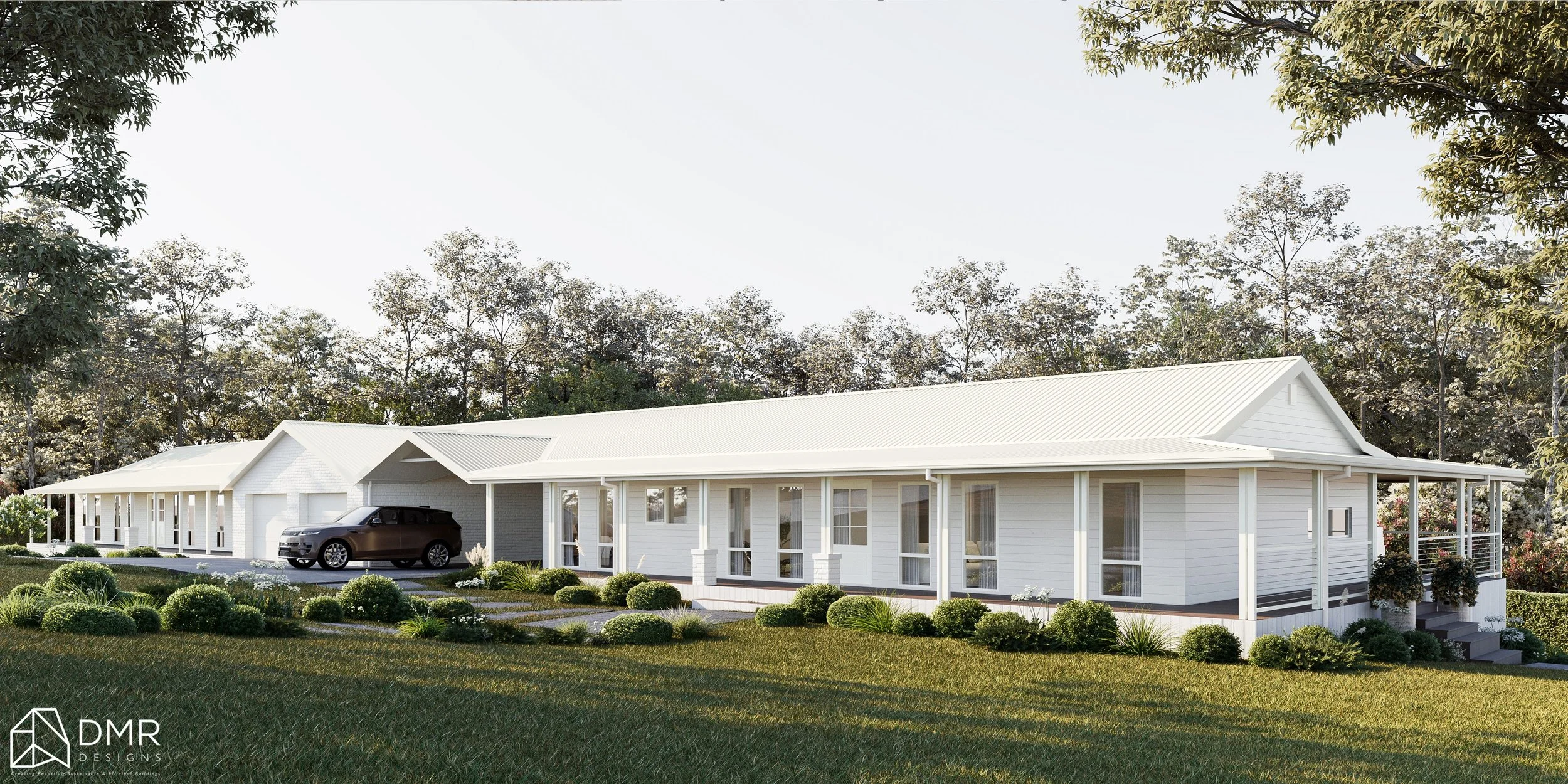
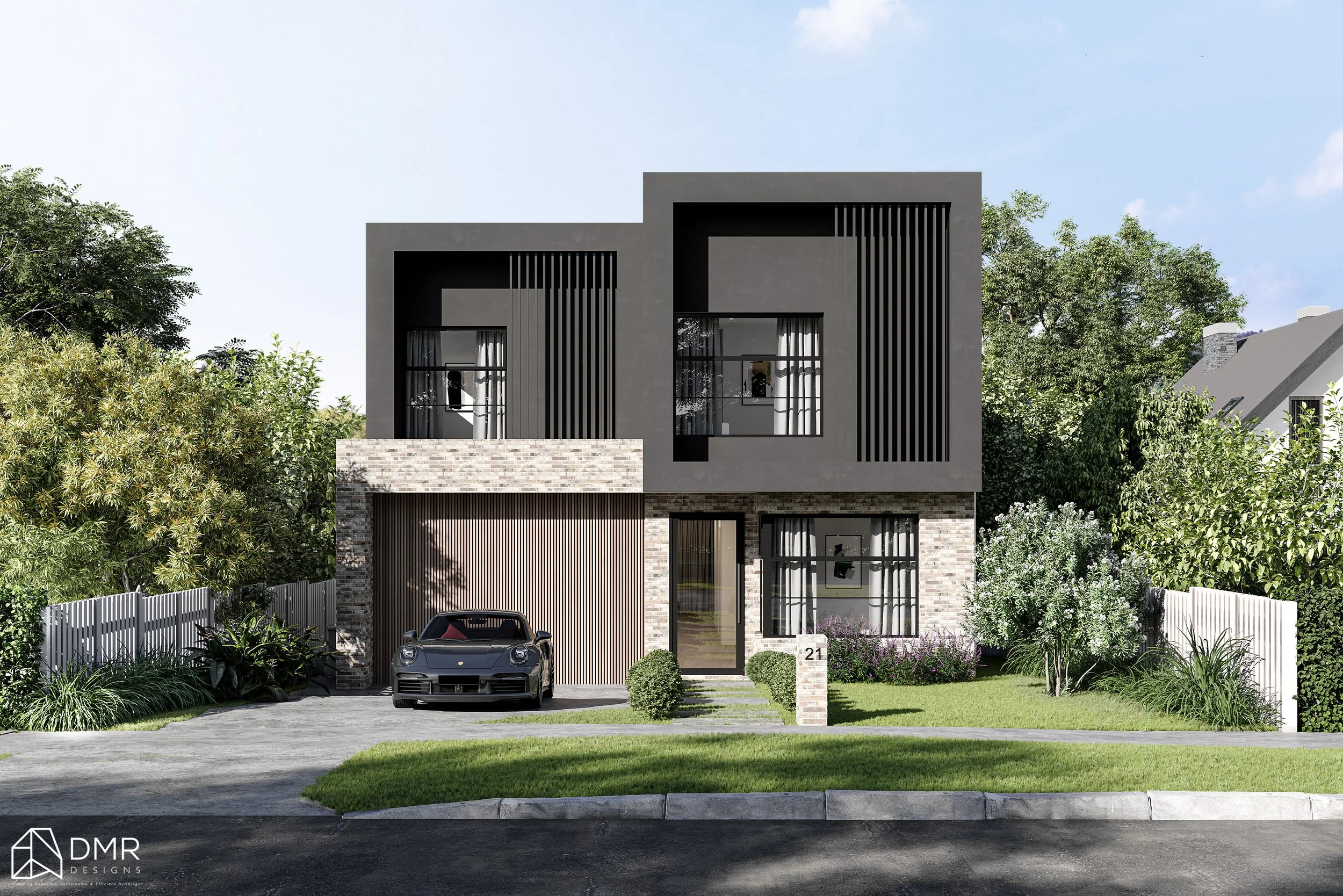
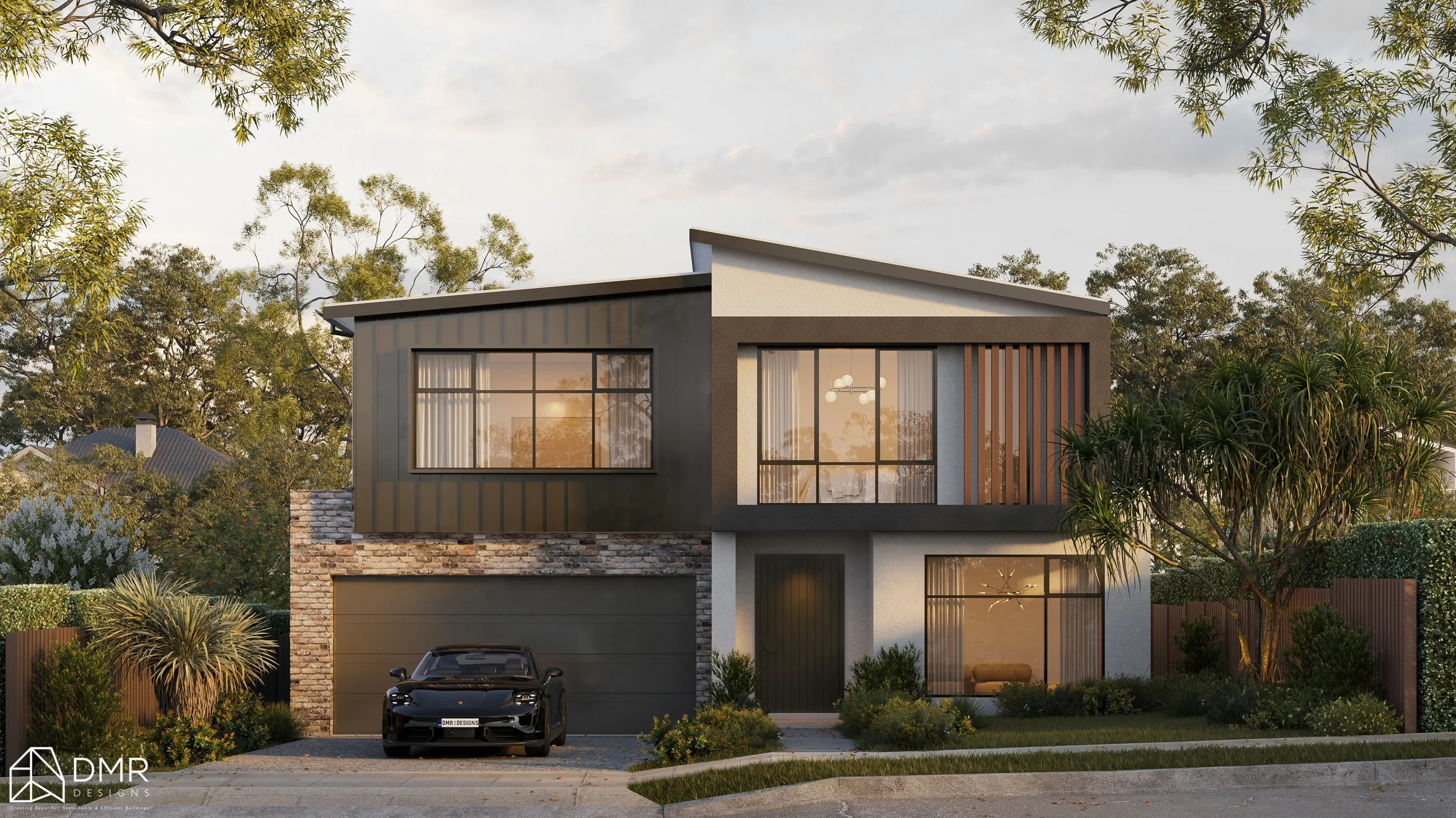
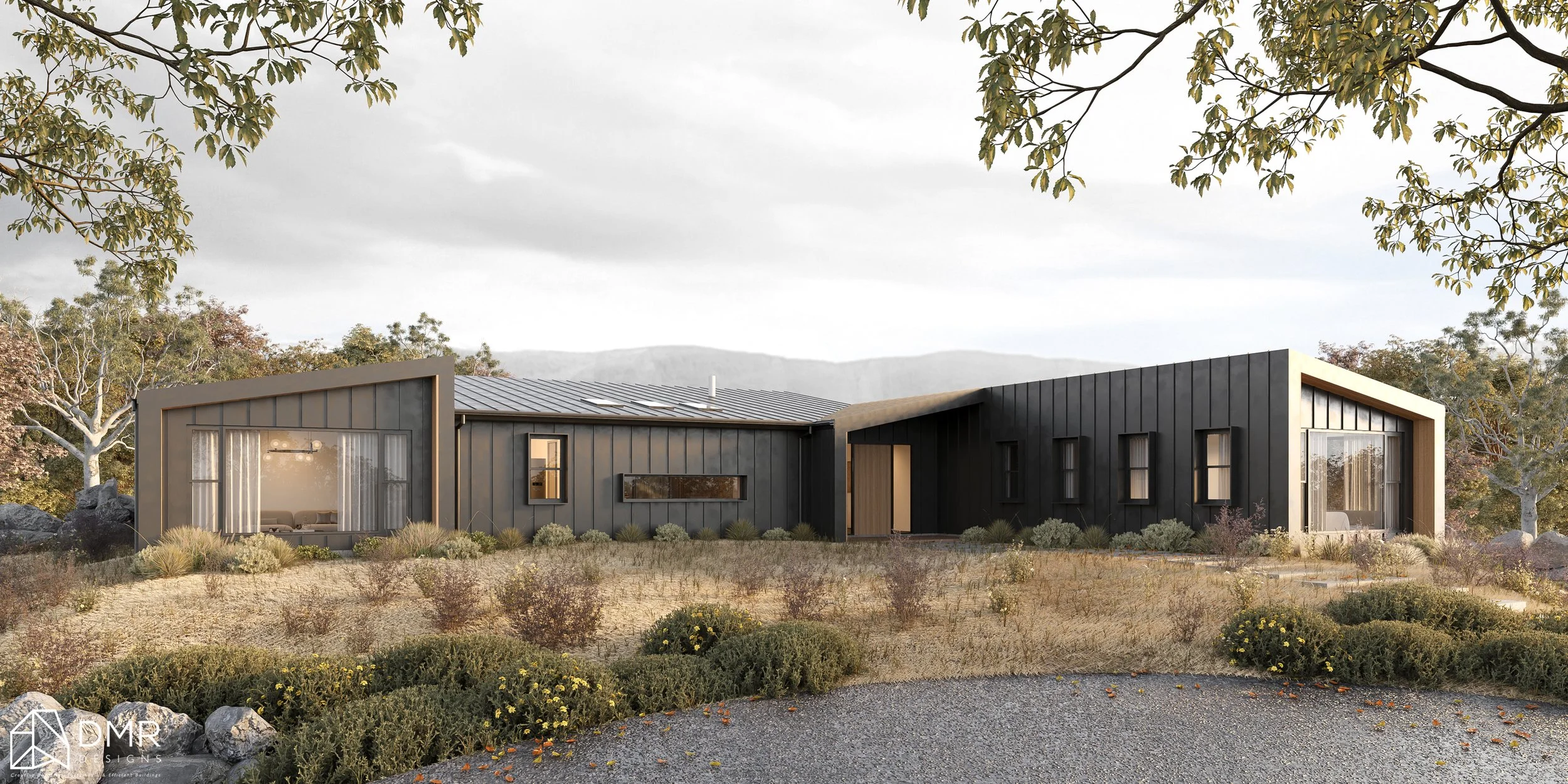
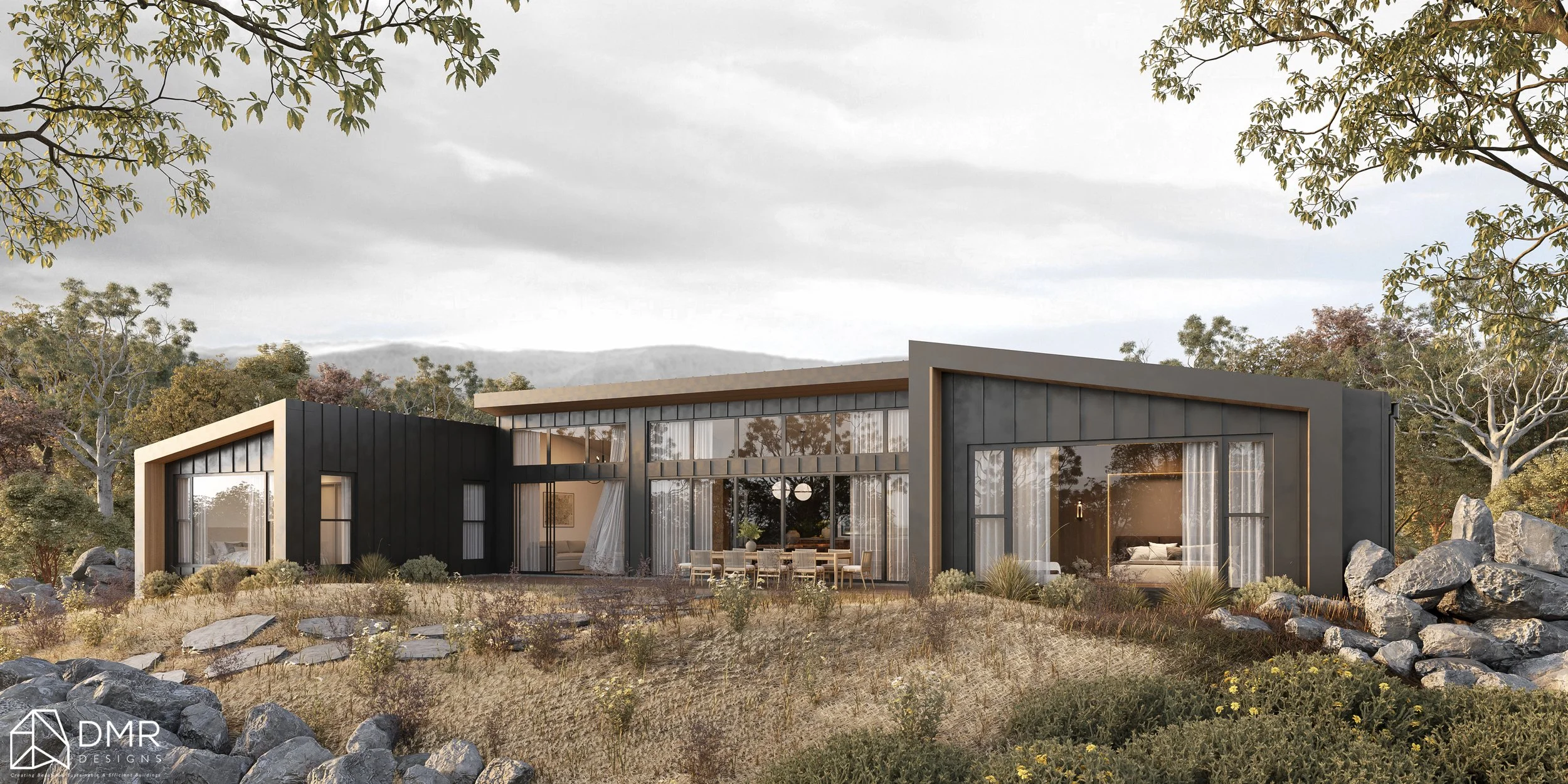
A home’s façade is more than its outer shell—it’s a reflection of your style, values, and the architectural story within. It’s what draws the eye, sparks curiosity, and sets the tone for the entire home. Creating a striking façade takes more than just picking a colour scheme—it’s about understanding balance, materials, and proportion.

Here are the key things to consider when designing a façade that truly stands out:


Material Selection

Choose materials that complement each other in texture, tone, and durability. Brick, stone, timber, render, and metal cladding each bring their own character. Combining two or three thoughtfully can add depth and personality without overwhelming the design.

Symmetry and Balance

Symmetry creates a sense of harmony and order, while asymmetry can feel bold and modern. The key is balance—ensuring that windows, doors, and rooflines are visually aligned and proportionate.

Proportion and Scale

A well-proportioned façade feels comfortable to the eye. Oversized windows or awkward roof heights can disrupt flow. Consider how each element relates to the whole structure, and to the surrounding streetscape.

Colour Palette

Colours have the power to define a mood. Neutral tones often feel timeless, while bold hues can highlight modernity or architectural details. Always test colours in natural light—what looks soft beige in the store might appear stark white outdoors.

Lighting Design

Exterior lighting enhances the façade’s best features and adds ambience at night. Use wall sconces, uplights, or pathway lights to highlight textures and create a welcoming atmosphere.


Roofline and Form

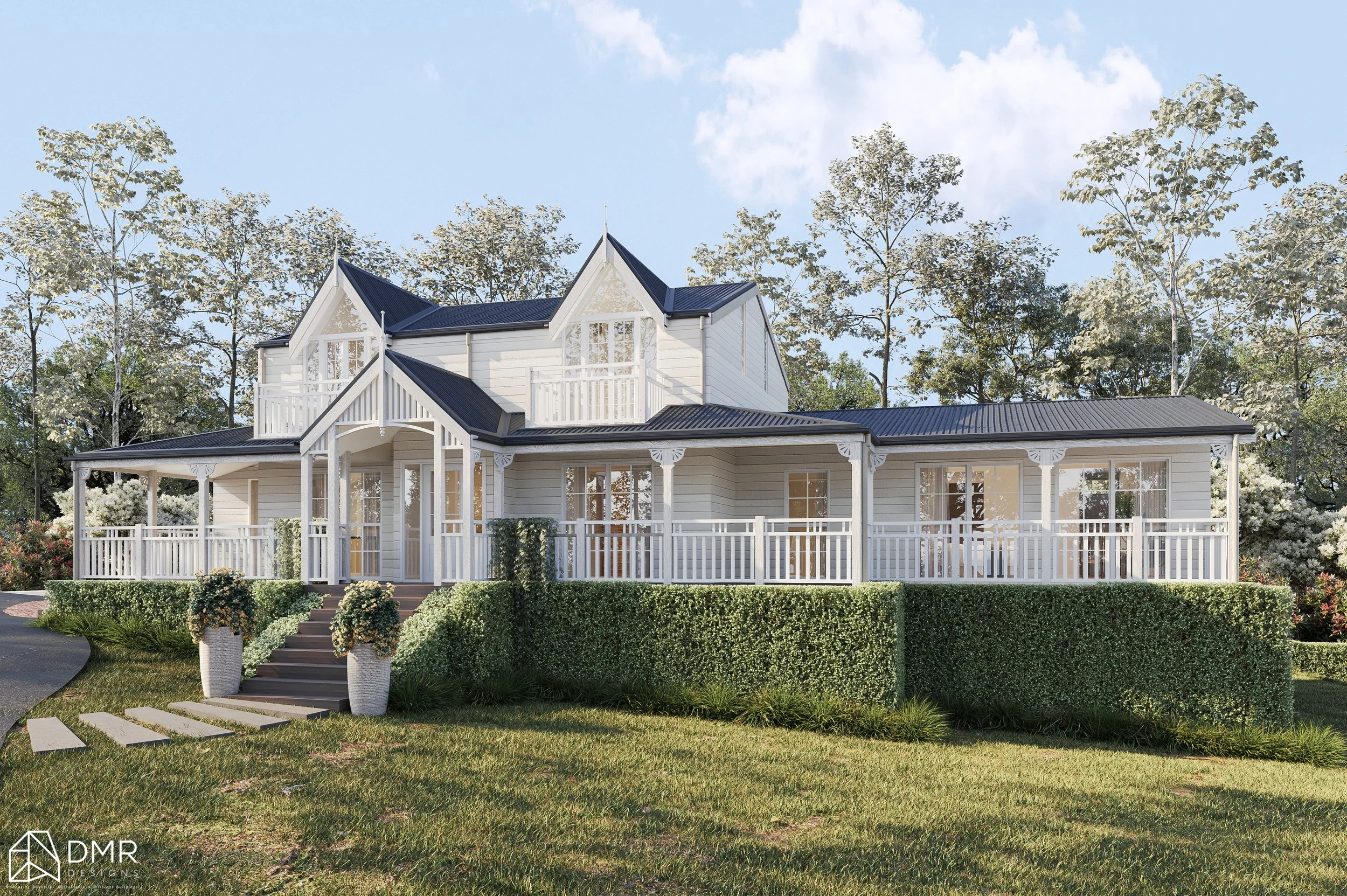
The shape and slope of the roof greatly influence a home’s identity. Clean, flat lines suggest a modern aesthetic, while pitched or gabled roofs evoke classic or coastal charm.

Entrances and Focal Points

The entryway is the anchor of the façade—it should stand out yet feel cohesive. Statement doors, feature walls, or canopies can create a strong focal point that draws people in.

Landscaping Integration

Plants, pathways, and fences should frame the home, not compete with it. A well-landscaped front yard softens hard architectural lines and enhances street appeal.

Lighting and Shadows

Natural light can dramatically change how your façade looks throughout the day. Observe how shadows fall across your design—this can add natural dimension and texture.

Consistency with Interior Design

Your façade should hint at what’s inside. A sleek, minimalist exterior paired with a rustic interior can feel disjointed. Ensure the exterior style flows naturally into your home’s interior spaces.

A thoughtfully designed façade is an investment in your home’s identity. It doesn’t just create curb appeal—it sets the tone for the living experience inside, communicates your style, and ensures your home leaves a lasting impression on everyone who passes by. Every detail, from materials to proportions, contributes to a façade that feels intentional, timeless, and welcoming.

Bringing It All Together

Building a granny flat can be a fantastic way to make the most of your property—whether you’re thinking about family needs, boosting your home’s value, or creating an extra source of income. The key is understanding your local council’s rules, planning the right design, and getting the right approvals in place. With the right team by your side, the process can be smoother and more rewarding than you might think.


Ready to Explore the Possibilities?

Whether you’re building for family or creating a new income stream, DMR Designs can help you bring your ideas to life—from concept and design to approvals and construction drawings.

Start your design journey with DMR Designs.
Book a discovery call via the link in our bio or visit our website to begin planning your dream project.

Book discovery call