Home Building Advice

Why Custom Homes Offer More Value Than Pre-Designed Plans

When planning a new home or major renovation, many homeowners face an important decision: choose a pre-designed plan or invest in a custom design. While off-the-shelf plans may seem convenient at first, a custom home often delivers far greater value in the long run.

At DMR Designs, we believe your home should be designed around you — not the other way around. Here’s why a tailored design approach consistently proves to be the smarter investment.
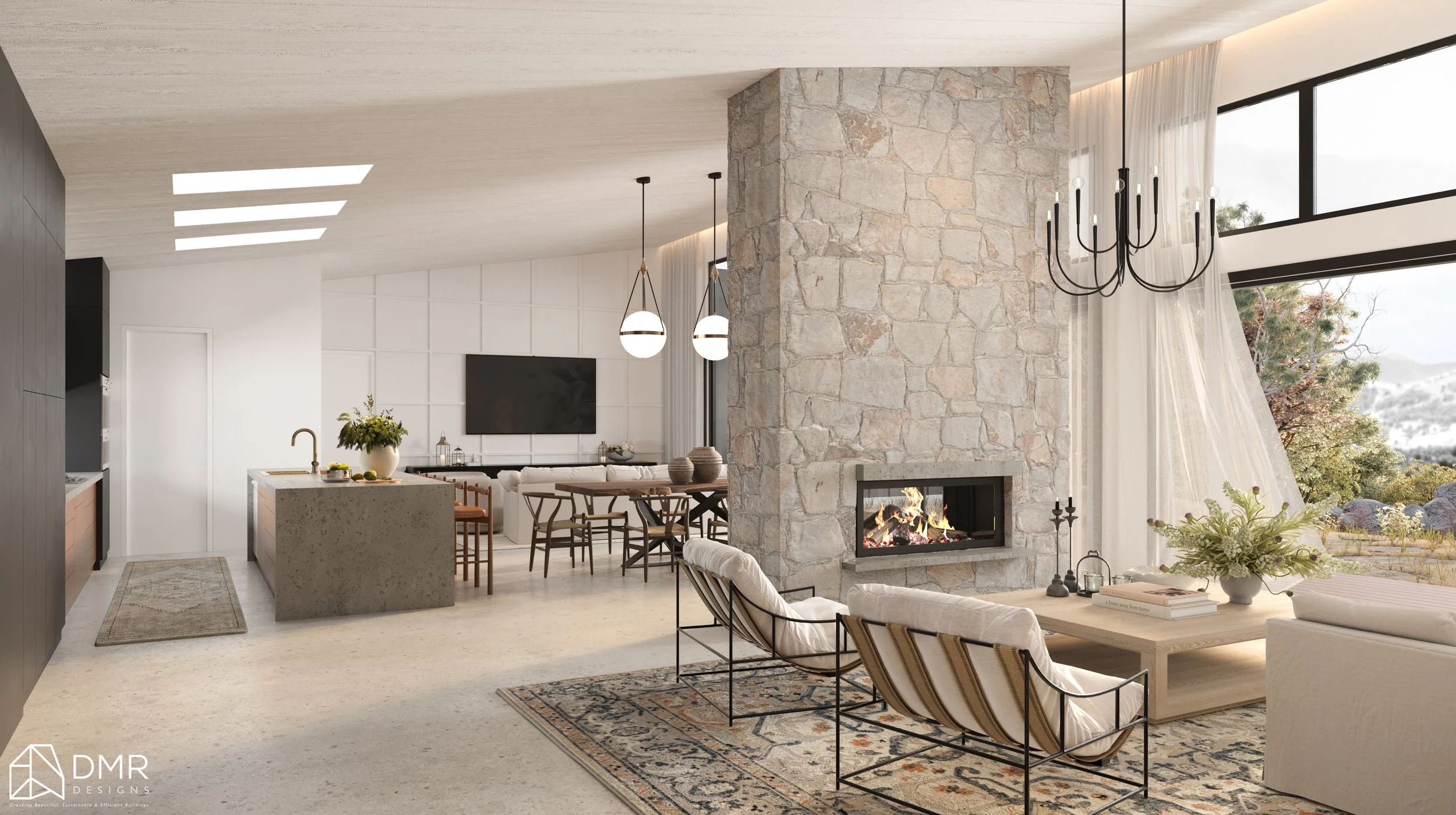

Designed for Your Lifestyle — Not a Generic One

Pre-designed plans are created to suit the “average” homeowner. But no two families live the same way.

A custom home is designed around your:

  • Daily routines and lifestyle

  • Family size and future needs

  • Entertaining habits

  • Work-from-home requirements

  • Storage and functional priorities

The result is a home that works seamlessly for how you actually live — reducing wasted space and improving everyday comfort.
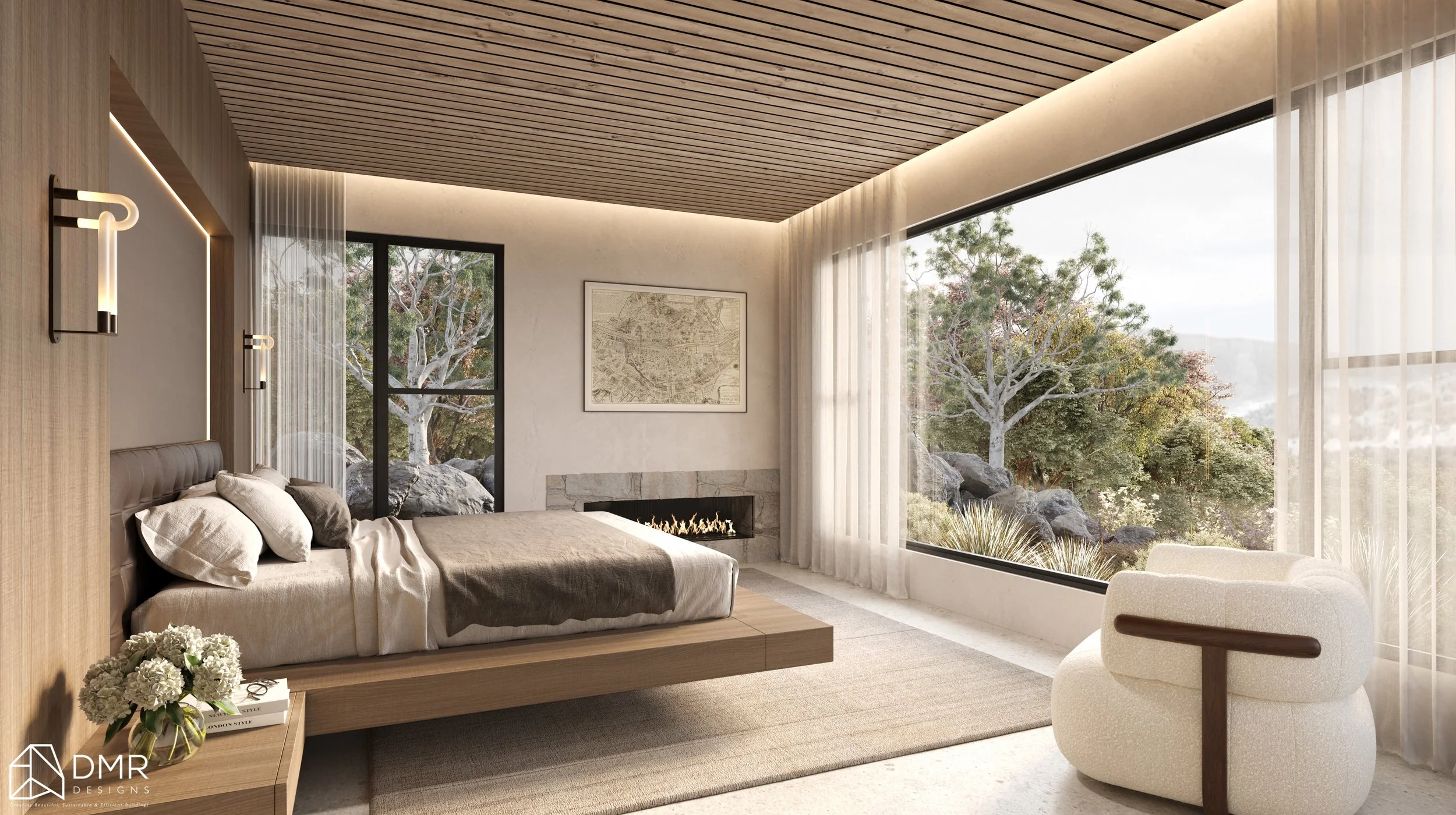
Better Use of Your Land and Orientation

Every block of land is unique. A pre-designed plan often requires compromises to fit the site, leading to:

  • Poor natural light

  • Inefficient layouts

  • Overlooking or privacy issues

  • Increased construction costs due to modifications

A custom design responds directly to your site’s:

  • Orientation and solar access

  • Slope and setbacks

  • Views and privacy constraints

  • Council and planning requirements

This site-specific approach leads to better energy efficiency, comfort, and long-term performance.
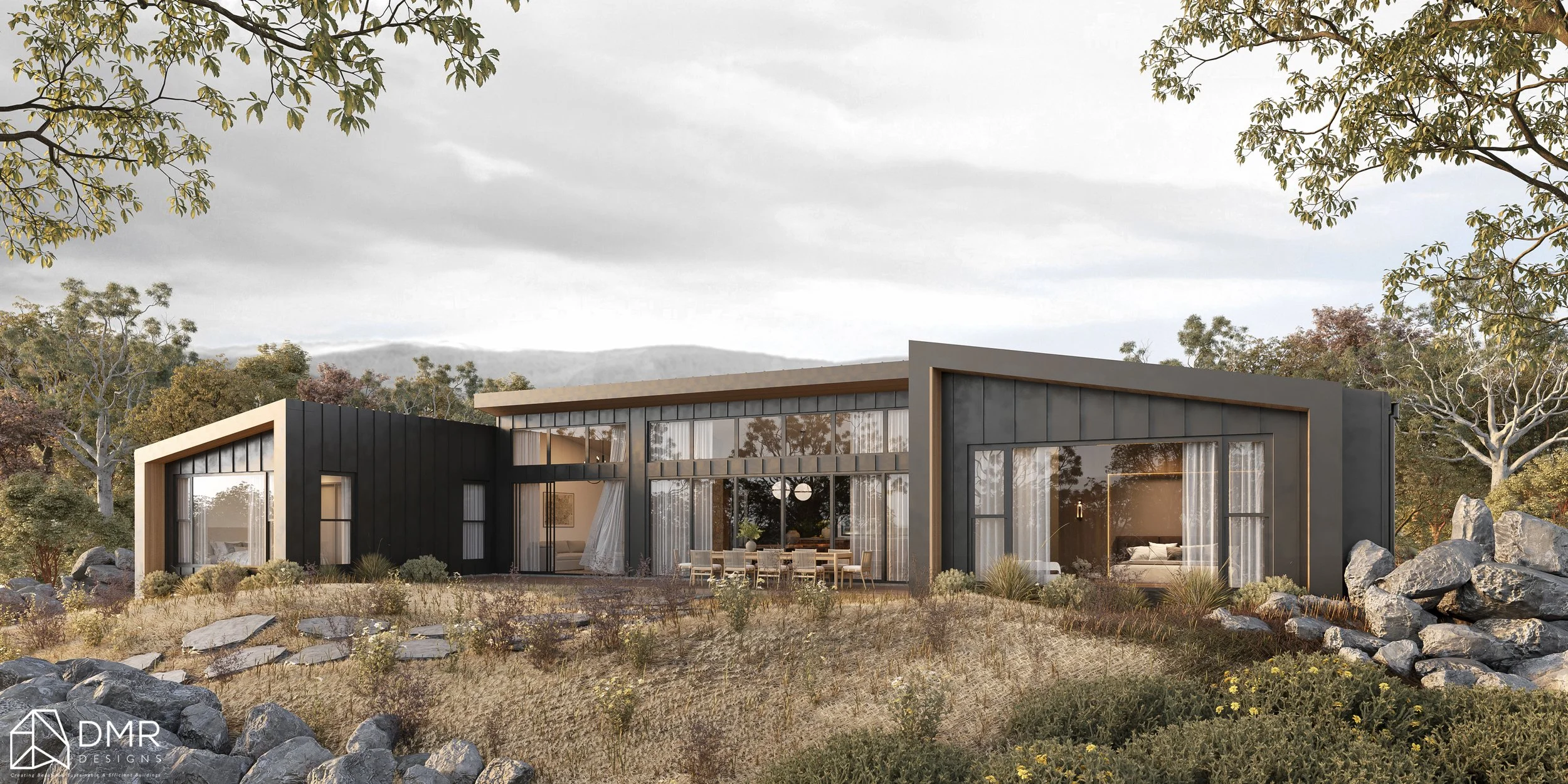
Greater Long-Term Cost Efficiency

While pre-designed plans may appear cheaper upfront, they often come with hidden costs:

  • Design changes and redraws

  • Structural adjustments

  • Poor energy performance

  • Future renovations to fix design limitations

A custom home is designed right from the start, helping you:

  • Avoid costly modifications during construction

  • Reduce long-term energy bills

  • Minimise future renovation expenses

  • Build once — and build properly

Over time, this can result in significant savings.
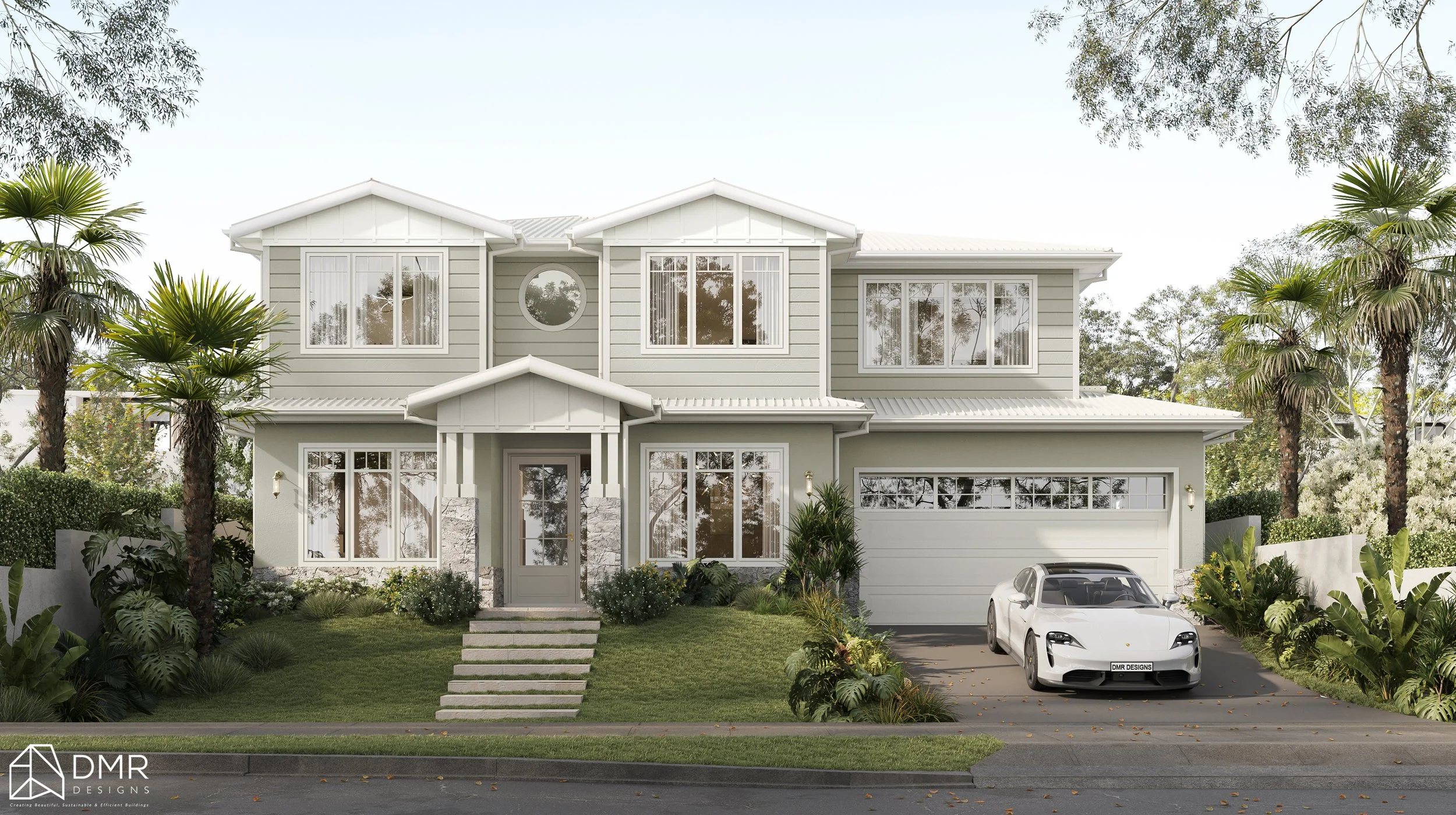
Built to Adapt as Your Life Changes

Your home should grow with you.

Custom homes can be designed with future flexibility in mind, such as:

  • Adaptable layouts for growing families

  • Multi-generational living options

  • Home offices that can evolve over time

  • Provisions for future extensions or upgrades

This foresight helps your home remain functional and relevant for years to come.

Stronger Resale Appeal and Long-Term Value

Well-designed custom homes stand out in the property market. Buyers recognise and value:

  • Thoughtful layouts

  • Quality design detailing

  • Efficient use of space

  • Strong indoor-outdoor connections

A tailored design that complements its site and surroundings often attracts stronger buyer interest and delivers better resale performance than generic builds.


Custom Design Is an Investment — Not an Upgrade

A custom home isn’t about luxury for the sake of it. It’s about smart planning, functionality, and long-term value.

At DMR Designs, we work closely with our clients to create homes that are practical, efficient, and uniquely suited to their lifestyle and site — ensuring every design decision adds value both now and in the future.

If you’re considering building or renovating and want a home designed specifically for you, get in touch with DMR Designs to start the conversation.
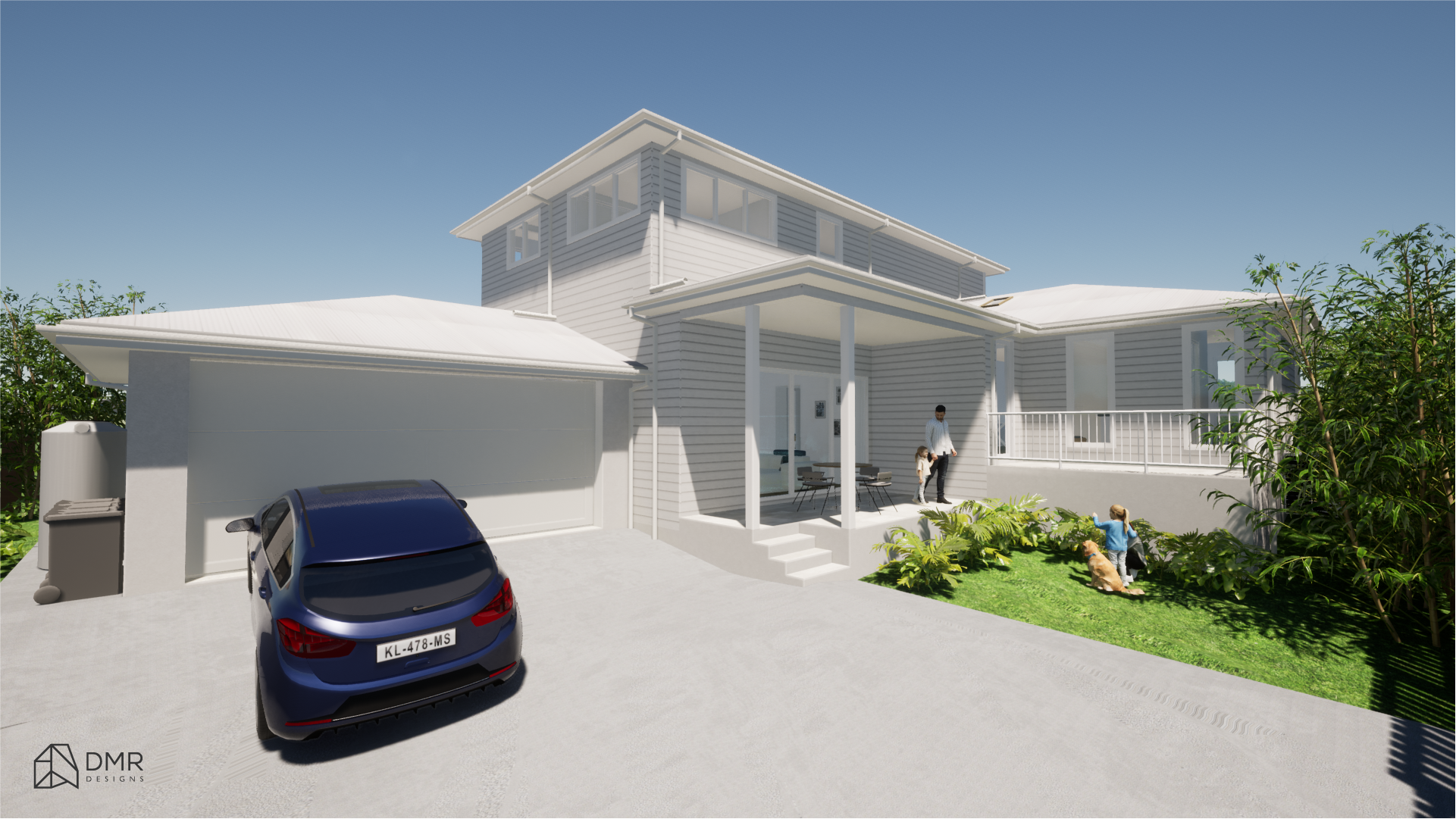
Book discovery call

Designing for Accessibility: Homes That Work for Every Stage of Life

Our homes are more than just places to live—they’re where life happens. From raising kids to looking after ageing loved ones or simply planning ahead for your own comfort, your home should be able to support you at every stage. That’s where accessible design comes in.

Accessible homes aren’t just about ramps or rails—they’re about thoughtful choices that make daily life easier, safer, and more enjoyable for everyone who walks through the door. Whether you’re building new or updating your current space, accessible design is a smart, inclusive approach to modern living.


Why Accessible Design Matters

Accessibility in the home goes far beyond catering to visible disabilities. It’s about creating spaces that remove unnecessary hurdles—whether physical or practical—and support greater independence, comfort, and safety.

Consider a parent pushing a pram through a narrow hallway, or someone recovering from a knee injury struggling with stairs. Even something as simple as good lighting can make a world of difference. These everyday scenarios are exactly why accessible design benefits everyone—not just those with mobility challenges.

Many people today are also choosing to stay in their homes for longer, or share living spaces with ageing parents or extended family. With that in mind, designing a home that can grow and adapt over time is not just practical—it’s forward-thinking.

Key Principles of Accessible Home Design

Universal Design

This means creating spaces that everyone can use comfortably, right from the start. Wider doorways, level entries, and lever-style door handles are just a few examples that improve access without making the space feel clinical or institutional.

Flexible Layouts

A good home adapts to change. A ground-floor study might serve as a guest room today and a main bedroom down the track. Features like open-plan living, wider hallways, and sliding doors allow for more versatility and ease of movement throughout the home.

Ease of Movement

Homes that are easy to navigate offer safety and comfort. This means fewer steps, minimal changes in floor height, generous circulation space, and thoughtful lighting. Whether it's toddlers learning to walk or older adults needing stability, the benefits are shared.

Safety and Smart Technology

Simple details—like non-slip flooring, grab rails in bathrooms, and rocker switches placed at accessible heights—enhance daily safety. More homes are also incorporating smart technology, such as voice-activated lighting, keyless entry, and home monitoring systems, which boost convenience and peace of mind for all residents.

Practical Strategies to Build In

Step-Free Entry

Having at least one entrance at ground level—free of steps—makes access easier for everyone, from delivery drivers to guests and residents.

Future-Proofed Bathrooms

Walk-in showers, wall-mounted vanities, non-slip tiles, and well-placed grab bars are easy to incorporate and can dramatically improve safety and comfort.

User-Friendly Kitchens

Opt for pull-out drawers instead of deep cupboards, lowered benches, and appliances positioned to reduce bending or reaching. These small adjustments make a big impact on usability for all ages.

Smart Lighting and Automation

Motion-sensor lights in corridors, voice-controlled systems, or even automated blinds can enhance both functionality and energy efficiency—while still keeping things stylish.

Thinking Ahead

Homes that are built or renovated with accessibility in mind tend to hold their value better, too. As demand grows for more inclusive, future-ready housing, buyers and renters alike are recognising the appeal of thoughtful, accessible design.

But beyond practicality and resale value, there’s something deeper at play here: accessible design supports dignity, comfort, and inclusion. It’s about creating spaces that don’t exclude anyone—whether they’re young, ageing, injured, or simply navigating life’s changes.

Final Thoughts

Accessible homes aren’t just for ‘later in life’—they’re for right now. They support growing families, make everyday tasks easier, and allow you to stay in your home longer, comfortably and safely.

Whether you’re renovating, building new, or just starting to explore your options, accessible design is an investment in the kind of life you want to live—now and into the future.


Wondering how your home could better support your lifestyle?

Let’s chat—we’re here to help you create a space that works for you today, and tomorrow.

Book discovery call

Building Your Dream Home on a Budget: Smart, Stylish & Cost-Effective Design Tips

Dream homes don’t have to come with dream-sized price tags. With the right planning, thoughtful design choices, and a little creativity, it’s absolutely possible to build a beautiful, functional home without overspending.

Whether you're working with a tight budget or simply want to get the most out of your money, here’s how to bring your vision to life—without the financial stress.


1. Start with a Clear Budget and Game Plan

A well-planned build saves money before construction even begins. Work with your designer or builder to outline your non-negotiables and areas where you're happy to compromise. Being upfront about your budget helps guide smart decisions from day one—and avoids unexpected costs later.

💡 Pro tip: Set aside a little buffer for those “just in case” moments during the build.

2. Design for Function, Not Just Size

You don’t need a massive floor plan to have a home that works beautifully. Instead of focusing on square metres, focus on how each space will be used. Open-plan layouts, multipurpose areas, and built-in storage go a long way in making a compact home feel generous.

💡 Think of flexible spaces: a home office that doubles as a guest room, or a laundry tucked into a butler’s pantry.

3. Opt for Affordable Materials That Still Look the Part

Building on a budget doesn’t mean settling for second-best. There are plenty of durable, stylish materials that give you that high-end look—without the high-end cost:

  • Laminate or engineered stone benchtops

  • Vinyl planks or polished concrete flooring

  • Fiber cement or composite cladding

  • Metal roofing for its durability and clean finish

💡 Mix and match! Splurge on key statement areas (like the kitchen or entry), and save on less visible zones.

4. Explore Modular or Prefab Construction

Prefab and modular homes have come a long way. They offer faster build times, less waste, and more predictable pricing—perfect if you’re keeping an eye on the budget. Many come with customisable layouts and finishes, so you can still make it feel like your own.

💡 Bonus: Off-site construction can help avoid common on-site delays.

5. Keep the Design Simple and Efficient

Simple design is budget-friendly and timeless. Designs with straightforward shapes, minimal roof angles, and standard-sized windows and doors are not only easier to build—they’re often more energy-efficient too.

💡 Tip: A clean, minimalist exterior paired with one standout feature—like timber accents or a striking entryway—can create serious curb appeal without blowing the budget.

6. Source Locally and Consider Recycled Materials

Choosing locally sourced materials means shorter lead times, better availability, and often lower transport costs. Recycled or reclaimed materials—like bricks, timber, or even vintage fixtures—can also add unique charm while keeping costs down.

💡 Check out builder’s yards, auctions, or resale platforms for affordable, quality finds.

7. DIY Where It Makes Sense

If you're confident on the tools, handling parts of the build yourself—like painting, landscaping, or basic assembly—can save you thousands. Just be sure to leave licensed work like plumbing, electrical, and structural elements to qualified professionals.

💡 Even small things like sourcing your own tiles, light fittings, or cabinetry handles can reduce supplier mark-ups.

Wrapping It Up

Your dream home is totally within reach—no six-figure splurges required. With careful planning, practical design, and a few clever choices along the way, you can build a home that feels like “you” and stays within your means.

At the end of the day, building smart is just as important as building beautiful—and with the right approach, you can absolutely have both.


Bring your dream home to life—without breaking the bank. We help you make the most of your site and budget, designing smart, stylish spaces that maximise functionality and long-term value. Every detail is tailored to your goals, so you get the home you’ve always wanted—cost-effectively.

Book discovery call