
Every great home starts long before the first line is drawn.
It starts with a conversation.
At DMR Designs, we’ve found that the quality of the initial design brief often determines the quality of the final outcome. A clear, thoughtful brief doesn’t restrict creativity — it enhances it. It gives direction, clarity, and purpose to the design process.
So what actually makes a good brief?
And how can you create one?

Why the Design Brief Matters
A design brief is more than a checklist of rooms and square metres.
It’s a roadmap that guides the entire project.
When a brief is clear:
Communication is smoother
Decisions are easier
Budgets are better managed
Timelines are more predictable
The final design feels aligned and intentional
When a brief is vague, projects often face revisions, uncertainty, and frustration.
The difference is clarity.

What Makes a Good Design Brief?
Here are the key elements that help create strong design outcomes:
1. Lifestyle First, Layout Second
Instead of starting with “We want 4 bedrooms and 3 bathrooms,” begin with:
How do you live day-to-day?
Do you entertain often?
Do you work from home?
Do you need quiet zones or open communal areas?
How do mornings in your household typically run?
Great design responds to lifestyle — not just room counts.
2. Clear Priorities (Needs vs Wants)
Separate your ideas into:
Non-negotiables (Needs)
Required bedrooms
Accessibility considerations
Budget limits
Site constraints
Nice-to-haves (Wants)
Butler’s pantry
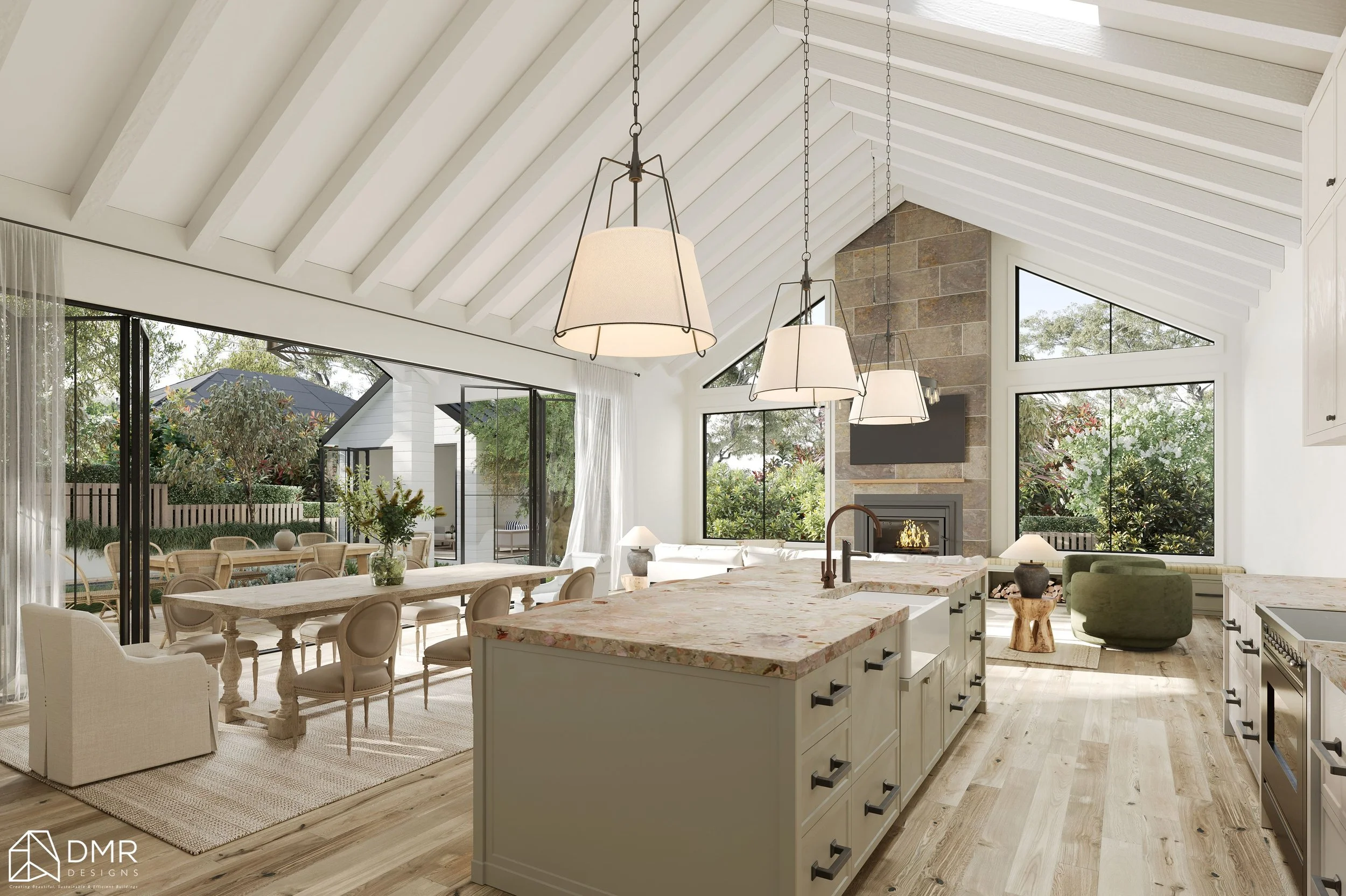
Raked ceilings
Feature staircase
Skylights
This clarity helps guide smart trade-offs without compromising what truly matters.

3. Budget Transparency
Designing without a realistic budget is like navigating without a compass.
Being open about your investment range allows your designer to:
Propose appropriate materials
Suggest realistic construction methods
Avoid costly redesigns later
A well-aligned budget ensures creative ideas stay achievable.

4. Site Awareness
Every site has opportunities and constraints:
Orientation and natural light
Slopes and levels
Neighbouring properties
Local council requirements
Sharing what you already know — including surveys or reports — allows the design to respond intelligently from day one.
5. Design Preferences (Without Over-Controlling)
It’s helpful to share:
Inspiration images
Homes you admire
Materials you’re drawn to
Styles you dislike
But remember: inspiration guides the direction — it shouldn’t dictate every detail.
A strong brief gives clarity without limiting creativity.
Common Mistakes in Design Briefs
Here’s what often causes friction:
Copying Pinterest layouts without considering the site
Focusing purely on resale instead of lifestyle
Avoiding budget discussions
Changing priorities mid-design
Providing too little information upfront
The more open and honest the brief, the stronger the outcome.

How to Prepare Your Brief Before Meeting Your Designer
If you're preparing to start your project, consider writing down:
A short paragraph describing your ideal day at home
Your must-have spaces
Your current frustrations with your existing home
Your realistic budget range
Your timeline expectations
This preparation makes your first consultation far more productive.

Why a Good Brief Leads to Better Design
At DMR Designs, we believe good design isn’t about imposing ideas — it’s about solving problems beautifully.
When the brief is clear:
Design decisions become purposeful
Spaces feel intentional
The home works long-term
The process feels collaborative, not stressful
The result? A home that feels like it was truly designed for you — not adapted later.
In Summary
A good brief isn’t about having all the answers — it’s about providing clarity, honesty, and direction. When you clearly communicate how you live, what matters most, and what constraints exist, you empower your designer to create something intentional and aligned. The stronger the brief, the stronger the outcome. Great homes aren’t accidental — they’re the result of thoughtful collaboration from the very beginning.
Ready to Start Your Project the Right Way?
If you’re planning a new home, renovation, or secondary dwelling, the best place to begin is with a clear and considered brief. At DMR Designs, we guide you through that process — asking the right questions, identifying priorities, and translating your vision into a design that works beautifully for years to come.
Let’s build with clarity and confidence.