
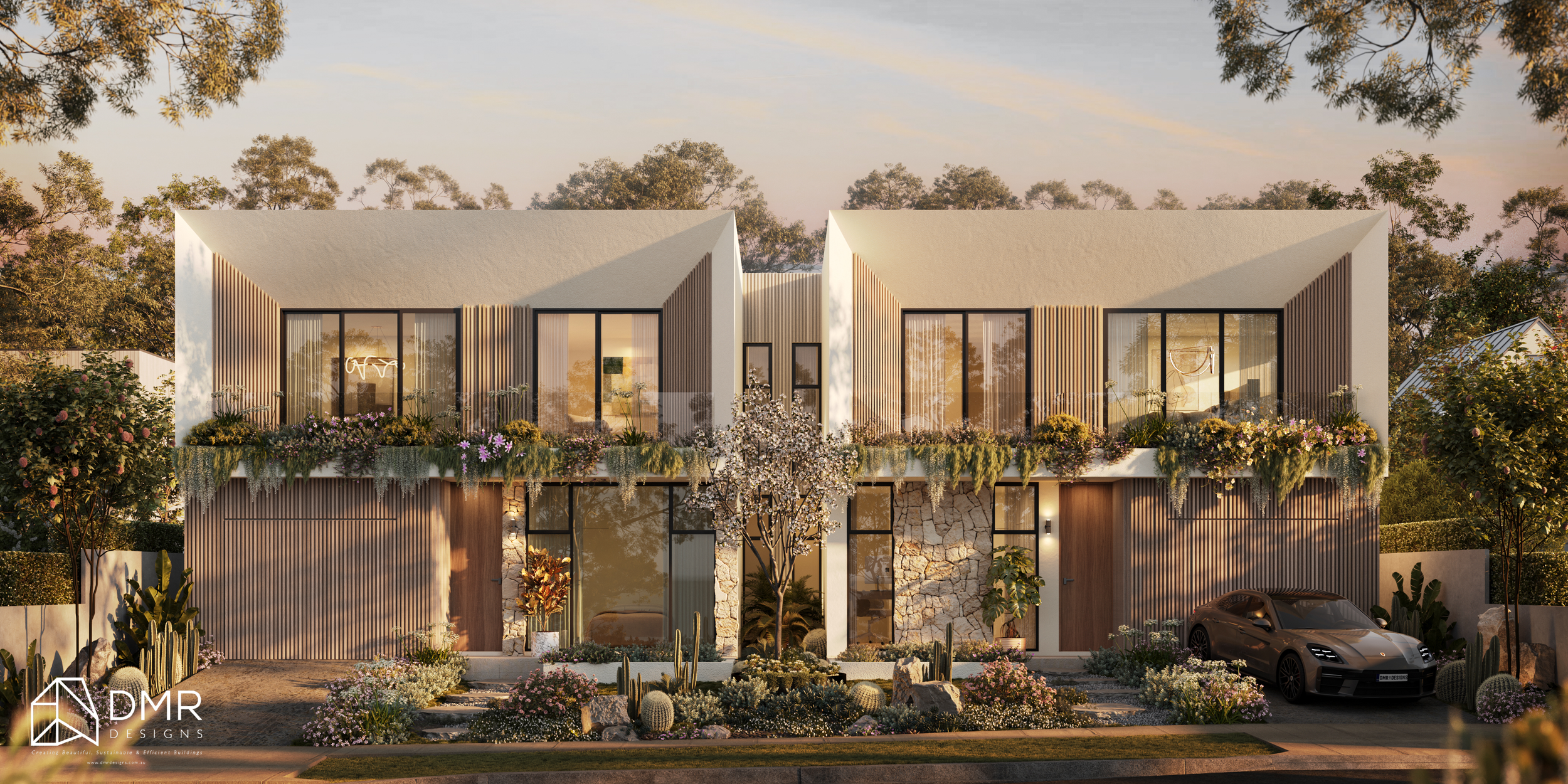
A more comfortable home doesn't always need more technology. Sometimes, it starts with opening a window.
Ever walked into a stuffy room, opened a window and immediately felt the difference?
That simple comfort is something good home design can help create every day.
Cross-ventilation is one of the most overlooked ways to improve how a home feels. It can help move fresh air through living spaces, reduce stuffiness and make the most of natural breezes, all without necessarily adding expensive equipment.
The secret? Planning for airflow before construction begins.
What Is Cross-Ventilation?
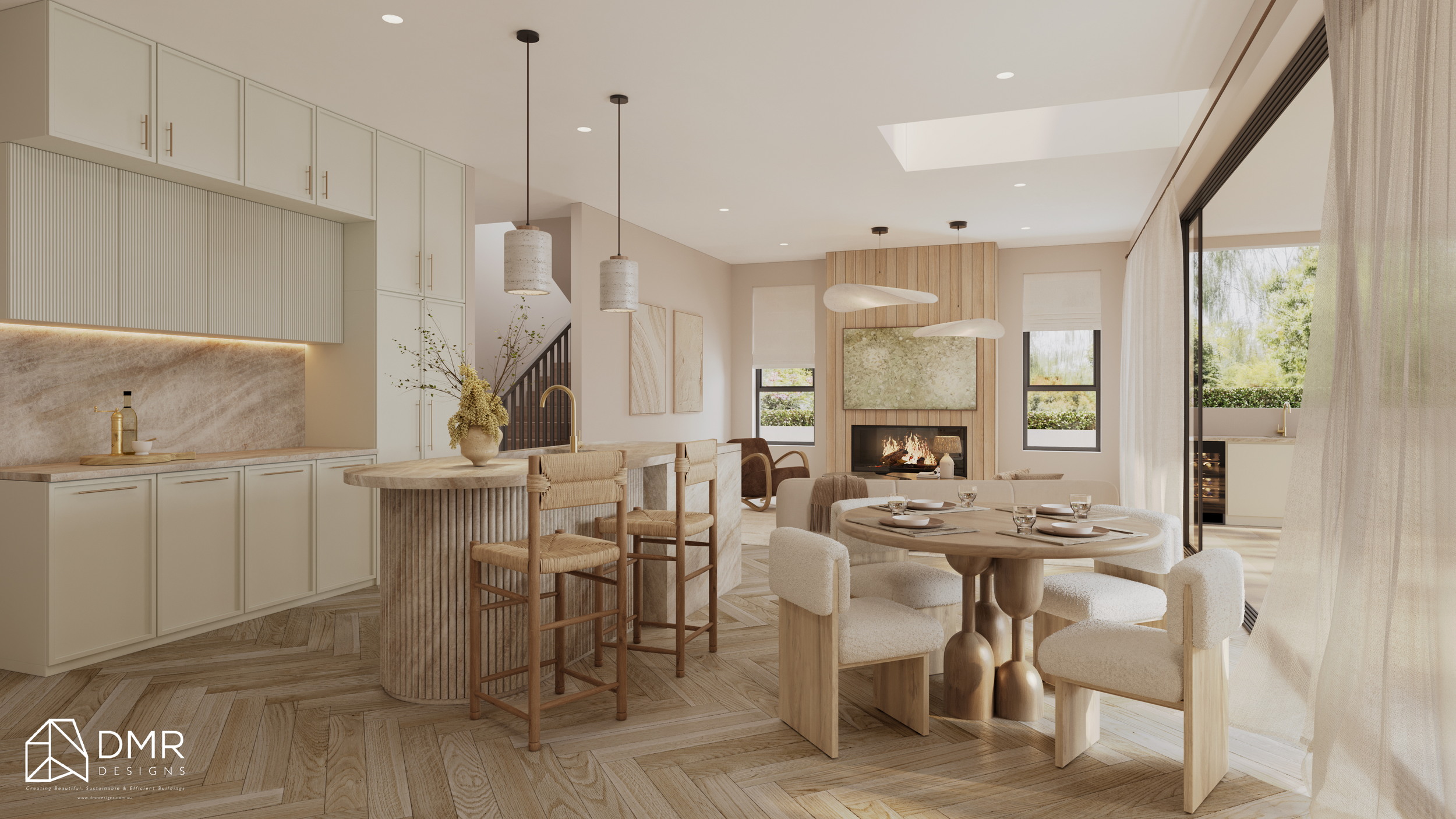
Cross-ventilation is the movement of fresh air through a home, usually entering through an opening on one side and exiting through another.
Think of windows positioned to let a breeze travel through your living space rather than simply bringing air into one room.
It sounds simple, but effective cross-ventilation depends on more than window placement. Your home's orientation, floor plan, surrounding buildings and local breezes all play a role.
It's not just about having windows. It's about giving air somewhere to go.
4 Everyday Benefits of Cross-Ventilation
1. Fresher Indoor Air
Cooking, showering and everyday activities can leave indoor spaces feeling stuffy. When outdoor conditions are suitable, cross-ventilation helps replace stale air with fresh air and clear lingering odours.
2. Less Reliance on Air Conditioning
On mild mornings and cooler evenings, natural airflow may help keep your home comfortable without immediately switching on the air conditioner. That can reduce cooling demand and electricity use when conditions are right.
3. More Comfortable Living Spaces
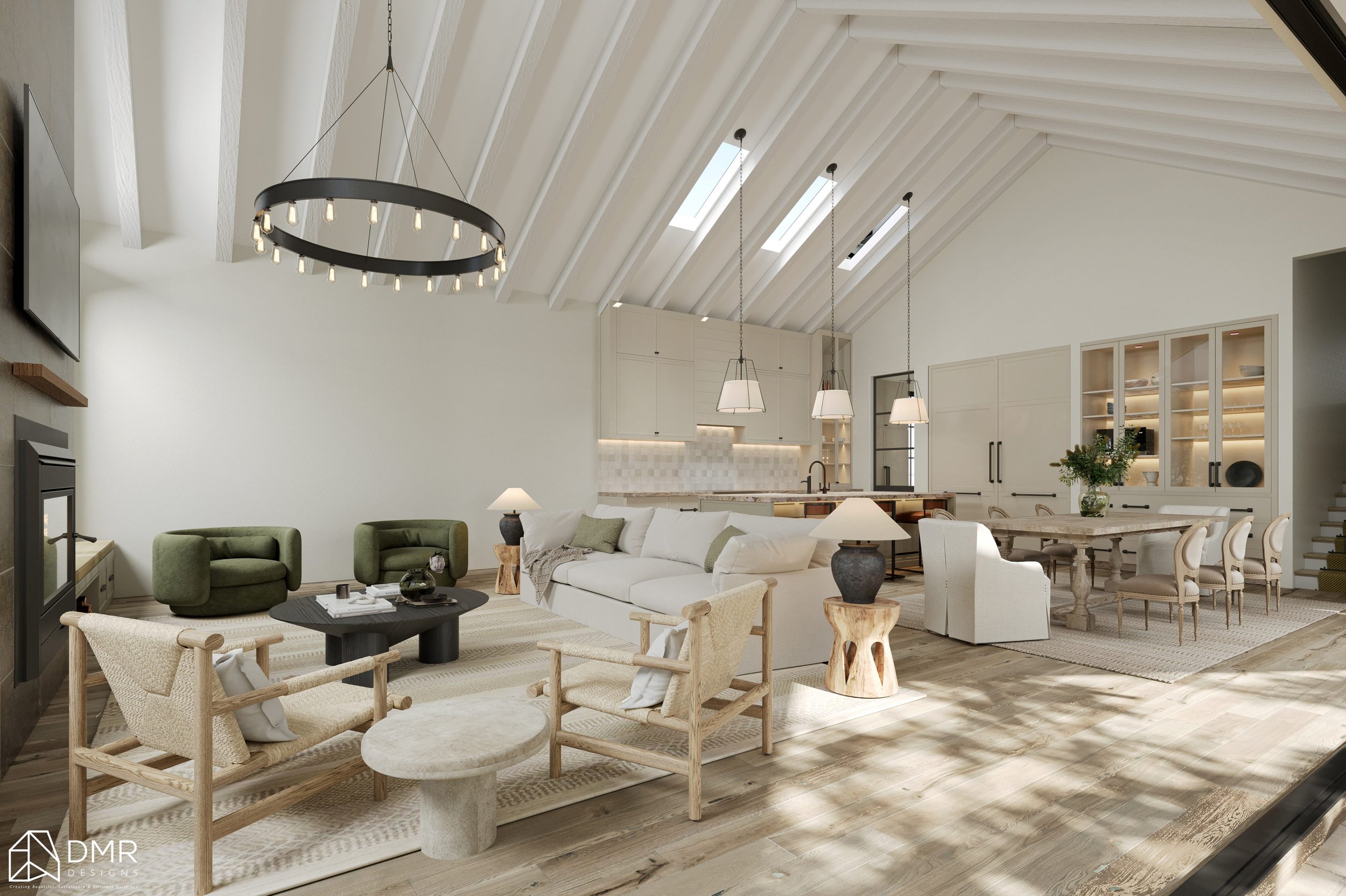
Bedrooms, kitchens and living areas all benefit from thoughtful ventilation. Planning openings around how each room is used can help reduce stuffiness and improve everyday comfort.
4. Comfort Without Unnecessary Complexity
Cross-ventilation can often be incorporated during the initial design stage through smart window placement and a well-planned layout. While additional openings or specialised windows may add costs, considering airflow early can help avoid expensive changes later.
How Can You Design for Better Airflow?
A few key decisions can make a real difference:
Consider your site's orientation. Understand where prevailing breezes come from and how neighbouring buildings may affect airflow.
Create clear airflow paths. Openings on different sides of a space can encourage air to move through the home.
Plan around everyday living. Think about ventilation in bedrooms, kitchens and other frequently used rooms, not just open-plan areas.
Balance comfort and practicality. Privacy, security, rain protection and window placement all matter.
Design for local conditions. Every site is different, and factors such as heat, humidity, bushfire requirements and outdoor air quality can influence the right approach.
The earlier these details are considered, the easier it is to integrate them into a functional design.
Is Natural Ventilation Always Enough?
Not necessarily. Cross-ventilation depends on wind, outdoor temperatures and other environmental conditions. During extreme heat or still weather, opening windows may offer limited relief or bring unwanted heat indoors.
That's why it works best alongside other design features, including insulation, external shading, suitable glazing and ceiling fans.
The goal is to make the most of natural airflow when conditions allow, while keeping the home comfortable throughout the year.
Good Design Is About More Than Looks
It's easy to focus on the kitchen island, feature staircase or alfresco area when planning a new home. But the details you barely notice can have just as much impact on everyday living.
A bedroom that feels fresher. A living room that catches a cool breeze. A home that makes better use of its surroundings.
These aren't necessarily the most glamorous features, but they're the ones you appreciate long after construction is finished.
Great home design doesn't just look good. It makes everyday life feel better.
Planning a New Home or Renovation?
At DMR Designs, we consider how your home will function, feel and respond to its surroundings, not just how it will look.
Whether you're planning a custom home, an extension or an alteration, thoughtful design decisions made early can help create a more comfortable and functional space.
Ready to explore your ideas?
Book a strategy call with Daniel to discuss your project, understand your design options and plan your next steps.