
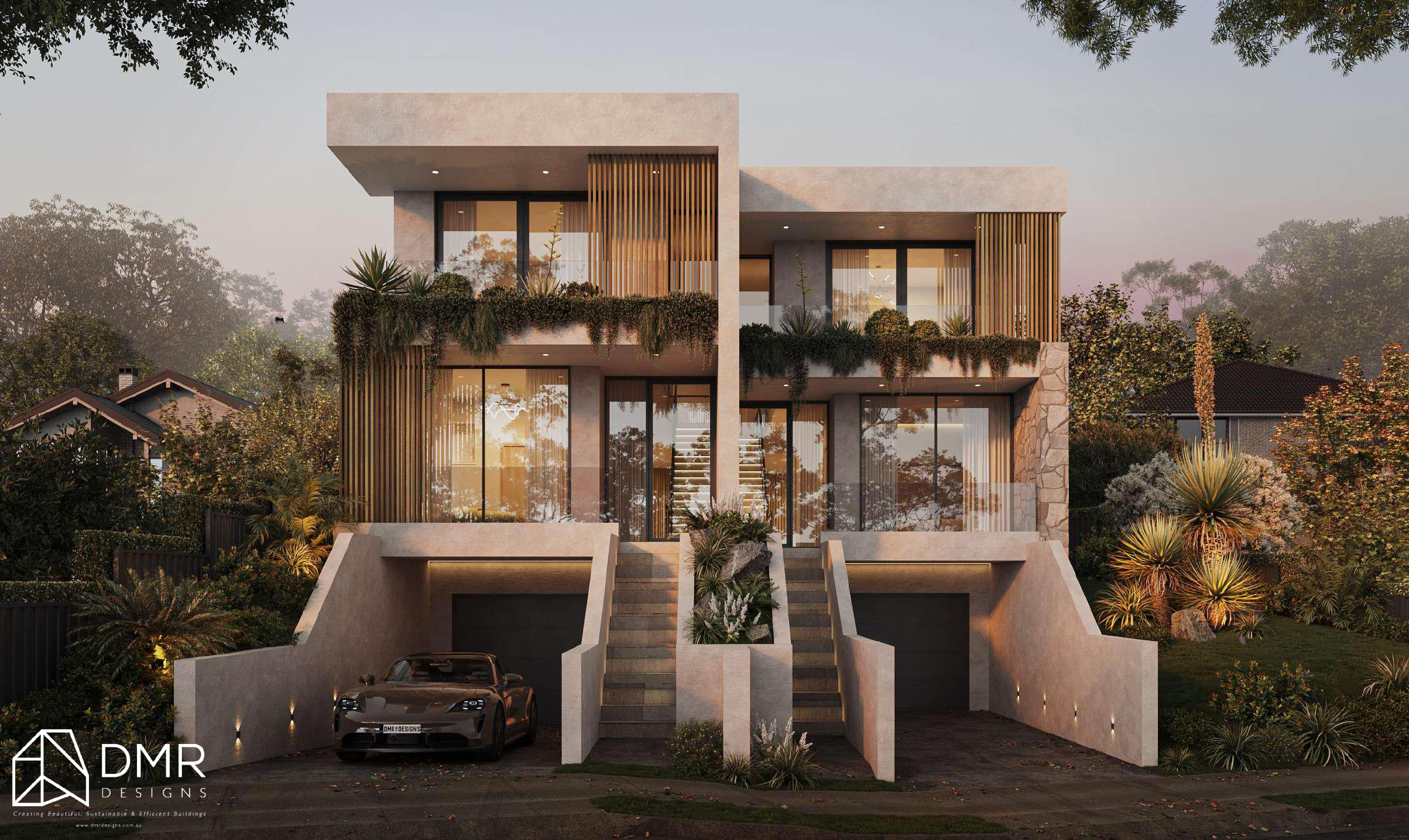
A home is more than four walls, a roof and a collection of rooms.
It’s where your morning starts with a coffee in the kitchen. Where the kids somehow leave their shoes in the exact spot you’ve asked them not to. Where friends gather around the table long after dinner is finished. Where you retreat after a long day, celebrate milestones, create traditions and, eventually, build years of memories.
That’s what makes great residential design so powerful.
The best homes don’t just look good. They make you feel something.
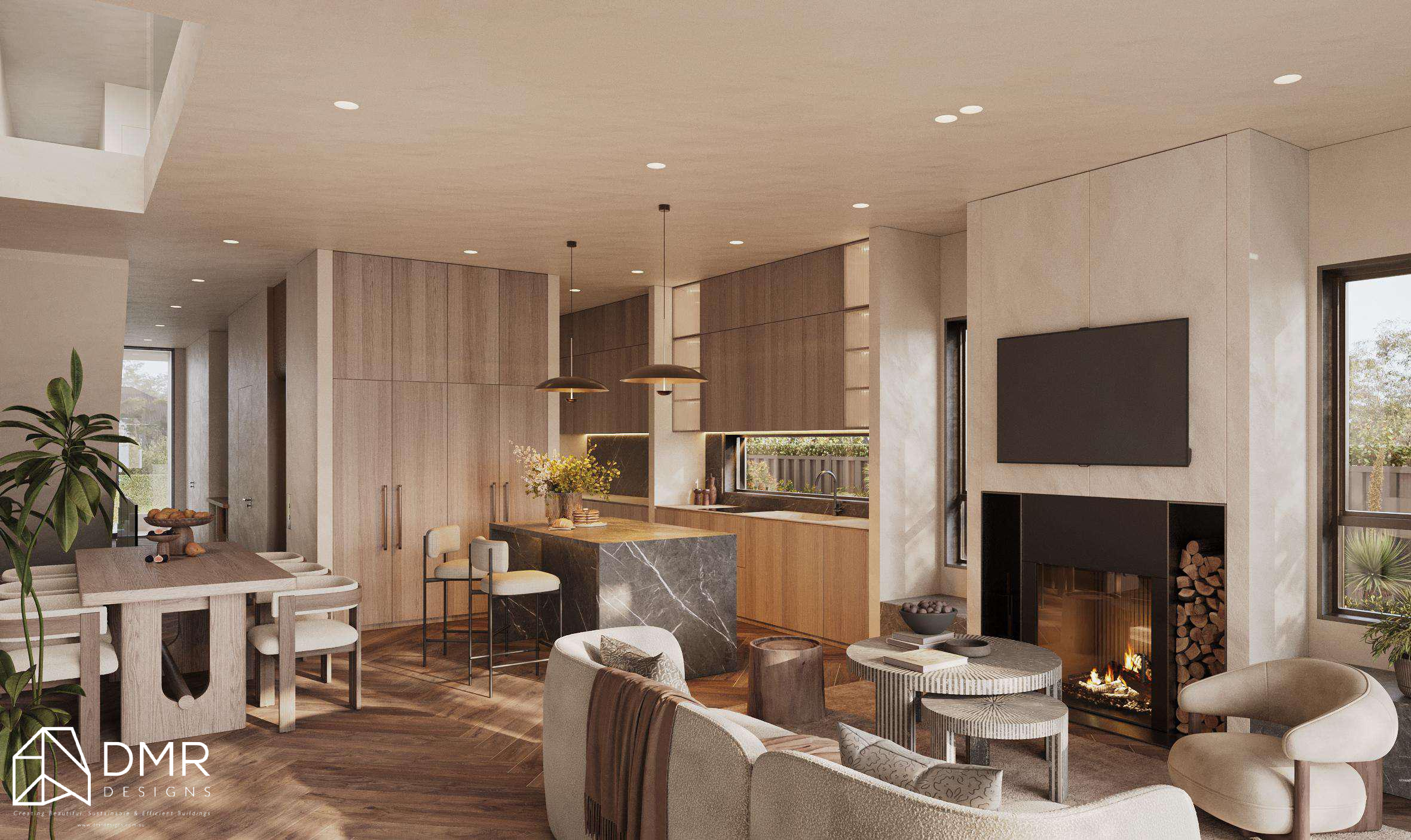
Why Some Homes Just Feel Right
You’ve probably walked into a home before and immediately felt comfortable.
Maybe it was the natural light. Maybe it was the way the spaces flowed into one another. Maybe there was a quiet corner that made you want to sit down with a coffee and stay there for a while.
You might not have been able to explain exactly why you liked it.
That’s the magic of good design.
Architecture can influence how we experience a space without us consciously thinking about it. The way a room opens towards the garden can make you feel connected to nature. A warm, light-filled living area can make a home feel welcoming. A quiet bedroom tucked away from the busiest parts of the house can create a sense of retreat.
These details might seem simple, but together they shape how a home feels.
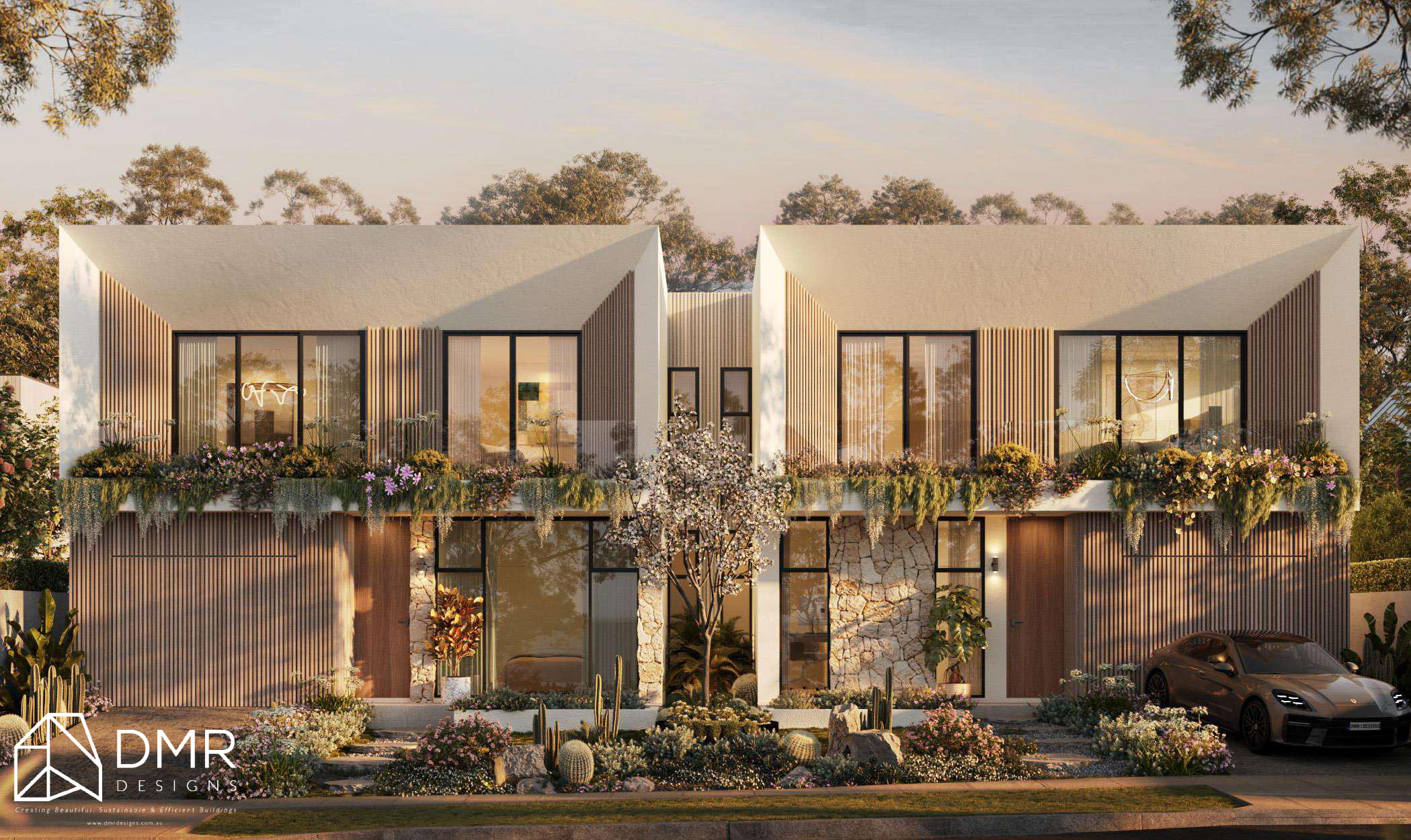
Designing for the Life You Actually Live
One of the biggest mistakes in residential design is thinking about a home purely in terms of rooms.
Four bedrooms. Two bathrooms. A kitchen. A living room. A garage.
Tick the boxes and you’re done, right?
Not quite.
A truly successful home asks a different question:
How do you want to live?
Do you love having everyone together, or do you need places to escape to?
Are weekend dinners with friends a big part of your life?
Do you want the kitchen to be the social heart of the home?
Would you rather wake up to morning sunlight, or have your bedroom feel like a dark, cosy retreat?
Do your kids need somewhere to spread out while you still have a space of your own?
These everyday habits, routines and little preferences are what turn a house into your home.
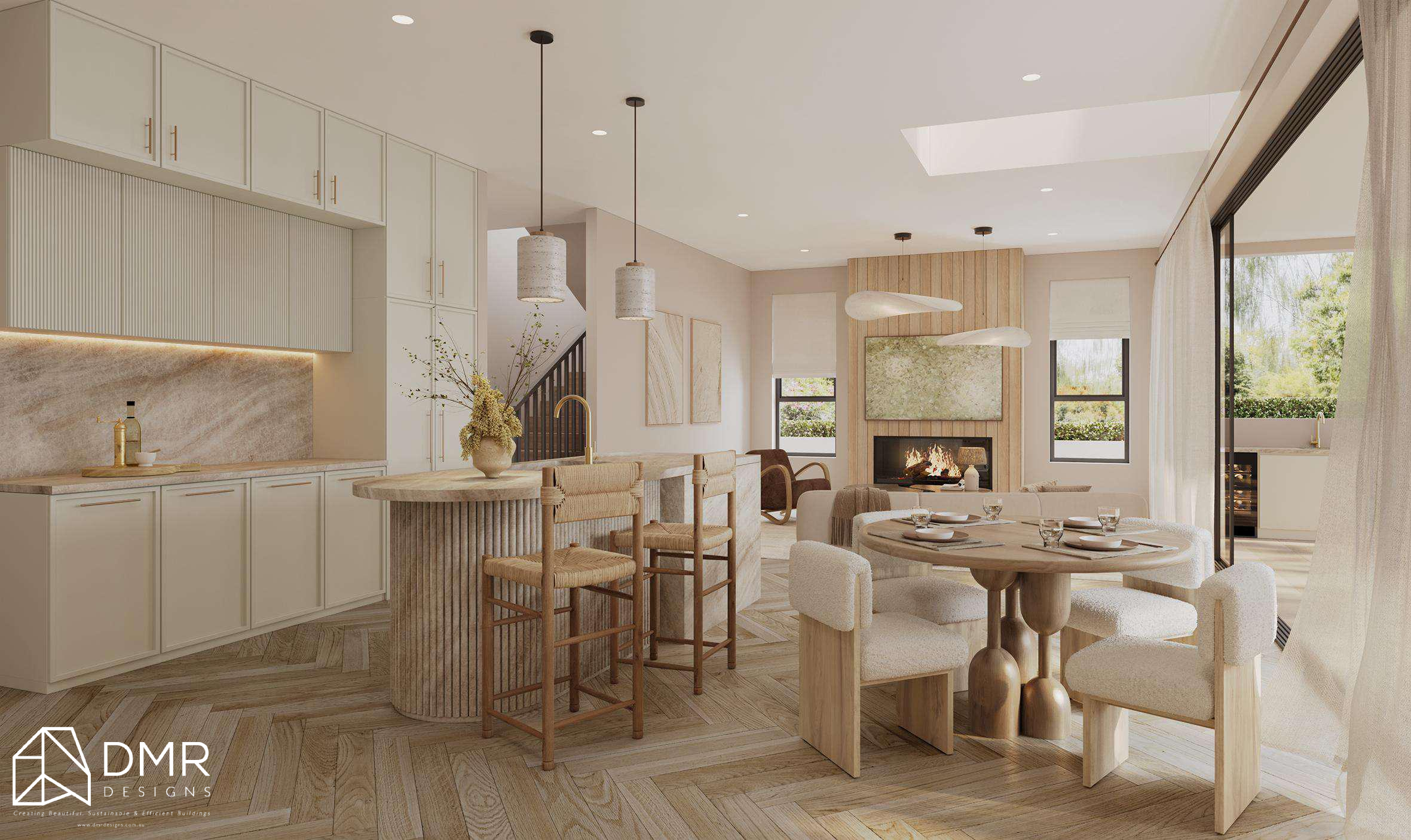
The Spaces Between the Spaces
Sometimes, the most memorable parts of a home aren't the obvious ones.
It might be the window seat where you read on Sunday mornings.
The hallway that catches the afternoon sun.
The covered outdoor area where everyone naturally ends up during summer.
The view you see when you walk through the front door.
The connection between the kitchen and backyard that makes entertaining feel effortless.
These moments often happen in the spaces between the major rooms.
Good architecture creates opportunities for those moments to happen naturally.
Instead of simply asking, “Where does this room go?”, we can ask, “What do we want to happen here?”
That small shift can completely change the way a home is designed.
Light Can Change Everything
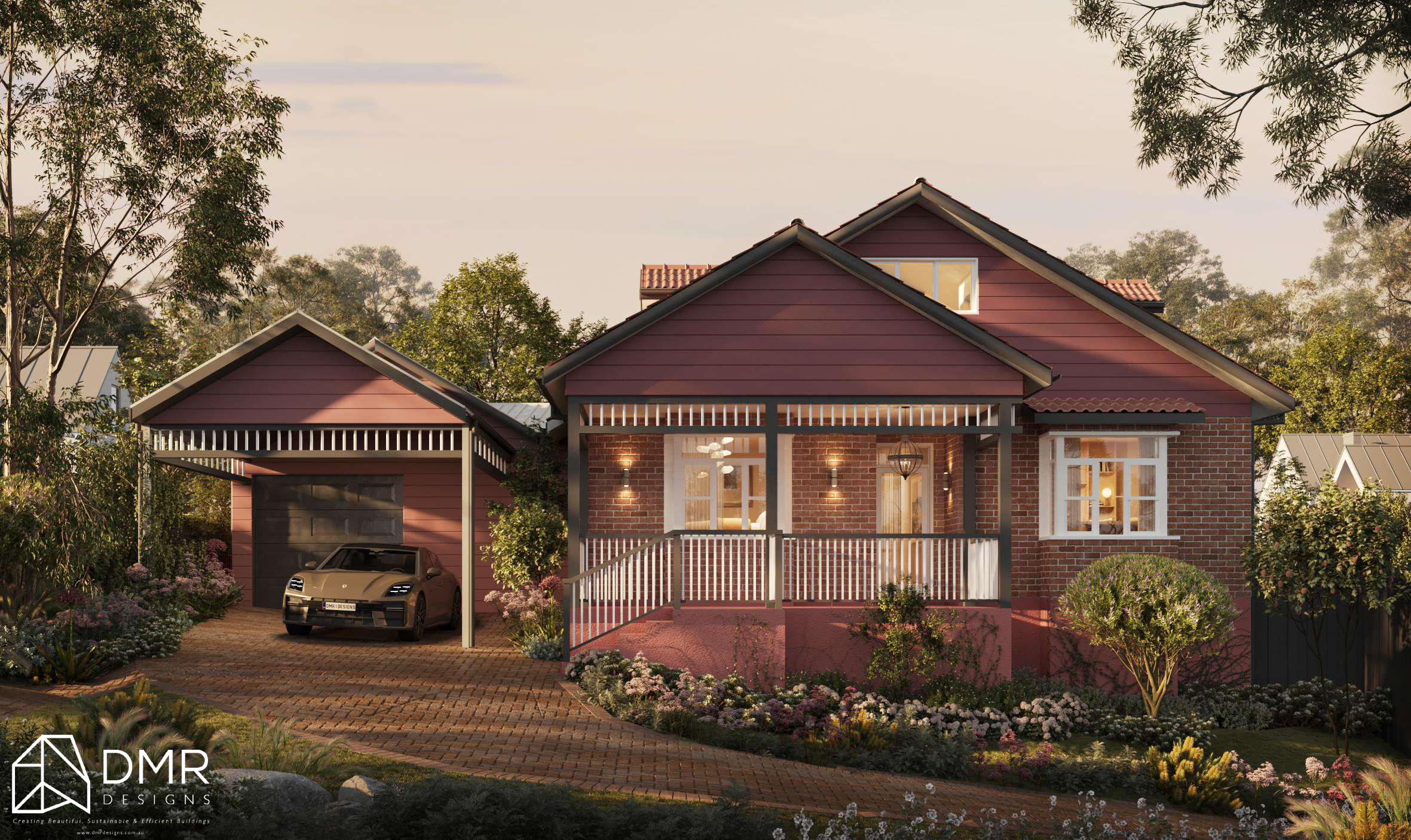
There’s a reason natural light is one of the first things people notice when they walk into a home.
Morning light can make a kitchen feel fresh and energetic. Soft afternoon light can completely change a living space. A carefully positioned window can frame a garden, a tree or a view and turn something outside into part of the experience inside.
Light doesn't just help us see a room.
It helps set the mood.
A well-designed home works with the movement of the sun throughout the day, creating spaces that feel different as the hours pass.
And sometimes, the best design decision is simply knowing where to let the light in.
Creating a Sense of Belonging
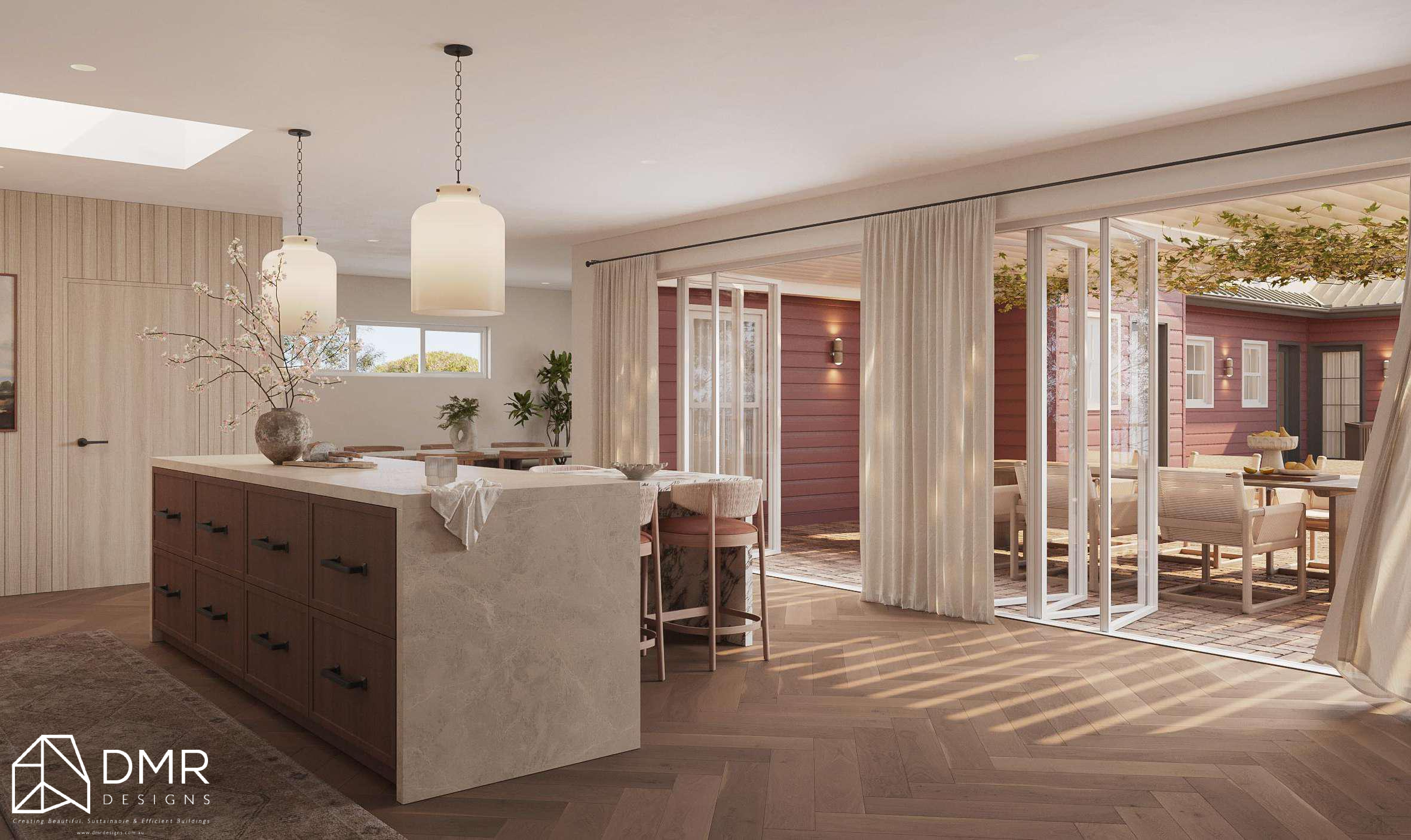
Your home should feel like it belongs to you.
That doesn’t necessarily mean filling it with expensive finishes or following the latest design trend.
It might be the preservation of an original heritage detail. A material that reminds you of somewhere you love. A connection to the backyard where your children play. A kitchen designed around the way your family cooks and gathers.
The most meaningful homes reflect the people who live in them.
They aren't designed for a catalogue.
They're designed for real life.
5. Privacy is becoming more important
Open-plan living is great.
Open-plan living where your neighbours can see directly into your kitchen?
Not so great.
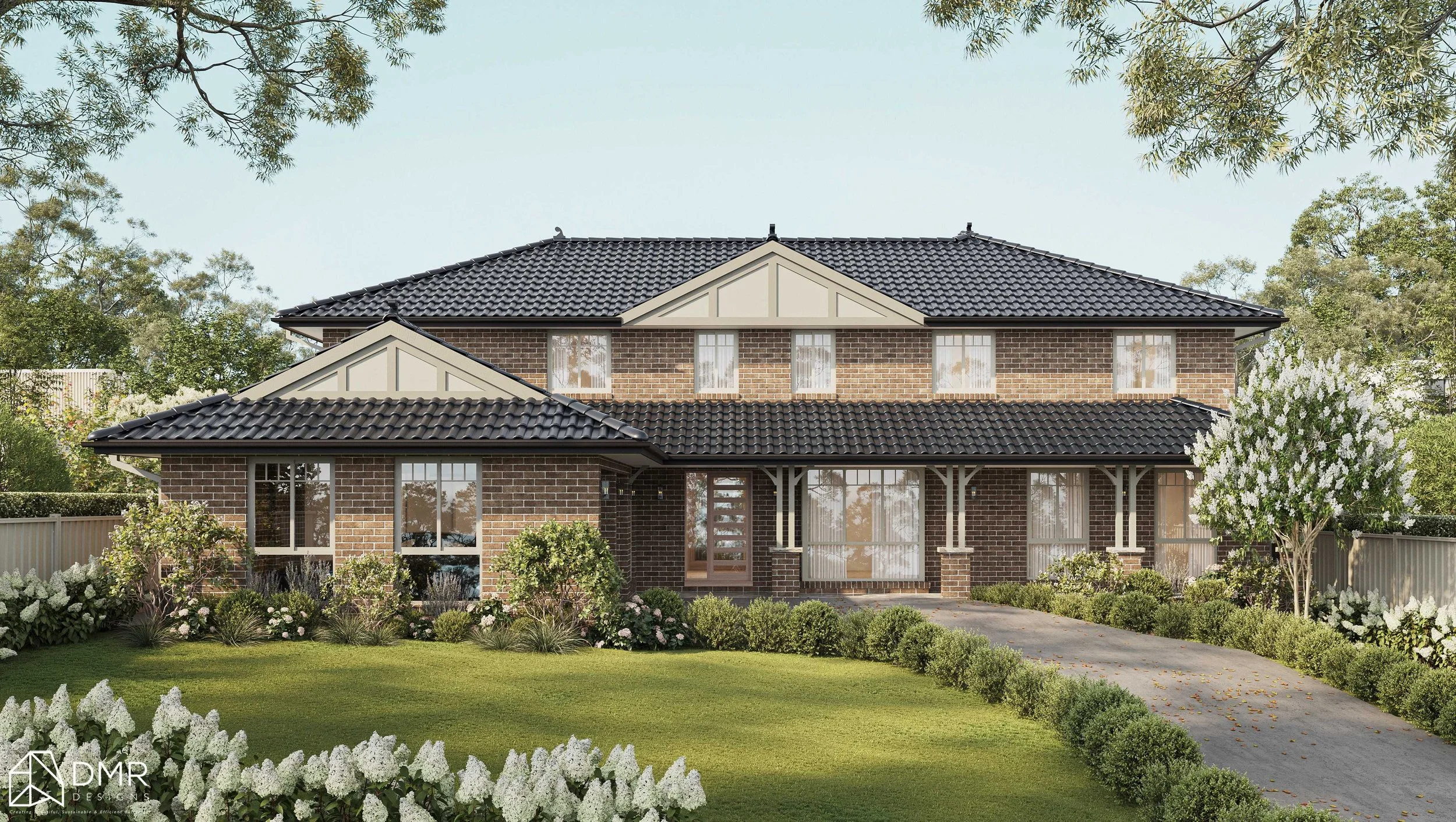
As suburban development becomes denser, privacy needs to be considered much earlier in the design process.
This can influence:
Window placement
Building orientation
Landscaping
Screening
Courtyard design
Balcony locations
Bedroom positioning
Outdoor entertaining areas
Sometimes the best solution isn't a giant fence.
It might simply be positioning a window differently or creating a carefully designed courtyard.
Good design doesn't just frame the views you want.
It also hides the views you don't.
A Home Should Evolve With You
Life doesn't stay the same.
Families grow. Children leave. Parents work from home. Hobbies change. Priorities shift.
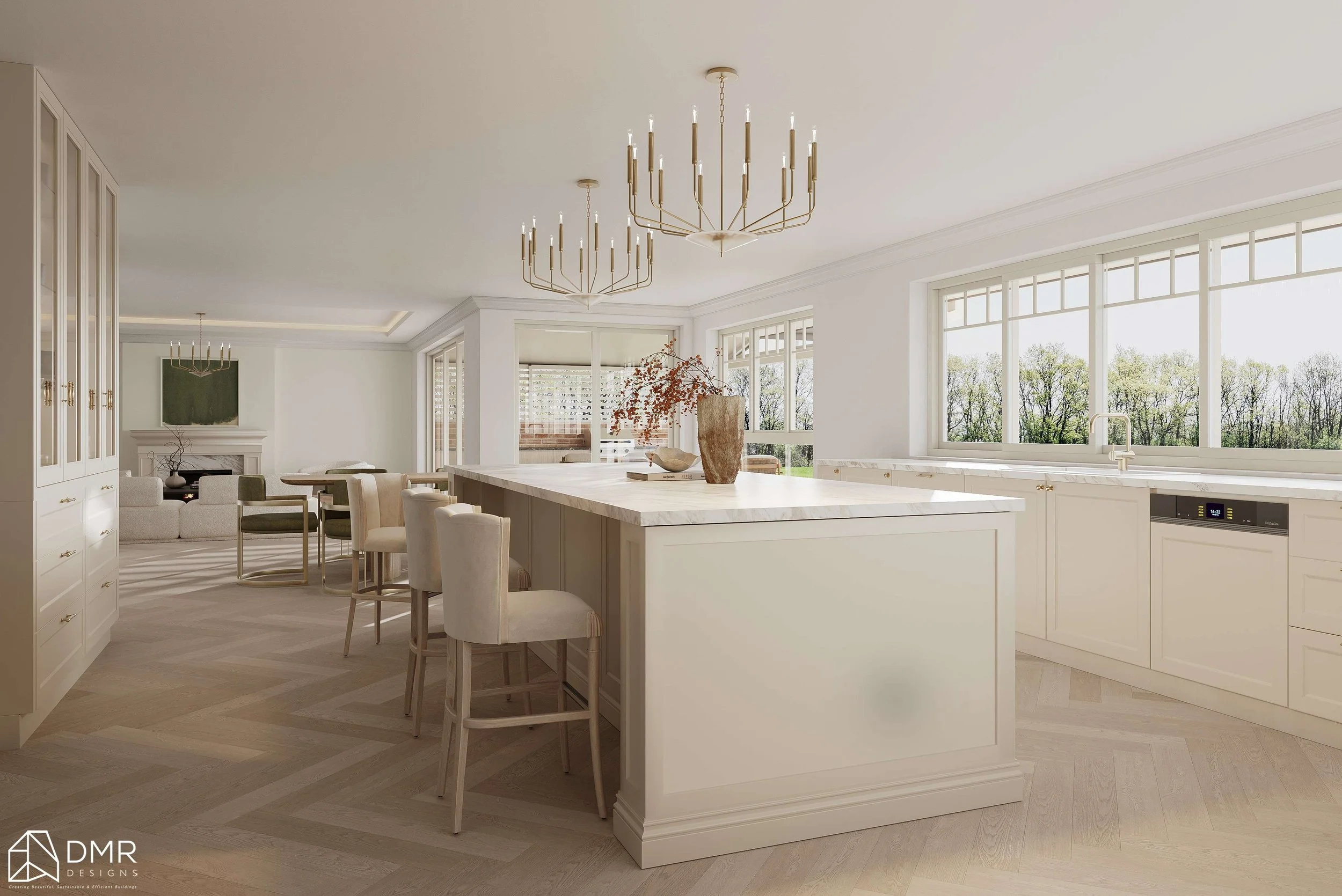
A home that feels emotionally connected to its owners should have the flexibility to evolve with them.
That could mean creating adaptable rooms, designing spaces that can serve multiple purposes, or simply allowing enough breathing room for the home to change over time.
Because your home shouldn't just suit the person you are today.
It should have room for who you're becoming.

The Feeling Is the Point
Architecture is often discussed in terms of plans, materials, dimensions and approvals.
And of course, those things matter.
But underneath all of it is something much more human.
How do you want to feel when you come home?
Relaxed?
Connected?
Inspired?
Comfortable?
Proud?
Maybe it's a little bit of all of them.
That feeling should be part of the conversation from the very beginning.
Because the goal isn't simply to create a house that works.
It's to create a home that feels like you.
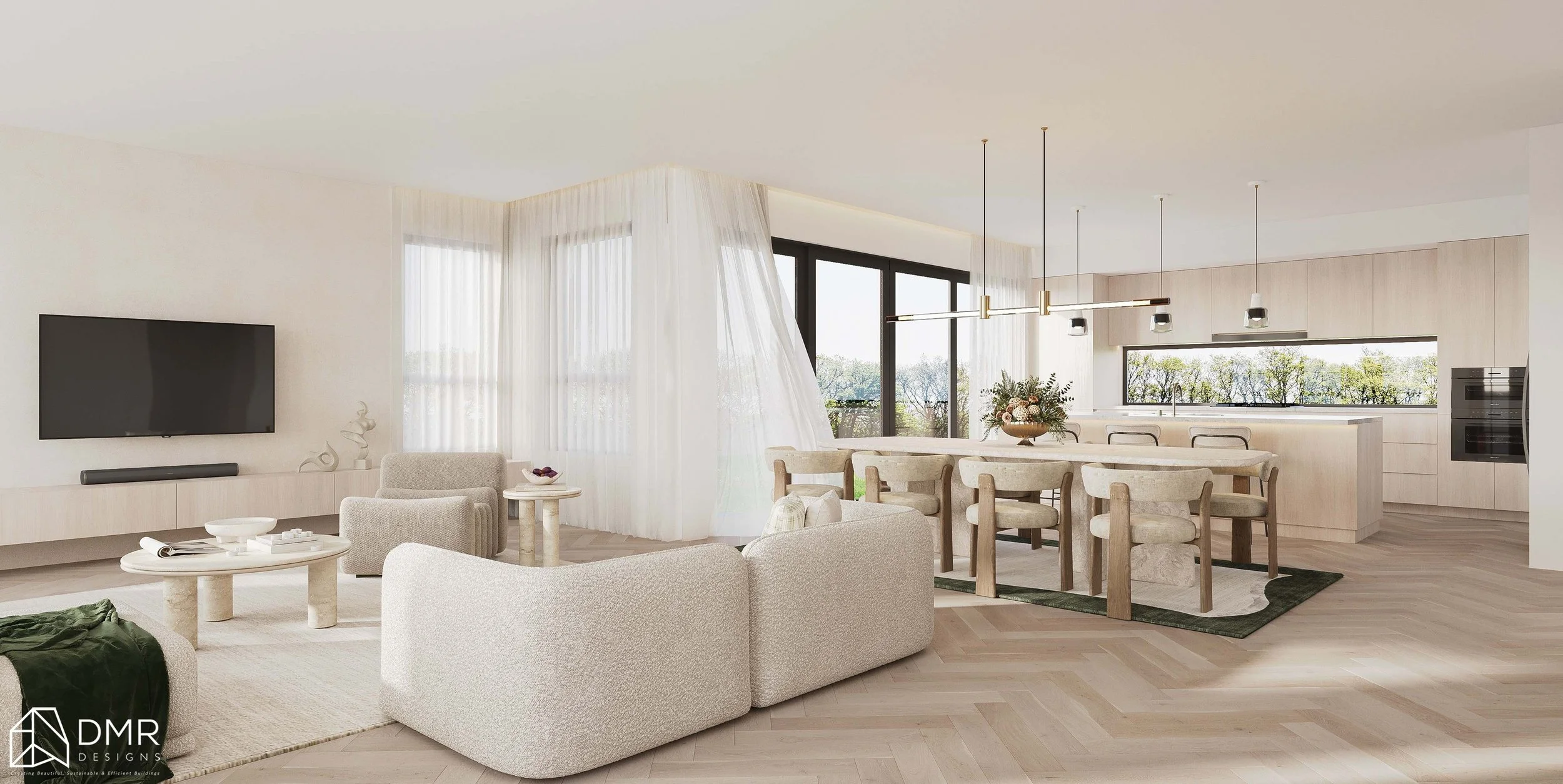
Ready to Create a Home That Feels Like Yours?
At DMR Designs, we believe great residential design starts with understanding the people behind the project.
Whether you're planning a new home, renovation or alteration and addition, the design should reflect the way you live, what matters to you and how you want to experience your home for years to come.
Have a project in mind? Let's talk about it.
Book a strategy call with DMR Designs and start turning your ideas into a home that feels right from the moment you walk through the door.