Modern Home Design

What Actually Happens on a Building Site After Plans Are Approved? A Homeowner-Friendly Guide From Site Prep to Handover.

Getting your plans approved is a huge milestone — but it’s really just the beginning. Once approvals are in place and construction is ready to commence, many homeowners start wondering: What actually happens next?

At DMR Designs, we believe informed clients feel more confident throughout the build. Here’s a clear, step-by-step breakdown of what typically happens on a building site — from preparation through to handover.


Pre-Construction & Site Preparation

Before any major work begins, there’s groundwork happening behind the scenes.

What this includes:

  • Finalising construction documentation

  • Engineering confirmations

  • Site survey and set-out

  • Erosion and sediment control installation

  • Temporary fencing and site access setup

If required, demolition of existing structures happens at this stage. The site is cleared and prepared for excavation.

This stage ensures everything is aligned before physical construction begins — minimising delays later.

Excavation & Foundations

Now the visible transformation begins.

This stage includes:

  • Excavation for footings

  • Piering (if required)

  • Installation of reinforcement

  • Concrete pour for footings and slab

Before concrete is poured, inspections are carried out to ensure compliance with structural and building standards. Once approved, the slab is poured and cured.

This forms the structural base of your home.

Framing Stage

Once the slab has cured, the skeleton of the home goes up.

You’ll see:

  • Timber or steel wall frames installed

  • Roof trusses placed

  • Structural beams secured

  • Windows and external doors positioned (depending on build sequence)

At this stage, your home’s layout becomes physically visible. Rooms, ceiling heights, and overall proportions take shape.

A frame inspection is conducted before the build progresses.

Lock-Up Stage

The home becomes secure and weather-resistant.

This typically involves:

  • External cladding or brickwork

  • Roofing installed

  • Windows and external doors fully fitted

  • External walls wrapped and sealed

“Lock-up” means the structure can now be locked and protected from the elements.

Rough-Ins (Services Installation)

With the structure secured, internal services are installed.

Trades on site may include:

  • Electricians (wiring and switch locations)

  • Plumbers (water, sewer, stormwater)

  • HVAC installers

  • Data and communications

Everything is placed within walls and ceilings before plasterboard is installed.

Inspections are carried out to ensure compliance before walls are closed up.

Internal Linings & Fit-Out

Now the home starts looking like a home.

This stage includes:

  • Insulation installation

  • Plasterboard and internal linings

  • Waterproofing to wet areas

  • Cabinetry installation

  • Tiling and flooring

  • Internal doors and trims

  • Painting

Detail and craftsmanship matter most here. This is where the design vision truly comes to life.

Practical Completion & Handover

The final stage involves:

  • Fixtures and fittings installation

  • Final electrical and plumbing connections

  • Cleaning

  • Quality checks and defect inspections

  • Occupation Certificate (if required)

A final walkthrough is conducted before handover. Any minor touch-ups are addressed, and you receive keys to your new home.

What Homeowners Should Expect During Construction

Construction sites are dynamic environments. There will be:

  • Noise and heavy machinery

  • Regular inspections

  • Scheduled trade visits

  • Weather-related adjustments

  • Ongoing communication between builder and designer

At DMR Designs, our detailed documentation and coordinated drawings help ensure a smoother construction process — reducing ambiguity and costly variations.

Final Thoughts

Once plans are approved, your project moves through a structured sequence — from site preparation and foundations through framing, lock-up, services, fit-out, and finally handover. Each stage builds upon the last, with inspections and quality controls along the way to ensure safety, compliance, and long-term durability.

Understanding this process helps remove uncertainty and gives homeowners clarity during what can otherwise feel overwhelming. When design documentation is thorough and considered from the beginning, the construction journey becomes far more predictable and efficient.

If you're preparing for a build or planning your next project, having the right team behind your plans makes all the difference.


Ready to Take the Next Step?

If you're planning to build, renovate, or extend, the clarity of your documentation will directly impact how smoothly your project runs on site.

At DMR Designs, we create detailed, construction-ready plans that help reduce delays, minimise variations, and give you confidence from approval through to handover.

Let’s turn your vision into a well-documented, build-ready reality.

Renovating vs Rebuilding: How to Decide What’s Right for Your Property

When your current home no longer fits your lifestyle, one big question usually comes next: should you renovate or rebuild?

Both options can deliver incredible results, but the right choice depends on more than just budget. Cost, emotional attachment, planning constraints, and long-term value all play a major role in deciding which path makes the most sense for your property.

Let’s break it down.


Cost: Upfront Budget vs Hidden Surprises

At first glance, renovating often appears to be the more affordable option. Retaining the existing structure can reduce demolition costs and may allow you to stage the work over time. However, renovations—especially to older homes—can come with unexpected surprises such as structural issues, outdated services, or compliance upgrades that quickly inflate costs.

Rebuilding, while typically more expensive upfront, offers greater cost certainty. You’re starting fresh, with a clearly defined scope and fewer unknowns. Modern construction methods, materials, and energy-efficient systems can also reduce long-term running and maintenance costs.

Tip: A detailed feasibility study early on can reveal whether a “cheaper” renovation might actually cost more than rebuilding in the long run.

Emotional Factors: Attachment vs A Fresh Start

For many homeowners, emotions weigh heavily in this decision. Renovating allows you to preserve sentimental elements—whether it’s the original façade, a family layout, or memories tied to the space. This can be especially important for heritage or character homes.

On the other hand, rebuilding offers a clean slate. It’s an opportunity to design a home that truly reflects your current lifestyle, future needs, and personal style—without compromise. For some, the emotional relief of starting new outweighs the attachment to the old.

Ask yourself: Are you trying to adapt your life to the house, or design a house that adapts to your life?

Planning Constraints: What’s Actually Allowed?

Council controls, zoning regulations, heritage overlays, bushfire or flood constraints can significantly influence your options. In some cases, planning controls may limit demolition or require you to retain certain elements of the existing home—making renovation the more practical path.

Conversely, if your block allows for a new build, rebuilding may unlock better site utilisation, improved setbacks, increased floor space, or even dual-occupancy opportunities.

Pro tip: Early planning advice can save months of redesign and prevent costly approvals issues later.

Long-Term Value: Lifestyle and Resale

Renovations can add substantial value when done well, particularly if they improve layout, natural light, and functionality. However, they’re still constrained by the bones of the original structure.

A rebuild allows you to design for longevity—future-proofing layouts, improving energy efficiency, and meeting modern building standards. This often translates to stronger resale value and better long-term performance.

If you’re thinking beyond the next few years, rebuilding can be a strategic investment rather than just a design upgrade.

Final Thoughts

There’s no one-size-fits-all answer when it comes to renovating versus rebuilding. The right decision balances budget, emotional connection, planning feasibility, and long-term goals. What matters most is understanding the true potential of your site and aligning it with how you want to live—now and into the future.


Ready to Take the Next Step?

At DMR Designs, we help homeowners navigate this decision with clarity and confidence. From feasibility studies to tailored design solutions, we’ll guide you through every step—whether you choose to renovate, rebuild, or explore new possibilities for your property.

👉 Get in touch with us today to start your design journey.

Room Orientation 101: Where Each Space Should Face (and Why It Matters)

When designing a home, room orientation is one of those behind-the-scenes decisions that can make a huge difference to how a space feels day to day. Beyond aesthetics, the way each room is positioned affects natural light, thermal comfort, privacy, noise levels, and even long-term energy efficiency.

At DMR Designs, we consider room orientation early in the design process to ensure homes are not only beautiful, but practical and comfortable to live in. Here’s a simple guide to where each space should ideally face — and why it matters.


Understanding Sun Paths (The Big Picture)

In Australia, the sun rises in the east, tracks across the northern sky, and sets in the west. Northern-facing rooms receive the most consistent natural light throughout the year, while western sun can be harsh in the afternoon, especially in summer.

Good orientation uses this to your advantage — capturing warmth and light when you want it, and minimising heat and glare when you don’t.

Living Areas: North is Best

Ideal orientation: North or North-East

Living rooms, family areas, and open-plan spaces benefit the most from northern light. This provides:

  • Consistent daylight throughout the day

  • Natural warmth in winter

  • Reduced reliance on artificial lighting

A north-east orientation is especially great for morning sun without overheating in the afternoon. With the right eaves or shading, these spaces stay bright and comfortable year-round.

Kitchens & Dining: Bright but Balanced

Ideal orientation: North-East or East

Morning light works beautifully in kitchens and dining areas — making them feel fresh, welcoming, and functional during peak use times.

East-facing kitchens avoid harsh afternoon sun, while still providing good natural light for cooking and dining. If a kitchen must face west, smart shading and ventilation become essential to manage heat.

Bedrooms: Comfort, Privacy & Quiet

Ideal orientation: East or South-East

East-facing bedrooms enjoy gentle morning sun, helping you wake naturally without overheating later in the day. This orientation also supports better sleep, as rooms cool down faster in the evening.

South-facing bedrooms can work well too, particularly for:

  • Teen bedrooms

  • Guest rooms

  • Shift workers who sleep during the day

These rooms stay cooler and darker, improving comfort and privacy.

Bathrooms & Laundries: Flexible but Functional

Ideal orientation: South, East, or Internal

Bathrooms and laundries don’t require prime orientation, making them ideal buffers against heat or noise. South-facing bathrooms receive soft, even light without glare, while east-facing ones benefit from morning sun.

Good ventilation is key here — especially for internal bathrooms — to control moisture and improve comfort.

Home Offices & Study Spaces: Light Without Glare

Ideal orientation: East or South

For work-from-home spaces, balanced lighting is crucial. East-facing offices provide morning light without harsh afternoon glare, while south-facing rooms offer consistent, low-glare conditions — ideal for screen-based work.

This improves focus, reduces eye strain, and keeps temperatures stable throughout the day.

Garages & Utility Areas: Use Them as Buffers

Ideal orientation: West or Street-Facing

Garages, storage rooms, and utility areas are perfect for western or street-facing positions. They help:

  • Shield living spaces from afternoon heat

  • Act as noise buffers from roads or neighbours

  • Improve overall privacy for main living zones

Privacy & Noise: Orientation Beyond the Sun

Orientation isn’t just about sunlight. We also consider:

  • Positioning bedrooms away from busy roads

  • Locating living areas toward private outdoor spaces

  • Using service rooms as acoustic buffers

Smart planning ensures quieter interiors and better separation between public and private zones of the home.

Why Room Orientation Matters

Thoughtful room orientation improves natural light, thermal comfort, privacy, and everyday livability — all while reducing energy costs. By understanding sun paths and site conditions, each room can be positioned to work with the environment, not against it.

At DMR Designs, we tailor every layout to the site, lifestyle, and long-term comfort of our clients — because good design starts with smart planning.


Ready to Design Smarter?

Whether you’re planning a new home, renovation, or secondary dwelling, our team at DMR Designs can help you create a layout that maximises comfort, efficiency, and lifestyle.

Get in touch with DMR Designs today to start designing a home that truly works for you.

Smart Home Design: Integrating Technology into Everyday Living

Smart home technology is no longer just about voice-activated lights or app-controlled blinds. When thoughtfully integrated during the design stage, technology can enhance comfort, efficiency, security, and long-term value — without compromising on aesthetics.

At DMR Designs, we believe the smartest homes are those where technology works quietly in the background, supporting everyday living while allowing flexibility for future upgrades. Here’s how to plan a smart home the right way, from day one.


Start With Lifestyle, Not Gadgets

The key to successful smart home design isn’t choosing the latest devices — it’s understanding how you live.

Consider questions such as:

  • Do you work from home and need strong connectivity throughout the house?

  • Is energy efficiency a priority?

  • Do you want enhanced security while travelling?

  • Are you planning to age in place and need systems that simplify daily tasks?

By identifying these needs early, technology can be seamlessly integrated into the layout, electrical planning, and spatial design — rather than added as an afterthought.

Plan Electrical & Data Infrastructure Early

One of the biggest mistakes in smart home projects is under-planning infrastructure. Even if you’re not installing every smart feature now, the groundwork should be done during design.

Key considerations include:

  • Additional power points and USB outlets

  • Structured data cabling for reliable connections

  • Dedicated spaces for hubs, routers, and control panels

  • Ceiling and wall allowances for future sensors, cameras, or speakers

Proper planning ensures clean finishes, avoids visible cables, and saves costly retrofits later.

Design for Automation That Feels Natural

Automation should make life easier — not more complicated.

Popular automation features include:

  • Lighting scenes for different times of day

  • Climate control zoning for comfort and energy savings

  • Automated blinds and shading to manage heat and glare

  • Smart irrigation linked to weather conditions

When these systems are integrated during the design phase, controls can be discreetly positioned and systems can work together intuitively.

Integrate Energy Monitoring & Sustainability

Smart homes and sustainable design go hand in hand. Technology allows homeowners to better understand and manage energy use in real time.

During the design process, consider:

  • Smart meters and energy monitoring systems

  • Solar readiness and battery storage provisions

  • EV charger infrastructure

  • Appliances and lighting designed for efficiency and automation

These features not only reduce running costs but also support long-term environmental goals.

Keep Technology Invisible in the Design

Great design doesn’t look “tech-heavy.” At DMR Designs, we prioritise clean lines and uncluttered spaces by integrating technology discreetly.

This includes:

  • Concealed wiring and equipment

  • Built-in joinery to house devices

  • Minimal and consistent switch placement

  • Thoughtful integration with interior finishes

The result is a home that feels calm, modern, and timeless — not dominated by gadgets.

Design for Future Upgrades

Technology evolves quickly, but good design lasts. A future-ready home allows systems to be upgraded without major renovations.

Future-proofing strategies include:

  • Extra conduits in walls and ceilings

  • Flexible control systems that support multiple platforms

  • Space allowances for future equipment

  • Scalable electrical and data capacity

This approach ensures your home can adapt to new technology as it becomes available.

Bringing It All Together

Smart home design is about more than technology — it’s about creating spaces that respond to how you live, improve comfort, reduce energy use, and adapt over time. By planning automation, energy monitoring, and future upgrades early in the design process, your home can remain efficient, intuitive, and beautifully designed for years to come. With the right approach, smart technology becomes an effortless part of everyday living, not an add-on — delivering a home that works smarter, feels better, and is truly built for the future.


Smart Living Starts With Smart Design

A truly smart home isn’t about adding technology — it’s about designing a home that supports modern living today and evolves with you tomorrow.

At DMR Designs, we integrate smart home planning into the architectural design process, ensuring technology enhances your lifestyle while maintaining beautiful, functional spaces.

If you’re planning a new home, renovation, or addition, now is the perfect time to design smarter.

Let’s create a home that’s intelligent, efficient, and built for the future.

Why Custom Homes Offer More Value Than Pre-Designed Plans

When planning a new home or major renovation, many homeowners face an important decision: choose a pre-designed plan or invest in a custom design. While off-the-shelf plans may seem convenient at first, a custom home often delivers far greater value in the long run.

At DMR Designs, we believe your home should be designed around you — not the other way around. Here’s why a tailored design approach consistently proves to be the smarter investment.


Designed for Your Lifestyle — Not a Generic One

Pre-designed plans are created to suit the “average” homeowner. But no two families live the same way.

A custom home is designed around your:

  • Daily routines and lifestyle

  • Family size and future needs

  • Entertaining habits

  • Work-from-home requirements

  • Storage and functional priorities

The result is a home that works seamlessly for how you actually live — reducing wasted space and improving everyday comfort.

Better Use of Your Land and Orientation

Every block of land is unique. A pre-designed plan often requires compromises to fit the site, leading to:

  • Poor natural light

  • Inefficient layouts

  • Overlooking or privacy issues

  • Increased construction costs due to modifications

A custom design responds directly to your site’s:

  • Orientation and solar access

  • Slope and setbacks

  • Views and privacy constraints

  • Council and planning requirements

This site-specific approach leads to better energy efficiency, comfort, and long-term performance.

Greater Long-Term Cost Efficiency

While pre-designed plans may appear cheaper upfront, they often come with hidden costs:

  • Design changes and redraws

  • Structural adjustments

  • Poor energy performance

  • Future renovations to fix design limitations

A custom home is designed right from the start, helping you:

  • Avoid costly modifications during construction

  • Reduce long-term energy bills

  • Minimise future renovation expenses

  • Build once — and build properly

Over time, this can result in significant savings.

Built to Adapt as Your Life Changes

Your home should grow with you.

Custom homes can be designed with future flexibility in mind, such as:

  • Adaptable layouts for growing families

  • Multi-generational living options

  • Home offices that can evolve over time

  • Provisions for future extensions or upgrades

This foresight helps your home remain functional and relevant for years to come.

Stronger Resale Appeal and Long-Term Value

Well-designed custom homes stand out in the property market. Buyers recognise and value:

  • Thoughtful layouts

  • Quality design detailing

  • Efficient use of space

  • Strong indoor-outdoor connections

A tailored design that complements its site and surroundings often attracts stronger buyer interest and delivers better resale performance than generic builds.


Custom Design Is an Investment — Not an Upgrade

A custom home isn’t about luxury for the sake of it. It’s about smart planning, functionality, and long-term value.

At DMR Designs, we work closely with our clients to create homes that are practical, efficient, and uniquely suited to their lifestyle and site — ensuring every design decision adds value both now and in the future.

If you’re considering building or renovating and want a home designed specifically for you, get in touch with DMR Designs to start the conversation.

The Return of Natural Materials: Why Timber, Stone, and Brick Are Making a Comeback

In a world of fast trends and high-tech finishes, homeowners are increasingly drawn back to something timeless — natural materials. Timber, stone, and brick are making a strong comeback in contemporary residential design, offering warmth, authenticity, and longevity that synthetic materials often can’t replicate.

At DMR Designs, we’re seeing a growing demand for homes that feel grounded, tactile, and connected to nature — without compromising on modern aesthetics. Here’s why natural materials are back, and how to integrate them seamlessly into a modern home.


Why Natural Materials Are Back in Demand

1. Authenticity & Character

Natural materials bring a sense of honesty and individuality to a home. No two timber grains, stone slabs, or bricks are exactly alike, which adds character and depth that manufactured finishes often lack.

These textures age gracefully over time, developing patina rather than wear — a key reason they’re favoured in long-term, high-quality homes.

2. Warmth in Modern Design

Modern architecture is often defined by clean lines, open spaces, and minimalist forms. While visually striking, these designs can sometimes feel cold or sterile.

Timber ceilings, stone feature walls, or exposed brickwork introduce warmth and balance, softening contemporary spaces without cluttering the design.

3. Sustainability & Longevity

Homeowners are becoming more conscious of sustainability. Natural materials, when responsibly sourced, are durable, recyclable, and often have a lower environmental impact over their lifespan.

Their durability also means fewer replacements over time — a smart investment for both the environment and your budget.

How to Integrate Natural Materials in Modern Homes

Use Timber Strategically

Timber doesn’t need to dominate a space to make an impact. Consider:

  • Timber battens for feature walls or screens

  • Timber ceilings in living or alfresco areas

  • Warm timber flooring paired with neutral walls

The key is contrast — pairing timber with sleek finishes like concrete, steel, or glass.

Highlight Stone as a Feature

Stone works beautifully as a focal point rather than a background element. Popular applications include:

  • Stone-clad fireplaces

  • Kitchen islands with stone detailing

  • External façades or entry features

Using stone selectively enhances its visual impact while keeping the design clean and contemporary.

Reimagine Brickwork

Brick is no longer just structural — it’s decorative. Modern homes are embracing:

  • Exposed brick feature walls

  • Painted or lime-washed brick for softer textures

  • Brickwork with refined mortar detailing

Brick adds texture and a sense of permanence, especially when paired with modern joinery and lighting.

Blending Natural Materials with Modern Architecture

The key to a successful modern-natural design is balance. Clean forms, open layouts, and minimalist detailing allow natural materials to shine without overwhelming the space.

At DMR Designs, we carefully consider:

  • Site orientation and natural light

  • Material transitions between indoor and outdoor spaces

  • Council and approval requirements alongside design intent

This ensures natural materials are not only beautiful but practical, compliant, and cohesive with the overall architectural vision.


Designing Timeless Homes with DMR Designs

Natural materials aren’t a passing trend — they’re a return to timeless design principles that prioritise comfort, authenticity, and longevity.

Whether you’re planning a new home, renovation, or extension, DMR Designs can help you integrate timber, stone, and brick in a way that feels modern, refined, and uniquely yours.

Get in touch with DMR Designs to start designing a home that stands the test of time.

How to Choose the Right Architectural Style for Your Home

Choosing an architectural style is one of the most exciting — and important — decisions you’ll make when designing or renovating your home. Beyond aesthetics, the right style should reflect how you live, respond to your site, and feel authentically you.

At DMR Designs, we believe great architecture is where lifestyle, location, and personal taste come together seamlessly. This guide will help you navigate the process with clarity and confidence.


1. Start With Your Lifestyle

Your home should support the way you live today — and how you plan to live in the future.

Ask yourself:

  • Do you love entertaining, or prefer quiet, private spaces?

  • Is your household growing, downsizing, or staying the same?

  • Do you work from home or need flexible multi-use rooms?

  • How important is indoor–outdoor living to you?

Lifestyle-driven design examples:

  • Open-plan layouts and seamless alfresco connections suit social, family-oriented living.

  • Zoned layouts with defined spaces work well for privacy and multi-generational households.

  • Minimalist or contemporary styles often appeal to homeowners seeking low-maintenance living.

Your architectural style should enhance your daily routines — not work against them.

2. Understand Your Site and Surroundings

No two sites are the same. A well-designed home responds intelligently to its environment.

Key site factors to consider:

  • Block size and shape – narrow, wide, sloping, or irregular lots influence form and layout.

  • Orientation – natural light, ventilation, and solar access can shape the overall design.

  • Local context – neighbouring homes, streetscape character, and council controls.

  • Climate – materials and layouts should suit local weather conditions.

For example, a modern coastal style may feel out of place on a heritage streetscape, while a well-considered contemporary design can still respect its surroundings through scale, material choice, and proportion.

At DMR Designs, we ensure architectural style is not just visually appealing, but also site-responsive and council-aware.

3. Define Your Personal Taste (Beyond Trends)

It’s easy to be influenced by Pinterest boards and Instagram trends — but timeless design starts with understanding what you genuinely love.

To clarify your taste:

  • Collect images that consistently appeal to you (not just what’s popular right now).

  • Look for patterns in materials, colours, roof forms, and details.

  • Decide whether you’re drawn to clean lines, texture and warmth, or classic detailing.

Popular architectural styles include:

  • Contemporary / Modern – clean lines, open spaces, large glazing, minimal ornamentation.

  • Modern Australian – practical layouts, natural materials, strong indoor–outdoor flow.

  • Coastal – light-filled interiors, soft palettes, relaxed forms.

  • Industrial – raw materials, bold structure, urban edge.

  • Traditional / Transitional – classic proportions blended with modern functionality.

Remember:  the best homes don’t follow trends blindly — they reinterpret style in a way  that feels personal and enduring.

4. Balance Aesthetics With Practicality

A beautiful home still needs to function effortlessly.

When selecting a style, consider:

  • Maintenance requirements of materials

  • Budget implications of complex forms or finishes

  • Long-term adaptability as your needs change

  • Energy efficiency and sustainability

For instance, a highly detailed façade may look striking but could require more upkeep, while simpler architectural forms often offer cost efficiency and longevity.

Good design is about balance — where form and function work together.

5. Think Long-Term Value

Architectural style isn’t just about personal enjoyment; it can also impact resale value and future flexibility.

Timeless design principles — strong proportions, natural light, logical layouts, and quality materials — tend to age far better than trend-driven features.

Choosing a style that complements its location and is thoughtfully executed will always hold stronger long-term appeal.

6. Work With an Architect Who Understands You

Perhaps the most important step is working with a design team that listens.

At DMR Designs, we don’t push a signature style. Instead, we:

  • Take time to understand your lifestyle and vision

  • Analyse your site and planning constraints

  • Translate your ideas into a cohesive architectural language

  • Ensure the final design is functional, compliant, and uniquely yours

The result? Homes that feel considered, personal, and built to last.

Final Thoughts

Choosing the right architectural style isn’t about picking a label — it’s about creating a home that feels right every day you live in it.

By aligning lifestyle, site conditions, and personal taste, you set the foundation for a home that’s both beautiful and deeply functional.

If you’re planning a new home or renovation and want guidance tailored to your vision, DMR Designs is here to help bring it to life.

Let’s design a home that truly reflects you.


Ready to Get Started?

If you’re planning a new home, renovation, or alteration and want a design that responds to your lifestyle, site, and vision, DMR Designs is here to guide you every step of the way.

📐 From concept design to DA approvals, we create considered architectural solutions tailored to the way you live.

👉 Get in touch with DMR Designs today to book a consultation and start shaping a home that’s uniquely yours.

Design Trends to Watch in 2026: What’s Next for Australian Homes

As we move toward 2026, Australian residential design continues to evolve — shaped by lifestyle changes, climate responsiveness, sustainability, and a growing desire for homes that feel personal, calm, and connected to nature. At DMR Designs, we see these shifts firsthand as we work closely with homeowners to create considered, site-responsive homes across Australia. From material choices to spatial planning, the next wave of design trends balances innovation with timeless appeal.

If you’re planning a new build, renovation, or extension, here are the key design trends to watch in 2026 that are set to define Australian homes — and how DMR Designs approaches them through thoughtful, timeless architecture.


1. Warm, Nature-Inspired Colour Palettes

At DMR Designs, material and colour selection is always guided by context — the landscape, orientation, and how a home is experienced throughout the day.
Cool greys are making way for warmer, grounded tones that reflect Australia’s natural landscape. Expect to see:

  • Soft clays, sand, and limestone hues

  • Olive, eucalyptus green, and muted sage

  • Deep terracotta and sun-baked earth tones

These palettes create calmer interiors, enhance natural light, and pair seamlessly with timber and stone finishes.

2. Curved Forms & Soft Geometry

Sharp lines are being softened across architecture and interiors. Curves are appearing in:

  • Feature walls and joinery

  • Kitchen islands and benchtops

  • Archways, niches, and stair details

This shift introduces a sense of flow, comfort, and subtle luxury — especially effective in open-plan homes.

3. Smarter, Zoned Floor Plans

DMR Designs specialises in intelligent planning that balances openness with privacy — ensuring each space serves a purpose without compromising flow.
Open-plan living is evolving rather than disappearing. In 2026, layouts are becoming more intentionally zoned, offering flexibility and privacy without closing spaces off.

Popular layout solutions include:

  • Sliding doors and concealed partitions

  • Split-level living zones

  • Multi-use rooms for work, guests, or retreat spaces

This approach suits modern Australian lifestyles where working from home and entertaining coexist.

4. Sustainable Materials with Elevated Aesthetics

Sustainability remains a priority — but now with a stronger focus on refined, high-quality finishes. Look out for:

  • Recycled and low-carbon concrete

  • Engineered timber and reclaimed wood

  • Natural stone alternatives and terrazzo

  • Low-VOC paints and finishes

These materials deliver longevity, environmental responsibility, and a premium look.

5. Indoor–Outdoor Living, Reimagined

Seamless indoor–outdoor connections are a hallmark of DMR Designs’ residential projects, responding to Australia’s climate and lifestyle.
Australian homes continue to blur the boundary between indoors and outdoors, but with greater intention and comfort. Trends for 2026 include:

  • Fully covered alfresco zones with outdoor kitchens

  • Seamless floor-level transitions

  • Climate-responsive shading and screening

  • Landscaped courtyards as visual anchors

Homes are being designed to enjoy outdoor living year-round — not just in summer.

6. Texture Over Pattern

Rather than bold patterns, designers are leaning into layered textures to add interest and depth. Think:

  • Limewash and microcement walls

  • Fluted timber and ribbed glass

  • Honed stone and matte finishes

Texture adds character while keeping interiors timeless and understated.

7. Statement Kitchens with Subtle Impact

Kitchens remain the heart of the home, but in 2026 they feel more integrated and less overtly commercial.

Key kitchen trends include:

  • Concealed appliances and butler’s pantries

  • Bold stone benchtops as focal points

  • Softer cabinetry colours instead of stark white

  • Mixed materials (timber, stone, metal accents)

The result is a kitchen that feels like part of the living space, not a standalone feature.

8. Climate-Responsive Design

Climate-responsive architecture sits at the core of DMR Designs’ design philosophy, ensuring comfort, efficiency, and longevity.
With Australia’s diverse climate zones, smart environmental design is more important than ever. Homes are increasingly incorporating:

  • Passive solar orientation

  • Cross-ventilation strategies

  • Deeper eaves and operable shading

  • Energy-efficient glazing and insulation

These elements improve comfort while reducing energy costs long-term.

9. Personalised, Less “Display Home” Aesthetic

In 2026, homeowners are moving away from cookie-cutter designs and embracing individuality. Custom details such as bespoke joinery, unique material combinations, and tailored layouts are becoming the norm.

Homes are designed to reflect how people actually live — not just how they look online.

10. Timeless Design with Future Flexibility

Rather than chasing short-lived trends, Australian homeowners are prioritising longevity. Designs that can adapt over time — whether for growing families, downsizing, or changing work patterns — are leading the way.

This means investing in:

  • Flexible room layouts

  • Durable materials

  • Neutral bases with layered accents

Looking Ahead to 2026 with DMR Designs

The future of Australian home design is thoughtful, warm, and deeply connected to lifestyle and environment. By combining sustainability, smart planning, and refined aesthetics, 2026 homes are set to feel more liveable, personal, and enduring than ever.

If you’re considering a new home, renovation, or extension, working with an architect early allows these trends to be translated into a design that’s tailored to your site, budget, and way of living. At DMR Designs, we believe great architecture starts with understanding how you live — then designing spaces that elevate it.


Thinking About Your Next Project?

Whether you’re planning a new home, a renovation, or an extension, the right design makes all the difference. Get in touch with DMR Designs to collaborate on a home that’s future-ready, site-responsive, and thoughtfully tailored to your lifestyle — balancing aesthetics, functionality, and long-term value from concept to completion.

How Lighting Design Transforms the Mood of Your Home - Layering Light for Warmth, Comfort, and Function

When most homeowners think about interior design, they picture paint colors, furniture, or flooring. But there’s one design element that influences the atmosphere of your home more than you might realize: lighting.

At DMR Designs, we believe lighting is the “silent mood-setter” of every room. With the right approach, you can make a space feel warm and inviting, bright and energizing, or soft and relaxing—all by how you layer your lighting.

Here’s how thoughtful lighting design can completely transform your home.


Why Lighting Matters More Than You Think

Lighting does far more than illuminate a room. It affects:

  • Mood – Warm, soft light creates comfort and calm; cooler light energizes and sharpens focus.

  • Function – Proper lighting supports the activities you do every day, from cooking to reading to relaxing.

  • Visual Appeal – Lighting highlights textures, colors, architectural details, and your favorite décor.

  • Space Perception – Well-placed light can make a room feel bigger, cozier, taller, or more balanced.

Without a layered approach, even a beautifully designed room can feel flat or unfinished.

The Power of Layered Lighting

Layering light means combining natural light, ambient light, task light, and accent light to create depth and dimension.

1. Natural Light: Your Home’s Best Starting Point

Natural sunlight sets the tone for the entire day. Maximizing it can:

  • Boost mood and energy

  • Make rooms feel larger

  • Enhance true color tones

DMR Designs often incorporates window treatments, reflective finishes, and strategic layout planning to make natural light work harder for your home.

2. Ambient Lighting: The Foundation of Every Room

Ambient lighting provides overall illumination—the “base layer” of your lighting design.

Examples include:

  • Ceiling fixtures

  • Recessed lighting

  • Large pendants or chandeliers

Ambient light should be soft, even, and welcoming. Warm bulbs (2700K–3000K) are ideal for most living spaces.

3. Task Lighting: Where Function Meets Style

Task lighting brightens the areas where you perform specific activities.
Think of:

  • Under-cabinet lighting in the kitchen

  • Reading lamps beside the sofa

  • Vanity lights in the bathroom

These lights reduce eye strain and ensure functionality without overpowering the rest of the room.

4. Accent Lighting: Your Room’s Finishing Touch

Accent lighting adds drama, interest, and dimension.

Use it to highlight:

  • Artwork

  • Bookshelves

  • Architectural features

  • Plants or textured walls

Even subtle accent lighting can elevate a room from ordinary to elegant.


Creating Warmth Through Light

The secret to a cozy home is in your light temperature and placement.

Warm lighting creates a soothing, calm environment—perfect for bedrooms, family rooms, and dining areas. A mix of table lamps, dimmers, and wall sconces can instantly soften a space and enhance ambiance.
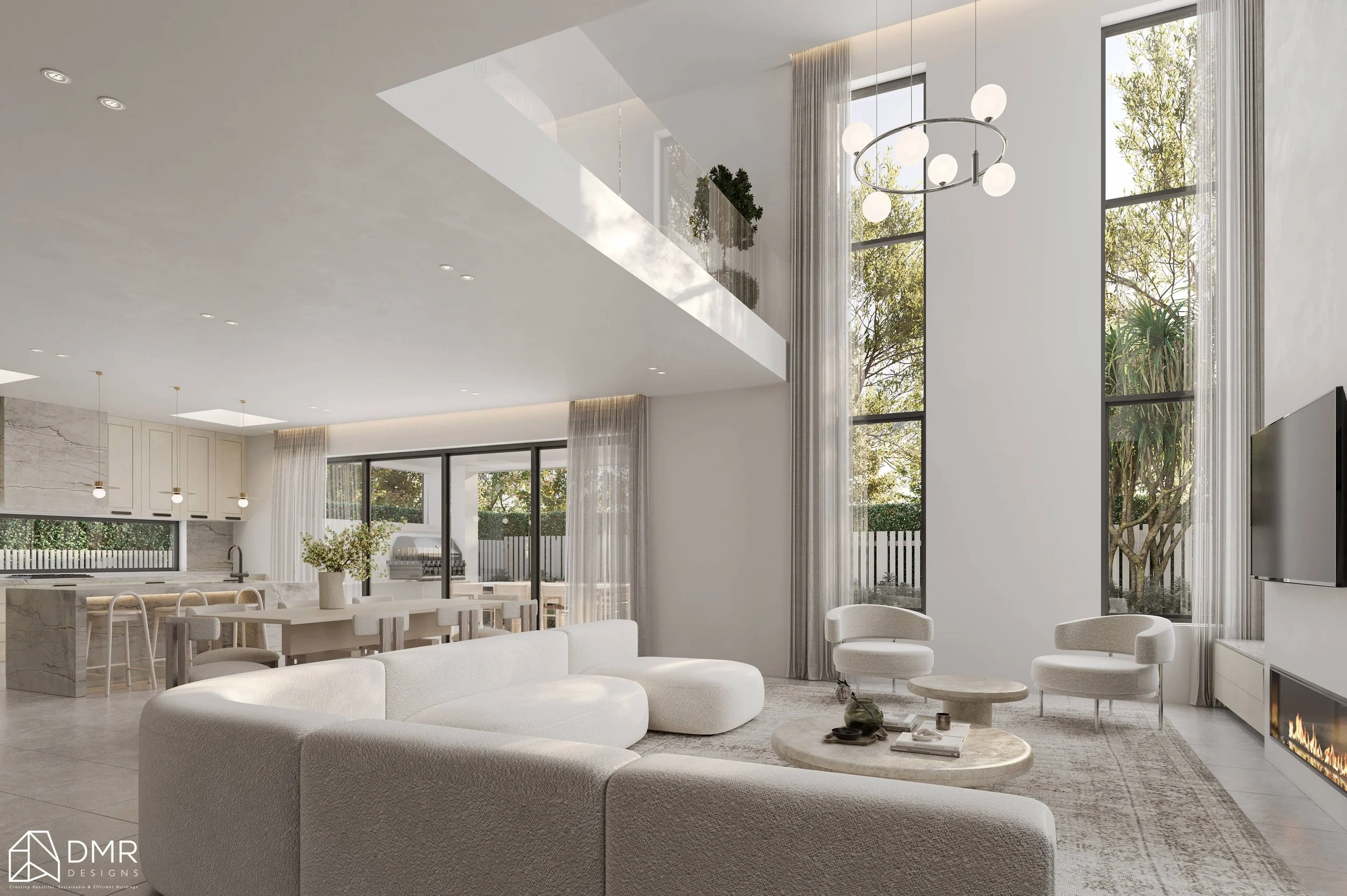
Dimmer switches, especially, offer tremendous flexibility: bright when you need visibility, soft when you want to unwind.'

Designing With Purpose

Every home is different, and great lighting design starts with understanding how you use each space. At DMR Designs, we tailor lighting plans to match your lifestyle—ensuring each room feels comfortable, functional, and uniquely yours.
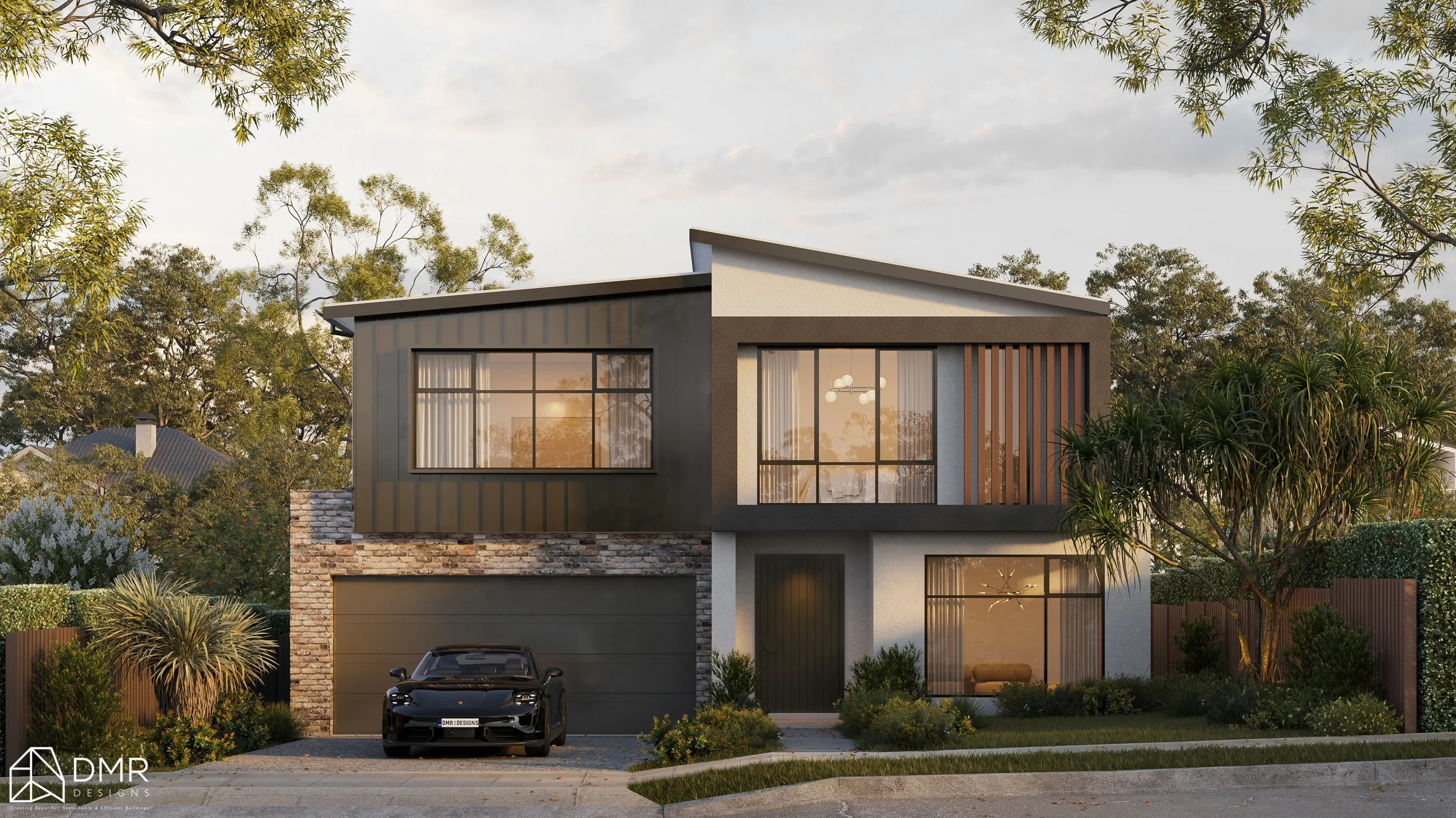
Whether you’re building new, renovating, or refreshing a single room, investing in layered lighting can transform the way you experience your home every day.


Ready to Reimagine Your Home’s Lighting?

Don’t let common myths hold you back from creating a space you truly love. If you’re planning a renovation or new build and want clarity, confidence, and expert guidance at every step, reach out to DMR Designs today.
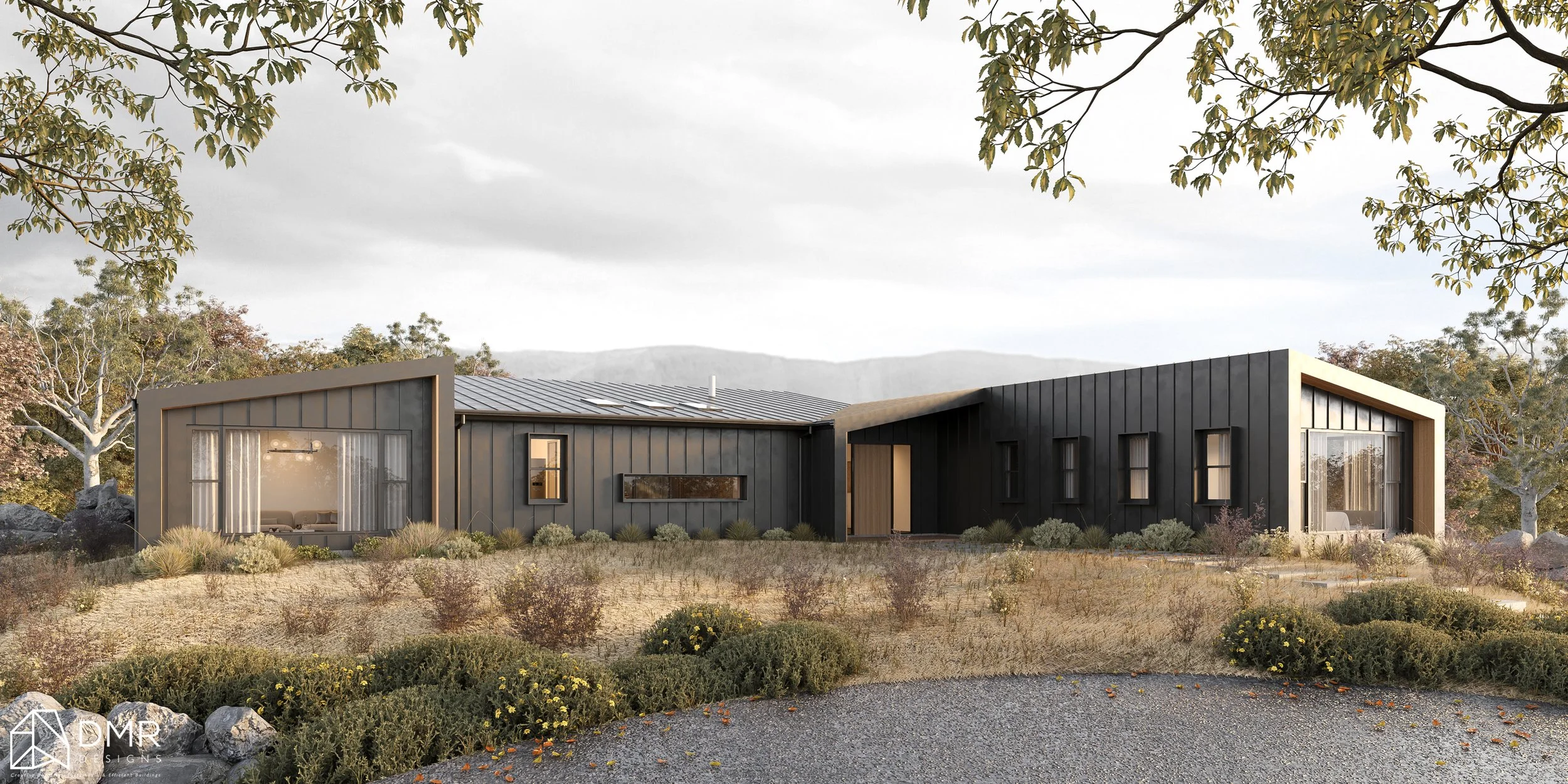
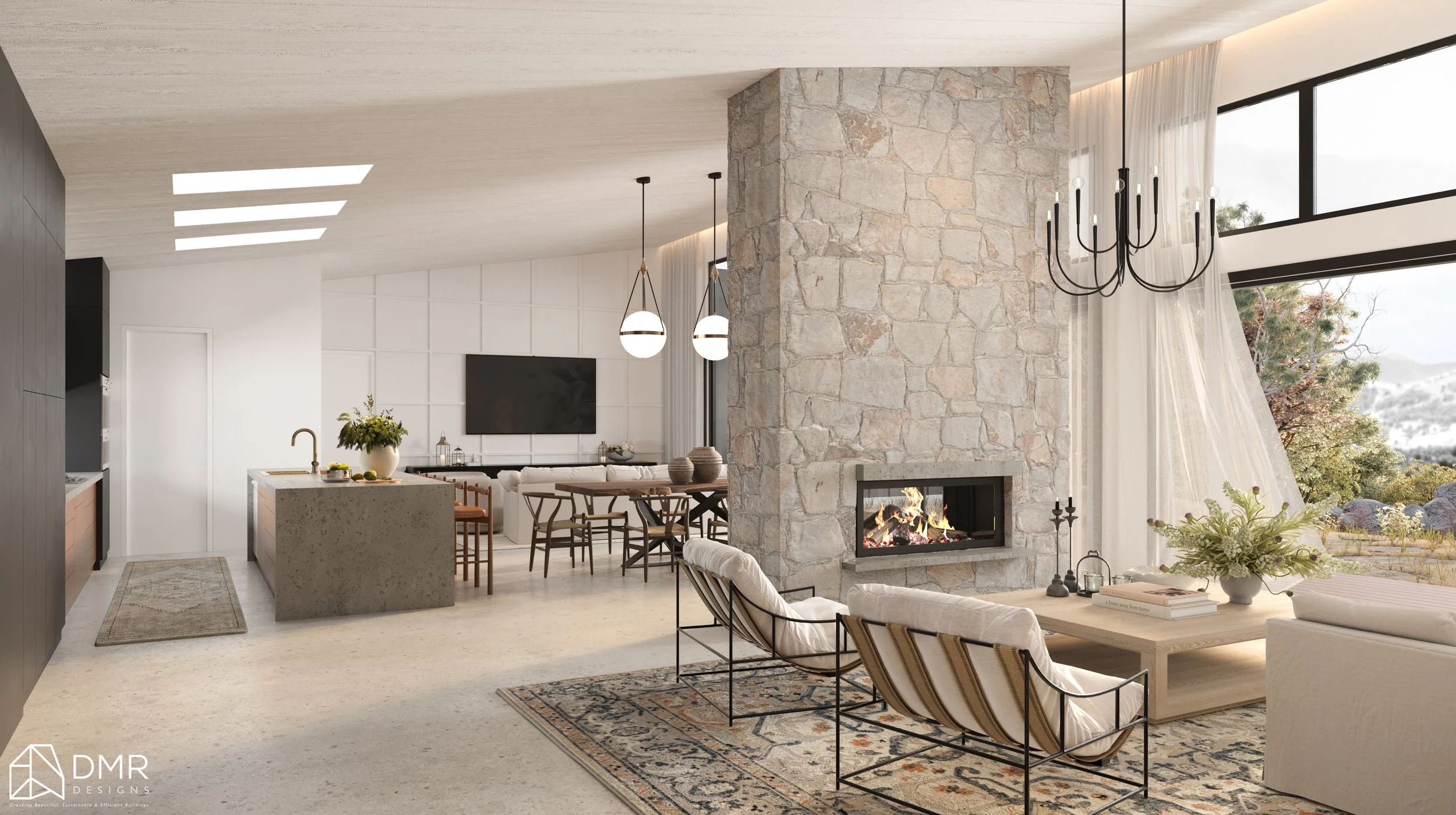
Let’s turn your ideas into a well-designed, cost-effective, and beautifully executed reality—starting with a consultation built around your vision.

Common Myths About Hiring an Architect—Debunked!

When homeowners and business owners start thinking about a new build or renovation, one question often comes up: “Do I really need an architect?”
Unfortunately, this simple question is surrounded by persistent myths—many of which prevent people from getting the beautiful, functional, and value-boosting spaces they actually want.

At DMR Designs, we believe great design should feel accessible, collaborative, and confidence-building. So today, we’re debunking the most common myths about hiring an architect.


Myth #1: “Architects are too expensive.”

Reality: A well-designed project saves you money.

A thoughtful design reduces costly construction mistakes, minimizes material waste, and helps you plan for long-term energy efficiency. Architects can also guide you toward cost-effective solutions you may never have considered.
In many cases, clients recoup the design fee through smarter planning and avoided errors—sometimes even exceeding it.

At DMR Designs: We tailor design packages to different budgets and offer transparent pricing so you know exactly what you’re investing in.

Myth #2: “My project is too small for an architect.”

Reality: No project is too small for quality design.

From updating a powder room to renovating a kitchen or adding a backyard studio, even small projects benefit from expert planning. Layout optimization, material selection, structural insight, and aesthetic cohesion all add value—no matter the scale.

At DMR Designs: We work with projects of all sizes, offering scalable design services to match your needs.

Myth #3: “Architects make projects more complicated.”

Reality: Architects simplify and streamline the process.

Construction can be overwhelming—permits, zoning, contractor coordination, budget tracking, design decisions…the list goes on.
An architect acts as your advocate and guide, bringing clarity where things often feel complex.

At DMR Designs: We help you navigate each step, anticipate challenges, and keep your project running smoothly. Instead of adding complexity, we absorb it so you don’t have to.

Myth #4: “Architects only care about aesthetics.”

Reality: Good architects balance beauty and practicality.

Yes, architects care about creating beautiful spaces—but they also focus on safety, efficiency, durability, flow, accessibility, sustainability, and cost.
Design is not just about how a space looks; it’s about how it works.

At DMR Designs: We blend functional solutions with thoughtful design to create spaces that feel as good as they look.

Myth #5: “Architects don’t listen—they push their own vision.”

Reality: The best architects begin with your goals.

A successful design is born from understanding your lifestyle, priorities, constraints, challenges, tastes, and dreams.
Architects translate your vision into a buildable plan.

At DMR Designs: Collaboration is at the core of every project. Your voice shapes the design—we simply help bring it to life with expertise and creativity.

Myth #6: “Hiring an architect will drag out the project timeline.”

Reality: A solid design foundation speeds up construction.

Skipping the design phase may feel quicker, but it often leads to delays, changes, and rework once construction begins. A well-prepared plan accelerates the build and reduces surprises.

At DMR Designs: We develop clear, detailed drawings and specifications that keep contractors aligned and construction moving efficiently.

Myth #7: “Architects are only for luxury homes.”

Reality: Architects are for anyone who wants thoughtful, efficient, and well-built spaces.

Whether you’re remodeling a modest bungalow, upgrading a commercial office, or planning a multi-unit development, design expertise ensures you get the best outcome for your investment.

At DMR Designs: We believe everyone deserves access to smart design—no luxury price tag required.


Final Thoughts

Hiring an architect isn’t an unnecessary luxury—it’s a strategic investment in your comfort, property value, and peace of mind. Don’t let outdated myths hold you back from creating a space you’ll love for years to come.

If you're considering a project and want guidance you can trust, DMR Designs is here to help. Let’s bring your vision to life—beautifully, efficiently, and stress-free.


Ready to start your project?

Don’t let common myths hold you back from creating a space you truly love. If you’re planning a renovation or new build and want clarity, confidence, and expert guidance at every step, reach out to DMR Designs today.

Let’s turn your ideas into a well-designed, cost-effective, and beautifully executed reality—starting with a consultation built around your vision.

Modern vs. Contemporary Homes: What’s the Difference? Understanding the Key Visual and Functional Distinctions in Australian Architecture

If you’ve ever browsed property listings or design magazines in Australia, you’ve likely seen homes described as modern or contemporary — sometimes even used interchangeably. But while the two styles share certain features, they actually refer to distinct architectural approaches. Understanding their differences can help you make more informed choices when building, renovating, or simply appreciating the homes that define Australia’s evolving suburbs and cities.


1. Defining the Terms

Modern Homes

“Modern” architecture refers to a specific design movement that emerged in the early to mid-20th century (roughly 1920s–1970s). It’s characterised by simplicity, function, and an honest use of materials. In Australia, this style found strong footing in post-war homes, such as the mid-century designs popularised in Melbourne and Sydney suburbs.

Key Features:

  • Clean, horizontal lines

  • Flat or low-pitched roofs

  • Large glass windows for natural light

  • Open floor plans promoting flow between indoor and outdoor spaces

  • Materials like concrete, timber, and steel left in their natural form

Australian Example: The Harry Seidler homes of Sydney, such as the Rose Seidler House, are quintessential examples of Australian modernism — functional, geometric, and integrated with the landscape.

Contemporary Homes

“Contemporary” design, on the other hand, refers to the architecture of today. It’s ever-evolving and reflects current trends, technologies, and sustainability practices. Contemporary homes may borrow elements from modern design but often mix them with newer ideas and materials.

Key Features:

  • Asymmetrical facades and bold forms

  • Use of sustainable materials and energy-efficient technologies

  • Smart home integrations (lighting, security, climate control)

  • Fluid, flexible layouts adaptable to changing lifestyles

  • Creative use of mixed materials — glass, timber, concrete, metal, and recycled elements

Australian Example: Contemporary homes in coastal areas like Byron Bay or the Mornington Peninsula often feature passive solar design, rainwater harvesting, and locally sourced timber cladding — blending aesthetics with eco-conscious living.

2. Visual Differences at a Glance

Visually, modern homes showcase clean lines, balanced proportions, and an emphasis on simplicity. They often feature flat or gently sloped roofs, large glass panels, and materials like timber, steel, and concrete in their natural state. The overall feel is calm, structured, and timeless.

Contemporary homes, meanwhile, are more expressive and experimental. They may feature asymmetrical shapes, striking contrasts in materials, and bold architectural details. Sustainability and technology are also front and centre — with smart systems, recycled materials, and designs tailored to Australia’s climate.

In short, modern design honours the past’s clean simplicity, while contemporary design embraces the creativity and innovation of the present.

3. Functionality and Lifestyle

Modern homes were designed for practical living — efficient, durable, and comfortable, with a focus on natural light and simplicity.

Contemporary homes build upon that by emphasizing adaptability and sustainability, catering to today’s more connected and environmentally conscious lifestyles.

In Australia, where climate and outdoor living play a major role, contemporary architecture often goes further with:

  • Cross-ventilation for cooling

  • Solar panels and battery systems

  • Seamless indoor-outdoor transitions through sliding glass walls

4. Which Style is Right for You?

  • Choose Modern if you love timeless design, symmetry, and mid-century nostalgia. A modern home pairs well with minimalist décor and natural materials.

  • Choose Contemporary if you want a forward-thinking, energy-efficient, and tech-integrated living space that evolves with your lifestyle.

Both styles celebrate Australian light, landscape, and lifestyle — just through different lenses of time.

Final Thoughts

While “modern” and “contemporary” are often confused, understanding their unique philosophies helps you appreciate the design diversity across Australia — from sleek suburban modernist revivals to innovative eco-homes shaping the country’s architectural future.


Ready to Design Your Dream Home?

At DMR Designs, we specialise in creating custom modern and contemporary homes that reflect your lifestyle, budget, and the beauty of the Australian environment. Whether you’re inspired by clean mid-century lines or cutting-edge sustainable design, our experienced team can bring your vision to life — from concept to completion.

Contact DMR Designs today to start planning your dream home.

How to Prepare for Your First Design Consultation - Your Guide to Feeling Confident, Organized, and Ready to Bring Your Dream Space to Life

So, you’ve finally booked your first design consultation—yay! Whether you’re giving your living room a fresh look, planning a kitchen remodel, or starting from scratch in a new home, that first meeting with a designer is a big (and exciting!) step.

But if you’re wondering what to expect, what to bring, or how to make the most of it, don’t worry—I’ve got you covered. Here are some easy tips to help you walk into your consultation feeling prepared, confident, and inspired.


1. Bring Your Inspiration—Big or Small

Before your consultation, gather up all those little pieces of inspiration you’ve been saving. Think Pinterest boards, magazine cutouts, screenshots, or even a favorite piece of fabric or artwork.

Don’t stress about having a “perfect” vision. Your designer’s job is to take those bits and pieces and help you connect the dots. Even a few photos can spark great ideas!

2. Be Honest About Your Budget

It’s totally okay if you’re not sure what things cost yet—but it helps to share a realistic range upfront. This allows your designer to make smart recommendations and prioritize where to invest or save. Remember, the goal is to make your budget work for you, not against you.

3. Bring Photos, Floor Plans, or Measurements

If you’re working on an existing space, snap a few photos or grab any floor plans you have. Measurements are super helpful too—especially if you’re thinking about new furniture or layout changes. The more your designer can visualize the space, the more productive your consultation will be.

4. Think About How You Actually Live

This is your chance to get real about what works (and what doesn’t) in your daily life. Do you love hosting dinner parties? Need a quiet nook for reading? Have kids or pets to consider?

Your designer will want to know how you use your space so they can make it both beautiful and functional—tailored to you.

5. Come with a Few Questions

A great consultation is a two-way conversation. Jot down a few questions before you go—like:

  • What’s your design process like?

  • How long will the project take?

  • How do you handle revisions or budget changes?

  • What kind of client involvement do you prefer?

These questions help you get a feel for the designer’s style, communication, and process—because finding the right fit matters.

6. Stay Open-Minded

It’s normal to have strong preferences, but keep an open heart and mind. Designers often see possibilities you might not have imagined! Sometimes a small change or a fresh perspective can totally transform your space.

7. Take Notes (and Photos!)

Your consultation will probably cover a lot of ground. Bring a notebook or use your phone to jot down key ideas, or take photos of materials and sketches your designer shows you. You’ll thank yourself later when you’re sorting through all that inspiration!

8. Clarify What Happens Next

Before you wrap up, make sure you’re clear on the next steps:

  • When will you get a proposal or mood board?

  • What are the timelines?

  • Is there anything you need to do before the next meeting?

Having these details keeps your project on track and sets clear expectations from the start.

Final Thoughts

Your first design consultation isn’t about having all the answers—it’s about starting a creative conversation. Come prepared, be open, and trust the process. You’ll walk away feeling inspired and excited for what’s ahead.


Ready to Bring Your Vision to Life?

If you’re ready to take that first step toward your dream space, book your design consultation today. Let’s turn your ideas, goals, and inspiration into a beautiful, functional space you’ll absolutely love coming home to.

Kick off your project with DMR Design — book a design consultation today!

Designing for the Australian Climate: Energy-Efficient Homes That Work Year-Round

When you live in Australia, you know how unpredictable the weather can be — scorching summers, chilly winters, and everything in between. So, when it comes to building or renovating your home, good design isn’t just about style — it’s about comfort and energy efficiency all year round.

With a few smart design choices, you can create a home that stays naturally cool in summer, warm in winter, and comfortable through every season — without relying too much on air conditioning or heating.

Here’s how to design a home that truly works with the Australian climate.


Orientation: Make the Sun Your Friend

The way your home is positioned on your block makes a huge difference.

  • Face living areas north wherever possible — you’ll get beautiful sunlight in winter and natural shade in summer.

  • Use eaves, pergolas, and awnings to control sunlight — they block harsh rays in summer but let the warmth in when you need it.

  • Think about window placement. Larger windows on the north side and smaller ones on the east and west will help manage heat and light naturally.

Getting orientation right means your home will feel brighter, warmer, and more inviting — without the extra energy bill.

Cross-Ventilation: Let the Breeze In

There’s nothing better than a natural breeze flowing through your home on a hot day. Cross-ventilation helps cool your home without turning on the air con.

  • Position windows and doors opposite each other so air can flow freely.

  • Include louvres or sliding doors that you can open wide on warm days.

  • Higher ceilings and vents help hot air rise and escape, keeping your home feeling fresh and airy.

When designed well, you’ll barely need to flick the switch on your fan — your home will do the cooling for you.

Thermal Comfort: Keep Temperatures Steady

Thermal comfort is all about keeping your home’s temperature stable — not too hot, not too cold. That starts with the right materials.

  • Use materials with thermal mass (like brick or concrete) to absorb heat during the day and release it at night.

  • Insulate walls, ceilings, and floors to keep warmth in during winter and heat out during summer.

  • Upgrade to double-glazed windows to reduce heat transfer and make your home quieter too.

These simple changes can make a huge difference in comfort — and your energy bills.

Designed for Everyday Living

Energy-efficient homes aren’t just smart — they’re enjoyable to live in.

  • Outdoor living areas designed with shading and breezes in mind mean you can entertain comfortably all year.

  • Native plants and smart landscaping help cool your outdoor spaces and blend beautifully with your surroundings.

  • Add smart home features like automated blinds or ceiling fans to make your home even more adaptable to the weather.

It’s all about designing a home that feels natural — working with the environment, not against it.

Bringing It All Together

When you combine the right orientation, ventilation, and materials, you create a home that’s not just energy-efficient — it’s healthier, more comfortable, and built to last. Designing with Australia’s climate in mind means you’ll spend less on utilities, reduce your environmental footprint, and enjoy a home that truly feels right in every season.


 Ready to Build Smarter?

Designing for the Australian climate means more comfort, lower energy costs, and a home that feels great to live in — every day of the year.

At DMR Design, we specialise in creating energy-efficient homes that are tailored to your lifestyle and location. Whether you’re building new or renovating, our team can help you design a space that’s both beautiful and practical.

Kick off your project with DMR Design — book a design consultation today!

The Art of Façade Design: First Impressions That Last

A home’s façade is more than its outer shell—it’s a reflection of your style, values, and the architectural story within. It’s what draws the eye, sparks curiosity, and sets the tone for the entire home. Creating a striking façade takes more than just picking a colour scheme—it’s about understanding balance, materials, and proportion.

Here are the key things to consider when designing a façade that truly stands out:


Material Selection

Choose materials that complement each other in texture, tone, and durability. Brick, stone, timber, render, and metal cladding each bring their own character. Combining two or three thoughtfully can add depth and personality without overwhelming the design.

Symmetry and Balance

Symmetry creates a sense of harmony and order, while asymmetry can feel bold and modern. The key is balance—ensuring that windows, doors, and rooflines are visually aligned and proportionate.

Proportion and Scale

A well-proportioned façade feels comfortable to the eye. Oversized windows or awkward roof heights can disrupt flow. Consider how each element relates to the whole structure, and to the surrounding streetscape.

Colour Palette

Colours have the power to define a mood. Neutral tones often feel timeless, while bold hues can highlight modernity or architectural details. Always test colours in natural light—what looks soft beige in the store might appear stark white outdoors.

Lighting Design

Exterior lighting enhances the façade’s best features and adds ambience at night. Use wall sconces, uplights, or pathway lights to highlight textures and create a welcoming atmosphere.


Roofline and Form

The shape and slope of the roof greatly influence a home’s identity. Clean, flat lines suggest a modern aesthetic, while pitched or gabled roofs evoke classic or coastal charm.

Entrances and Focal Points

The entryway is the anchor of the façade—it should stand out yet feel cohesive. Statement doors, feature walls, or canopies can create a strong focal point that draws people in.

Landscaping Integration

Plants, pathways, and fences should frame the home, not compete with it. A well-landscaped front yard softens hard architectural lines and enhances street appeal.

Lighting and Shadows

Natural light can dramatically change how your façade looks throughout the day. Observe how shadows fall across your design—this can add natural dimension and texture.

Consistency with Interior Design

Your façade should hint at what’s inside. A sleek, minimalist exterior paired with a rustic interior can feel disjointed. Ensure the exterior style flows naturally into your home’s interior spaces.

A thoughtfully designed façade is an investment in your home’s identity. It doesn’t just create curb appeal—it sets the tone for the living experience inside, communicates your style, and ensures your home leaves a lasting impression on everyone who passes by. Every detail, from materials to proportions, contributes to a façade that feels intentional, timeless, and welcoming.

Bringing It All Together

Building a granny flat can be a fantastic way to make the most of your property—whether you’re thinking about family needs, boosting your home’s value, or creating an extra source of income. The key is understanding your local council’s rules, planning the right design, and getting the right approvals in place. With the right team by your side, the process can be smoother and more rewarding than you might think.


Ready to Explore the Possibilities?

Whether you’re building for family or creating a new income stream, DMR Designs can help you bring your ideas to life—from concept and design to approvals and construction drawings.

Start your design journey with DMR Designs.
Book a discovery call via the link in our bio or visit our website to begin planning your dream project.

Can I Build a Granny Flat on My Property? A Beginner’s Guide to What’s Allowed, How It Works, and What to Plan For

Thinking about adding a granny flat to your property? You’re not alone! Whether it’s for extra space, a rental opportunity, or a cozy place for family to stay, a granny flat can be a smart and rewarding addition. But before you dive in, it’s worth understanding what’s actually allowed and what you’ll need to plan for.


So, What Exactly Is a Granny Flat?

A granny flat—sometimes called a secondary dwelling—is a smaller, self-contained home built on the same block as your main house. It usually has its own bedroom, bathroom, kitchen, and living area. Some people use it for parents or adult kids, while others turn it into a rental for extra income.

Can You Build One on Your Property?

In most cases, yes—but it depends on your local council’s rules. Every area has its own requirements about where and how granny flats can be built.

Here are a few common things councils look at:

  • Land size: Many councils require at least 450m² of land.

  • Zoning: Your property usually needs to be zoned for residential use.

  • Setbacks and open space: You’ll need to maintain enough distance from property boundaries and leave some yard space.

Keep in mind that granny flats can’t be sold separately from your main home—they stay under the same property title.

How the Approval Process Works

There are usually two ways to get the green light for your granny flat:

  • Complying Development Certificate (CDC): If your design ticks all the standard boxes, this is a faster approval route.

  • Development Application (DA): If your design is a little different, this process takes longer but allows for more flexibility.

If this sounds a bit overwhelming—don’t worry! A good design team (like ours at DMR Designs) can guide you through the steps and make sure everything meets council requirements.

Planning Your Granny Flat

Before you start sketching out ideas, think about a few key things:

  • Purpose: Is it for family, guests, or rental income?

  • Budget: Factor in design, approvals, construction, and connections.

  • Design style: Match it with your main home while keeping it functional and comfortable.

  • Access and privacy: Separate entrances are a big plus for both homes.

When planned well, a granny flat can add value, flexibility, and long-term benefits to your property.

Bringing It All Together

Building a granny flat can be a fantastic way to make the most of your property—whether you’re thinking about family needs, boosting your home’s value, or creating an extra source of income. The key is understanding your local council’s rules, planning the right design, and getting the right approvals in place. With the right team by your side, the process can be smoother and more rewarding than you might think.


Ready to Explore the Possibilities?

Whether you’re building for family or creating a new income stream, DMR Designs can help you bring your ideas to life—from concept and design to approvals and construction drawings.

Start your design journey with DMR Designs.
We’d love to chat about your plans and help you bring them to life — explore our website to learn more about what we do or book a discovery call to get started on your dream project.

5 Things to Think About Before You Start Renovating

A home renovation is an exciting opportunity to reimagine how you live — but before you dive in, it’s worth taking a step back to plan. The most successful projects begin with clarity and direction. Here’s a quick checklist of what to consider before the first wall comes down.


1. Budget — Be Clear and Build in a Cushion

Define your budget early and make it as detailed as possible. Beyond materials and labour, include professional fees, approvals, and a 10–15% contingency for the unexpected. A well-planned budget keeps your design goals realistic — and your renovation stress-free.

2. Goals — Know Your Why

Every great design starts with purpose. Are you renovating to create more space, improve flow, or bring your interiors up to date? Your “why” guides every design choice — from layout decisions to the materials and finishes that shape the final look and feel.

3. Layout — Design for How You Live

A beautiful home should work as well as it looks. Think about how you use each space day-to-day: where the light comes in, how you move through rooms, and where connection (or privacy) matters most. Smart layouts maximise function and elevate your lifestyle.

4. Timeline — Be Realistic, Stay Flexible

Good design takes time. Set a clear schedule, but allow room for revisions, approvals, and material lead times. The goal isn’t just to finish fast — it’s to get it right. A thoughtful timeline ensures the process runs smoothly from concept to completion.

5. Approvals — Don’t Skip the Essentials

Before any construction begins, confirm what your project needs in terms of council approvals or building permits. Skipping this step can cause major setbacks later. Your design team can help manage this process so everything runs seamlessly and compliantly.

Bringing It All Together

A renovation isn’t just about updating a space — it’s about creating a home that reflects who you are and how you want to live. With the right planning, design direction, and expert guidance, your renovation can transform everyday living into something truly special.


Ready to Begin Your Renovation Journey?

Every great renovation starts with the right foundation — clear goals, smart planning, and a team that brings your vision to life.

Start your design journey with DMR Designs.

Book a discovery call via the link in our bio or visit our website to begin planning your dream renovation.

Family-Friendly Design: Creating Flexible Homes That Grow with You

A home isn’t just four walls — it’s the place where your family grows, routines shift, and needs change over time. That’s why more homeowners are looking for family-friendly designs that can adapt with them, rather than needing constant renovations or adjustments.

The key lies in future-proofing your space so that it feels just as comfortable and practical in ten years as it does today.


Future-Proofing Your Home

Think about how your family might grow or change. Will you need extra bedrooms in the future? A home office that could later double as a guest room? By planning ahead, you save yourself the stress and cost of major alterations later on. Simple design choices, like leaving room for extensions or opting for open-plan layouts, can give you that flexibility.

Adaptable Spaces

The modern family home works hardest when rooms aren’t tied to just one purpose. A study nook near the kitchen might be a homework hub now, but could easily become a casual office or reading corner down the track. Large living areas can be subtly divided with furniture or screens to create separate zones for kids’ play and adult relaxation — all without losing that open, airy feel.

Multi-Use Rooms

Why settle for a single-use room when you can design spaces that do more? A spare room can transform into a nursery, then a playroom, and later a teen retreat. Even garages and outdoor areas can be designed with versatility in mind, making them useful year-round. The idea is to keep spaces fluid, so they work no matter what stage of life you’re in.

Child-Safe Design Elements

If you’ve got young ones at home, safety naturally becomes a top priority. Consider features like rounded bench corners, non-slip flooring, and secure storage for cleaning products. Outdoors, gated pool areas and soft landscaping around play zones give you peace of mind. These details may seem small, but they make a world of difference in day-to-day family life.

Designed for Our Lifestyle

In Australia, we’re lucky to enjoy a climate that encourages indoor–outdoor living. Designing with wide sliding doors, shaded alfresco areas, and connected backyard spaces makes it easier for families to entertain, relax, and keep an eye on the kids. Homes that take advantage of natural light and cross-breezes also feel brighter, cooler, and more energy-efficient — a win for comfort and long-term value.

The Big Picture

A truly family-friendly home is one that grows with you. It balances comfort with practicality, style with safety, and structure with flexibility. By future-proofing and thinking ahead, you’re not just building a house — you’re creating a space that will support your family’s journey for years to come.


Thinking of building or renovating?

Our team specialises in creating flexible, future-ready homes designed around the way Australian families really live. From adaptable layouts to child-safe design solutions — and plenty of focus on indoor–outdoor flow — we’ll help you bring your vision to life with style, comfort, and peace of mind.

Book your design consultation today and start planning a home that grows with you.

Floor Plan Mistakes to Avoid When Building or Renovating

Designing or renovating your home is exciting, but one of the trickiest parts is making sure the floor plan works in everyday life. A clever layout can make your home brighter, more practical, and more comfortable, while a poor one can leave you frustrated and spending more than you planned.

Whether you’re building from scratch or giving your current home a makeover, it’s worth slowing down and thinking through the details. Floor plan mistakes can be costly and difficult to fix later, but with the right approach, they’re completely avoidable.

Here are 8 common floor plan mistakes that homeowners often run into—and how you can avoid them.


1. Ignoring Natural Light and Orientation

Nothing makes a home feel more inviting than good natural light. When rooms are placed without considering where the sun rises and sets, living spaces can end up dark and cold.

Tip: Think carefully about where the light will fall during the day. Position living, dining, and kitchen spaces where they’ll receive the most sunshine, and use windows or glass doors to maximise brightness.

2. Wasting Space with Long Hallways

Long, narrow hallways might look neat on paper, but in reality, they chew up valuable floor area without adding much function. You’re essentially paying for space you can’t use.

 Tip: Try to reduce hallways by connecting rooms directly or using open-plan layouts. If a hallway is needed, make it practical by adding storage, shelving, or design features to give it a purpose.

3. Poor Kitchen Placement

The kitchen is one of the busiest rooms in any home, so its location is key. A kitchen that’s too far from the garage or entryway makes grocery trips more of a workout. And if it’s tucked away, it can feel cut off from family life.

Tip: Keep the kitchen near the main entry and close to the dining and living areas. This makes daily routines smoother and keeps the cook connected to what’s happening in the home.

4. Bedrooms in Noisy Zones

Bedrooms should feel like a retreat, but poor placement can make them anything but restful. Putting them next to a noisy living room, kitchen, or street-facing wall often leads to disturbed sleep.

 Tip: Locate bedrooms in quieter areas of the house and consider sound insulation between walls. If you have kids, separate their bedrooms from the main entertaining spaces for more privacy and peace.

5. Bathrooms Without Privacy

A bathroom that opens straight into a living or dining room can feel awkward and uncomfortable for both guests and family members. Privacy matters more than many people realise until it’s too late.

 Tip: Position bathrooms in less visible corners of the house. Adding a short hallway or small partition wall can make the layout feel much more private without wasting space.

6. Forgetting Storage Space

It’s easy to get caught up in designing beautiful open spaces and forget about the practical side of living. Without enough storage, clutter quickly builds up and makes even a large home feel cramped.

 Tip: Plan for storage from the start—include built-in wardrobes, a linen cupboard, a pantry, and maybe even a mudroom if space allows. Smart storage design will make your home feel organised and spacious.

7. Oversized or Undersized Rooms

Rooms that are too big can feel empty and increase building costs, while small rooms make everyday tasks frustrating. It’s all about balance.

 Tip: Think about how each room will be used and what furniture it needs to hold. A living room should comfortably fit your lounge and entertainment setup, while bedrooms should allow for a bed, side tables, and storage without feeling cramped.

8. Ignoring Future Needs

Designing a floor plan only for your current lifestyle can lead to regrets later. Families grow, work situations change, and lifestyle needs evolve.
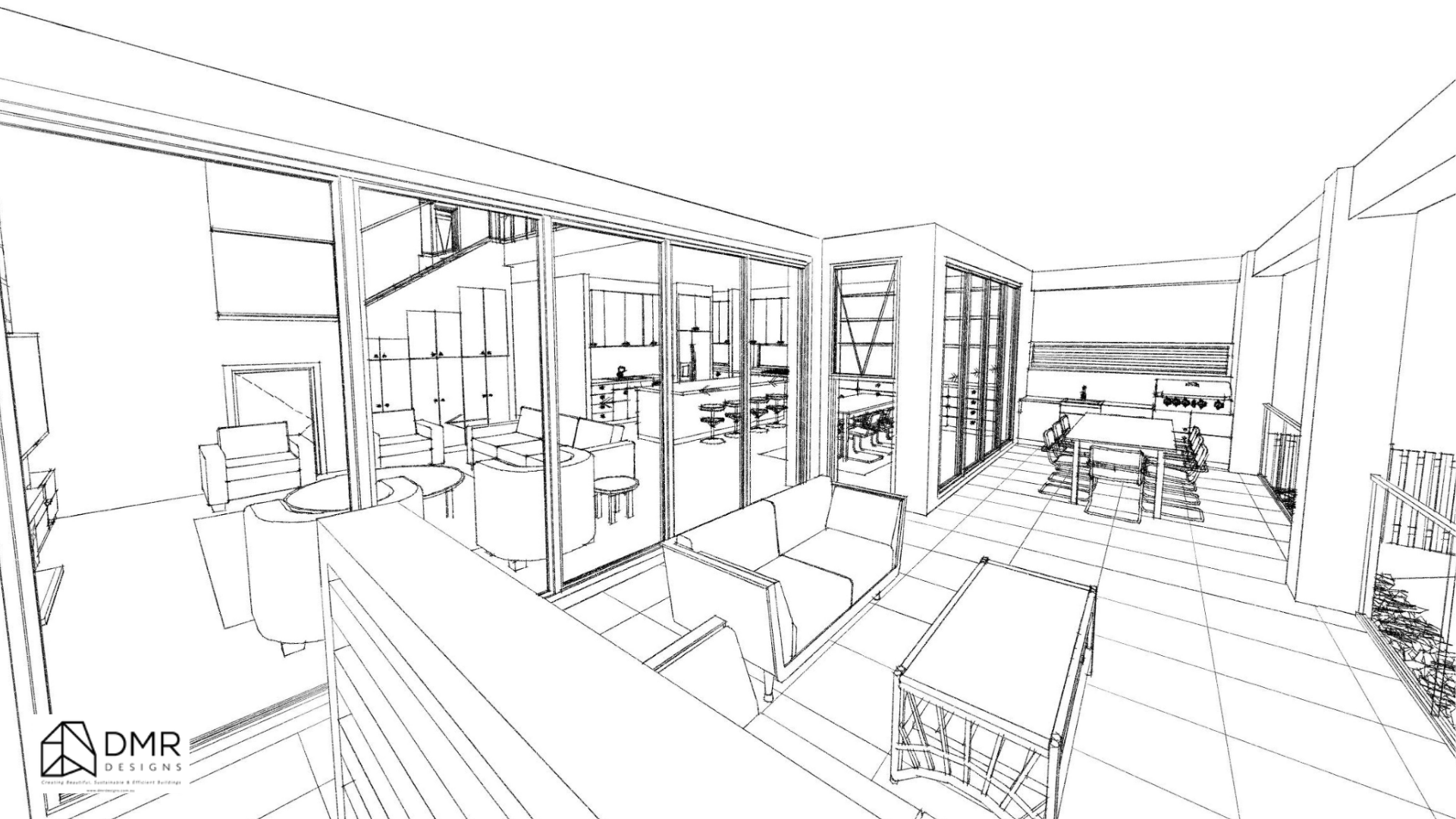
Tip: Build in flexibility wherever possible. A study could later serve as a nursery or guest room, and an extra living space might become a teenagers’ retreat. Planning ahead saves costly renovations down the track.

The Bottom Line

The best homes aren’t just stylish—they’re practical, comfortable, and built to last. By avoiding these common mistakes and thinking about how you’ll really use each space, you can create a home that works beautifully for today and for years to come.


Ready to Design Smarter?

At DMR Designs, we specialise in creating homes that are not only beautiful but also functional, efficient, and tailored to your lifestyle. Whether you’re building new or renovating, our team can help you avoid these pitfalls and bring your vision to life with thoughtful, practical design solutions.

Get in touch with us today to start planning a home that truly works for you.

Designing with Nature: Incorporating Outdoor Living into Modern Home Plans

Modern homes are no longer just about walls, rooms, and interiors—they’re about creating spaces that seamlessly connect with the outdoors. Whether it’s through expansive windows, functional alfresco areas, or carefully integrated gardens, today’s home designs are redefining the way we live, blending the best of nature with the comforts of modern architecture.


Indoor-Outdoor Flow

One of the hallmarks of modern design is the effortless connection between indoor and outdoor spaces. Large sliding or bi-fold doors, open-plan layouts, and continuous flooring materials help create a sense of flow, making the transition from living room to patio feel natural. This not only maximises usable space but also brings in more light, air, and openness.

Alfresco Living

The alfresco area has become an essential feature of the modern home. More than just an outdoor dining spot, it’s a versatile extension of the home—a place to entertain, relax, and enjoy fresh air year-round. Covered patios with ceiling fans, outdoor kitchens, and integrated seating make these spaces functional in all seasons, transforming them into everyday living zones.

Harnessing Natural Ventilation

Designing with nature also means working with the climate. Strategic window placement, louvres, and cross-ventilation techniques reduce reliance on artificial cooling, making homes more sustainable and comfortable. By inviting breezes inside and allowing hot air to escape, natural ventilation enhances both energy efficiency and well-being.

Garden Integration

Gardens are no longer an afterthought—they’re woven into the design itself. Courtyards, vertical gardens, and pocket greenery blur the line between inside and outside, bringing nature closer to everyday living. Even small spaces can benefit from smart landscaping, offering both beauty and a calming retreat.

Bringing It All Together

Modern home design is about balance—merging style and function with a deep respect for the environment. By embracing outdoor living, integrating gardens, and harnessing natural ventilation, homes become more than just dwellings; they become sanctuaries that connect us to the natural world.


Ready to Design a Home That Embraces Nature?

At DMR Designs, we specialise in creating modern homes that seamlessly blend indoor comfort with outdoor living. From alfresco areas to garden integration, we’ll help you craft a home that feels connected, functional, and timeless. Let’s bring your vision to life—get in touch with us today and start building your dream home.

Let’s start planning your dream renovation today.

Navigating the NSW Planning System: What You Need to Know Before Renovating

Thinking about renovating your home? Whether it’s a fresh new kitchen, a bigger living space, or an apartment upgrade, understanding the planning rules in New South Wales is an essential first step. Getting familiar with approvals and requirements early on can save you time, stress, and unexpected costs down the track.


Why Approvals Matter

Not every renovation is as simple as picking up a hammer. Depending on the scope of your project, you may need official approval before any work begins. Local councils and certifiers use these approvals to ensure that building standards, safety, and community impacts are taken into account.

Exempt vs. Complying Development

  • Exempt Development: Small-scale works (like minor repairs, fencing, or garden sheds) often don’t need approval. These are low-impact projects that meet specific standards.

  • Complying Development: Larger projects—such as home extensions or internal alterations—may be fast-tracked through a complying development certificate (CDC). This route saves time compared to a full development application (DA), but still requires you to meet strict planning and building controls.

Special Attention: Class 2 Buildings

If you own an apartment (Class 2 building), the rules are a bit more complex. Renovations to common areas or structural elements typically require approval from the owners corporation, and sometimes a DA lodged with council. Even changes within your own lot—like moving plumbing or altering fire safety systems—can trigger additional requirements.

Key Things to Keep in Mind

  • Check your local council’s guidelines before starting. Each area may have slightly different controls.

  • Engage a registered certifier or town planner to confirm whether your project is exempt, complying, or requires a DA.

  • Budget for approvals—application fees, reports, and compliance checks are often overlooked in planning costs.

  • Don’t skip strata approvals if you’re in a Class 2 building. Getting written consent from your owners corporation is crucial.

The Bottom Line

Renovating can be an exciting journey, but it comes with a few hurdles to clear. Taking the time to understand the planning system will not only keep your project compliant but also help it run smoothly from start to finish.


Ready to Kickstart Your Renovation?

Understanding the NSW planning system is just the beginning—bringing your renovation ideas to life takes the right team by your side. At DMR Designs, we’ll help you navigate approvals, design with purpose, and create a home that’s both compliant and beautifully functional.

Let’s start planning your dream renovation today.